REVIEW · REIMS
Exclusive Champagne Cellars & Dom Perignon Vineyards tour
Book on Viator →Operated by Wine Tours Paris · Bookable on Viator
Champagne Country hits different in daylight. This 8-hour small-group tour mixes Reims landmarks, scenic drives, and two winery tastings with an English-speaking guide or certified sommelier. You’ll also get the Dom Pérignon connection at Hautvillers, plus a walk along Épernay’s famous Avenue de Champagne.
I love how the day is paced: you get structured stops for big sights, then breathing room in Épernay for lunch on your own. The main consideration is logistics—there’s no hotel pickup or drop-off, and you meet at Place de la Gare in Épernay, so you’ll want to plan your transport to that point.
In This Review
- Key things I’d circle before you book
- Where You Meet, How the Day Moves, and What That Means for Your Comfort
- Reims Cathedral: A 30-Minute Start That Sets the Champagne Stage
- The Champagne Route Road Trip: Two Winemakers and Tastings Without the Rush
- Épernay Lunch Break: 90 Minutes to Eat and Reset in the Second City
- Hautvillers and Abbaye Saint-Pierre d’Hautvillers: Dom Pérignon’s Place in the Story
- Avenue de Champagne: The 30-Minute Walk That Helps You Recognize the Players
- Guides, Language, and the Small-Group Edge (Including Luiz’s Style)
- What You’re Paying For: Is $252.29 Good Value?
- Practical Tips for a Better Champagne Day
- Who This Tour Fits Best (and Who Might Want Another Option)
- Should You Book This Champagne Cellars and Dom Pérignon Tour?
- FAQ
- Where does the tour start and end?
- How long is the tour?
- What’s included in the price?
- Is lunch included?
- How large is the group?
- Is the tour offered in English?
- Is there an age limit for drinking wine?
- Do I need hotel pickup?
- What happens if the weather is bad?
- What if there aren’t enough travelers?
Key things I’d circle before you book

- Max 8 travelers: small enough for real questions, not just passive sightseeing
- Two tastings included: you visit local producers plus a bigger name on the route
- Reims Cathedral + Coronation context: Champagne’s story starts where kings were crowned
- Hautvillers and Abbaye Saint-Pierre: the Dom Pérignon birthplace area is close and meaningful
- Avenue de Champagne stroll: short, focused, and ideal for first-timer orientation
- Air-conditioned vehicle: you’re not stuck baking during vineyard-road sightseeing
Where You Meet, How the Day Moves, and What That Means for Your Comfort

This is built as a full day, roughly 8 hours, with a set route through the Champagne heartland. The big practical point: you do not get hotel pickup or drop-off. The tour starts and ends at Place de la Gare in Épernay, so getting yourself there is part of the plan.
The day is designed for comfort and rhythm. You ride in an air-conditioned vehicle, and the stops are timed so you’re not constantly jumping in and out with luggage or racing the clock. Also, the group size is capped at 8 travelers, which matters more than it sounds. With that headcount, the guide can slow down when someone wants details on soils, grape varieties, or how the region’s history connects to the glass.
You’ll also use a mobile ticket, and the meeting point is described as being near public transportation—useful if you’re traveling light or coming from Paris by train.
You can also read our reviews of more wine tours in Reims

Reims Cathedral: A 30-Minute Start That Sets the Champagne Stage

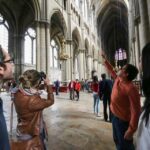
The tour begins in Reims at Cathedrale Notre-Dame de Reims. Even if you’re not a church-history person, this stop is more than “pretty buildings.” Reims is tied directly to Champagne’s rise: it was the city where French kings were crowned, and that status shaped the region’s reputation for centuries.
Plan to use this time like a warm-up. The cathedral visit is about 30 minutes with admission included. In that short window, you’re mostly looking for orientation: where Reims fits in the story of Champagne and why the region’s wine became tied to ceremony and prestige. It’s also an easy way to start the day with culture before you start tasting.
If your schedule is sensitive (early starts, tight connections), note that the tour’s flow is fixed by the route. You’ll want to arrive at the Épernay meeting point with enough buffer to avoid stress.
The Champagne Route Road Trip: Two Winemakers and Tastings Without the Rush
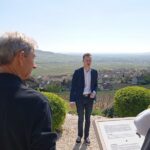
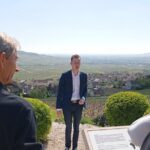
Next comes the scenic part: the Champagne countryside drive along the Route Touristique du Champagne. This is where you feel the region’s shape—rolling vineyards, long sightlines, and grape-growing areas that look small from the road but matter enormously for flavor.
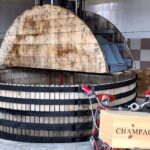
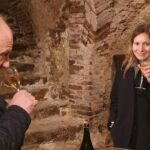
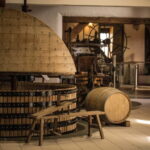
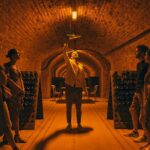
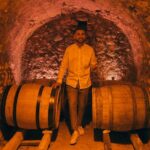
This segment runs about 4 hours, and admission is included at the stops. The heart of this section is visits and tastings at two winemakers. One stop gives you the broader “how it all works” view, while the other is often the kind of place that feels more personal—still professional, but with less of the big-tour feeling.
What to pay attention to during tastings:
- Ask what style they make and why (freshness vs. structure, and how aging choices show up)
- Watch how the guide talks about the vineyard sites—Champagne is as much about location as it is about method
- Don’t just sip. Taste with a purpose: acidity, bubbles, and the way flavors shift as the glass warms
The value here isn’t only the wine in your glass. It’s that you’re comparing two approaches within one day, which is exactly what helps you build a real mental map of what Champagne can be.
Épernay Lunch Break: 90 Minutes to Eat and Reset in the Second City

After the route drive, you reach Epernay, the second major Champagne city on this outing. You’ll get about 90 minutes of free time for lunch, and the guide will suggest restaurants.
This is a smart break in the schedule. You’re not forced into a long sit-down meal that eats the day. Instead, you can choose something quick or something leisurely, depending on your appetite and energy level. And since this is a guided tour, you’re not wandering completely blind—your guide’s restaurant suggestions can save time and help you avoid the tourist traps that pop up near major viewpoints.
Practical tip: if you’re sensitive to cold (winter in Champagne can feel sharp), choose a lunch plan that keeps you comfortable. You’ll likely be walking some, and the day includes vineyards and outdoor streets later.
Hautvillers and Abbaye Saint-Pierre d’Hautvillers: Dom Pérignon’s Place in the Story

Then you head to Hautvillers for Abbaye Saint-Pierre d’Hautvillers—a about 1 hour stop with admission included. This is the emotional center for many people. It’s tied to the birthplace story of Champagne and the area where Dom Pérignon lived.
Even if your background on Dom Pérignon is basic, this stop adds meaning fast. The village setting plus the abbey gives you a sense of the “how it started” vibe, not just modern wine branding. You’re not getting a sales pitch; you’re standing in a place that helps explain why Champagne became so important.
Use this time for two things:
- Look for the connection between village life and vineyard life
- Take a few minutes to slow down and absorb the setting before returning to the more urban Champagne visuals

Avenue de Champagne: The 30-Minute Walk That Helps You Recognize the Players

Next is a short but satisfying walk along Avenue de Champagne. It’s about 30 minutes, admission included, and it’s timed for maximum impact without overdoing it.
This is where you see the headquarters of some of the most prestigious Champagne Houses—think grand facades, formal addresses, and that distinct Épernay feel where wine is treated like heritage and business in the same breath. It’s an ideal stop if you want to connect names you’ve seen in stores with the physical city where those brands operate.
In practical terms, this stop also helps you understand what you’ll be looking at later if you continue your trip through the region. The first time you see the Avenue, it can feel like Champagne is all “window dressing.” By the time you’ve already done the cathedral and the cellar tastings, you’ll read the street differently.
Guides, Language, and the Small-Group Edge (Including Luiz’s Style)

This tour is offered in English, and the guide is described as a professional English-speaking guide or certified sommelier. Your sommelier can also speak French, Portuguese, Spanish, and Italian, which is handy if you have a multilingual group or if you want clarifications beyond what’s comfortable in English.
The biggest difference with this kind of small group is attention. With up to 8 travelers, the guide can tailor pacing. You’re also more likely to get real back-and-forth questions during tastings and winery explanations.
One name that shows up strongly in how this day is run is Luiz. The way his groups are described, he doesn’t just talk facts—he connects history, region, and wine in a way that stays friendly and relaxed. That matters because Champagne tours can turn stiff quickly. A guide who keeps things moving and understandable makes a big difference in how much you actually remember.
What You’re Paying For: Is $252.29 Good Value?

At $252.29 per person, this isn’t a cheap afternoon. But it does include several things that add up quickly if you tried to assemble them yourself.
Here’s what’s covered:
- Visits and tastings at two Champagne wineries
- Reims Cathedral admission
- Abbaye Saint-Pierre d’Hautvillers and Dom Pérignon village area stop
- Avenue de Champagne admission for the walk
- An English-speaking guide or certified sommelier
- Air-conditioned transport
- Group discounts and a maximum of 8 travelers
What’s not included:
- Lunch
- Hotel pickup/drop-off
So how do you judge value? For me, the key is that you’re not just buying “access.” You’re buying a guided day where tastings come with context, and the major Champagne locations are packed into one coherent route. If your goal is to get your bearings fast—Reims to Épernay, modern houses to Dom Pérignon’s birthplace area—this structure saves you time and decision fatigue.
Also, your lunch time is built in (the guide helps with restaurant suggestions), so you’re not totally on your own once you’re in Épernay.
Practical Tips for a Better Champagne Day
A few things can make or break the experience.
1) Bring ID and expect the 18+ rule.
The legal drinking age is 18, so bring identification if there’s any chance you might be asked.
2) Wear shoes you can walk in.
You’ll do cathedral time, a village area stop, and street walking along Avenue de Champagne. Nothing extreme is suggested, but comfortable shoes make every stop easier.
3) Plan for weather.
This tour requires good weather. If conditions aren’t right, you’ll be offered a different date or a full refund. That’s worth keeping in mind if you’re booking around unpredictable seasons.
4) Pace your tastings.
Even with only two wineries included, tastings add up. Sip, take notes, and drink water between pours. If you tend to get sensitive to alcohol, go slower than you think you need. You’ll enjoy the sights more.
5) Have a lunch plan that fits the vibe.
Since lunch isn’t included, use the guide’s restaurant suggestions and choose something that won’t leave you dragging for the later stops.
Who This Tour Fits Best (and Who Might Want Another Option)
This is ideal if you:
- Want a first-timer Champagne overview without spending weeks planning
- Appreciate history connected to wine, not just vineyard views
- Like guided structure but still want space to think during free time in Épernay
- Prefer a small group where your questions actually land
It might be less ideal if you:
- Need hotel pickup and drop-off as a hard requirement
- Have very limited flexibility with meeting logistics in Épernay
- Want only one winery experience or a slower, more open-ended schedule
Should You Book This Champagne Cellars and Dom Pérignon Tour?
If your goal is a focused Champagne day—Reims symbolism, two winery tastings, and the Dom Pérignon area in Hautvillers—this tour is a strong value. I’d book it if you like your wine education paired with real places, and if you’re happy to handle meeting point logistics from Épernay.
If you want a totally plug-and-play day with hotel pickup and an included lunch, you might compare options. But if you’re okay planning that one piece, this is the kind of itinerary that helps you come away with understanding, not just souvenirs—and that’s the point of a Champagne tour.
FAQ
Where does the tour start and end?
It starts and ends at Place de la Gare in Épernay (51200), France.
How long is the tour?
The duration is about 8 hours.
What’s included in the price?
You get visits and tastings at two Champagne wineries, admissions for Reims Cathedral, Hautvillers (Dom Pérignon village/abbey area), and Avenue de Champagne, plus an English-speaking professional guide or certified sommelier and air-conditioned transport.
Is lunch included?
No. There is a 90-minute free time for lunch in Épernay, and your guide will suggest restaurants.
How large is the group?
The tour has a maximum of 8 travelers.
Is the tour offered in English?
Yes, it’s offered in English. Your sommelier can also speak French, Portuguese, Spanish, and Italian.
Is there an age limit for drinking wine?
Yes. The legal drinking age is 18.
Do I need hotel pickup?
No. Hotel pickup and drop-off are not included.
What happens if the weather is bad?
The tour requires good weather. If it’s canceled due to poor weather, you’ll be offered a different date or a full refund.
What if there aren’t enough travelers?
There is a minimum number of passengers. If the tour doesn’t meet the requirement, you’ll be offered an alternative or a full refund.