REVIEW · PARIS
Paris: Louvre Museum Highlights and Mona Lisa Tour
Book on GetYourGuide →Operated by Mon Petit Paris · Bookable on GetYourGuide
Mona Lisa without the chaos. I like how the tour pairs fast-track entry with headsets, so you can actually hear the stories while the building does its usual crowd thing. The second big win is the guide’s art-historical commentary that turns famous works into something you can read, not just photograph. One drawback to plan for: it’s still the Louvre, so security and crowds can eat into your time, and the route is only 1–2 hours.
You’ll meet at the Arc du Carrousel du Louvre just outside the museum, then go in using a separate entrance with a pre-reserved ticket. The group is capped at 20, which makes it easier to keep up than when you’re wandering solo. Expect walking, some stairs, and lots of “wait—why is this sculpture doing that?” moments.
In This Review
- Key Highlights I’d Prioritize
- Meeting at Arc du Carrousel and Getting Into the Louvre Fast
- Security, Stairs, and Crowd Math (What to Expect Realistically)
- Venus de Milo and Winged Victory: How to Look at Sculptures Better
- The Mona Lisa Stop: More Than a Checkmark
- Underground Galleries and the Louvre’s Medieval Foundations
- Navigation and Group Size: Why It Feels Easier Than Solo
- After the Tour: Spend Time Wisely Around the Mona Lisa Area
- Price and Value: Is $116 Worth It?
- Who Should Book This Louvre Highlights Tour
- Should You Book This Louvre Highlights Tour?
- FAQ
- Where do we meet for the tour?
- How long is the Louvre tour?
- Does the tour include skip-the-line entry?
- Is the tour in English?
- What masterpieces will we see?
- Will there be time to explore after the guided portion?
- What should I bring, and what can’t I bring?
- Is the tour accessible for wheelchair users?
- What happens if I’m late?
- Is free cancellation available?
Key Highlights I’d Prioritize
- Skip the main ticket lines with a pre-reserved entry and a separate entrance
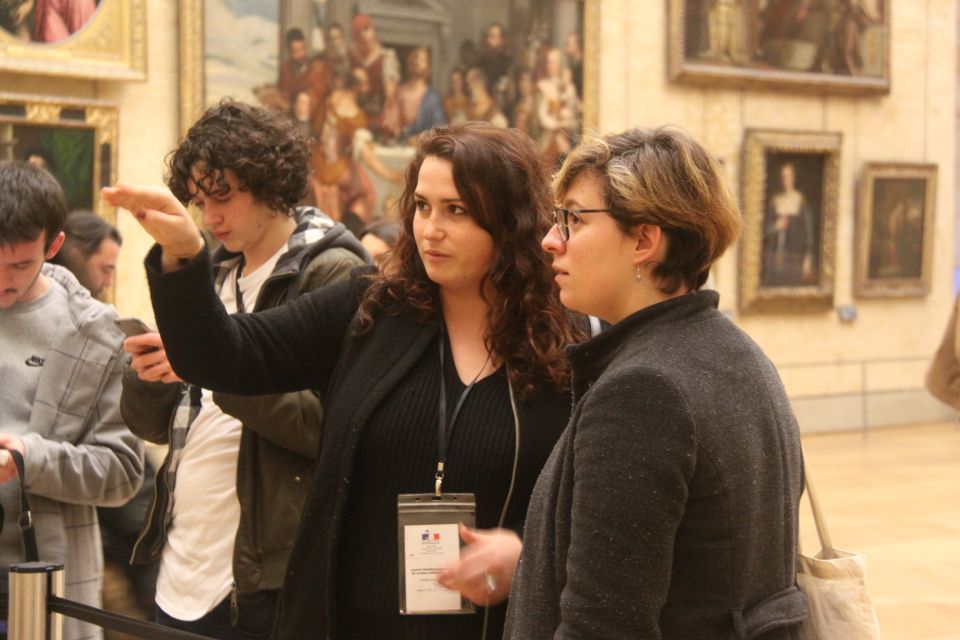
- Headsets so you hear the licensed guide clearly, even in packed rooms
- A focused highlights route that hits Venus de Milo, Winged Victory, and the Mona Lisa
- Expert context that explains what you’re seeing in plain language, not art-school jargon
- A peek into the Louvre’s layers, including the underground medieval fortress remains
- A strong ending at the Mona Lisa area, then you can keep exploring on your own
Meeting at Arc du Carrousel and Getting Into the Louvre Fast
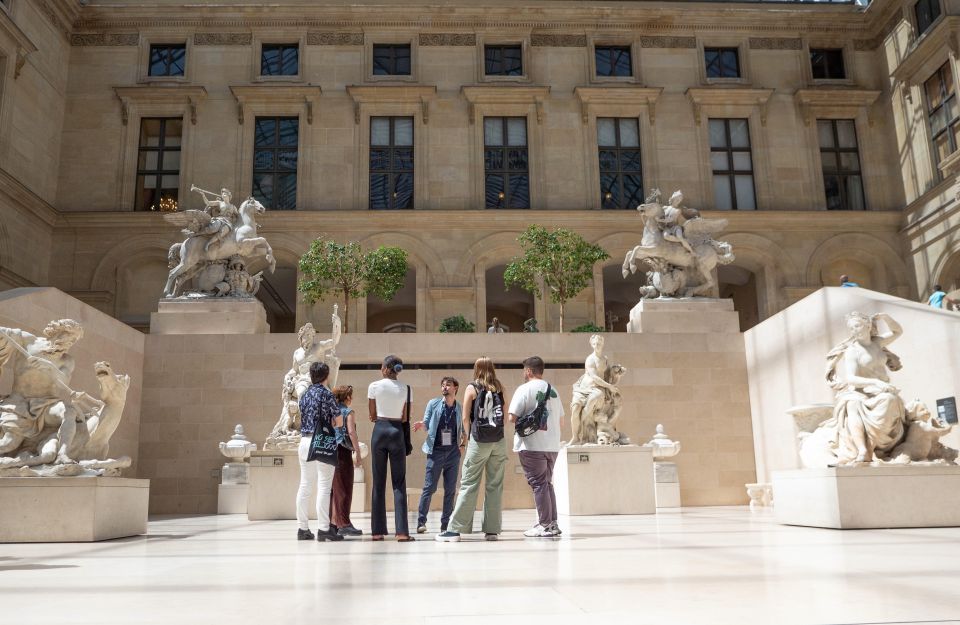
The tour starts at the Arc du Carrousel du Louvre, which is convenient because you’re not trying to figure out the entrance maze while thousands of people stream in. Your guide keeps the group together and moves you toward the fast entry process, which matters at the Louvre where lines can be the entire experience.
The practical side I appreciate: the plan is designed so you can get inside and start looking quickly. With a pre-reserved ticket and a skip-the-line process, you don’t burn your limited visit window standing around. And since it’s a standard group of up to 20, it’s easier to follow your guide’s pace without getting pulled into the wrong corridor.
One detail worth knowing early: your meeting point can vary depending on the option you book. But the tour’s described start is at Arc du Carrousel du Louvre, so I’d treat that as your anchor and double-check your confirmation the day of.
You can also read our reviews of more museum experiences in Paris



Security, Stairs, and Crowd Math (What to Expect Realistically)
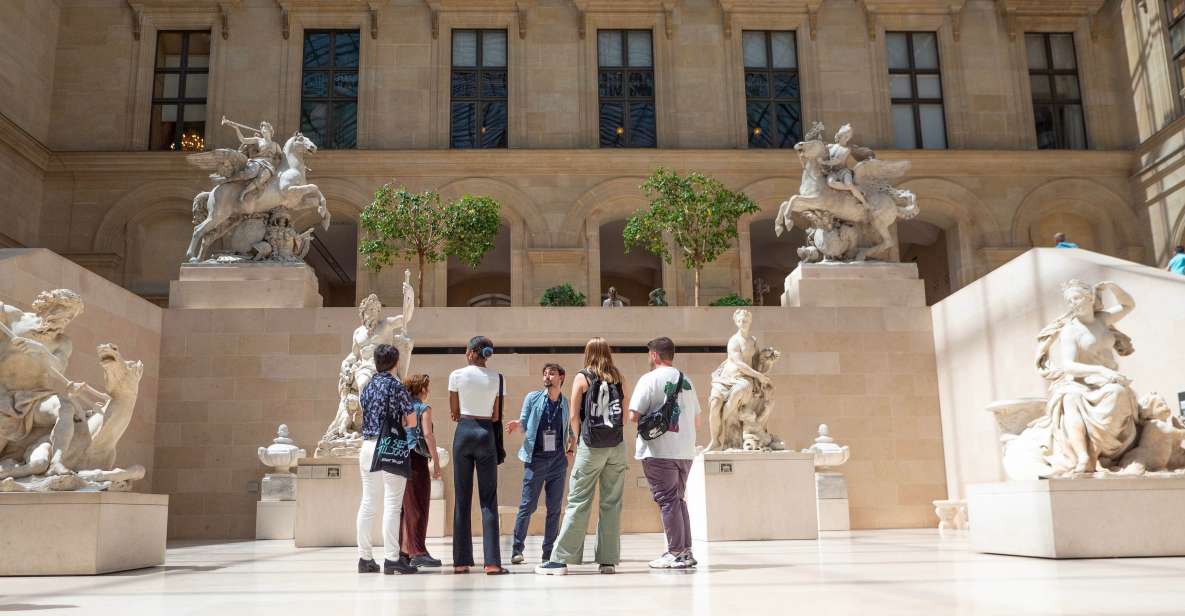
Even with fast-track entry, the Louvre still runs airport-style security. Plan your timing like you’re entering a busy civic building, not a quiet museum. During peak summer periods, the wait at security can run up to about 20 minutes, and that’s before you even start your highlights route.
Comfort matters here. You’ll want comfortable shoes, and you should be ready for walking and stairs. The tour information is also clear that it isn’t set up for wheelchairs or certain mobility impairments because of how elevators are located. If mobility is a concern, you’ll need a different plan.
Also, don’t show up late. This is a group booking, so if you miss the start, the operator notes they can’t issue you a ticket after the fact. If you like buffer time, this is one of those cases where arriving early isn’t just nice—it’s smart.
Venus de Milo and Winged Victory: How to Look at Sculptures Better
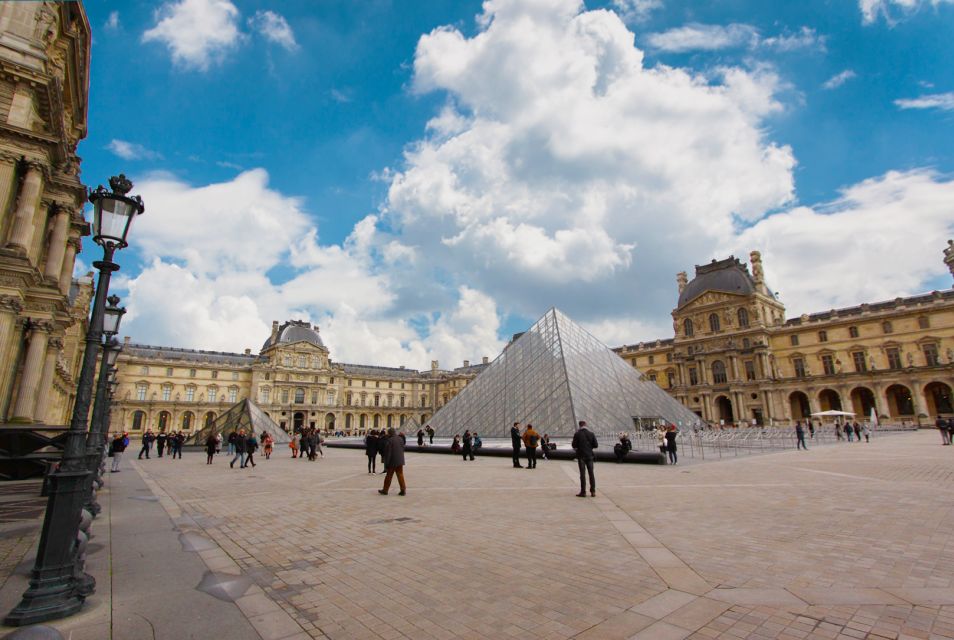
Once you’re inside, the tour steers you toward key sculpture galleries early—exactly where most first-time Louvre visits tend to get overwhelmed. Venus de Milo is the obvious magnet, but the point of the tour isn’t just seeing her. It’s learning what to notice once you’re close.
With a guide, Venus becomes less of a famous silhouette and more of an object with artistic choices you can spot: how form and surface work together, and why this kind of Greco-Roman sculpture kept influencing artists long after its time.
Then you move on to the Winged Victory of Samothrace, the statue that practically defines Hellenistic drama in stone. Up close, it’s easier to understand why people get emotional about it. Your guide’s commentary helps you see the “motion” of the figure—not by magic, but by how the sculptor treats stance, drapery, and balance. It’s the difference between a quick glance and a real viewing.
If you’re traveling with kids, you’ll probably appreciate how the tour keeps explanations moving. Several guides on this experience (including names like Sally, Melvin, and Camille from recent tours) are praised for storytelling that holds attention in a museum that can otherwise feel too big to absorb.
The Mona Lisa Stop: More Than a Checkmark
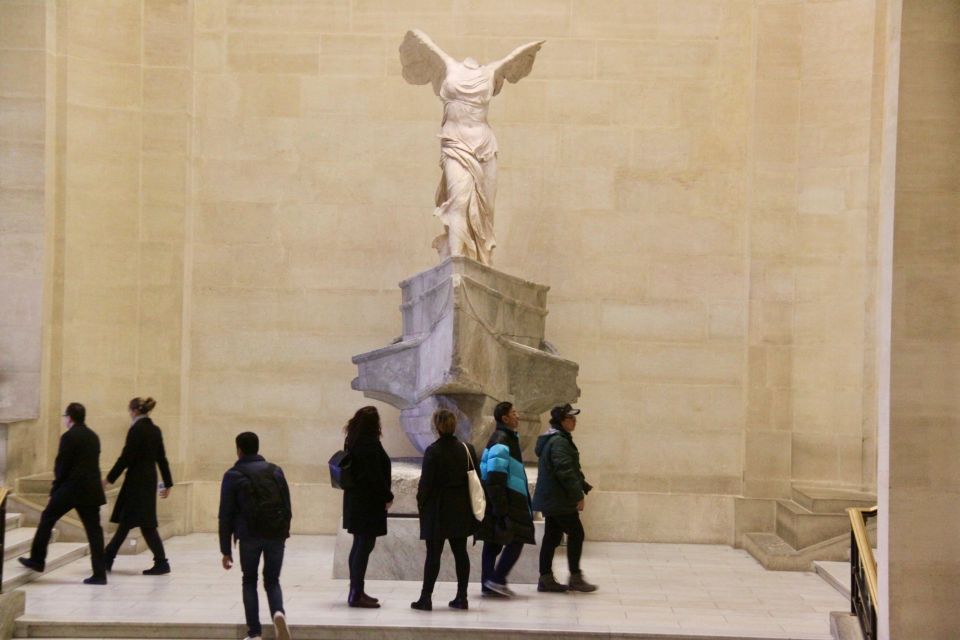
The Mona Lisa is famous for a reason, but standing there without context can feel like you’re in a human traffic jam. This tour’s value is that the guide talks you through the painting’s story and why it became globally famous.
You’ll hear about the dramatic theft in 1911 and how that event helped cement the Mona Lisa’s reputation worldwide. That matters because the painting isn’t only about technique—it’s also about how a painting turns into a cultural object over time.
The guide’s role here is to help you look with patience. Instead of sprinting from one photo angle to another, you’re guided toward understanding what makes this portrait so hard to reduce to one simple description. And since it’s a highlights route, you’ll also have more than one moment to compare: you’ve just seen major sculpture, then you shift into Renaissance portraiture. That contrast is part of what makes the Louvre click.
One operational note: the tour information says that once you’ve exited the wings and are under the pyramid, you can’t re-enter the rooms. In other words, you should plan to treat the Mona Lisa portion as your final “must-see” moment during the guided part, because after that, you’re largely in exit-and-explore mode.
Underground Galleries and the Louvre’s Medieval Foundations
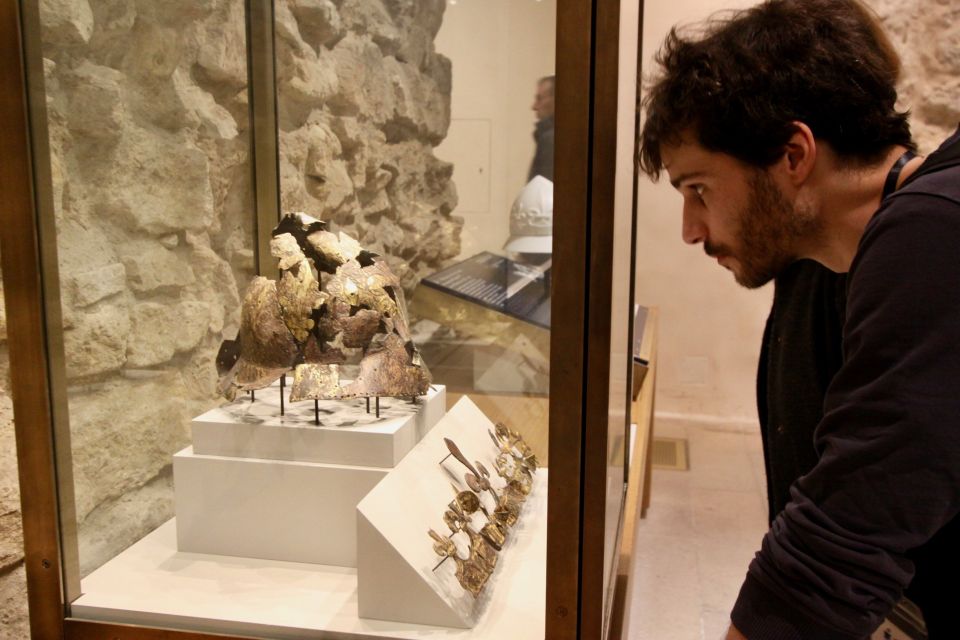
Not all the magic is above ground. The tour includes a look at the Louvre’s layers of time, including underground galleries where you can see remains of the original medieval fortress and understand how those foundations shaped what became a royal palace—and later a museum.
This is one of the best “aha” parts of the visit because it changes your mental map. After you’ve seen the fortress remains, the Louvre feels less like one building and more like a stack of historical decisions. That context also helps when you’re back outside, because you start noticing the building’s shape and sections as traces of earlier eras.
If you’re the type who likes to connect art to the spaces it sits in, this stop is a strong use of time. Even if you don’t remember every detail, you’ll walk away with a better sense of why the Louvre looks like it does.





Navigation and Group Size: Why It Feels Easier Than Solo

The Louvre is famously difficult to navigate. The museum’s layout is big enough that even determined people end up wandering, losing time, or missing the “this is why this is important” context.
This tour’s structure helps in two ways. First, the highlights route keeps the stops purposeful, so you’re not spending 45 minutes deciding which wing to enter. Second, the headset system makes it easier to stay oriented. When you can hear your guide well, you’re less likely to drift or fall behind.
The group size cap of 20 also makes a difference. Smaller groups are easier for a guide to manage, and they’re easier for you to track visually. You’ll still want to pay attention when the crowd thickens—one review experience notes it’s possible for a guide to get temporarily lost in a popular space—but the overall setup is built to reduce that risk.
After the Tour: Spend Time Wisely Around the Mona Lisa Area
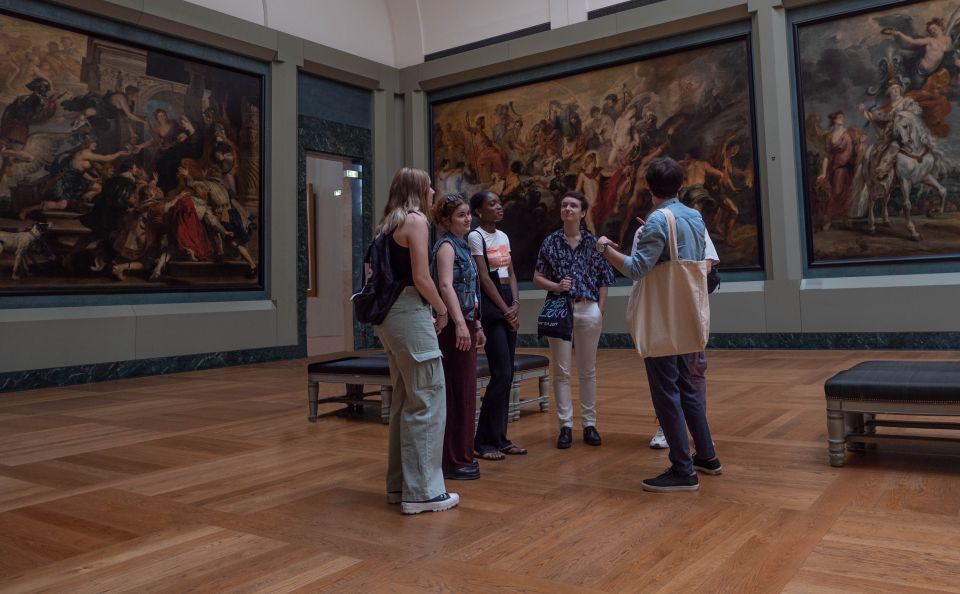
At the end of the guided route, you’re typically left with time to explore. This is where you can tailor the Louvre to your taste. Want more painting time? Go where your guide’s stops pointed you. Want more sculpture? Shift into rooms that match the vibe you felt at Venus and Winged Victory.
Keep the “can’t re-enter” rule in mind. Once you’ve moved into the final transition zone under the pyramid after exiting the wings, you can’t go back into the rooms you just came from as part of the guided route. So, if you’re the sort of person who likes to linger, linger earlier—during your guided visit—when you still have access.
Also, if you’re going in summer, the museum is busier than usual due to visitor numbers. That doesn’t mean the tour is a bad idea. It means you should treat this as a strategic day: see the highlights with a guide first, then use your remaining energy for the parts you want to revisit.
Price and Value: Is $116 Worth It?
$116 for a 1–2 hour guided highlights tour in the Louvre sounds like a splurge until you think about what you’re buying: time, direction, and interpretation.
Without a guide, you can absolutely see the big names on your own. But the Louvre is so vast that many visitors end up with a list of photos and not much understanding. Here, you’re paying for the translation layer: why Venus de Milo matters, what Hellenistic expression looks like in three dimensions, and how the Mona Lisa’s history connects to its global fame.
You’re also paying for the hardest-to-fix problem at the Louvre: getting in efficiently. The skip-the-line benefit isn’t just convenience—it’s a way to protect your limited time. If your goal is to hit the big masterpieces and actually understand them, the value is strong.
For me, this feels like the best type of museum tour: not a long lecture, not a sprint, and not a random route. It’s a controlled sampling of the Louvre’s most famous works plus a bit of structural context (including the underground medieval remains) so you don’t leave feeling like you only saw icons.
Who Should Book This Louvre Highlights Tour
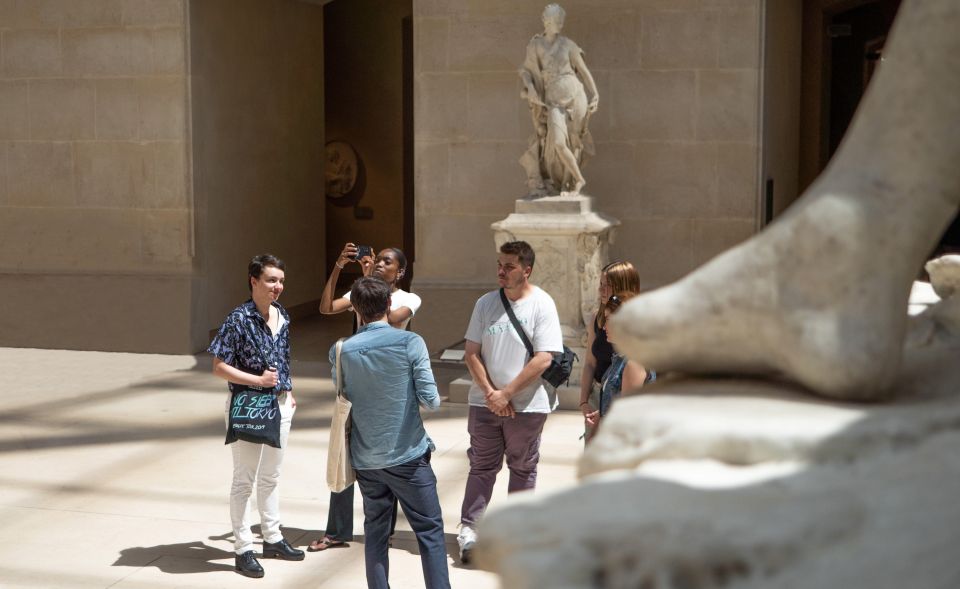
This tour is a great fit if you:
- Are visiting the Louvre for the first time and want to avoid decision fatigue
- Want to see Mona Lisa, Venus de Milo, and Winged Victory of Samothrace without losing hours
- Like explanations that make art easier to “read,” not explanations that only an art degree understands
- Prefer a small group (up to 20) and clear audio (headsets)
It’s not a match if you need wheelchair access or have mobility limitations, since the tour details note the elevators are not set up for this itinerary.
Should You Book This Louvre Highlights Tour?
I’d book it if you’re short on time and you want the Louvre to make sense while you’re standing in front of the works. The combination of fast-track entry, headset audio, and a guide who can connect story to object makes it far more satisfying than going in blind.
I’d skip or look for an alternative if you can’t handle stairs or walking. And if you hate crowds, know that you’re still going to the most popular museum zones; this tour helps you manage the crowds with planning, but it doesn’t erase them.
If you’re aiming for a smart first Louvre visit, this is one of the most practical ways to turn a famous museum into a memorable one—without spending your day stuck in the wrong line or the wrong wing.
FAQ
Where do we meet for the tour?
You meet at the Arc du Carrousel du Louvre just outside the museum. Meeting point may vary depending on the option booked, so confirm your exact start location.
How long is the Louvre tour?
The duration is listed as 1 to 2 hours. Starting times depend on availability.
Does the tour include skip-the-line entry?
Yes. The tour includes Louvre Museum pre-reserved entry ticket and skip the ticket lines through a separate entrance.
Is the tour in English?
Yes, the guided tour is in English, and headsets are included so you can hear the guide better.
What masterpieces will we see?
The tour highlights include the Mona Lisa, Venus de Milo, and Winged Victory of Samothrace, along with other major works across ancient civilizations and later periods.
Will there be time to explore after the guided portion?
The tour brings you through the museum highlights route and ends at the Mona Lisa area with explanation, and you can explore afterward as long as you stay within the areas you’re allowed to access. The information also notes you cannot re-enter rooms once you exit the wings and are under the pyramid.
What should I bring, and what can’t I bring?
Bring a passport or ID card and wear comfortable shoes. Luggage or large bags aren’t allowed, and non-folding strollers aren’t allowed.
Is the tour accessible for wheelchair users?
The tour is not suitable for people with mobility impairments. The information notes it cannot accommodate people in wheelchairs due to elevator location.
What happens if I’m late?
If you’re late, the tour notes you won’t be able to receive a ticket because it’s a group booking.
Is free cancellation available?
The activity details state free cancellation up to 24 hours in advance for a full refund. The additional important information also states it’s non-refundable and cannot be rescheduled, so check your specific booking terms before you confirm.