REVIEW · FRANCE
Exceptional visit and tasting of 7 wines
Book on Viator →Operated by CLOS TRIGUEDINA · Bookable on Viator
The best part of this two-hour visit is the full path from vineyard to cellar to glass. At Clos Triguedina, you are shown the estate’s terroirs, family story, winemaking spaces, and aging cellar before tasting seven wines from the range, including one older vintage.
I like the tasting’s generous format, and I like that the wines come with small amuse-bouches rather than being served alone. The main consideration is the setting: this is a focused estate visit in Vire-sur-Lot, not a broad tour of the Cahors wine region, so you will want your own plan for getting there.
In This Review
- Key points
- Starting at Clos Triguedina in Vire-sur-Lot
- Walking the vineyards and learning the terroirs
- The museum and the family story
- Seeing the winemaking and aging cellar
- Tasting seven estate wines with amuse-bouches
- What the seven-wine format means for you
- Group size, timing, and who will enjoy it
- Is $29.79 a fair price?
- Booking details and cancellation
- Should you book Clos Triguedina?
- FAQ
- Where does the Clos Triguedina experience begin?
- What time does the visit start?
- How long does the experience last?
- Where does the activity end?
- How many wines are included?
- Is food included?
- Is the experience offered in English?
- What is the cancellation policy?
Key points
- Seven wines in one sitting: The tasting includes six current selections plus one old vintage from the estate.
- A full estate visit: You move through the vineyards, museum, winemaking area, and aging cellar.
- Small food pairings included: Amuse-bouches accompany the tasting and help make the wines easier to compare.
- Small group size: The maximum is 16 people, which should suit visitors who prefer a more contained visit.
- English offered: The experience is available in English, with the tour beginning at 10:00 a.m.
- Good price for the format: At $29.79 per person, the fee covers the guided visit, seven wines, and snacks.
Starting at Clos Triguedina in Vire-sur-Lot
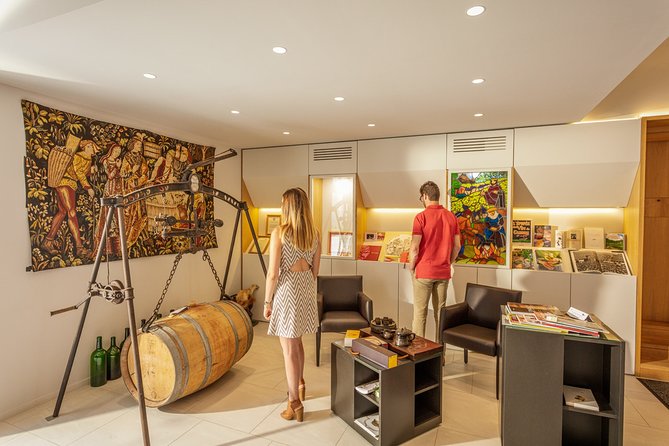
You begin at 19 Impasse Triguedina, in Vire-sur-Lot, France. The meeting point is also where the activity ends, so there is no need to arrange a second pickup point or find your way back after the tasting.
The start time is 10:00 a.m., a useful hour for a wine visit. You can make this your first major stop of the day, then continue exploring the area afterward. Since the experience lasts about two hours, it takes up a clear part of your morning without swallowing the whole day.
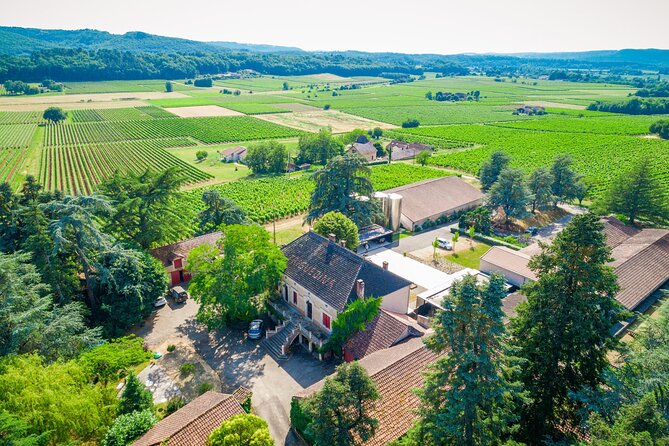
The estate is called Clos Triguedina, and the visit centers on the property itself. That matters because you are not simply shown bottles and seated for a tasting. The program connects the wines with the place where they are made, the family that runs the estate, and the different terroirs that shape the range.
No individual guide name is provided, so you should not book this expecting a specific host. The official language offered is English, which removes one common worry for international visitors.
You can also read our reviews of more food & drink experiences in France
Walking the vineyards and learning the terroirs
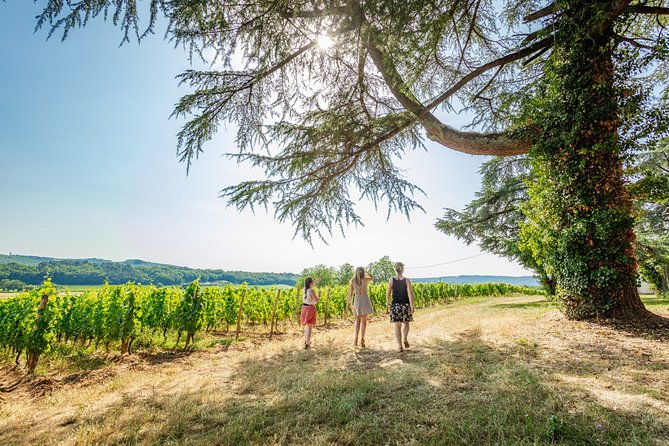
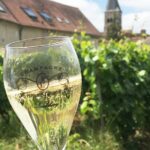
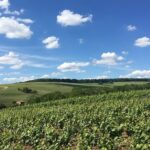
The visit begins with a guided look at the vineyards. This gives you a useful starting point before the tasting, since you can first consider the growing conditions and the estate’s different terroirs, then see how those ideas appear in the wines.
The word terroir can sound abstract when it is only explained over a tasting table. Here, the tour gives it a physical setting. You are shown the vineyard areas and hear how the estate understands its land. The information provided does not give a detailed list of soil types, grape varieties, or individual vineyard plots, so you should expect a general estate explanation rather than a technical field study.
That balance will suit most people who want context without a full viticulture course. If you already know the region’s wines in great detail, you may want more precise information about parcels, yields, or production methods. Those details are not promised.
Still, the vineyard section has a clear purpose. It prepares you to taste with more attention. Instead of asking only if you like a wine, you can think about where it comes from and how the estate’s approach carries through the bottle.
The museum and the family story
The route continues to the museum, where the family and the estate’s past are explained. This part gives the visit a human side. Wine is not only a finished drink, and the museum helps connect the bottles with the people and traditions behind them.
The information supplied does not specify the museum’s objects or displays, so I would not promise a large collection or a long historical presentation. Think of it as one part of a compact estate visit, not a separate museum tour.
That is useful for first-time visitors because it helps you understand why a family property presents its wines in a particular way. You get a sense of continuity, the estate’s identity, and the place it gives to its own story. If your main interest is tasting rather than family background, this section should remain manageable within the two-hour schedule.
The museum also breaks up the visit nicely. You are not standing in one room for the entire morning. The movement from vineyards to museum to production areas gives the experience a clear rhythm.
Seeing the winemaking and aging cellar
Next comes the winemaking and aging cellar. This is where the visit moves from the source of the grapes to the work that turns them into finished wine.
The distinction between winemaking and aging is worth noting. You are given a look at both the production side and the place where wines develop over time. That makes the later tasting more useful, especially when one of the seven wines is an old vintage.
An older wine can show you what time changes. It may have a different balance, texture, or aroma from a younger bottle, though the exact vintage and tasting notes are not given in advance. The important point is that the old vintage is part of the planned tasting, not an optional purchase after the tour.
The cellar visit also provides some practical context for the price. At $29.79 per person, you are paying for more than seven pours. The fee includes access to the estate visit, the explanations of production and aging, and small snacks with the tasting. For someone already interested in wine, that is a fair package.
You should keep your expectations in check. This is a short visit, so the cellar explanations cannot cover every production detail. The tour is designed to give you a clear overview, not train you as a winemaker.
Tasting seven estate wines with amuse-bouches
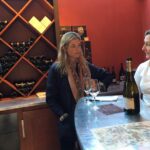
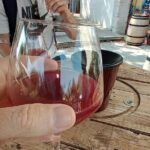
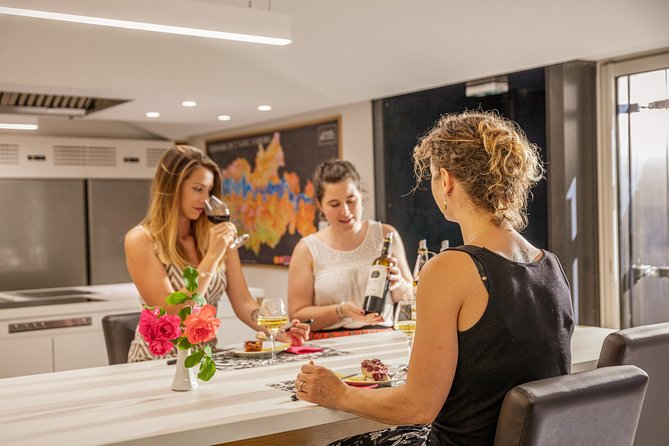
The tasting is the payoff, and seven wines is a strong number for a two-hour experience. You taste across the estate’s range, then finish with one older vintage. That format gives you a chance to compare several expressions rather than judge one bottle in isolation.
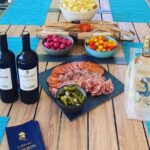
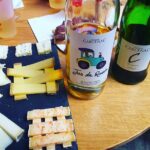
The small amuse-bouches are included. The sample menu describes them as snacks selected according to the tasting, so the exact food is not fixed. That is a sensible approach: the pairings can be chosen to suit the wines being poured rather than forcing every group into the same menu.
One especially useful detail is that the food is not treated as an afterthought. Small bites help clear the palate, soften the effect of alcohol, and show how wine behaves with food. They also make the tasting feel more complete than a series of glasses served on their own.
You should not book this expecting a full meal. The included food is described as snacks and amuse-bouches, so plan lunch separately if you need something substantial afterward.
The strongest praise for the experience focuses on the combination of very good wines and well-matched small bites. That is the part I would give the most weight when deciding. A tasting can be informative but still feel thin if the pours are modest or the food is an afterthought. Here, the seven-wine format and accompanying snacks make the core activity feel generous for the price.
You can also read our reviews of more wine tours in France


What the seven-wine format means for you
Seven wines sounds simple, but the structure matters. A tasting of two or three wines can leave you with only a quick impression. Seven gives you more room to notice differences across the estate’s range.
You can compare the wines as the tasting moves along, then use the older vintage as a reference point. The experience should be particularly appealing if you want to understand how one producer handles several styles or stages of development.
The available information does not state the precise order of the wines, the grape varieties, serving sizes, or the identity of the old vintage. You may want to ask the host those questions during the visit. That is the best way to turn a pleasant tasting into a more useful lesson.
There is also a practical limit. Seven wines in roughly two hours means the visit may feel fairly structured. You will have time to listen, taste, and ask questions, but this is not an all-afternoon cellar conversation.
Group size, timing, and who will enjoy it
The maximum group size is 16 people. That is small enough to keep the visit more contained than a large coach tour, while still allowing a social tasting atmosphere.
A group of this size can affect the experience in two ways. It should give the guide a reasonable chance to explain the estate and answer questions, but the quietest or most technical conversations may be harder if everyone wants to speak at once. The listing does not promise a private tour.
Most people can take part, and service animals are allowed. No special fitness requirement is stated, though the visit includes a guided vineyard section and movement around the estate. If you have a mobility concern, contact Clos Triguedina before booking because the available information does not describe the walking surface or cellar access.
I would recommend this experience to:
- Wine drinkers who want a compact estate visit
- Couples looking for a morning activity with food included
- Visitors who enjoy family-run property stories
- People curious about the difference between young and older wine
- English-speaking visitors seeking a guided tasting in France
It may be less suitable if you want a full regional tour, a large meal, or detailed technical instruction on every vineyard plot.
Is $29.79 a fair price?
At $29.79 per person, the price is easy to justify if you plan to taste wine anyway. You receive a guided tour of several parts of the estate, seven wines, and snacks. The inclusion of one old vintage adds extra interest because older bottles often provide the clearest sense of how a producer’s wines change with time.
The value is also helped by the two-hour length. You are not paying for a brief welcome and two sample pours. The program has several distinct parts, from the vineyards to the museum, production spaces, cellar, and tasting table.
The price does not include purchases after the service. That is standard for a winery visit, but keep it in mind if you expect to buy bottles. Your tasting fee covers the experience, not any wine you choose to take home.
I would call the price good rather than unusually cheap. The value depends on your interest. If you care about wine and want the estate context, it is a sensible spend. If you only want a quick drink, you may not use the vineyard, museum, and cellar portions enough to make the fee worthwhile.
Booking details and cancellation
You receive a mobile ticket, and confirmation is sent within 48 hours of booking, subject to availability. Because the group is limited to 16 people, book ahead if the 10:00 a.m. time is important to your plans.
Free cancellation is available when you cancel at least 24 hours before the start time. Cancellations made less than 24 hours ahead are not refunded, and changes inside that period are not accepted. The cut-off follows local time in France.
The activity returns to the starting point at 19 Impasse Triguedina. Purchases made after the service are not included, so budget separately for bottles or other items.
Should you book Clos Triguedina?
You should book this if you want a well-rounded estate visit with a serious tasting at its center. The seven wines, old vintage, and amuse-bouches give you more substance than a quick sample session, while the vineyard, museum, and cellar explain where the wines come from.
I would be cautious only if you need a full lunch, a private guide, or highly technical vineyard data. For most wine-minded visitors, the $29.79 fee offers a practical mix of place, production, family story, and tasting. The best reason to go is simple: you get to follow the wine from the property itself through the cellar and into seven glasses, with enough food to keep the tasting comfortable.
FAQ
Where does the Clos Triguedina experience begin?
It begins at 19 Impasse Triguedina, 46700 Vire-sur-Lot, France.
What time does the visit start?
The stated start time is 10:00 a.m.
How long does the experience last?
The visit lasts approximately two hours.
Where does the activity end?
The activity ends back at the meeting point.
How many wines are included?
The tasting includes seven wines from the estate’s range, including one old vintage.
Is food included?
Yes. Snacks are included, with amuse-bouches served according to the tasting.
Is the experience offered in English?
Yes. English is one of the offered languages.
What is the cancellation policy?
You can cancel at least 24 hours before the start time for a full refund. Cancellations or changes made less than 24 hours before the experience are not accepted for a refund.