REVIEW · NORMANDY
Découverte Bénédictine
Book on Viator →Operated by PALAIS BENEDICTINE · Bookable on Viator
The most surprising part of this Fécamp visit is the building itself. The Palais de la Bénédictine looks like a storybook castle, with spires, campaniles, Gothic details, and Renaissance decoration. Inside, you trace Bénédictine from sacred art and an old monastic recipe to a working distillery and cellar.
I like the self-guided museum time, which lets you set your own pace, and the chance to see the 19th-century hammered copper stills during the guided distillery visit. At $12, the mix of architecture, art, production, and tasting is strong value. The main caution is language: the guided part may not suit you if you need English throughout, since one visitor reported that the visit was only in French.
In This Review
- Key points to know before you go
- A castle-like palace devoted to one liqueur
- Start with sacred art and the monk’s legendary recipe
- See the only Bénédictine distillery in the world
- Enter the cellars and connect the old methods to the final drink
- Finish in the Winter Garden with a tasting
- Leave time for the palace shop
- Is $12 good value for 90 minutes?
- Timing, tickets, and access details that matter
- Who will enjoy this Fécamp visit most?
- Should you book the Palais Bénédictine experience?
- FAQ
- Where does the Palais Bénédictine experience start?
- How long does the visit take?
- Is the Bénédictine tasting included?
- Can children join the experience?
- Are museum materials available in English?
- Can I cancel for a full refund?
Key points to know before you go
- The palace is part of the experience: This is not a plain factory tour. The building itself is an ornate Gothic and Renaissance showpiece.
- The museum comes first: Use the multilingual leaflet to explore religious art, old books, sacred objects, and Bénédictine’s industrial past.
- The distillery tour is guided: You will see hammered copper stills from the 19th century and the cellars where traditional methods are still used.
- The recipe has a colorful origin story: The tour explains the legend of Dom Bernardo Vincelli and the later role of Fécamp merchant Alexandre Le Grand.
- The tasting is for adults over 18: It takes place in the palace’s Winter Garden, with café items and a specialty shop nearby.
- Allow about 90 minutes: Morning and afternoon departures are available, and the group can include up to 48 people.
A castle-like palace devoted to one liqueur
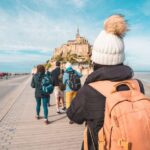
At 110 Rue Alexandre le Grand in Fécamp, the Palais Bénédictine makes an immediate impression. It was built at the end of the 19th century by Alexandre Le Grand, a Fécamp wine merchant who found an old Bénédictine recipe in an abbey library.
The architecture was designed to honor the liqueur. You see tall campaniles, pointed spires, stone carvings, and a mix of Gothic and Renaissance ideas. It is theatrical without being a replica of one single period. That makes the first part of the visit feel more like entering a private palace than entering a production site.
I would give yourself a few minutes outside before heading in. The exterior helps explain why the building is such an important part of the attraction. The story is not only about what is in the bottle. It is also about how one local product became important enough to receive its own grand home.
The palace is in Fécamp, a Normandy destination that can fit well into a day of coastal sightseeing. Transport is not included, so you need to make your own way to the address. The site is near public transportation, and a mobile ticket is accepted, which keeps the arrival simple.
You can also read our reviews of more tours and experiences in Normandy.

Start with sacred art and the monk’s legendary recipe
The first section is self-guided. You receive a leaflet in French, English, Italian, Dutch, Spanish, Russian, or German, then move through the museum at your own speed.
This part covers religious and ancient art connected with Benedictine heritage. Look for gilded chalices, illuminated books, and other sacred objects. These pieces give the liqueur a setting that is quite different from a normal spirits museum. You are not just reading about ingredients and bottling. You are also seeing the religious world tied to the product’s origin story.
The museum also includes a room focused on the industrial history of Bénédictine. This helps connect the old monastery tale with the later commercial operation in Fécamp. If you tend to rush through museums, I would slow down here. The art collection is one of the details that makes this visit feel broader than a standard tasting stop.
The story begins with Dom Bernardo Vincelli, a Benedictine monk from Venice. According to the tradition presented at the palace, he created a healthful elixir from 27 herbs and spices gathered from around the world.
The next major figure is Alexandre Le Grand. In the 19th century, he discovered the recipe in an abbey library and began producing the liqueur. The tale has the kind of dramatic arc that works well in a museum: an old monastic formula, a fortunate discovery, and a Fécamp businessman who turns it into a lasting local product.
You should treat this section as an introduction rather than a technical lesson. The museum establishes the people, symbols, and setting. The distillery visit later explains how the drink is made.
See the only Bénédictine distillery in the world
After the self-guided portion, a guide leads you into the distillery. This is the more structured part of the experience, and it lasts within the overall visit of about one hour and 30 minutes.
The key sight is the collection of 19th-century hammered copper stills. They give the distillery a strong sense of place and show that traditional equipment remains central to the story. You learn how the spirit is produced, how its ingredients are sourced from different parts of the world, and how the process connects to the recipe associated with Dom Bernardo Vincelli.
The guided format is useful here. A still or cellar can look like a piece of old machinery if you do not know what you are seeing. The guide provides the context that the museum leaflet cannot always supply. You can ask questions if the language of the tour works for you, and you get a clearer picture of how the palace’s historical story relates to the drink being made.
There is one practical point to check before booking. The supplied information does not name the guide or promise a particular language for the guided portion. One poor review specifically complained that the visit was only in French and that a QR code repeatedly disconnected, possibly because of a weak signal inside the old building.
The multilingual leaflet covers the self-guided museum, but that does not necessarily mean the live distillery explanation is available in all those languages. If English instruction is essential, contact the Palais Bénédictine before reserving. This is the one issue that could change the value of the visit for you.
Enter the cellars and connect the old methods to the final drink
The tour continues into the cellars, where you learn about traditional cellaring techniques. The supplied details do not specify the exact cellar route or the length of time spent there, so you should expect an explanatory visit rather than a long production workshop.
Still, this stop matters. It shows that Bénédictine is not presented only as a historical recipe on a display panel. The cellar is part of the working identity of the product, and the old stills and storage methods help make the visit feel tied to the present operation.
You also learn that the ingredients are sourced from around the world. That detail gives useful scale to the drink’s identity. Bénédictine may be closely associated with Fécamp, but its recipe depends on a much wider network of herbs and spices.
I like this balance between local and international context. The palace tells a Fécamp story, yet the ingredients point well beyond Normandy. You can see how a product can be rooted in one town while drawing on materials and ideas from many places.
Finish in the Winter Garden with a tasting
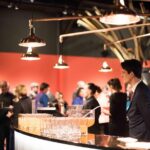
The tasting takes place in La Verrière, described as the Winter Garden. This is a pleasant change of mood after the museum, stills, and cellars. Instead of ending with a sales counter, the visit gives you a place to sit with the product you have just learned about.
The tasting is included in the admission price, but only adults over 18 may take part. Alcohol products can also be sold only to adults over 18. Children may attend when accompanied by an adult, but they will not receive the liqueur tasting.
The experience does not state how many pours are included or whether other Bénédictine variations are offered. Plan on a straightforward introduction to the signature spirit rather than a large tasting flight. The setting is likely to be as important as the quantity: the Winter Garden provides a more relaxed finish than a quick sample at a counter.
The café can also sell pastries and drinks. Lunch is not included, so this is better viewed as a place for a small snack or refreshment than as a full meal stop. If you want to make the most of the visit, leave a little extra time after the official 90 minutes for the café and shop.


Leave time for the palace shop
The retail shop carries Bénédictine products and souvenirs, including distinctive bottlings that may not be easy to find elsewhere. The available information does not provide a full product list, so I would not promise a particular bottle or gift.
Still, the shop is worth a look if you collect spirits, want a practical souvenir, or are searching for something tied directly to Fécamp. Buying here also gives the visit a clear final stage: you have seen the palace, learned the story, watched the traditional equipment, tasted the liqueur, and then decided what you want to take home.
You do not need to treat the shop as compulsory. The ticket already includes the museum, guided distillery visit, and tasting. That makes the retail area an optional extra rather than a hidden part of the price.
Is $12 good value for 90 minutes?
At $12, I consider this a good-value cultural stop, especially if you enjoy historic buildings and local food or drink traditions. A simple tasting can cost a fair portion of that amount, while this ticket also includes access to the palace museum and a guided production visit.
The value depends on what you want from the outing. If you are mainly interested in modern distilling methods or a long technical class, the visit may feel brief. It lasts about 90 minutes and combines several subjects, so none receives the depth of a specialist workshop.
For most people, that variety is the advantage. You get architecture, religious art, industrial history, a local origin story, stills, cellars, and a tasting in one compact visit. The price also makes it easier to add to a larger Normandy itinerary without committing half a day or spending heavily.
The group can include up to 48 people. That is a moderate-sized group rather than a private tour. The museum portion gives you some freedom to spread out, but the guided distillery and cellar sections may feel more crowded when the full group moves together.
Timing, tickets, and access details that matter
You can choose a morning or afternoon departure. I would match the visit to your other plans in Fécamp, since no transportation is included and you are responsible for reaching the palace.
Confirmation is provided at booking, and the mobile ticket is convenient. The last admission is one hour before closing, so do not arrive near the end of the day and assume you can still complete the full visit.
A lift is available for people with disabilities, and service animals are allowed. The activity is described as suitable for most people, though the information does not give detailed guidance about every cellar or museum surface. If you have specific mobility needs, ask the palace directly before booking.
Cancellation is free up to 24 hours before the local start time. Cancel at least 24 hours ahead for a full refund. Inside that window, the payment is not refunded, and changes are not accepted.
Who will enjoy this Fécamp visit most?
I would recommend the Palais Bénédictine to you if you like local specialties with a strong sense of place. The visit is especially suited to adults who want a tasting but also want something more substantial than a drink and a sales pitch.
It also works well for architecture fans. The palace is one of the main attractions, and the blend of Gothic and Renaissance details gives you plenty to look at before the production tour even begins.
Families can attend, provided children are accompanied by an adult. Just remember that the central tasting is restricted to people over 18. A child may find the ornate building and old stills interesting, but the visit is built around an alcoholic product, not a children’s activity.
I would be more cautious if you need a fully English-language guided tour. The printed museum material is available in several languages, including English, but the live tour language is not clearly guaranteed. Confirm that point before paying if it will affect your enjoyment.
Should you book the Palais Bénédictine experience?
Book it if you are visiting Fécamp and want a compact, affordable stop that combines a remarkable building with a local product. The $12 price, included tasting, museum access, and guided look at the only Bénédictine distillery in the world make a convincing package.
You can skip it if you have little interest in liqueur, religious art, or historic industrial equipment. Also think twice if a French-only guided explanation would be frustrating for you. For everyone else, this is a well-shaped 90-minute visit with enough variety to feel worthwhile, and the palace itself is reason enough to consider it.
FAQ
Where does the Palais Bénédictine experience start?
The visit starts at 110 Rue Alexandre le Grand, 76400 Fécamp, France. The activity ends back at the meeting point.
How long does the visit take?
The experience lasts approximately one hour and 30 minutes. You may want extra time afterward for the café and retail shop.
Is the Bénédictine tasting included?
Yes. The ticket includes a Bénédictine liqueur tasting in the Winter Garden. Tastings are available only to adults over 18.
Can children join the experience?
Yes. Children must be accompanied by an adult, but they cannot take part in the alcoholic tasting because tastings and alcohol sales are limited to people over 18.
Are museum materials available in English?
Yes. The self-guided tour leaflet is available in English, French, Italian, Dutch, Spanish, Russian, and German. The guided distillery tour language is not specified, so check before booking if you require English.
Can I cancel for a full refund?
Yes. You must cancel at least 24 hours before the experience’s local start time for a full refund. Cancellations or changes made less than 24 hours before the start are not accepted for a refund.