Nine wines, one organic cellar story. At Château de la Selve in Grospierres, you walk the winemaking stages from the vineyards by the château to the cellar, and you finish by tasting nine estate vintages as part of a guided visit. It’s a focused, hands-on way to understand what goes into organic wine.
I like that the experience covers how the wine is actually made, including stops around the production spaces. One possible drawback: the tour is generally in French, though the guides speak good English, so you’ll want a little patience if your French is rusty.
In This Review
- Key highlights you’ll care about
- A 2-hour tasting route through Château de la Selve
- What you’ll taste: nine vintages in the cellar
- Vineyard to vat room: seeing organic winemaking in real steps
- Amphora breeding and barrel tasting: the production moments that stick
- English-friendly (mostly): how the French-first format plays out
- Price and value: is $14.38 a good deal here?
- Should you book this organic wine estate tour?
- FAQ
- How long is the Château de la Selve tour?
- What language is the tour offered in?
- Is the tasting included in the ticket price?
- What wines will I taste?
- Where do I meet for the tour?
- Is it a private tour?
- Can I cancel for a full refund?
Key highlights you’ll care about
- Nine estate vintages tasted in the cellar, giving you a real feel for the house style over time
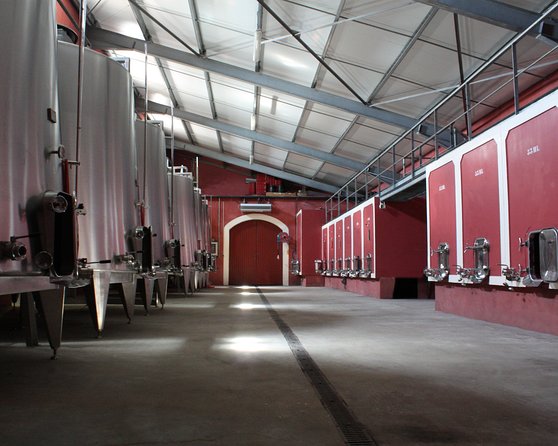
- Historic estate walkthrough from vineyard area near the château through the production rooms and down to the cellar
- Organic winemaking explained in plain terms through the process, not just slogans
- Amphora breeding and barrel moments that make the method feel tangible
- Good English support even when the flow is French-first
A 2-hour tasting route through Château de la Selve
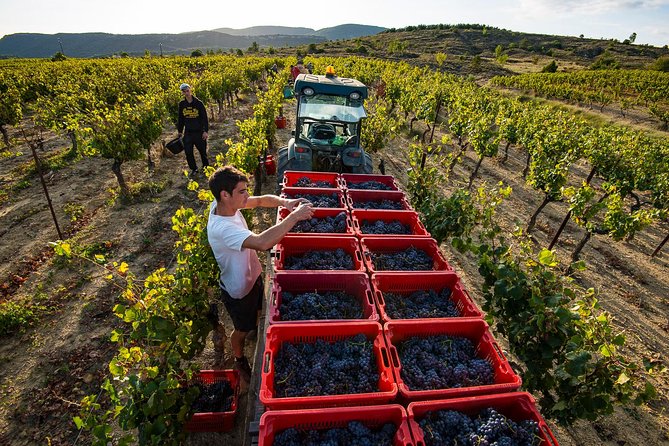
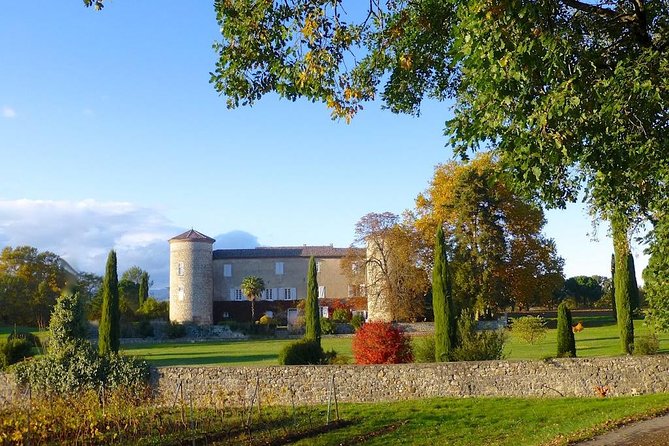
This is a 2-hour experience that’s designed to move at a good walking pace without turning into a long, slow museum visit. You meet at Château de la Selve, 3120 route d’Alès, 07120 Grospierres, then your route keeps you fairly close to the estate—vineyard area near the château, production rooms, and finally the cellar where the tasting happens.
What makes this time length work is that it’s built around a tight storyline: how grapes become wine, and how organic choices show up during the process. You’re not just looking at barrels or posing for photos. You’re getting a tour that follows the physical steps of winemaking.
Because it’s listed as a private tour/activity, it’s only your group. That matters if you want to ask questions without the usual awkward wait while a guide repeats the same thing for everyone.
Practical note: you’ll have a mobile ticket, and the experience ends back at the meeting point. So you can plan dinner soon after—this tour doesn’t swallow your whole afternoon or morning.
You can also read our reviews of more tours and experiences in France.

What you’ll taste: nine vintages in the cellar
The tasting is the payoff. You’ll get to taste nine different vintages from the estate—not just a couple of quick pours. That’s the kind of set-up that helps you notice how the same producer can make wine with different character year to year.
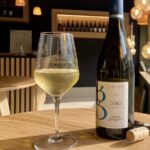
One detail worth planning around: the tour includes tasting of white, rosé, and red wines. Even if you think you prefer one color, this mix is useful. It helps you map what the estate does best across its range, and you’ll probably leave with a clearer sense of what style you actually want to buy back home.
Also, tasting in the cellar makes sense for a reason. You’re not sipping wine in an empty room. You’re hearing the method explained, walking through the spaces where it happens, and then tasting in the environment built for it. It’s easier to connect the words to what’s in your glass.
Tip: go in with a relaxed mindset. Nine tastings sounds like a lot, but the tour is structured, and you’re guided through it. If you’re the type who tends to taste extremely slowly, just lean into the pace the guide sets so you don’t rush the rest of your afternoon.
Vineyard to vat room: seeing organic winemaking in real steps
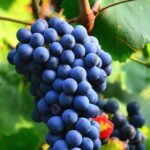
The tour starts by taking you through the estate’s winemaking stages, beginning with the vineyards near the château. This matters because it gives you the starting point for the story. You’re not jumping straight into cellars and tanks without any context for where the grapes come from.
From there, you move into the production side—specifically the vat room. This is where the process becomes less abstract. You can learn how organic winemaking is approached as part of how the wine is handled before it reaches the next stages.
You’ll also hear about how the estate thinks about organic wine as a system, not just a label. Even if you only catch parts of the explanation (and yes, the tour is generally French-first), the physical sequence still makes sense: fruit arrives, the wine is handled in vats, then it transitions into aging formats.
A small but helpful reality check: if you’re allergic to fermentation talk or you only want scenic views, this won’t be a pure sightseeing stop. It’s a working wine education experience, and the guide stays focused on the process.
Amphora breeding and barrel tasting: the production moments that stick
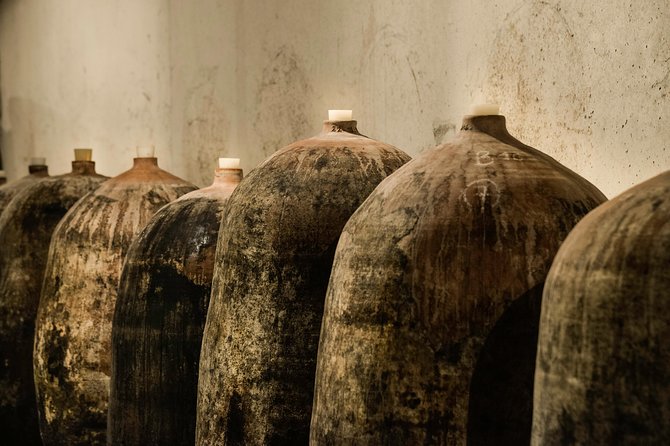
Here’s where the visit gets especially memorable. You’ll learn about breeding in amphora, which is a distinctive aging method and a great way to understand how the estate shapes texture and character. Amphora talk isn’t just jargon in this tour—it’s part of the logical path from making to aging.
Then you get a special moment: the chance to taste from a barrel. That’s a different tasting experience than the final bottled wines. You’re tasting something in progress, and it makes the whole story feel more real.
This combination—amphora breeding plus barrel tasting—does something valuable for your brain. It connects the earlier steps (vineyards and vats) to what happens later (aging). When you finally taste the estate’s finished wines in the cellar, you can better notice how the aging choices show up.
Watch for this: if the guide explains things quickly in French, the most reliable way to follow along is to keep your eyes on what’s in front of you. You don’t need every word to understand the sequence. The guide’s explanations make sense because you’re physically standing in the right place for each step.
English-friendly (mostly): how the French-first format plays out
The tour is generally in French, but guides speak good English. That’s a strong combination, because it means you’re not stuck in a fully one-language experience. Still, I’d plan for some moments where French leads the flow.
In practice, this usually means you’ll benefit most if you’re comfortable with wine vocabulary at a basic level—words like vintage, tasting, cellar, and the production rooms. If you want zero language stress, arrive with a friendly attitude, and don’t be afraid to ask the guide to slow down for one key point. Private group format helps here.
You’ll also likely appreciate the guide’s tone. The experience is described as having explanations that are very professional, and the guide is friendly. That’s exactly what you want on a short tour: clarity, not a lecture.
And since the experience is 2 hours, you’ll be able to understand the overall arc even if you miss a few details. Think of it as an organized walk through the winemaking steps, with enough English support to keep you engaged.

Price and value: is $14.38 a good deal here?
At $14.38 per person, this is priced like a value stop, not a luxury tasting event. The key is what’s included. The price comes with the admission ticket, and you’re getting a guided tour plus a tasting session that includes nine vintages and multiple wine types (white, rosé, red).
So the real value question isn’t just the ticket price—it’s how many wines you taste for the money, and how much you learn while you’re tasting. Nine tastings in a structured guided format is a lot of wine education for the cost.
It also helps that the timing is manageable. Two hours is a sweet spot: long enough for a meaningful tour, short enough that you can pair it with other stops in the area without losing your whole day.
One consideration for value seekers: this is most satisfying when you’re open to a process-focused visit. If you mainly want passive scenic wandering with zero production talk, you might feel the time is a bit dense. But if you like hands-on learning, this price lands well.
Should you book this organic wine estate tour?
You should book if you want a compact, guided wine experience that ends with a serious tasting—nine estate vintages—and you like the idea of learning how organic wine is made through the actual spaces where work happens. It’s also a good choice if you enjoy vintages and want to see how the estate’s style shifts across different years.
You might skip it (or consider alternatives) if language comfort matters more than process. Since it’s generally French-first, you’ll want to rely on the fact that the guide speaks good English, but accept that not every word will be perfectly translated.
If you’re trying to decide in one line: book it for the tasting-to-education ratio. This is one of those tours where the walking and the learning pay off fast, and you end with wine in hand.
FAQ
How long is the Château de la Selve tour?
It lasts about 2 hours.
What language is the tour offered in?
The tour is offered in English. It is generally in French, but guides speak good English.
Is the tasting included in the ticket price?
Yes. The tour includes admission, and the experience ends with a tasting in the cellar.
What wines will I taste?
You’ll taste nine different vintages from the estate, including white, rosé, and red.
Where do I meet for the tour?
You’ll meet at Château de la Selve, 3120 route d’Alès, 07120 Grospierres, France, and the tour ends back at the same meeting point.
Is it a private tour?
Yes. Only your group participates.
Can I cancel for a full refund?
Yes, free cancellation is available. You can cancel up to 24 hours in advance of the start time for a full refund.