REVIEW · FRANCE
Visit truffle fields and hunt with a dog in all seasons.
Book on Viator →Operated by Truffes NJP · Bookable on Viator
The best part of this experience is watching a truffle dog work among the trees. At Montagnac, near Montcuq, Jean-Paul explains the trade from soil to table, then lets you take part in a real search with his friendly dog, U2. I like the small private setting and the chance to learn by walking through an actual truffle field, not by looking at displays.
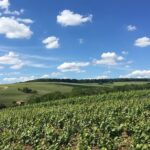
I also like the beautiful, hilly setting, with carefully shaped trees and views that recall Tuscany. The main catch is that truffle tasting costs extra, so the low ticket price does not include the food many people will most want to try. Weather can also affect the visit, and the walk requires a moderate level of fitness.
In This Review
- Key points at a glance
- Walking into the truffle fields near Montcuq
- Learning how French truffles grow
- Watching U2 search beneath the trees
- Topiary, trees, and the Tuscan feel
- What the tasting adds, and what it does not
- A private format with room for questions
- How the experience works in poor weather
- Who will get the most from this visit
- Is the $11.46 price good value?
- Should you book the Montagnac truffle hunt?
- FAQ
- Where does the truffle tour begin?
- Where does the activity end?
- How long does the experience last?
- What is included in the price?
- Is truffle tasting included?
- What will I learn during the tour?
- Is this a private tour?
- Is the tour suitable for people with limited mobility?
- Are service animals allowed?
- What happens if the weather is poor?
- Can I cancel for a full refund?
Key points at a glance

- A real truffle hunt with U2: You watch a family dog locate truffles beneath the trees and learn how the search works.
- Jean-Paul’s practical explanations: The visit covers French truffle species, cultivation, life cycles, storage, uses, and recipes.
- A private two-hour-plus outing: Only your own group takes part, which makes it easier to ask questions and set the pace.
- A striking Quercy setting: The hilly fields and shaped trees give the visit a Tuscan feel.
- Tasting is optional: You can add a tasting for a supplement, or buy truffles afterward and prepare your own meal.
- Good value for curious food lovers: At $11.46 per person, the tour is inexpensive, but the final cost rises if you add tasting.
Walking into the truffle fields near Montcuq

The tour begins at Montagnac, 46800 Montcuq-en-Quercy-Blanc, in France’s Lot area. This is not a town-center food demonstration. You meet at a working truffle property and head into the fields, where the setting is part of the lesson.
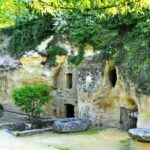
The countryside is notably hilly. Carefully managed trees sit across the slopes, and sections of the property feature topiary art, with trees shaped for both practical and visual effect. You might find the setting more memorable than expected for a short food tour. It has the open, rolling feel often associated with Tuscany, but the subject here is distinctly French: the cultivation of truffles.
The exact meeting point matters. This activity does not begin at a major city attraction, so you should plan your route to Montagnac carefully and allow time to find the address. The tour ends back at the same meeting point, which keeps the logistics simple once you arrive.
The visit is offered Monday through Saturday from 9:00 a.m. to 6:00 p.m. during the listed operating period, February 28 through December 31, 2025. Since the tour depends on suitable weather, check the forecast before setting out and keep some flexibility in your plans.
You can also read our reviews of more tours and experiences in France.
Learning how French truffles grow
Jean-Paul’s talk forms the backbone of the visit. He explains the different species of truffle cultivated and eaten in France, rather than treating every truffle as the same product. That distinction is useful because the word truffle covers several varieties with different qualities, uses, and growing conditions.
You learn about the truffle’s life cycle and the relationship between the underground fungus and the trees above it. The lesson connects what you see in the field with what eventually arrives in a kitchen. This is the part I would value most if you enjoy food traditions, farming, or the quiet work behind regional cuisine.
The black Périgord truffle, Tuber melanosporum, receives particular attention in the property’s presentation. The visit explains how this truffle is cultivated by a dedicated grower, giving you a clearer sense of why a small quantity can command a high price.
The explanations are not limited to farming. Jean-Paul also covers conservation, storage, and ways to use truffles in recipes. That practical material helps you understand what to do with a truffle after buying one. You are not simply told that the ingredient is special. You learn how people preserve it and how it fits into cooking.
Some of the most useful information comes from seeing the trees and soil while the explanation is happening. In a classroom, the life cycle might feel abstract. Here, you can connect the talk to the field around you, the shaped trees, and the dog’s behavior.
Watching U2 search beneath the trees

The dog hunt gives the outing its spark. U2, described as a friendly older dog in one account and a small truffle dog in another, accompanies the family and searches for the scent of truffles beneath the trees.
You can expect Jean-Paul to explain how the dog helps locate the hidden crop. The key point is that truffles grow underground, so a trained dog turns an invisible harvest into something you can follow step by step. When U2 finds a truffle, the moment makes the lesson concrete.
The search is not a staged show with guaranteed results. The dog found several truffles during one visit, but nature and weather control the outcome. That uncertainty is part of the appeal, though anyone expecting a nonstop hunt should keep expectations sensible.
The dog also gives the tour a warm family feel. U2 is not just a working animal in the presentation. The dog is part of the welcome, and the affection between the family and the animal comes through clearly. If you are visiting with children, this may be the detail that keeps younger participants interested while the adults listen to the farming explanation.
The description says digging with a dog is included. That means you are not paying only to watch a lecture. You get to see and take part in the search itself, within the limits of the field and the day’s conditions.
Topiary, trees, and the Tuscan feel

The topiary work adds an unusual visual detail. Some truffle fields use shaped trees, and the property includes this form of tree art. It is not the main subject, but it shows how practical land management can also have a decorative side.
The hilly terrain gives the walk a little physical substance. This is not a difficult expedition, but the operator asks for moderate physical fitness, so you should be comfortable walking through uneven or sloping ground. Wear sensible footwear and dress for outdoor conditions. Those are practical choices, especially because the tour operates in changing weather across much of the year.
The setting also gives you a sense of place. A tasting in a restaurant could explain flavor, but it would not show you the trees, slopes, and working ground where the product begins. Here, the countryside is not background decoration. It helps explain why truffle cultivation takes patience and care.
The word all seasons needs a little context. The experience is presented as a year-round style of activity, but the published operating dates begin on February 28 and run through December 31, 2025. The tour also requires good weather, so availability and conditions can vary.
What the tasting adds, and what it does not

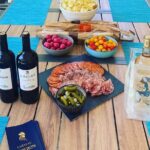
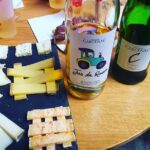
Truffle tasting is not included in the base price. You can arrange it for an additional charge, and that choice deserves attention when comparing the tour with other food activities.
At $11.46 per person, the basic visit is unusually affordable for a private experience with a guide and a working dog. The price covers the guided, commented tour and the truffle search. It does not cover the most obvious culinary finale, so you should budget for the supplement if tasting is important to you.
The added tasting appears to be a popular way to finish the visit. A tasting of black truffles has been used to close some outings, along with recipes and advice about the local product. If you are mainly interested in flavor, ask about adding it before you arrive rather than assuming it is part of the ticket.
You may also be able to buy truffles at the end and enjoy them later. One visitor regretted not booking the tasting, then bought truffles after the tour and prepared a meal. That option gives you more control, but it also means you need access to suitable cooking facilities and some idea of how you want to use the ingredient.
This is where the tour’s value depends on your priorities. For a modest price, you receive access to the field, the guide, the dog hunt, and a useful introduction to truffle culture. If your goal is a complete food experience, the tasting supplement becomes part of the real cost.


A private format with room for questions

Only your group participates, which changes the feel of the visit. You can ask Jean-Paul to explain a point again, spend more time watching the dog, or focus on cultivation if that interests you most.
Private does not mean formal or luxurious here. The appeal is personal attention and direct contact with the owner and grower. Jean-Paul is described as warm, passionate, and generous with his explanations. That suits the subject, since truffle cultivation can seem mysterious until someone who works with it explains the daily realities.
The tour lasts about 2 hours and 15 minutes. One account describes a visit lasting three hours, so you may want to avoid scheduling a tight appointment immediately afterward. The difference may reflect a longer version with extra discussion or tasting, but the official duration to plan around is approximately two hours and fifteen minutes.
The pace should suit people who like conversation rather than a rushed checklist. You will spend time outdoors, listen to explanations, watch the dog, and move through the fields. If you prefer quick photo stops and minimal talking, this may feel slow. If you enjoy asking questions and learning how a regional product is made, the length should feel worthwhile.
The mobile ticket is convenient, and booking confirmation is provided at the time of booking. Service animals are allowed. Those details are helpful, but the main practical point is still the meeting address and the need to arrive prepared for an outdoor walk.
How the experience works in poor weather

Weather is not a minor footnote here. The activity requires good conditions, and if poor weather causes cancellation, you are offered another date or a full refund.
That policy protects you from spending two hours in an uncomfortable field visit, but it also means you should keep your schedule flexible. The tour is not a good choice if you need a guaranteed activity at a fixed minute on a rainy day.
You can cancel for a full refund up to 24 hours before the start time. Cancellations made less than 24 hours ahead are not refunded, and changes within that period are not accepted. The cut-off follows local French time.
Because the property is outdoors, the season affects the feel of the walk. Spring, summer, and autumn can offer different conditions, but the supplied information does not promise a particular harvest result on a particular date. I would book this for the subject and setting first, with the dog hunt as the special bonus.
Who will get the most from this visit

I would recommend this activity to food-minded people who want to understand an ingredient at its source. It also suits couples, families, and friends who prefer a relaxed private outing to a large group tour.
Children who like dogs may enjoy the hunt, though the moderate fitness requirement and outdoor terrain still matter. Adults interested in French agriculture, regional cooking, or specialty foods will get the most from Jean-Paul’s detailed explanations.
The tour is also a good fit if you are staying near Montcuq and want something rooted in the local countryside. It gives you a reason to leave the main road and see how a prized French ingredient is grown.
I would think twice if you want a guaranteed tasting included in the ticket, dislike walking on hilly ground, or have no time for a two-hour-plus visit. I would also check the weather closely before committing to a fixed day.
Is the $11.46 price good value?
Yes, for the basic experience. The price is low for a private guided outing that includes a truffle dog hunt and a full explanation of cultivation, species, storage, and cooking use.
The value is strongest for people who want a genuine introduction rather than a luxury food package. You get access to a working field and the owner’s practical knowledge, not just a few samples on a plate.
The value is less clear if your main goal is tasting. Since that costs extra, compare the full price with other food tours in the area before booking. Still, the basic ticket lets you decide whether to add the culinary part once you understand the product better.
The booking pattern also gives you a useful planning clue: this experience is booked about 31 days in advance on average. That does not guarantee it will sell out on your dates, but I would reserve ahead if you are visiting during a busy period or have a narrow schedule.
Should you book the Montagnac truffle hunt?
Book it if you want a personal look at French truffle growing, enjoy outdoor walks, and like the idea of learning alongside a real working dog. Jean-Paul’s passion, U2’s friendly presence, the shaped trees, and the rolling Quercy setting give the short tour plenty of character.
Add the tasting if the food side is central to your plans. Skip it if you mainly want the field visit and dog hunt at a very modest price. Either way, arrive ready for weather and uneven ground, allow more than the advertised 2 hours and 15 minutes if you plan to linger, and do not assume tasting is included.
FAQ
Where does the truffle tour begin?
The tour begins at Montagnac, 46800 Montcuq-en-Quercy-Blanc, France.
Where does the activity end?
The activity ends back at the meeting point in Montagnac.
How long does the experience last?
The stated duration is approximately 2 hours and 15 minutes.
What is included in the price?
The price includes a guided and commented tour and digging with a dog.
Is truffle tasting included?
No. Truffle tasting is available for an additional charge.
What will I learn during the tour?
You will learn about French truffle species, the truffle life cycle, cultivation, conservation, uses, and recipes.
Is this a private tour?
Yes. Only your own group participates in the activity.
Is the tour suitable for people with limited mobility?
The activity requires a moderate level of physical fitness, and the property is hilly. The supplied information does not give specific accessibility details.
Are service animals allowed?
Yes. Service animals are allowed.
What happens if the weather is poor?
If the activity is canceled because of poor weather, you will be offered a different date or a full refund.
Can I cancel for a full refund?
Yes. You can receive a full refund if you cancel at least 24 hours before the experience start time. Cancellations within 24 hours are not refunded.