REVIEW · FRANCE
Discovery of a Champagne from Vintner, from the cellar to the tasting
Book on Viator →Operated by Champagne Rémy Massin et fils · Bookable on Viator
If you like Champagne made with a human scale, this visit fits the bill. You get a guided look at the production flow at Champagne Rémy Massin et fils, then you end with a tasting that helps you connect the smells and styles to what you just saw.
What I like most is the straightforward cellar tour (you’re shown the real workflow, not just posters) and the family-business feel that shows up in the welcome and in the way people answer questions. One thing to consider: English quality can vary by guide, so if you need very detailed English, plan to ask questions early or request extra notes if available.
In This Review
- A practical look at the one catch (English)
- Key things to know before you go
- A calm, focused Champagne stop in Ville-sur-Arce
- The production walk: from grapes to Champagne basics
- How the tour connects to what you taste
- The guides matter: English may be uneven
- What makes Rémy Massin feel like a real stop (not a showroom)
- Price and value: what $14.44 really buys
- Logistics that actually matter for your day
- Who should book this tour
- Should you book the Remy Massin cellar-to-tasting experience?
- FAQ
- How long is the Remy Massin experience?
- Is the tour offered in English?
- Where do I meet for the tour?
- How many people are in the group?
- When will I receive confirmation after booking?
- Can I cancel for a full refund?
A practical look at the one catch (English)

The experience is offered in English, and that’s great. Still, you should expect that some explanations may run shorter or less detailed in English than in French, depending on who’s leading the group.
Also, a heads-up for format: this workshop is above-ground rather than an underground cave. That doesn’t make it bad—just different from the underground-cellar fantasy some people carry into Champagne country.
Key things to know before you go

- Small groups (max 12) make it easier to hear the guide and ask questions.
- Cellar tour includes the full process, from grape pressing through bottle storage.
- Tasting happens right after the walk, so it feels connected instead of random.
- Family-run operation often means a friendlier, more personal explanation.
- English is offered, but clarity can vary by guide—ask questions early.
- Above-ground workshop means you’ll see tanks and racks up close instead of an underground cellar.
You can also read our reviews of more food & drink experiences in France

A calm, focused Champagne stop in Ville-sur-Arce

You’re in France, in the Champagne region, but you’re not spending hours getting to a giant factory or waiting in line with a crowd. This is a compact, 1 hour 30 minutes style visit at Champagne Rémy Massin et fils, centered on two parts: a production walk and a tasting.
The meeting point is easy to find once you’re there—34 Gr Grande Rue, 10110 Ville-sur-Arce—and the tour ends back at the same spot. That matters if you’re driving around the area and you want to build a day without stress.
At $14.44 per person, the price is low enough that you can treat it as a real experience rather than a splurge. The key value move is that you don’t just taste first—you learn what creates the Champagne you’re drinking.
The production walk: from grapes to Champagne basics
The tour starts with a guided walk of the production area, and it’s designed to make the process make sense fast. Instead of a lecture, you’re taken through the workflow at a pace that fits a small group.
Here’s what you can expect to see during the cellar-style walk:
- Grape loading docks, where the fruit begins the process
- A pneumatic press, which helps extract the juice gently
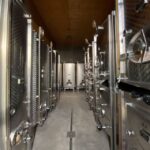
- The winery area with steel tanks, where you’ll get a sense of how fermentation and storage work in modern Champagne production
- Automatic sloping racks, used for handling bottles in the production workflow
- A bottles storage room, showing where aging and holding happens before the wines become Champagne
What I like about this format is that it turns abstract words—pressing, tanks, storage, aging—into real, visible equipment. When you later smell and taste, you’ll have a mental picture of where things happen.
It’s also a good match for people who want more than a quick sip. You don’t need to be a wine nerd to get something out of it; the tour is built around basic Champagne making, the part most first-timers care about.
One important consideration: because the workshop is built above-ground, the environment will feel more like a working production space than an underground cave. If you’re chasing cool, candle-lit tunnels, you may not get that. If you want to see the nuts and bolts, it’s a plus.
How the tour connects to what you taste

After the production walk, you move into the tasting part with the process fresh in your mind. This is where a lot of Champagne tours miss the mark—tasting feels disconnected from what you learned.
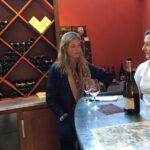
Here, the timing helps. You’ve just watched where pressing and storage happen, so when you taste, you can start sorting out what you’re picking up: crispness, fruitiness, dryness, and the general style differences across their bottles.
Tasting is also where you learn how Champagne should be described. You’ll get guidance on notes and what to pay attention to, so you’re not stuck just saying good or better.
In the feedback I’ve seen from people visiting, the tasting experience often comes across as genuinely friendly, with hosts guiding you through what you’re tasting rather than simply pouring and sending you on your way. Some guides also translate and adjust their explanation to help the group follow along—so if you’re not fluent in French, you still have a real shot at understanding.
The guides matter: English may be uneven
Champagne Rémy Massin et fils offers the experience in English. That’s the headline.
In practice, the quality of English explanation can depend on the person leading your group. One visitor described a situation where English felt much less complete than French. On the other hand, other visitors reported leaders who translated the entire tour into English and were very clear.
So what should you do? If you need detailed English, arrive with a few focused questions. Examples that fit this kind of production visit include:
- What role do the steel tanks play in style?
- How does pressing affect how Champagne tastes?
- What should I look for when comparing styles during the tasting?
If the guide offers a way to share more detailed information, take it. One response from the operator mentioned that additional written material can be provided so everyone can enjoy the cellar tour as much as possible. That’s a smart move for groups where language needs differ.
If you’re the type who asks questions and stays engaged, you’ll likely leave happy even if the English isn’t perfect start to finish.
You can also read our reviews of more wine tours in France


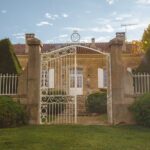
What makes Rémy Massin feel like a real stop (not a showroom)
A lot of Champagne visits feel scripted. This one is more human-sized. Reviews often mention the warmth of the hosts and the family-business feel.
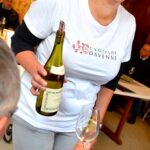
People have specifically named guides like Marion and Isabelle, and those names show up alongside comments about friendliness, clear guidance, and a welcoming mood. That matters in Champagne country, because tasting experiences live or die on the host’s attitude.
Also, the production tour is not all performance. It’s equipment-forward: tanks, racks, press, storage. That makes the visit feel grounded, not just a “watch this and buy that” trap.
If you’re driving around the region, this is also a nice kind of break. It’s short enough to fit into a busy day, and it gives you something tangible to carry with you afterward.
Price and value: what $14.44 really buys
At $14.44 per person for the 1 hour 30 minutes experience, you’re paying for two linked elements: a cellar-style visit plus a tasting time built around it. Many other Champagne experiences cost more for less structure.
Where the value really shows up is the sequence. When you understand how Champagne gets made, the tasting becomes more informative. You’re not just trying to decide if you like it—you’re learning how to notice differences.
One more value detail: the group size max is 12. Smaller groups usually mean you spend less time waiting, more time hearing the guide, and more chance to ask direct questions. For a short, paid experience, that’s a big deal.
If you want to buy bottles, this kind of visit tends to make that feel natural. You’re not being rushed into it right after a pitch—you’ve just learned how the house works, so purchases feel more intentional.
Logistics that actually matter for your day

This tour works best if you’re already staying somewhere in the region or you’re passing through by car. The meeting point is a fixed address on Grande Rue, and you end right where you start, which keeps planning simple.
You’ll also get a mobile ticket, which is helpful if you’re moving around and don’t want paper. Confirmation is stated as being received within 48 hours of booking, assuming availability.
Timing is also predictable: plan for about 1 hour 30 minutes total. That’s long enough to feel like an actual activity and short enough to not wreck the rest of your itinerary.
Who should book this tour
Book this if you want:
- A short, structured Champagne experience
- A guide-led look at production equipment and workflow
- A tasting that feels tied to what you just saw
- A smaller group atmosphere (max 12)
Consider skipping or adjusting expectations if:
- You strongly prefer a cave-like underground cellar atmosphere (this workshop is above-ground)
- You need very detailed English throughout and you’re likely to feel frustrated if explanations are brief or uneven
If you’re flexible and curious, you can still have a great time. Champagne tours aren’t just about language—they’re about seeing and tasting the connection.
Should you book the Remy Massin cellar-to-tasting experience?
I think it’s a solid yes for most people. The format is efficient, the production walk gives you real visual context, and the tasting happens right after so it clicks. The small group size helps the experience feel personal, and the family-run vibe comes through in the way hosts interact.
My only caution is the two-pronged expectation check: English quality can vary by guide, and the production space is above-ground. If those two points won’t bother you—or if you like asking questions—you’ll likely enjoy this more than the bigger, more generic tastings.
If you’re deciding between spending your time on a long tour and a quick stop, this one hits a nice middle ground: enough depth to learn, not so long that it becomes a day-consuming project.
FAQ
How long is the Remy Massin experience?
It lasts about 1 hour 30 minutes total.
Is the tour offered in English?
Yes, the experience is offered in English. Service animals are allowed.
Where do I meet for the tour?
You meet at 34 Gr Grande Rue, 10110 Ville-sur-Arce, France, and the tour ends back at the same meeting point.
How many people are in the group?
The tour/activity has a maximum of 12 travelers.
When will I receive confirmation after booking?
You should receive confirmation within 48 hours of booking, subject to availability.
Can I cancel for a full refund?
Yes. You can cancel up to 24 hours in advance for a full refund.