REVIEW · DIJON
Côte de Beaune Half-Day Wine Tour from Dijon
Book on GetYourGuide →Operated by Ophorus · Bookable on GetYourGuide
Burgundy starts with a quick van ride from Dijon. This half-day tour puts you on the Côte de Beaune route with two winery stops, guided tastings, and plenty of photo-friendly moments like the Château du Clos de Vougeot. I like that it keeps things small group sized, so the guide can answer your questions without rushing you.
My favorite part is the human side: the guides really know how to explain what you’re tasting and why. In recent tours, guides like Adam and Valentin have come across as relaxed, funny, and fluent in English, with a pace that leaves room for real back-and-forth. You’ll also get a clear mix of styles, since you sample both white and red wines tied to the region.
One consideration: the time is tight, so don’t expect a full behind-the-scenes winemaking walkthrough. One guest even wished for more hands-on process details like barrels, and the tastings can feel a bit variable depending on the cellar and the day.
In This Review
- Key things to know before you go
- Dijon to Côte de Beaune in Four Hours: What the Timing Actually Feels Like
- Place Darcy Pickup: A Convenient Start, Not a Complicated Hunt
- The Route des Grands Crus Drive: Vineyards, Villages, and Quick Photo Wins
- Winery Stop #1: Your First Hour of Premier Cru and Grand Cru
- Winery Stop #2: Two Tastings Total, Plus Red and White Variety
- The Real Learning: Terroir, Terroir Names, and What You Can Put on a Bottle Later
- Small Group Dynamics: Why Max 8 Changes the Quality of the Day
- Getting the Most Out of the Tastings (Without Feeling Rushed)
- Price and Value: Is $176 for 4 Hours a Fair Trade?
- Who This Tour Suits Best (And Who Should Skip It)
- Should You Book This Côte de Beaune Half-Day Tour from Dijon?
- FAQ
- How long is the Côte de Beaune half-day wine tour from Dijon?
- Where does the tour start in Dijon?
- How many people are in the group?
- Are wine tasting fees included in the price?
- What wines will I taste?
- Is this tour only for adults?
- Is the tour suitable for wheelchair users or pregnant travelers?
Key things to know before you go

- Small group (max 8): easier questions, less waiting around.
- Two wineries, two tastings: both scheduled for about an hour each.
- Premier Cru and Grand Cru focus: you’re meant to taste at the top end of Burgundy.
- Route des Grands Crus drive: views plus photo stops along the way.
- English-speaking guide + premium transport: smooth logistics from central Dijon.
- Some walking and no snacks by default: bring water and eat beforehand.
Dijon to Côte de Beaune in Four Hours: What the Timing Actually Feels Like

This is a true half-day outing, which means you trade “slow travel” for “maximum Burgundy per hour.” You start from the parking area at 16 Place Darcy in Dijon, then head out toward the Côte de Beaune vineyards by van. The schedule is simple: about one hour of driving, then your first winery tasting (around an hour), then another short drive, followed by a second one-hour tasting, and finally the return to Dijon.
That structure matters. In a region as wine-dense as Burgundy, getting from one famous site to another can eat hours. Here, the transport does the heavy lifting, so you can spend your limited time on tasting, learning, and enjoying the scenery from the roadside.
Also, the tour is built for adults only (18+), and it’s not a match for wheelchair users or pregnancy. You’ll do some walking, so plan on using comfortable shoes rather than dress shoes that look good in photos.
You can also read our reviews of more wine tours in Dijon
Place Darcy Pickup: A Convenient Start, Not a Complicated Hunt

One of the simplest wins is the meeting point. You’re not sent across town to some remote office. You meet at 16 Place Darcy parking, and the tour company picks you up there and brings you back there at the end. If you’re staying in or near the Dijon center, this reduces stress before you even reach the first vineyard.
The van ride is described as premium, and that’s a big deal in Burgundy because the roads and stops can be frequent. A comfortable vehicle makes the day feel smoother, especially since you’ll be tasting multiple times.
And since the group is limited to eight, you’re less likely to feel like you’re one of many in a conveyor belt. Smaller groups also help with pace: the guide can answer follow-up questions instead of moving people along every time the schedule tightens.
The Route des Grands Crus Drive: Vineyards, Villages, and Quick Photo Wins

Once you’re out of Dijon, you’ll travel along the famous Route des Grands Crus. This road is basically built for people who like views as much as wine. Expect rolling vineyard hills and picturesque Burgundy villages as the van takes you between key areas.
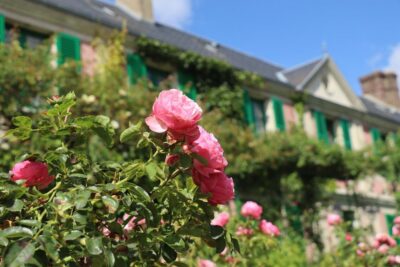
What I like here is that the scenery isn’t just wallpaper. The guide uses the drive to set up context for what you’ll taste later. You’ll also get photo opportunities when weather permits, including a stop at the striking Château du Clos de Vougeot. Even if you’re not a château person, this stop gives you a sense of scale: Burgundy’s wine names sit inside a real physical world, not just labels.
The tour also mentions stops and scenery tied to places like Aloxe-Corton and the village of Meursault. These are the kinds of names you see on bottles, and it’s satisfying when you can put them into your mental map.
Winery Stop #1: Your First Hour of Premier Cru and Grand Cru
Your first winery visit comes after roughly an hour of driving. The tasting itself is scheduled for about one hour, which is long enough to actually learn something and still leave you feeling curious, not bored.
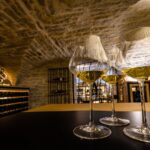
You’re visiting two prestigious wineries/cellars with guided tastings, and the tour is designed to sample Premier Cru and Grand Cru wines. That’s important because tasting at the top end changes your baseline. You start paying attention to details you might miss with entry-level wines: texture, how the flavors expand, how acidity and fruit balance, and how the wine finishes.
At this stage, the guide’s role is huge. In multiple recent departures, guides such as Adam and Valentin were praised for English clarity and for making wine explanations easy to follow. You’re not just receiving the “what” (where the wine comes from), but also the “why” (how terroir and vineyard character show up in the glass).
Practical note: France often means no snacks during tastings to keep tastes accurate. So if you arrive hungry, the day can feel longer than it needs to. Eat a solid breakfast or lunch before you go.
Winery Stop #2: Two Tastings Total, Plus Red and White Variety
The second tasting is another one-hour stop at a different winery/cellar. By the time you reach this point, you’ve usually already gotten your bearings on how the guide is teaching the region. That makes the second stop feel more like a lesson with reinforcement rather than a repeat.
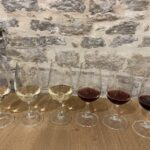
This part matters because Côte de Beaune is famous for multiple styles, especially in white wines, but the tour also includes tastings of red wines. Seeing both styles back-to-back helps you understand that Burgundy isn’t a one-note region. It’s one place with multiple expressions of grape, vineyard character, and winemaking choices.
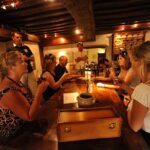
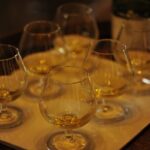
You should also expect the tastings to feel professional—presented with care, and not just casual pours. Recent feedback highlights that the tastings can be generous and that the choices can feel extensive, which helps justify the price for people who really want value from a short day.
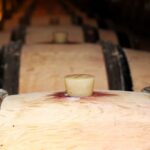
One more realistic point: since this is half-day, you’re not going to tour every room of every cellar. You’re going to taste, learn, and move. If you’re the type who wants a heavy-duty winemaking equipment tour (barrels, production lines, etc.), you might wish for more process time. That’s a fair expectation setting.
A few more Dijon tours and experiences worth a look

The Real Learning: Terroir, Terroir Names, and What You Can Put on a Bottle Later
This tour isn’t only about tasting. It’s about helping you connect what you learn to what you’ll buy later.
Côte de Beaune is all about terroir—the interplay of vineyard location, soil, slope, and microclimate. When the guide talks you through it, you’ll start hearing the same themes repeated across tastings, but expressed through different wines. That repetition is helpful. You’re training your palate and your vocabulary at the same time.
Also, Burgundy’s wine history isn’t treated like a trivia lecture. It shows up through place names you can see from the road and recognize from bottles. Even without a long museum stop, you’re learning how Burgundy became what it is: a region where the vineyard name matters and where the “best of the best” isn’t just marketing.
If you’re new to Burgundy, this kind of guided structure saves you from guessing. If you already know your way around Burgundy labels, it can help you tighten your understanding by comparing how the top sites express themselves in different wines.
Small Group Dynamics: Why Max 8 Changes the Quality of the Day
The tour is limited to 8 participants, and that changes everything. You’re not dealing with long waits at cellars, and the guide can tailor explanations to the group’s questions.
In at least one recent experience, the group ended up being just two people when others didn’t arrive on time. Even if that happens rarely, it shows the tour’s potential when you get that level of attention. With fewer people, you’re more likely to ask follow-up questions like:
- why one wine tastes drier
- how aging affects the structure you’re tasting
- what to look for when you’re shopping later
That’s also where having an English-speaking guide matters. Burgundy wine vocabulary can be confusing even when you’ve read about it. A good guide helps you translate the words on the bottle into flavors you can describe.
Getting the Most Out of the Tastings (Without Feeling Rushed)
If you want the day to feel fun instead of a blur, a few small habits help.
First: pace yourself. You’re tasting two times, and each visit is about an hour. Drink slowly, and don’t be afraid to ask for a repeat pour if you want a second pass on a particular wine.
Second: bring a reusable water bottle. You might not get snacks, and hydration keeps you comfortable during the drive and the tasting.
Third: wear comfortable shoes. There’s some walking, and you’ll also want to be able to move around for photo stops.
Fourth: plan to take notes—or at least photos of labels. Burgundy labels are a world of their own, and you’ll forget details fast if you don’t capture them in the moment.
Price and Value: Is $176 for 4 Hours a Fair Trade?
At $176 per person for about four hours, this tour is priced for people who care about tasting quality and guided teaching—not just scenery.
Here’s the value math that matters:
- You get two winery visits with wine tastings included, and the tasting fees are part of the price.
- The tour includes premium transport from a central Dijon meeting point.
- The group size stays small (max 8), and the guide brings expert Burgundy wine explanations in English.
If you were to organize this independently, transportation between multiple Côte de Beaune stops would be the main cost you’d likely feel. Also, getting tastings at the right level and with a guide who can explain Premier Cru/Grand Cru differences can be harder than it sounds.
So yes: the price feels fair if you treat this as a guided tasting experience, not as a long sightseeing day. If you’re the type who prefers casual sampling without instruction, you may feel the cost more than the wine.
Who This Tour Suits Best (And Who Should Skip It)
This tour is ideal if you want:
- a short, structured introduction to Côte de Beaune
- Premier Cru and Grand Cru tastings within a half day
- a small group where you can ask questions and get real answers
- strong English guidance from drivers/hosts like Adam or Valentin (names that have shown up in recent feedback)
It’s less suitable if:
- you need wheelchair access
- you’re pregnant (not advised by the tour’s own suitability notes)
- you’re traveling with children (adult only; no one under 18)
- you want a full winemaking production walkthrough with lots of time at barrels and equipment
If you’re unsure, think about your goal. Want to understand Burgundy quickly and taste at the top end? This fits. Want a deep day-long cellar adventure with lots of production mechanics? You’ll probably want a longer, more specialized format.
Should You Book This Côte de Beaune Half-Day Tour from Dijon?
Book it if you want a focused tasting day with real context and strong wine explanations, without spending your whole time driving. The small group size, the two scheduled tasting blocks, and the Premier Cru/Grand Cru theme make this a smart choice for short trips to Dijon.
Skip it (or consider a longer alternative) if your main interest is behind-the-scenes winemaking process detail, like extensive barrel or production area time. This one is built for tasting and learning, not for long factory-style tours.
If you do book: eat beforehand, wear comfortable shoes, bring water, and be ready to concentrate on what’s in the glass. Burgundy rewards attention.
FAQ
How long is the Côte de Beaune half-day wine tour from Dijon?
The tour duration is 4 hours.
Where does the tour start in Dijon?
The meeting point is at the dedicated parking at 16 Place Darcy in Dijon, with pickup and drop-off at that same location.
How many people are in the group?
It’s a small group limited to 8 participants.
Are wine tasting fees included in the price?
Yes. The tour includes visit and wine tasting in 2 wineries, and all wine tasting fees are included.
What wines will I taste?
The tour focuses on Burgundy wines, including Premier Cru and Grand Cru samples, and includes tastings of both white and red wines.
Is this tour only for adults?
Yes. It is an adult tour only, and children under 18 are not accepted.
Is the tour suitable for wheelchair users or pregnant travelers?
No. It is not suitable for wheelchair users, and it’s also noted as not suitable for pregnant women.