REVIEW · BORDEAUX
Bordeaux: Wine History Tour with Tasting
Book on GetYourGuide →Operated by Free Walking tours Bordeaux · Bookable on GetYourGuide
French labels suddenly click.
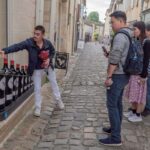
This Bordeaux wine history tour pairs a walk through Chartrons with a hands-on way to learn wine basics, ending in a blind tasting paired with cheese. You get the setting too: quays, viewpoints over the river, and classic sights around Bordeaux’s wine merchants’ quarter.
I especially like the sommelier-style blind tasting teaching method, plus the simple label-reading lessons you can use the moment you’re back in a wine shop. The guide also helps you build memory for Bordeaux wine village names, so the region stops feeling like a blur.
One drawback to plan around: you won’t enter monuments, and several highlights are mainly seen from a distance while you hear the story.
In This Review
- Key takeaways before you go
- Chartrons: where Bordeaux wine lessons make sense
- How the blind tasting teaches you to read wine
- French wine labeling: why it’s confusing and what to do about it
- A walk that hits the major wine-linked sights (without rushing you)
- Starting point: Quai des Chartrons with a turquoise umbrella
- Église Saint-Louis des Chartrons: photo stop and context
- CAPC Museum of Contemporary Art: a quick look from the outside
- Pont de Pierre: the classic bridge moment
- Cité du Vin: wine as a city-wide theme
- Finishing in Chartrons and the Quais
- About monument access
- The wine bar finale: blind tasting meets cheese pairing
- Why this tour feels like good value at $76
- Who this experience is best for
- Practical tips so you enjoy the full 2 hours
- Should you book this Bordeaux wine history tour with tasting?
- FAQ
- Where do we meet for the tour?
- How long is the Bordeaux wine history tour with tasting?
- What’s included in the wine and cheese tasting?
- Do we enter any monuments during the walk?
- What languages are available for the guided tour?
- Is the tour suitable for children?
- Is the tour suitable for pregnant women?
- Is the tour wheelchair accessible?
Key takeaways before you go
- Chartrons, Bordeaux’s wine-merchant quarter: you’ll walk through the neighborhood and along the riverside
- Blind tasting practice with 4 Bordeaux wines: including 1 white, 2 reds, and 1 sweet
- Label-reading without the panic: you’ll learn why French wine labeling confuses people at first
- Grapes, village names, and classification basics: the tour builds a mental map you can reuse
- 3 French cheese pairings: designed to make the wine tasting easier, not harder
Chartrons: where Bordeaux wine lessons make sense

Bordeaux’s wine story didn’t start with a tasting room. It started with people moving goods, storing bottles, and trading knowledge where ships could reach the city.
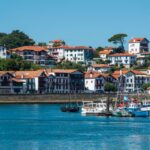
That’s why Chartrons works so well as a starting point. This area dates back about 300 years when wine merchants arrived and did business here. The walk isn’t just scenic; it helps you understand how the wine economy shaped the city. As you move through the neighborhood and along the quays, you get a clearer picture of how Bordeaux became a place where wine names, classifications, and trading terms all mattered.
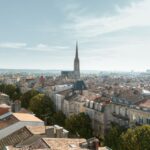
You’ll also get the kind of Bordeaux views that make the lessons stick. Seeing the river and the bridges while you learn how to think about wine makes the experience feel practical. You’re not stuck indoors memorizing terms; you’re attaching those terms to places.
You can also read our reviews of more food & drink experiences in Bordeaux
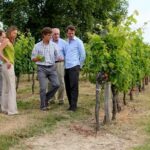
How the blind tasting teaches you to read wine
Wine tasting can feel mysterious when you’re new. The trick is learning a process, not memorizing a list of facts. This tour uses that exact idea.
You’ll learn how a sommelier decodes wines in a blind tasting, which is the fastest way to understand that wine isn’t only about the label. The guide’s approach typically trains you to focus on what you can sense first, then connect that to grape varieties and style. That means you’re learning how to think, not just what to say.
And because you’ll taste four wines from Bordeaux appellation, the blind tasting becomes a structured lesson:
- 1 white
- 2 reds
- 1 sweet
Each one is a chance to practice recognizing patterns. It’s also a useful confidence boost. Even if you can’t name everything after the first pour, you’ll start building a system you can reuse in any wine bar.
French wine labeling: why it’s confusing and what to do about it
If you’ve ever stood in front of a French bottle wondering what the words even mean, this part is for you.
The tour includes a dedicated focus on reading a French wine label and explaining why it’s so difficult at first. Instead of treating the label like a puzzle you’re supposed to already know how to solve, the guide teaches you how the information fits together: what matters for understanding the wine and what’s mainly there for branding or tradition.
You’ll also learn why bottles are 75 cl. That detail sounds small, but it helps you stop second-guessing yourself when you compare bottles, tastings, and portions later. The goal is simple: when you see a 75 cl bottle, you’ll know it’s part of a standard, not a random choice.
Then you connect the dots to the larger framework of Bordeaux wine: the tour covers the important classification of wine and the big-picture idea of what classifications are trying to communicate.
A walk that hits the major wine-linked sights (without rushing you)
This is a two-hour format, so it moves with purpose. You’ll also spend a big chunk of that time on foot in and around Chartrons and the riverside—about an hour of walking through the neighborhood feel.
Starting point: Quai des Chartrons with a turquoise umbrella
You meet at 64 Quai des Chartrons. Your guide will be holding a turquoise umbrella, which is the kind of small detail that saves real time when you’re trying to line up the meeting spot quickly.
You can also read our reviews of more historical tours in Bordeaux
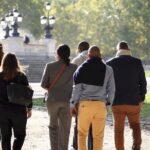


Église Saint-Louis des Chartrons: photo stop and context
You’ll stop at Église Saint-Louis des Chartrons for a photo moment. It’s not a deep interior visit. The tour keeps things moving, using the church area as a waypoint while the guide ties the neighborhood to its long wine-merchant past.
CAPC Museum of Contemporary Art: a quick look from the outside
Next comes the CAPC Museum of Contemporary Art of Bordeaux. Expect sightseeing and walking, not an entry. This stop is useful because it shows how Bordeaux mixes old commercial wine infrastructure with modern cultural life. You learn how the city evolves without disconnecting from the wine identity.
Pont de Pierre: the classic bridge moment
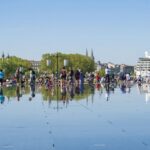
The Pont de Pierre is next, another sightseeing walk. Bridge views are a good pause point because you can reset before moving deeper into the wine-focused streets. It also gives you a sense of where Bordeaux’s river paths and trade routes intersect.
Cité du Vin: wine as a city-wide theme
You’ll also pass by the Cité du Vin, with sightseeing and walking for about 15 minutes. Even if you don’t go inside monuments, this kind of city landmark still matters. It reinforces the idea that Bordeaux treats wine as culture, not just commerce.
Finishing in Chartrons and the Quais
Back in Chartrons, you get more neighborhood time and then return along the quais for photo stops and river views. The tour ends at 24 Quai des Chartrons, so you finish where you started the wine-walk story—right in the heart of the Chartrons atmosphere.
About monument access
Keep one thing in mind: you will not enter any monument. Some highlights are mainly seen from a distance while you hear the explanation. If you’re hoping for a lot of indoor time, adjust your expectations before you go. The payoff is that the guide keeps the pacing tight for a short, high-impact 2-hour experience.
The wine bar finale: blind tasting meets cheese pairing
After the walk, the experience shifts to the tasting setting in a local wine bar.
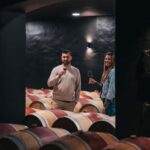
You’ll do a blind tasting of 4 Bordeaux wines, paired with 3 French cheeses. This matters because cheese changes the way you perceive aroma and flavor. It also helps you learn faster: if a wine tastes different depending on the cheese pairing, you start recognizing what characteristics are driving the taste.
The tasting includes:
- 1 white wine
- 2 red wines
- 1 sweet wine
And since the tasting is tied to Bordeaux appellation, you’ll be practicing within a focused framework. That’s the smart way to learn. If you jump across every wine region on earth, it’s hard to keep a coherent mental map. Here, everything stays in the Bordeaux lane so the lessons add up.
Why this tour feels like good value at $76
At $76 per person for about 2 hours, the value comes from the mix of education plus tasting.
You’re not paying just for the walk, and you’re not paying just for wine glasses either. The tour includes:
- 4 glasses of organic Bordeaux wines
- a pairing with 3 French cheeses
- wine-history context during the walk
- a wine expert or sommelier to guide you through the process
- teaching topics like grape varieties, label reading, classification, and wine-village memory
For a short trip like this, that balance is what makes it worthwhile. You get enough wine to learn patterns, without turning it into a long drinking session. You also get enough structure to leave with practical next steps—like knowing what to look for on a label instead of only guessing.
Who this experience is best for
This tour is a strong fit if you:
- want a Bordeaux introduction that feels hands-on
- like the idea of learning wine by practicing (blind tasting) instead of only listening
- want an easy way to remember Bordeaux wine villages and terms
- are comfortable doing a walk with a few outside photo stops
It may be less ideal if you:
- need a fully seated experience (it’s a walking tour)
- are hoping for lots of monument interiors (you won’t enter monuments)
- are traveling with children under 18 or if you are pregnant, since it’s listed as not suitable for those groups
On the language side, the tour runs with a live guide in English and Spanish, which makes it accessible for a wider range of visitors.
Practical tips so you enjoy the full 2 hours
A couple small choices can make a big difference.
Wear the right clothing for the climate. This is an outdoor walking format with riverside time, so your comfort affects your learning focus. Bring a light layer if the weather is changeable.
Also, expect the pace to be “see and learn,” not “slow and linger.” The tour is designed to pack in neighborhood context plus wine education plus tasting in a tight window. If you show up ready to listen and taste, you’ll get more out of the blind testing portion.
If you want to get the most from the label-reading lessons, keep your phone handy for reference after the tour. Even if you’re not taking notes during the walk, the goal is to help you translate what you see in shops right away.
And if you like flexible planning, the experience offers reserve-now and pay-later options and free cancellation up to 24 hours in advance. That’s useful when weather or other plans might shift your Bordeaux itinerary.
Should you book this Bordeaux wine history tour with tasting?
Yes, if you want a fast, friendly path into Bordeaux wine culture. This is the kind of tour that gives you a method: how to approach a label, how to think during a blind tasting, and how to connect grape varieties and classifications to real wines.
Book it especially if you’re short on time in Bordeaux and still want a meaningful tasting moment with pairing support. The walk through Chartrons and the quays gives context, and the blind tasting with cheese gives you the skills to keep learning after the tour ends.
Skip it only if you’re specifically looking for winery access or lots of indoor monument time. This experience stays outdoors and uses a wine bar format to teach.
If you match those expectations, you’ll leave with Bordeaux names in your head, a better handle on French labels, and a clearer sense of what you actually like in a glass.
FAQ
Where do we meet for the tour?
You meet at 64 Quai des Chartrons. Your guide will be holding a turquoise umbrella.
How long is the Bordeaux wine history tour with tasting?
The tour lasts 2 hours.
What’s included in the wine and cheese tasting?
You get 4 glasses of Bordeaux organic wines paired with 3 French cheeses, including 1 white, 2 reds, and 1 sweet wine.
Do we enter any monuments during the walk?
No. The tour does not include entering monuments, and some sights are only viewed from a distance.
What languages are available for the guided tour?
The live guide is available in English and Spanish.
Is the tour suitable for children?
No. It is not suitable for children under 18.
Is the tour suitable for pregnant women?
No. It is listed as not suitable for pregnant women.
Is the tour wheelchair accessible?
Yes, it is wheelchair accessible.