REVIEW · PARIS
Paris: Musée d’Orsay Ticket and Guided Tour
Book on GetYourGuide →Operated by Walks France-Spain · Bookable on GetYourGuide
Skip the line, then let Orsay tell you what to see. This 2-hour, English guided visit pairs fast entry with a guide who turns Impressionist art into a clear story, inside a jaw-dropping Beaux-Arts hall.
I love how the tour focuses on key works, not a frantic sprint through every room. I also like that you’re guided with real context—art and history move together—so paintings like Van Gogh and Monet start making sense fast.
One drawback to plan around: the museum can be very crowded, and the tour isn’t suitable for wheelchair users or for strollers and large bags. Also, strike-related closures can affect which areas you can access.
In This Review
- Key things I’d prioritize
- Skip-the-Line Entrance: Why 2 Hours Feels Like More
- Meeting Point at 2 Rue de la Légion d’Honneur: Get In Quickly
- First Stop: The Main Hall and the Station-to-Museum Story
- The Heart of the Tour: Impressionist Masterworks in a Guided Path
- How the Guide Teaches You to Look (Not Just Look Around)
- Beaux-Arts Secrets You’ll Actually Notice During the Walk
- Your Time After the Guided Portion: Self-Guided Without Getting Lost
- Price and Value: Is $69 a Good Use of Your Time?
- Who This Tour Fits Best (and Who Should Rethink It)
- My Booking Decision Checklist
- FAQ
- How long is the Musée d’Orsay tour?
- Where does the tour meet?
- Is the tour in English?
- Does this include skip-the-line entry?
- What is included in the price?
- What should I bring?
- What isn’t allowed during the tour?
- Is it suitable for wheelchair users or mobility impairments?
- Does the tour include time to wander on your own?
- What if the museum is closed due to strikes?
Key things I’d prioritize
- Skip-the-line entry saves hours when Orsay lines get ugly
- A live English guide helps you “read” what you’re seeing
- The Main Hall first so you get the building’s drama right away
- Top Impressionist hits like Van Gogh, Monet, Manet, and Gauguin
- Headsets/earpieces in busy rooms can make the tour much easier to follow
- Short, selective tour pacing leaves you energized for optional wandering
Skip-the-Line Entrance: Why 2 Hours Feels Like More
At Musée d’Orsay, time is the enemy. The museum is packed, the galleries are deep, and without a plan you can end up doing a lot of walking and not much understanding. This skip-the-line ticket changes the game because you spend your energy inside the museum, not outside staring at the queue.
The tour is built for focus. Instead of trying to see everything, you’re guided toward the paintings and sculptures that explain the era. Think late-19th-century Europe, where styles shift quickly and artists challenge what came before. When you have a guide, those shifts become easier to spot—brushwork, subject matter, and even the mood of a scene start to connect.
You should go in with one expectation: you’re buying a shortcut to meaning. It’s not just entry. It’s a tight, guided path that helps you leave with a stronger sense of the museum’s “why,” not only its “what.”
A few more Paris tours and experiences worth a look



Meeting Point at 2 Rue de la Légion d’Honneur: Get In Quickly
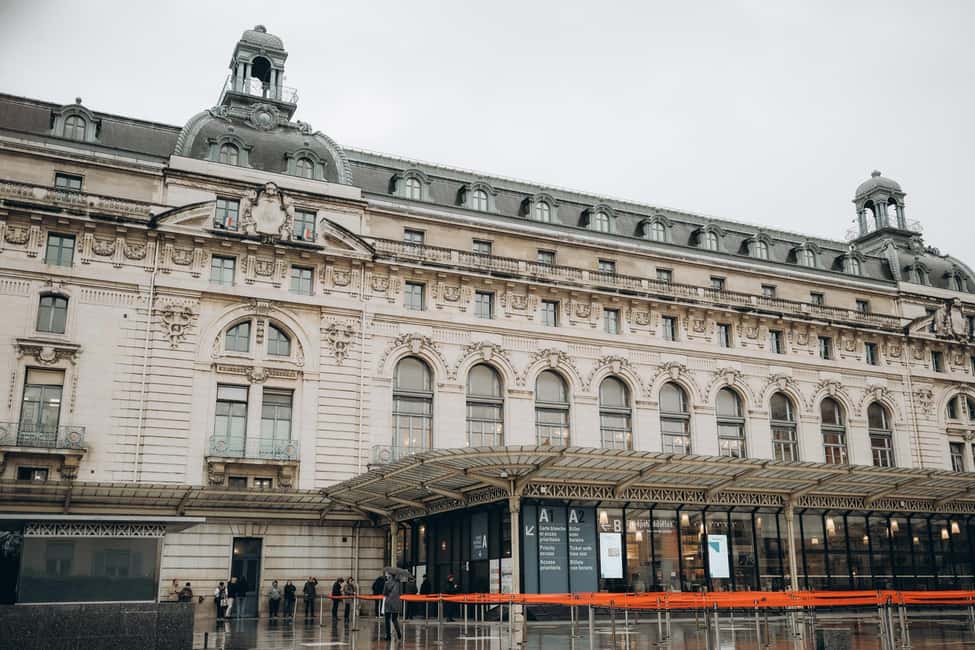
Your tour starts outside the museum at 2 Rue de la Légion d’Honneur. Arrive 15 minutes early, and look for your guide holding a green Walks sign. This matters more than you might think—Orsay’s entrance zone can get chaotic, and you want that first handoff to be smooth so you can get moving immediately.
There’s no hotel pickup, so plan to get there by your own route. Also, wear shoes that can handle a lot of indoor walking. The tour pace is described as moderate, but you’re still moving from hall to hall and across floors.
One practical tip: bring your passport or ID card. It’s listed as required, and it’s easier to have it ready than to hunt for it mid-visit.
First Stop: The Main Hall and the Station-to-Museum Story
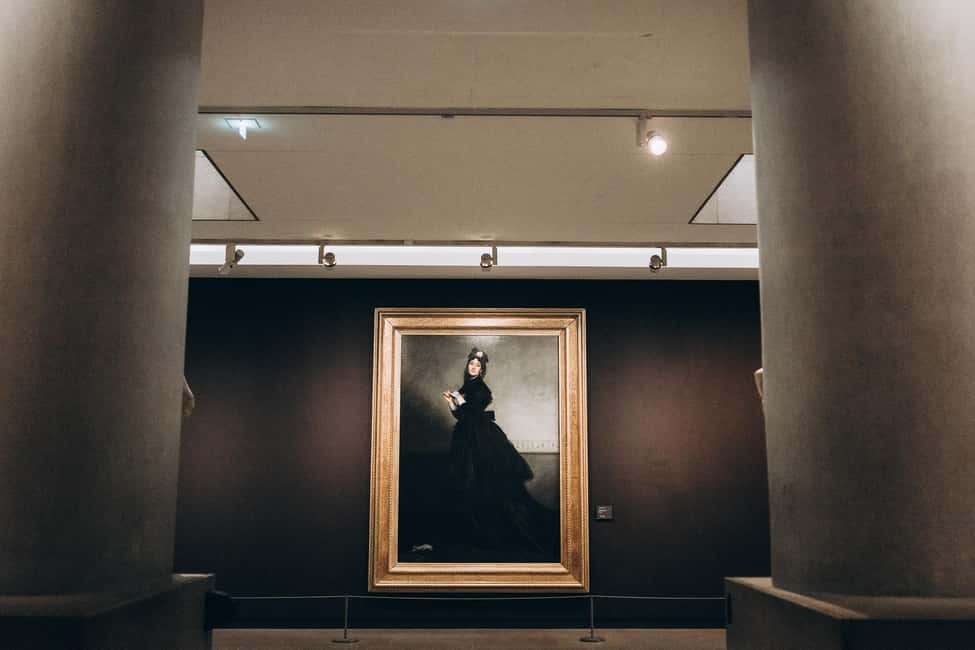
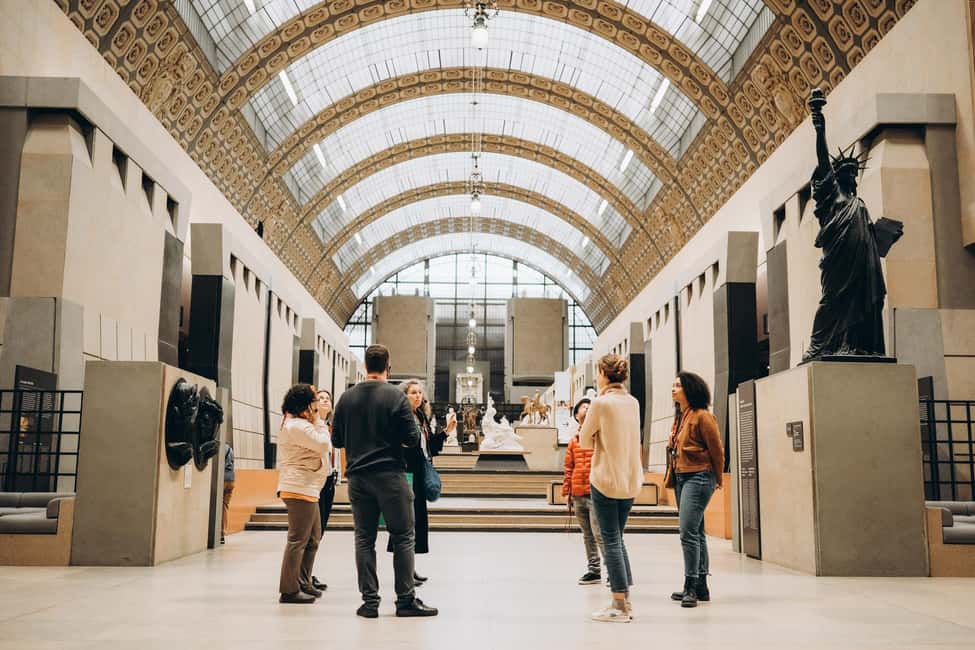
The tour doesn’t start in a quiet gallery. It starts with the museum’s big moment—the Main Hall. This space is famous for its towering Beaux-Arts ceiling vaults, and your guide uses that setting to explain how this place went from a train station to an art powerhouse.
That background isn’t trivia for trivia’s sake. When you understand the building’s original purpose, it changes how you experience the art inside. The hall’s scale makes the museum feel grand but also structured, almost like a timeline you’re walking through.
You also get oriented fast. In a museum this size, orientation is a hidden form of value. You’ll know where you are, what to look for next, and why the guide steers you the way they do.
The Heart of the Tour: Impressionist Masterworks in a Guided Path
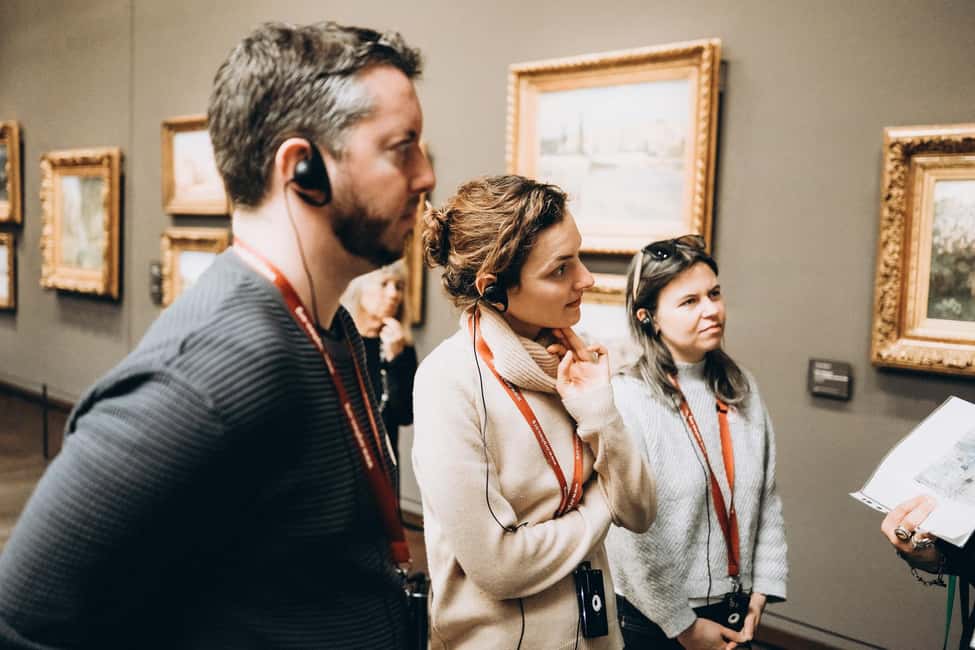
This is where the tour earns its keep: close encounters with major names and the context to understand them.
Your guide points you at works including:
- Van Gogh (for example, Self Portrait and The Starry Night Over the Rhône)
- Monet (for example, Houses of Parliament)
- Manet (for example, Olympia and Luncheon on the Grass)
- Cezanne and Gauguin (for example, Tahitian Women on the Beach)
- And other late-19th-century stars
What I like about this approach is the restraint. The museum is packed with museum-sized masterpieces, and trying to see them all in two hours turns into stress. Instead, guides tend to highlight a set of anchor works and then use them to explain larger ideas—how artists painted differently, what subjects mattered, and how style connected to the world outside the museum.
How the Guide Teaches You to Look (Not Just Look Around)

The biggest “wow” factor in the experience is the way the guide talks about art. Multiple guides in past groups have been praised for being passionate and engaging, including Avi, Amed, Hugo, Laurence, Adam, Karen, Claire, Julie, Jonny, Violette/Violet, and Ahmed.
What matters for you isn’t the name. It’s the method.
Expect a tour that:
- chooses selected key pieces so you’re not drowning in rooms
- explains the artwork with storytelling that ties art to the time period
- asks you to notice details—composition, color choices, the mood of a scene
- keeps the pacing human, so you can follow without feeling rushed
Some guides also bring extra learning tools. One guide in a prior group used short clips, videos, and photographs to clarify what you were looking at. Another guide was known for framing how art fits into the bigger movement of European painting. If you get a guide like that, you’ll likely feel like you’re learning how to see, not just watching famous works.
Also, headsets show up in the experience, especially when the museum is crowded. If you’re in a noisy room, hearing the guide clearly can make the difference between remembering five paintings and remembering fifty.
You can also read our reviews of more guided tours in Paris






Beaux-Arts Secrets You’ll Actually Notice During the Walk
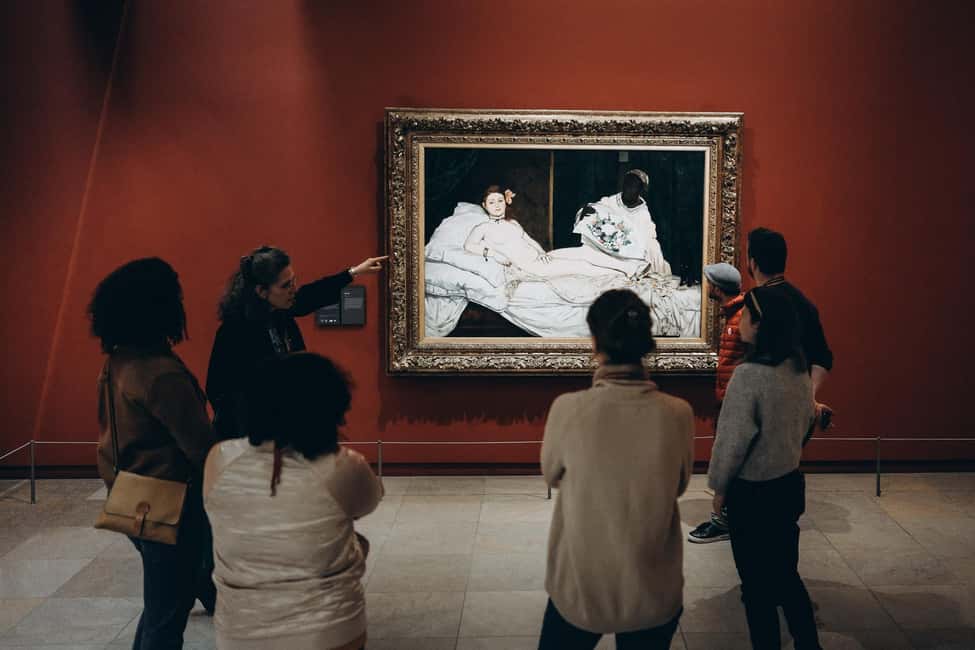
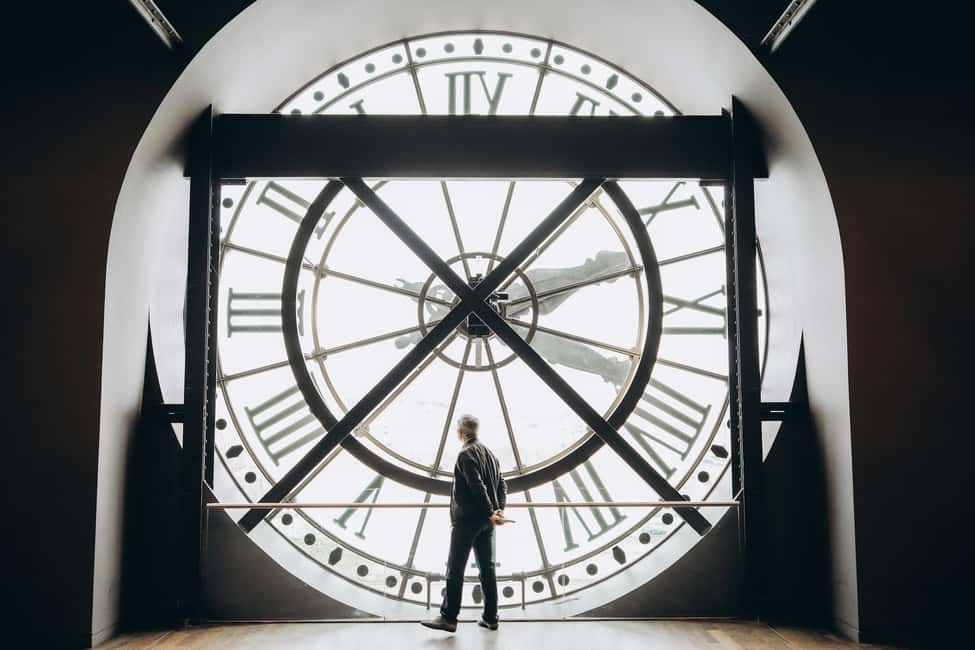
Orsay is an art museum, but the building itself adds drama. With a guide, you’re more likely to notice details you’d otherwise skip: the scale of the ceiling vaults, the sense of movement through a repurposed space, and how the museum’s layout shapes your view of major works.
Even if you’ve been to Orsay before, a guided route changes what you register. Without help, you can walk past a painting and only notice the image. With help, you start noticing the decisions behind it—why the artist chose a viewpoint, why the scene feels the way it does, why a subject shocked or surprised people at the time.
That’s the real value of the “secrets” angle here: you’re not hunting for hidden doors. You’re learning how to read the room and the paintings as linked experiences.
Your Time After the Guided Portion: Self-Guided Without Getting Lost

The format gives you a guided start and then some free/self-guided time. This is important because your favorite part of Orsay might not be the same part your guide emphasized first. After the main walk, you can circle back to works you want to see again or linger longer where you feel pulled in.
Just be honest with yourself: you can’t read everything in two hours. So use the self-guided time strategically. Go back to one or two “anchor” works the guide explained and try to spot the details they pointed out.
If you’re the type who likes to take photos, give yourself a little buffer. Orsay is a “stand still and look” museum. The most satisfying moments often happen when you slow down, not when you keep moving.
Price and Value: Is $69 a Good Use of Your Time?
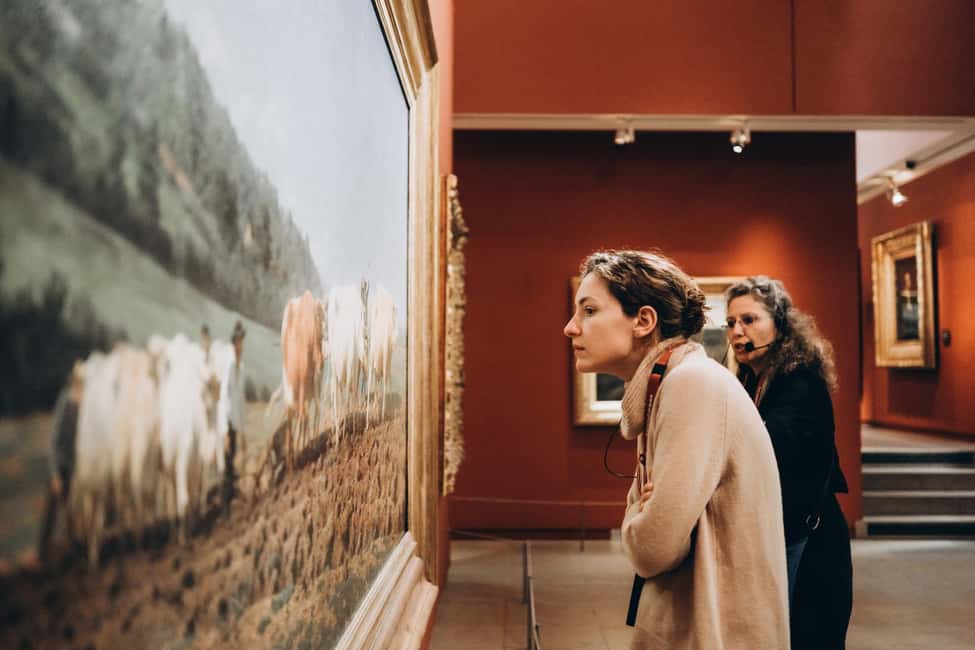
At $69 per person for a 2-hour guided experience with a skip-the-line ticket, you’re paying for three things: time saved, context delivered, and a focused route.
Here’s the simple way to judge value:
- If you hate museum lines and want to get inside fast, the skip-the-line is already doing real work for you.
- If you enjoy learning why paintings look the way they do, the guide is where your money turns into understanding.
- If you’re happy wandering without help, you can do it cheaper—but you’ll likely spend more hours figuring out your own route and your own priorities.
I think the price makes sense for people who want the museum’s best hits with clarity. It also makes sense for families or mixed-age groups, since a good guide can keep things lively and manageable.
Who This Tour Fits Best (and Who Should Rethink It)

This is a strong fit if:
- you want a structured plan in a crowded museum
- you’re curious about Impressionism but don’t want to guess what to prioritize
- you enjoy art explanations that connect the painting to the historical moment
It’s less ideal if:
- you need wheelchair access (it’s not suitable for wheelchair users)
- you rely on strollers (baby strollers aren’t allowed)
- you have large bags or luggage (not allowed)
- you’re hoping for a fully relaxed, sit-down pace—this is still a walking experience
Also, keep in mind the museum can have closures due to strikes. If closures happen, your tour may be impacted.
My Booking Decision Checklist
I’d book this tour if you want Orsay to be an experience you can actually remember. The skip-the-line entry helps you start fast, and the guide helps you see with intention.
Book it if you fall into one of these groups:
- First-time Orsay visitors who want the best-known works and the story behind them
- People who are short on time and don’t want to waste hours wandering
- Anyone who likes getting answers to why an artist made a certain choice
I’d hesitate if you strongly prefer total self-direction, or if mobility needs make the walking setup a problem. In that case, you might be better off planning a self-guided visit with extra time.
FAQ
How long is the Musée d’Orsay tour?
The experience is 2 hours.
Where does the tour meet?
Meet at 2 Rue de la Légion d’Honneur in front of the museum entrance. Plan to arrive 15 minutes early, and look for your guide holding a green Walks sign.
Is the tour in English?
Yes, the guided tour is in English.
Does this include skip-the-line entry?
Yes. You get a skip-the-line ticket for Musée d’Orsay.
What is included in the price?
The tour includes a live guide, a walking tour, and the skip-the-line ticket.
What should I bring?
Bring passport or ID, plus comfortable shoes.
What isn’t allowed during the tour?
Baby strollers and luggage or large bags are not allowed.
Is it suitable for wheelchair users or mobility impairments?
No. It is not suitable for guests with mobility impairments or with wheelchairs.
Does the tour include time to wander on your own?
Yes. After the guided portion, you’ll have free time for a self-guided visit.
What if the museum is closed due to strikes?
Musée d’Orsay is subject to closures due to strikes. If time permits, the operator may reach out before the tour, and last-minute changes may be communicated at the meeting point.
Would you like me to tailor this review for a specific traveler type—first-timer, family with kids, or art-history focused—so you know what to prioritize once you’re inside?