REVIEW · PARIS
Behind the Scenes of the Roland Garros Stadium
Book on Viator →Operated by Cultival · Bookable on Viator
Roland Garros is famous from TV, but backstage feels real. This guided Roland Garros stadium tour takes you into the press and player-only spaces, including the corridor that leads toward the clay court. I love the level of access you get without needing a match ticket, and I also love how the tour connects the French Open to the people behind it, from journalists to players. One thing to plan for: parts of the stadium can be limited on the day, and you’ll walk stairs and uneven routes.
You’ll be in a small group (max 30), with a mobile ticket and an English-speaking guide. It runs about 1 hour 30 minutes, and you should show up 15 minutes early because late entry means you won’t join the tour.
For the price of $25.77, I think this is strong value if you’re a tennis fan. Just note that it’s not a food-and-drink event, and the experience includes a fair bit of walking, so comfortable shoes are non-negotiable.
In This Review
- Key highlights you’ll actually care about
- Roland Garros backstage: what this tour really gives you
- Step-by-step: where you go during the Roland Garros tour
- Stop 1: Roland Garros Stadium areas you’ll see
- Why the press rooms matter (and not just because they sound cool)
- The player corridor and changing rooms: your “I get it now” moment
- The presidential stand: ceremony meets sport
- Practical value: time, group size, and the $25.77 question
- Logistics that can make or break the experience
- Timing: arrive early or lose your slot
- Walking and stairs
- Photography rules can change
- Stalls, closed spaces, and access limits
- Stadium shop time: a nice bonus when you plan it
- Who should book this Roland Garros backstage tour
- Should you book it? My take
- FAQ
- How long is the Roland Garros behind-the-scenes tour?
- Is the tour offered in English?
- What’s included in the price?
- What is not included?
- Where do I meet and where does the tour end?
- Do I need to bring a printed ticket?
- How early should I arrive?
- How big are the groups?
Key highlights you’ll actually care about
- Press rooms + changing areas: You get closer to the tournament machine than you’d ever see from the stands.
- Presidential stand and player corridor: It’s the route that connects authority, media, and the moment players step out.
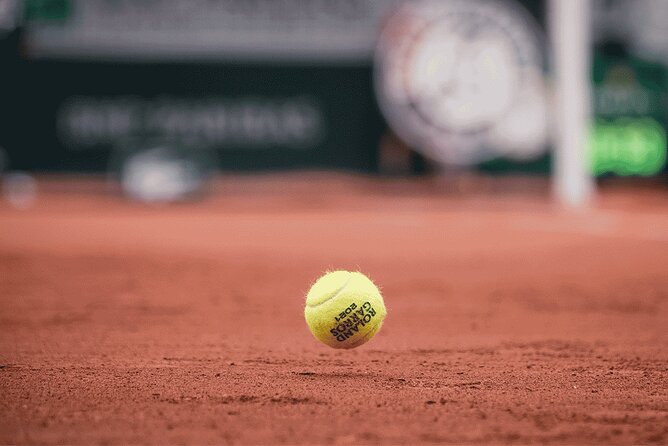
- Clay-court drama, up close: You see why this tournament feels different on red dirt and not hard court.
- Stories tied to champions: The guide’s focus on tennis history and major names helps the whole place click.
- Small group feel (up to 30): Less rushing, more time to look and ask questions.
- Stadium shop access before or after: You can browse Roland Garros gear between 09:30 and 18:30.
Roland Garros backstage: what this tour really gives you

If you’ve watched the French Open on TV, you already know the famous angles: the stands, the red clay, the moment a player takes the corridor toward the court. This Roland Garros stadium tour is built for the next step. You’re not just seeing the stadium. You’re seeing how the tournament works when the cameras are elsewhere.
The heart of the experience is access. You’re guided into the press rooms, changing rooms, and the areas that sit between official ceremonies and the player journey. Instead of getting a broad “tour of the grounds,” you get a behind-the-scenes path that helps you understand why Roland Garros has a distinct vibe—quiet media rooms, busy preparation spaces, then that charged walk toward the clay.
The other big value is the human layer. Several guides in English groups are known for strong storytelling, often focused on major champions and the way press and players interact during a Grand Slam week. One review specifically called out a guide named Lionel delivering a very detailed, word-for-word style of guiding. Even if your guide isn’t Lionel, the pattern is clear: you’ll be taught to look at the stadium through tennis eyes, not just Paris sights.
You can also read our reviews of more tours and experiences in Paris.



Step-by-step: where you go during the Roland Garros tour

This tour is organized around one main stop at the stadium, designed to concentrate your time where it matters most. Expect a route that focuses on the tournament’s workflow: media, preparation, leadership viewing areas, and the corridor leading players to the court.
Stop 1: Roland Garros Stadium areas you’ll see
The tour’s main access includes four big categories:
Press rooms. This is where interviews and coverage happen. Even if you’re not a journalist, you’ll understand the backstage rhythm—how media sits close to the action but still operates with its own rules and timing.
Changing rooms. This is one of the most emotional parts of any stadium tour because it’s where players switch from regular life into match mode. You’ll get a sense of privacy, routine, and focus—things you rarely grasp when you’re only watching from the seats.
Presidential stand. This area gives you a different perspective on the tournament. It’s not only about sport. It’s also about ceremony and visibility, the way major events handle leadership viewing and formal moments.
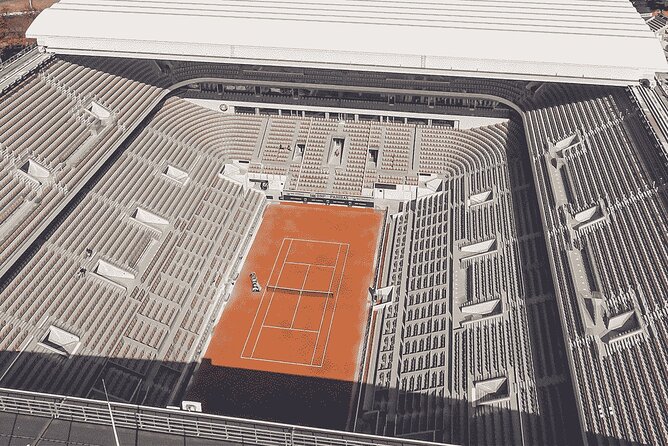
The corridor to the clay court. This is the “TV moment” in physical form. Seeing the route that players follow helps you connect what you watch on screen—walkouts, entrances, and tension—with the physical layout of the stadium.
A few groups report extra stops like Chartrier stadium, the interview room, and press-related spaces beyond the core press room access. I wouldn’t count on those extras every day, especially if the stadium layout is affected by events, but it’s a realistic possibility for some tours.
Why the press rooms matter (and not just because they sound cool)
The press rooms are more than a neat photo opportunity. They explain the tournament ecosystem.
From the stands, the French Open feels like one show. Backstage, you learn it’s actually several shows running in parallel: players warming up and preparing, media collecting quotes and stats, officials managing schedule pressure, and staff keeping everything on time. Getting into the press rooms helps you see the distance between what the public thinks is happening and what’s happening when there are no cameras in your face.
If you care about tennis beyond highlight reels, this part adds texture. It’s also where guides tend to share the kind of details that make the whole week of the French Open feel more real—who runs what, how the media space supports match coverage, and how the stadium’s structure supports the day’s flow.
The player corridor and changing rooms: your “I get it now” moment
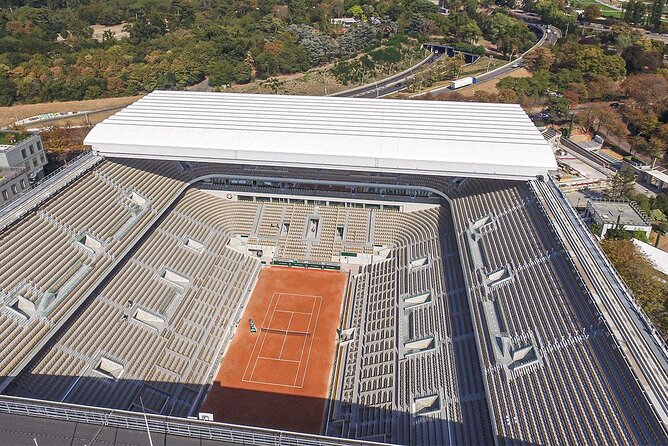
This is the section that usually hits hardest for tennis fans. The changing rooms let you imagine the mental switch. The corridor to the clay court lets you picture the last quiet stretch before the match starts.
A lot of people come to Roland Garros for clay-court tennis, and that’s fair. But the corridor and changing areas show you why Roland Garros is psychologically different from other tennis settings. Clay slows the ball, changes movement, and shapes tactics—but the stadium itself also builds a distinct match atmosphere through layout, space, and routine.
Some fans in reviews specifically mentioned the excitement of seeing Roland Garros up close, and a few even described a special thrill connected to Rafa Nadal—like seeing a plaque tied to him. If you’re a Rafa fan, you’ll likely feel that same sense of pilgrimage energy when you’re shown where names and legacy are tied into the stadium experience.




The presidential stand: ceremony meets sport
You might assume the presidential stand is all show. Here’s why it still matters.
It’s the place where the event’s formal visibility lives, which is part of the Grand Slam experience. Tennis is intense, but the tournament also projects significance—history, tradition, and the global scale of the French Open. Standing in that space (even briefly) gives you context for how Roland Garros presents itself during major days.
This is also where your guide’s storytelling can really help. Guides who focus on “how the French Open runs” tend to connect the ceremony areas to what you’re seeing in changing rooms and press spaces.
Practical value: time, group size, and the $25.77 question
Let’s talk about money in a way that helps you decide.
At about $25.77 per person for around 1 hour 30 minutes, you’re paying for exclusive access to areas that most visitors can’t reach during normal sightseeing. You’re also paying for a guide to explain what you’re looking at, which matters a lot here because backstage spaces are easy to misunderstand if you don’t know the purpose of each room.
What you should compare it to:
- If you’re already spending time in central Paris and want one tennis-focused activity, this is a targeted spend.
- If you’re going to the effort of visiting Roland Garros, paying for backstage access usually beats just walking around outside.
What you should not expect:
- Food and drinks are not included.
- The tour is mostly walking inside the stadium footprint, so you’re paying for access, not a sit-down experience.
One more detail that affects value: confirmation happens at booking time, and the tour is offered in English. That reduces uncertainty if you’re traveling with language limits.
Logistics that can make or break the experience
This tour looks straightforward on paper, but the day can feel a bit old-school once you hit stadium security and campus entrances.
Timing: arrive early or lose your slot
You need to arrive 15 minutes before the tour. Latecomers won’t be accepted, and there’s no refund for missing the start. That matters more than you’d think because several reviews talked about confusion at the start and difficulty spotting the correct check-in area.
Walking and stairs
Wear shoes you trust. Even within 1 hour 30 minutes, you’ll handle stairs and walking. One review bluntly called it 1.5 hours of walking and stairs, and that matches the typical structure of stadium backstage access routes.
Photography rules can change
One review noted that during a particular event, some photo/court access expectations didn’t work out the way they hoped, and the court area was covered with platforms. The lesson: be flexible. Stadium operations can affect what’s accessible on the day.
Stalls, closed spaces, and access limits
The tour notes that due to the activity at the stadium, some spaces may be inaccessible on the day of your visit. That’s not a scam; it’s how busy major sports venues operate. Your best move is to treat the listed access as the plan, and accept that stadium operations can adjust the route.
Stadium shop time: a nice bonus when you plan it
You can access the Roland Garros stadium shop before or after your visit. It’s open from 09:30 to 18:30.
If you want gear, this is your practical window. The shop doesn’t replace the tour, but it’s handy for:
- Buying Roland Garros souvenirs without waiting for tournament time
- Grabbing a scarf, hat, or program-style memorabilia on your schedule
One review also mentioned a merchandise discount (10% off) tied to the tour. Since that isn’t listed in your core tour details, I can’t treat it like a guarantee, but it’s worth asking when you’re there.
Who should book this Roland Garros backstage tour
I’d book it if you’re any of these:
- A tennis fan who loves the sport enough to care about press and player routines
- A Roland Garros or clay-court fan who wants a stronger understanding than photos alone
- Someone traveling solo or in a small group who wants a focused “one place, one story” experience
It’s also a good fit if you’re traveling with families who have tennis interest, since the tour is short enough to feel doable compared to long museum days.
I’d think twice if you:
- Hate stairs and tight walking routes
- Need lots of open public signage to find check-in spots quickly (some parts of the campus signage experience can be tricky)
- Expect every tour to include extra stadium zones beyond the main backstage access areas
Should you book it? My take
If you’re a tennis person, this is an easy yes. Roland Garros backstage access is exactly the kind of experience that turns a stadium from a postcard into a place with systems, routines, and real tension.
The main risks are not huge, but they’re real: show up early, wear good shoes, and expect that stadium operations can limit certain spaces. If you handle those, you’ll leave with a much deeper appreciation for how the French Open works beyond what the cameras show.
For $25.77 and about 1 hour 30 minutes, I consider it a fair value for anyone who wants the player-to-press story at Roland Garros, not just the scenery.
FAQ
How long is the Roland Garros behind-the-scenes tour?
It runs about 1 hour 30 minutes.
Is the tour offered in English?
Yes, it’s offered in English.
What’s included in the price?
You get a guided tour entrance ticket and a guide.
What is not included?
An admission ticket is not included, and food and drinks aren’t included.
Where do I meet and where does the tour end?
Start: 1 Av. Gordon Bennett, 75016 Paris, France.
End: Boutique Roland-Garros, 2 Av. Gordon Bennett, 75016 Paris, France.
Do I need to bring a printed ticket?
You’ll receive a mobile ticket.
How early should I arrive?
Please arrive 15 minutes before the tour start time. Latecomers won’t be accepted.
How big are the groups?
This tour has a maximum of 30 travelers.