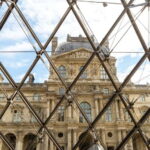
Paris has a quieter side south of the center, and this self-guided walk takes you there. Instead of leading you into Parc Montsouris, it traces the streets around it, linking small gardens, art nouveau details, and old waterworks in a route of about 90 minutes to two hours. I like the freedom to pause whenever a pretty house or plaza catches my eye, and I like that the audio, map, and route data work offline. The main catch is navigation: the tour depends on your phone, and the start point is specific enough that you should locate Porte d’Arcueil before setting out.
I also like the modest price. At $9.99 per person, it costs less than a conventional guided walk and gives you lifetime access rather than one fixed departure. Still, this is not a museum tour, and there is no person waiting to solve a wrong turn. One low rating came from someone who could not find the activity address, so download the app and confirm the meeting point before you leave.
In This Review
- Key points at a glance
- A quieter Paris around Parc Montsouris
- Starting at Porte d’Arcueil
- The Montsouris Reservoir and Paris water
- Circling the park instead of entering it
- Place Mohamed Bouazizi and small public spaces
- The Roman aqueduct remnant at Lutetia
- A short pause at Jardinet de la Rue-de-l’Amiral-Mouchez
- Cité Florale and the 13th arrondissement
- The 14th arrondissement and the final gardens
- How the VoiceMap format works
- Is $9.99 good value?
- Who should take this walk?
- Should you book the Parc Montsouris audio walk?
- FAQ
- How long does the self-guided tour take?
- Where does the tour start?
- Where does the tour end?
- Does the route go through Parc Montsouris?
- Do I need my own smartphone and headphones?
- Can I use the tour without mobile data?
Key points at a glance
- A neighborhood walk, not a Parc Montsouris park tour: The route circles the park but does not take you through it.
- GPS-triggered audio: Commentary plays automatically as you reach the right places through the VoiceMap app.
- Water history along the way: The Montsouris Reservoir and the Roman aqueduct remnant at Pièce d’aqueduc romain Lutetia give the walk a strong local theme.
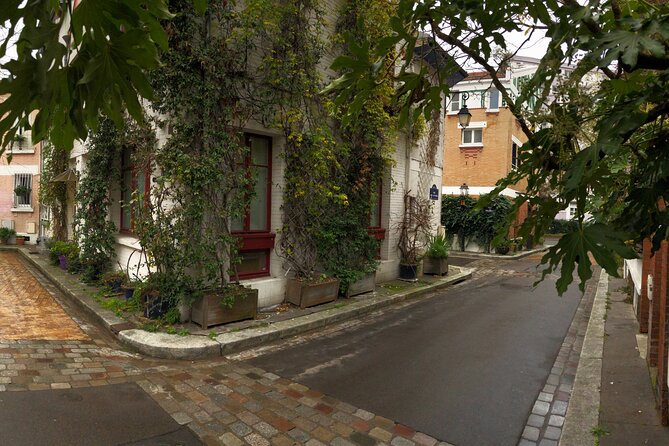
- Pretty residential corners: Cité Florale and the small Jardinet de la Rue-de-l’Amiral-Mouchez bring quiet streets and garden spaces into the route.
- Flexible and private: You walk alone with your own group, at your own speed and on your own schedule.
- Bring the essentials: Your smartphone, headphones, and transportation to Porte d’Arcueil are not included.
A quieter Paris around Parc Montsouris
This walk is for the part of Paris that does not ask for your attention with a famous façade every few steps. In the 13th and 14th arrondissements, the interest comes from the connection between ordinary streets, small public spaces, water infrastructure, and residential architecture.
I find that appealing because the route gives you a reason to look closely. A small plaza may matter because of its name. A garden may be easy to miss without the audio. A plain-looking structure may explain how Paris gets drinking water. The experience turns a south-Paris walk into a story rather than a simple stroll.
The audio plays through GPS, so you are not expected to stare at your screen every minute. The app should guide you from point to point, while offline access means you can use the route without relying on a live data connection. I would still check that the tour has downloaded properly before leaving. Losing your signal is one thing. Discovering that the map never loaded is another.
The route takes roughly one hour and 30 minutes to two hours. Your pace matters. If you stop to inspect the gardens, pause the audio, or take photos, allow the longer end of that range.
You can also read our reviews of more guided tours in Paris



Starting at Porte d’Arcueil
The walk begins at Porte d’Arcueil in the 14th arrondissement. That meeting point is practical, but it is also the part of the experience that deserves the most preparation.
You do not meet a guide in a bright vest or gather with a group. You begin when you arrive, open the VoiceMap app, and follow the GPS route. The activity is private in the simple sense that only your group participates. That gives you room to walk slowly, stop for a snack, or replay a section without keeping pace with strangers.
The supplied address information identifies Porte d’Arcueil as the start, but one person had trouble locating the activity and lost the booking cost. The operator said the person had contacted Viator rather than VoiceMap and invited them to write directly to [email protected] about a refund. The practical lesson is clear: sort out the start point before the walking day, and save the support email with your booking details.
You will also need your own smartphone and headphones. Food, drinks, transport, and any entrance fees are separate. Since the walk is outdoors and self-paced, wear shoes you can use comfortably for up to two hours.
The Montsouris Reservoir and Paris water
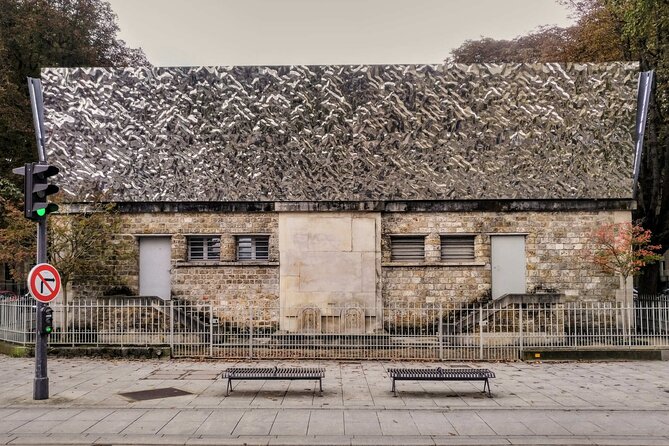
One of the most unusual stops is the Montsouris Reservoir. This gives the walk a useful subject beyond pretty streets: the water supply that supports city life.
The stop is brief, so do not expect a long visit or an indoor tour of the reservoir. Its value is in the context the audio provides. Paris is often presented through monuments, cafés, and grand boulevards. A water reservoir shows another side of the city, the practical systems that made urban life possible.
I like this kind of stop because it changes how you read the neighborhood. The streets are not just a route between attractions. They are part of a working city with infrastructure beneath and around them. The tour also connects this modern urban question with an older water source at the Roman aqueduct remnant later in the walk.
Because this is a self-guided tour, you should not assume that the reservoir is an attraction with a regular visitor entrance. The information provided describes a brief stop by it, not a ticketed visit inside. Treat it as an exterior point on the route.
Circling the park instead of entering it
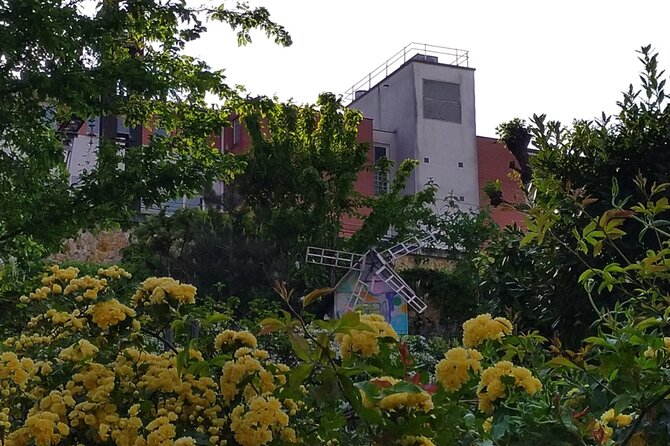
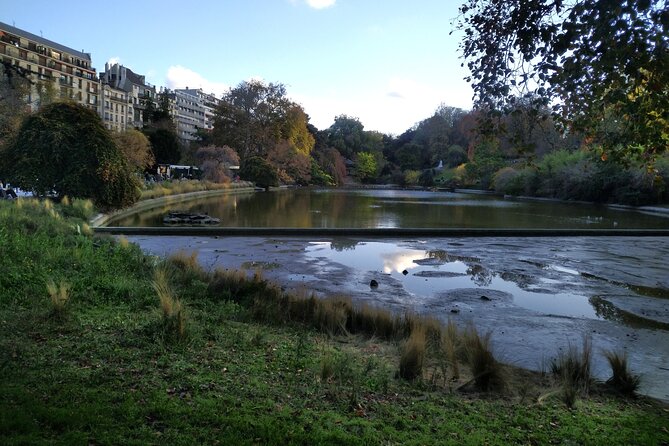
The name Parc Montsouris may lead you to expect a park walk. That is not what this experience offers. The route goes around the park without taking you through it.
That distinction matters. If your main goal is to sit beside the park, wander its paths, or spend time among its lawns, you will need to make your own separate visit. The audio tour uses the park as a reference point while taking you into the surrounding arrondissements.
I see this as both a limitation and a strength. The limitation is obvious: you do not get a guided look at the park itself. The strength is that you reach places a standard park stroll might skip, including the Place Mohamed Bouazizi, a Roman aqueduct remnant, a small garden, and Cité Florale.
The route also lets you plan your time more freely. You can finish the audio walk and then enter Parc Montsouris on your own, or visit the park before starting. Just remember that the advertised duration covers the audio route, not extra time spent exploring the park.
Place Mohamed Bouazizi and small public spaces
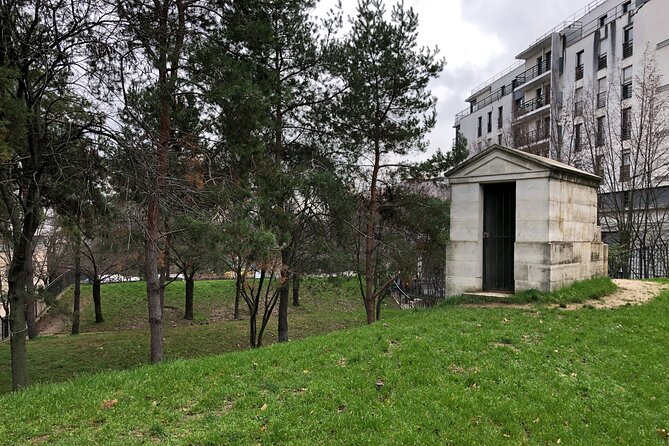
The route passes through Place Mohamed Bouazizi, adding a named public square to the walk. It is a brief passage rather than a major scheduled stop, but that is part of the charm here.
I enjoy tours that give these smaller places a voice. Without explanation, you may cross a square, glance around, and keep walking. With the audio, the name and setting become part of your understanding of the neighborhood.
Do not expect every point to be a grand spectacle. This is a walk of details. The square works best for you if you are happy to pause, listen, and notice how Paris changes from one block to the next. If you want a dense run of famous sights, this route may feel too quiet.
A few more Paris tours and experiences worth a look






The Roman aqueduct remnant at Lutetia
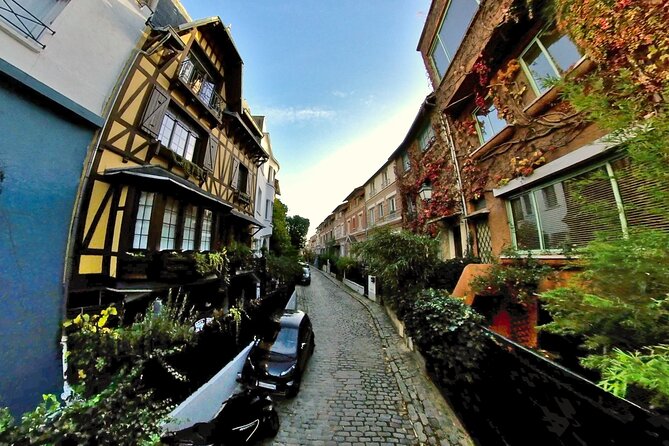
The Pièce d’aqueduc romain Lutetia is another distinctive point. It connects present-day Paris with the Roman city of Lutetia, using a small surviving piece of an aqueduct rather than a large archaeological complex.
That scale is important. You are passing an individual remnant, not entering a major museum or standing before a fully preserved ancient structure. The audio supplies the reason to stop and gives the fragment a place in the larger story of Paris.
I find this one of the better uses of a self-guided audio format. A small archaeological feature can be easy to overlook, especially in a residential part of the city. The app helps you arrive at the right place and explains why it matters.
Since no entrance ticket is included or indicated, plan on seeing the remnant as part of the street route. You should not build your schedule around an extended archaeological visit here.
A short pause at Jardinet de la Rue-de-l’Amiral-Mouchez
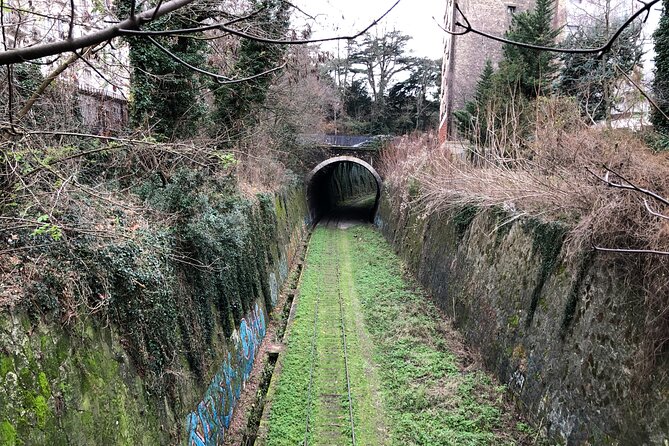
The walk makes a brief stop inside the Jardinet de la Rue-de-l’Amiral-Mouchez. The name itself signals the kind of Paris this tour seeks out: compact, local, and easy to miss.
A small garden gives the route a welcome change of pace. After streets and infrastructure, you get a place to pause for a moment and take in a quieter setting. I would use this stop as a natural point to pause the recording, check the map, and catch your breath if needed.
The word brief is worth keeping in mind. This is not presented as a large botanical garden or a full park visit. You might find it pleasant precisely because it is modest, but you should not expect a long list of formal attractions.
Opening details for the overall end location show access from noon to midnight every day during the stated date range. The tour data does not give separate opening hours for this little garden, so use the app route and current local conditions rather than assuming every small space has identical access.
Cité Florale and the 13th arrondissement
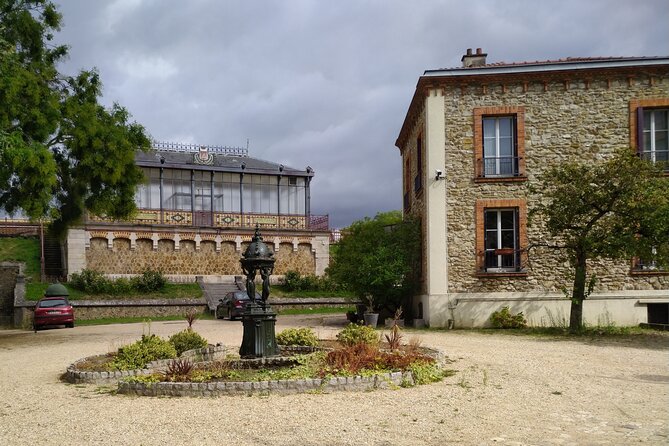
The Cité Florale neighborhood is likely to be one of the most rewarding sections for anyone who enjoys residential Paris. The route passes through the area rather than reducing it to a quick photo stop.
This is where I would slow down. The experience is built around back streets, pretty houses, and quaint residential views. One especially positive account described enjoying those smaller streets and houses, and that matches the tour’s strongest appeal: it gives you a reason to pay attention to places outside the usual central circuit.
The route also passes through parts of the 13th arrondissement. That makes the walk useful for someone who wants to see Paris beyond the postcard center without committing to a full-day excursion. You are not being asked to cross the entire city or follow a rigid schedule. Instead, the audio links several small areas in a manageable outing.
Keep your expectations sensible. The information does not promise entry into private homes, special interiors, or a formal architecture presentation. You are walking public streets and hearing commentary through the app. The pleasure comes from the combination of setting, story, and freedom to look around.
The 14th arrondissement and the final gardens
The route begins in the 14th arrondissement and later crosses parts of both the 14th and 13th. That movement gives the experience a local neighborhood feel rather than a single-attraction format.
The walk ends at Square des Mimosas, listed at 5 Square des Mimosas in the 13th arrondissement. The final stop is identified as Jardines bonitos, so the ending brings you back to the tour’s recurring idea of small, attractive green spaces.
This ending is useful for planning. You do not return to Porte d’Arcueil, so think about what you want to do afterward. The provided details identify the end point, but they do not include a transport plan from Square des Mimosas. You should check your own route onward before starting, especially if you have a train, timed reservation, or airport connection.
The end location is open every day from midnight to 11:59 p.m. during the stated period, though that broad schedule should not be taken as a guarantee that every feature on the route has the same hours.
How the VoiceMap format works
The VoiceMap app is the guide. It is available for Android and iOS, and the tour includes offline audio, maps, and geodata. GPS triggers the spoken sections as you move, so you can keep your phone in hand or pocket more often than you would with a screen-based walking map.
That setup suits independent walkers. I like being able to pause when I want, take a detour, or repeat an explanation. You also receive lifetime access, which makes the $9.99 cost more useful if you expect to return to Paris or want to take the walk on another day.
The tradeoff is that the technology becomes part of the tour. Your phone must be charged, the app must be installed, and your headphones must work. The audio cannot answer a question, rescue you from every wrong turn, or adjust the route for a sudden closure.
I would download the tour before reaching Porte d’Arcueil. Confirm the route begins at the correct place, bring headphones, and keep the map available even though the audio is automatic. Two people had momentarily lost their way during the walk, yet still found the experience enjoyable. That tells me the route can recover from small mistakes, but you should not treat navigation as foolproof.
Is $9.99 good value?
At $9.99 per person, this is a low-cost way to add a structured walk to a Paris stay. Three strong points support the price: lifetime access, offline use, and the ability to walk privately at any time.
A conventional private guide would normally cost far more, though it would offer conversation and personal help. This tour gives you none of that. You are paying for prepared audio and route design, not a live person.
The value is highest if you enjoy quiet neighborhoods and can handle basic phone navigation. It is weaker if you want famous interiors, a social group, or a guide who can change the route around your interests.
The overall score attached to the experience is 3.7 from six ratings. I would read that as a sign to prepare carefully rather than as a reason to dismiss it. The strongest praise centers on the pleasant back streets, pretty houses, flexibility, and low cost. The main problem concerns finding the start point. That is a practical issue you can reduce with advance planning.
Who should take this walk?
I would recommend it to you if you have already seen the central sights and want a different side of Paris. It also fits a free final afternoon, especially if you would rather spend your last hours walking quietly than standing in another major attraction line.
It suits solo walkers, couples, families, and small private groups who prefer to set their own pace. The activity information says most people can participate, and it is near public transportation.
I would be more cautious if you dislike audio tours, depend on face-to-face guidance, or want to enter attractions along the way. The route includes no food, drinks, transport, museum tickets, or other entrance fees. You should also avoid booking it as a tight connection before another appointment because the finish is in a different arrondissement from the start.
Should you book the Parc Montsouris audio walk?
Book it if you want an inexpensive, flexible neighborhood walk with a focus on gardens, residential streets, water, and small historical traces. The route offers a thoughtful way to spend 90 minutes to two hours away from the busiest sights, and lifetime offline access makes the purchase easy to reuse.
Skip it if your picture of Parc Montsouris means wandering inside the park itself, or if you expect a live guide and a perfectly managed route. Before paying, confirm Porte d’Arcueil on your map, download the VoiceMap tour, charge your phone, and plan how you will leave Square des Mimosas.
For the prepared independent walker, this is a sensible $9.99 choice. It will not replace a guided tour of central Paris, but it can show you why the city is worth exploring one quiet block at a time.
FAQ
How long does the self-guided tour take?
The walk takes approximately one hour and 30 minutes to two hours, depending on your pace and how long you pause at the stops.
Where does the tour start?
It starts at Porte d’Arcueil, 75014 Paris, France.
Where does the tour end?
The tour ends at Square des Mimosas, 5 Square des Mimosas, 75013 Paris.
Does the route go through Parc Montsouris?
No. The route goes around Parc Montsouris without taking you through the park.
Do I need my own smartphone and headphones?
Yes. A smartphone and headphones are not included. The VoiceMap app works on Android and iOS.
Can I use the tour without mobile data?
Yes. The tour includes offline access to the audio, maps, and geodata. You should download the material before beginning the walk.