REVIEW · PARIS
Your Private boat Captain Guide Explore Historical Paris
Book on Viator →Operated by Paris River Cruise · Bookable on Viator
Skip the big ships; go private on the Seine. This 90-minute ride uses the river as your shortcut, with an English-speaking captain guiding you past the Eiffel Tower, Notre-Dame, and landmark bridges without waiting around. I especially like how the route turns the waterline into a front-row viewpoint for photos and a quick history lesson at each bend.
The main thing to plan around is weather. The boat needs to leave on time, can’t sail in heavy rain, and there’s no toilet onboard.
In This Review
- Key Highlights to Know Before You Go
- The Route: Why This Seine Cruise Feels Like a Best-Of Paris
- Meeting at Port de Javel Haut and What the Clock Means
- Grenelle to Eiffel Tower: The 1889 Statue and the Exhibition Backstory
- Alexandre III Bridge From the Water: Cast Steel, Golden Crowns, and Lions
- The First Stone Bridge Story (Henry III Era)
- Île de la Cité: Where Paris Began and Why the Seine Matters
- Notre-Dame de Paris: Stained Glass, Towers to 69 Meters, and a Two-Century Build
- Île Saint-Louis and the Old-Paris Stroll Vibe
- Captain Alexis: Humor, Flexibility, and Photo Spots
- Price and Value: $553 for Up to 7 People
- What to Bring: Drinks, Snacks, and the Onboard Extras That Help
- Weather Rules, Rain, and How to Plan So You Don’t Lose the Day
- Who This Private Cruise Fits Best
- Should You Book This Private Seine Captain Tour?
- FAQ
- How long is the private Seine cruise?
- What’s included in the tour price?
- Can I bring my own food and drinks onboard?
- Is the tour offered in English?
- Does the boat have a toilet?
- What happens if it rains?
Key Highlights to Know Before You Go

- Private boat time for up to 7 people means you can spread out and avoid the big-ship squeeze
- Captain Alexis adds route timing plus photo suggestions so you know where to stand and when
- A classic Paris lineup from the Eiffel Tower to Île de la Cité and Notre-Dame
- Two major bridges get special attention: Alexandre III and the earlier stone-bridge story
- Bring drinks and snacks; you get a bottle opener and cups, and extras can help on the day
The Route: Why This Seine Cruise Feels Like a Best-Of Paris

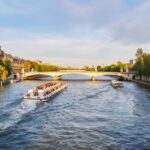
This tour is designed as a tight, high-impact run along the Seine. In about 1 hour 30 minutes, you glide past the city’s most recognizable riverside scenes: the Eiffel Tower, the grand sweep of Île de la Cité, and the stone-and-glass drama of Notre-Dame de Paris.
What makes it work for real life is the pacing. You’re not spending your time transferring between stops or lining up for viewpoints. Instead, the captain keeps the story moving as you pass each landmark from the water, which is exactly how Paris looks best at golden-hour vibes or bright daytime clarity.
There’s also a practical bonus to this style: since you’re in a private group, you can pause for photos without feeling like you’re slowing down a conveyor belt of strangers.
You can also read our reviews of more boat tours in Paris

Meeting at Port de Javel Haut and What the Clock Means
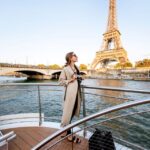
You’ll start at 2 Port de Javel Haut, 75015 Paris, and the tour returns to the same meeting point. The experience is offered in English, and you receive a mobile ticket.
Here’s the timing reality: the boat must leave on schedule. Any delay cuts into your time on the water, so if you’re traveling on foot, build in buffer and keep your plan simple. Since the tour is near public transportation, you can typically align your arrival with a convenient transit route, but still aim to show up early.
One more thing to note: the boat does not have a toilet. That sounds obvious, but on a short 1.5-hour cruise it’s the sort of detail that matters once you’re already onboard.
Grenelle to Eiffel Tower: The 1889 Statue and the Exhibition Backstory

Your first big viewpoint is a statue with a surprisingly globe-spanning timeline. This figure was installed and inaugurated in 1889 on the Grenelle bridge, originally facing the Eiffel Tower and directing its torch toward the Elysée. Later, it was moved in 1937 so that it would face New York, where its big sister statue stands.
From the boat, you’re not just seeing a decorative piece. You’re getting the message behind it: how the Eiffel Tower’s era sparked international symbolism, and how Paris later kept those themes alive by reorienting the monument as the world stage shifted.
Then you move right into the Eiffel Tower story. The tower was built for the Paris Universal Exhibition in 1889, which took over the Champ-de-Mars area. Passing the tower from the Seine matters because you get a different geometry than you do from the sidewalks—more vertical framing, more river context, and a cleaner sense of the tower’s scale.
Alexandre III Bridge From the Water: Cast Steel, Golden Crowns, and Lions

Next comes one of the most visually loaded bridges in Paris. Alexandre III is a cast steel bridge stretching 160 meters, and it’s engineered like a showpiece. As you head under it, you’ll see 32 bronze candelabra, four pillars rising 17 meters and topped with golden crowns, plus Louis XIV–style cast-iron decoration.
There are also lions at each end, and that symmetry is part of why this bridge is such a favorite for photos. Even if you’ve seen Alexandre III from the banks, passing under it gives you a “ceiling effect” where the details crowd in from above and sides.
The only drawback is the one you’ll see with most under-bridge moments in Paris: it can be slightly tight for angles, and photos depend on timing. The captain’s job here is to pick the right moment so you don’t miss the clean shot while the boat is moving.
The First Stone Bridge Story (Henry III Era)

After the grand showpiece comes an older chapter: the first stone bridge construction in France. Work began because King Henry III decided on it in 1577 and appointed a commission to keep everything running smoothly. In 1578, the first stone was laid by the king, in the presence of the queen mother Catherine de Medici and the king’s wife Louise de Lorraine. Construction continued until 1588.
From the boat, this stop-style pass-by gives you a feeling for how long Paris has been building, rebuilding, and reinforcing its river crossings. Bridges in this city aren’t just infrastructure; they’re markers of political power, engineering progress, and changing tastes.
One thing to keep in mind: you’re not getting out to walk this one. If you love to linger at monuments, you’ll probably want to save extra walking time for a separate visit—this cruise keeps it moving, on purpose.
You can also read our reviews of more guided tours in Paris

Île de la Cité: Where Paris Began and Why the Seine Matters

When the cruise reaches Île de la Cité, the tone shifts from landmark spectacle to origins. This island is described as the cradle of Paris, where the first nucleus of Lutetia developed. Over time, its fortifications helped it become the place where civil, military, and religious powers took hold.
The story gets very specific around the year 1000. The Capetian kings built a first royal palace there, which later became the current Palace of Justice. Bishops of Paris built Notre-Dame Cathedral, and as the population grew, the island alone could no longer hold everyone—so the city expanded onto Île Saint-Louis and both banks of the Seine.
You’ll pass the island and the riverbanks in a way that helps you understand Paris as a linked system. It’s not random sightseeing. The geography is the plan.
Notre-Dame de Paris: Stained Glass, Towers to 69 Meters, and a Two-Century Build

The cruise brings you alongside Notre-Dame de Paris, with the key timeline laid out clearly. Construction began in 1163, and it took two centuries, finishing in 1351. The architecture is explained as a technical feat for its time, not just a pretty facade.
As you go by, you can take in the major elements the cruise highlights: stained glass windows, the nave, the framework, and the towers reaching 69 meters. Even from the water, the scale lands fast—this is one of those landmarks where you feel the height in your body, even without climbing anything.
The tradeoff is that weather and lighting can affect how much detail you catch from the water. If it’s bright, you’ll see clearer silhouettes and window shapes. If it’s overcast, the view can shift toward dramatic contrast rather than crisp detail.
Île Saint-Louis and the Old-Paris Stroll Vibe

Finally, the cruise reaches Île Saint-Louis, known as a place for strolling and for people who love Old Paris atmosphere. It’s associated with romance, walkers, and visitors who want the quieter feel compared to the biggest postcard spots.
A few references show up as part of the passing view: Maison Berthillon and its famous ice creams, plus bookstores, small shops, and charming cafés. Even though you’re not stopping to wander here on foot during this cruise, passing by gives you a sense of where you’d want to spend extra time if you want that slower pace.
If you’re traveling as a family, this is also a nice moment for a change of pace. You’ve already seen the major showpiece landmarks; now you get the more neighborhood-feeling side of Paris without adding more logistics.
Captain Alexis: Humor, Flexibility, and Photo Spots
A private cruise rises or falls on the captain, and the standout in this experience is Captain Alexis. The guidance isn’t just facts; it’s tied to how you’ll actually experience the river. He’s described as friendly and helpful, and the stories include practical touches that make the day smoother.
One of the most useful skills mentioned is timing flexibility when conditions change. On days with iffy weather, the captain has moved the tour time up to help avoid rain. That kind of decision matters, because this cruise is weather-dependent and the boat can’t sail in heavy rain.
There are also thoughtful comfort extras based on the season. On hot summer days, a cooler for refreshments was provided. In October, the captain had blankets available when things got chilly. Those aren’t “tour brochure” details; they’re the difference between enjoying the ride and feeling like you’re just enduring it.
And then there’s the photo help. He’s described as suggesting great photo spots and being ready to take pictures when you hit the landmark moments.
Price and Value: $553 for Up to 7 People
At $553 per group (up to 7), the price isn’t cheap if you’re traveling solo. But the math changes fast once you split the cost across a group. You’re buying privacy, a dedicated captain and guide, and a guided route focused on the big icons—Eiffel Tower, major bridges, Île de la Cité, and Notre-Dame—within 90 minutes.
What you’re really paying for is time. This cruise compresses several major sights into one smooth water-based experience. If you had to cobble together separate viewpoints across the city, you’d spend more time moving around and more time dealing with crowds.
Also, the inclusions help: bottle opener and plastic cups are provided, and the captain and guide are part of the package. Since you can bring your own food and drinks, you can keep the day’s spending more under control than if you had to buy everything onboard elsewhere.
What to Bring: Drinks, Snacks, and the Onboard Extras That Help
Food and drinks aren’t included, but you’re welcome to bring them onboard. For a 1.5-hour cruise, that’s often the easiest way to stay comfortable, especially if you’re traveling with kids or you want a favorite wine or snack without paying tourist-markup prices.
The basics are covered: you get a bottle opener and plastic cups. In practice, the captain has also provided useful extras like a wine opener, additional cups, paper towels, and a small cutting board, which makes it easier to serve snacks without making a mess.
One more practical detail: because there’s no toilet on board, it’s smart to treat this like a short outing rather than a long hang.
Weather Rules, Rain, and How to Plan So You Don’t Lose the Day
This experience is highly weather dependent. The boat can’t sail in heavy rain, and you’re asked to check the forecast 48 hours before departure. If rain is predicted for the whole day and time of your booking, it’s best to reschedule rather than hope for a break.
The timing condition is strict: the boat must leave on time, and any delay shortens the course. That’s why the weather call matters—if conditions force adjustments, the captain may change timing to help you get the best version of the cruise.
If you’re booking in seasons like October, plan for cooler conditions. Blankets have been available, but your comfort still depends on dressing for the river air.
Who This Private Cruise Fits Best
This is a strong match if you want iconic Paris without the big-ship vibe. It’s also a good fit for families who want something that’s visually engaging and simple—sit, look, listen, and take photos.
It’s less ideal if you have mobility limitations. The boat isn’t accessible to people with reduced mobility, and older travelers should have full mobility. If you fall into that category, you’ll want to consider a different format that allows easier access.
It’s also a smart choice if you’re short on time. With only 90 minutes, you still cover the Eiffel Tower, major bridge architecture, Île de la Cité, and Notre-Dame without trying to sprint across the city.
Should You Book This Private Seine Captain Tour?
Yes, if you want a private, English-guided Seine cruise that hits the headline sights fast and with good photo opportunities. The route is built for people who care about seeing Paris from the water, not just collecting a few postcard stamps.
Book it if your dates are flexible enough to handle weather. The biggest variable here is rain, and the boat can’t run in heavy rain. If your schedule is tight and forecast uncertainty will stress you out, you may want to weigh that risk.
One more planning tip: this tour is booked about 39 days in advance on average, so grabbing your slot sooner rather than later can help.
FAQ
How long is the private Seine cruise?
The cruise is about 1 hour 30 minutes.
What’s included in the tour price?
It includes a private captain and guide, plus a bottle opener and plastic cups. Food and drinks are not included.
Can I bring my own food and drinks onboard?
Yes. You can bring drinks and food onboard, and you’ll have cups and a bottle opener available.
Is the tour offered in English?
Yes, it’s offered in English.
Does the boat have a toilet?
No. The boat does not have a toilet.
What happens if it rains?
The experience is highly weather dependent. The boat cannot sail in heavy rain, and you may be offered a different date or a full refund if it’s canceled due to poor weather.