REVIEW · FRANCE
Visit and Chablis wine tasting at Domaine Clotilde Davenne in English
Book on Viator →Operated by Clotilde Davenne sarl · Bookable on Viator
A calm, personal Chablis tasting starts at the vines. I like the vines-to-winery flow, where you learn about terroir and history before pouring anything, and I also like the tasting of your choice across multiple appellations. The one thing to consider is that this is a compact visit (about 1 hour 30), so if you want a long, deep classroom-style session, you’ll likely want to pair it with more time in the region.
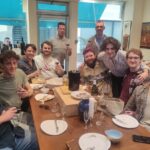
You’ll meet at Domaine Clotilde Davenne, 3 Rue de Chantemerle, 89800 Préhy, and you can expect a friendly, authentic setting led by someone close to the estate—often the winemaker’s son—so the explanations come with real personality, not just a script. With a maximum of 30 travelers, it should feel relaxed rather than crowded, and the tour runs in English.
In This Review
- Key highlights you will actually care about
- Domaine Clotilde Davenne in Chablis: simple, friendly, and well-paced
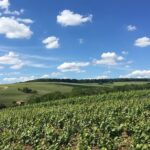
- First stop: the vines at the foot of the estate (and why it’s not a gimmick)
- Touring the winery: what you gain after the terroir talk
- Your tasting choice: Chablis and more (Saint-Bris, Irancy, Bourgognes, Crémants)
- What the 90 minutes really feel like in practice
- Price and value: why $21.67 can make sense here
- Who this Chablis tasting suits best
- Should you book Domaine Clotilde Davenne?
- FAQ
- How long is the wine tasting at Domaine Clotilde Davenne?
- Is the experience offered in English?
- Where does the tour start?
- What wines can I choose to taste?
- How big is the group?
- What is the cancellation policy?
Key highlights you will actually care about

- Vines-first start: See the vines at the foot of the estate and get terroir and history explained before the tasting.
- Winery visit included: You don’t just sample wine; you also discover the winery setting where it’s made.
- Pick what you taste: Choose from Chablis-area appellations and styles for your tasting.
- English service: Offered in English, so you’re not stuck guessing what you’re drinking.
- Smallish group feel: Capped at 30 travelers, which helps keep the tone personal.
- Warm, end-to-end hosting: Strong praise centers on a great greeting, tour, tasting, and goodbye.
Domaine Clotilde Davenne in Chablis: simple, friendly, and well-paced

Chablis wine tasting can be either very polished and distant, or relaxed and human. This one leans human.
The big reason I think it works is the pacing. You start with a walk that sets context—vines, terroir, and the estate’s history—then you move into the winery, then you taste. That order matters because it turns the tasting from random sips into something you can place in the landscape of Chablis production (even though you’re not there for a long trek or a full-day itinerary).
You’re also not trapped into one “fixed” tasting menu. You can choose your tasting from the estate’s appellations, so you can tailor the experience toward what you’re curious about rather than accepting a one-size-fits-all flight.
You can also read our reviews of more food & drink experiences in France
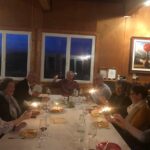
First stop: the vines at the foot of the estate (and why it’s not a gimmick)

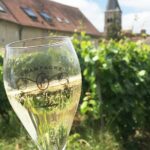
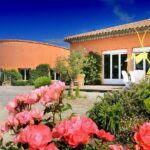
The tour begins with a visit to the vines at the foot of the estate. This is where you’ll get explanations of terroir and the estate’s history, before you step away from the growing area and toward the winery.
Why I like this approach: it helps you understand what you’re seeing and drinking. If you show up only for the glass, wine tastings can feel like a quick taste test. Here, you get to connect the cues first—where the grapes come from and how the estate frames its story.
It also sets the tone. The reviews that rate this highly point to a host who knows the wine and can explain it clearly. In other words, you’re not being talked at while everyone else waits. You’re being guided.
A practical thought: since this part is outdoors and tied to the vines, dress for typical outdoor conditions in Burgundy/Chablis. Even a short walk can feel cooler than you expect, especially if you visit outside of midsummer.
Touring the winery: what you gain after the terroir talk

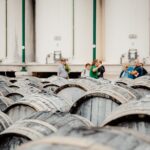
After the vines, you’ll discover the winery. That’s the bridge between “how it’s grown” and “how it’s made.”
The structure here is straightforward:
- See the setting tied to terroir and estate history.
- Then shift into the production space.
- Then taste wines produced by the estate.
This transition is valuable because it keeps your questions in the right order. When you’ve just heard the estate’s background and terroir explanation, the winery visit feels less like sightseeing and more like understanding the logic behind the wines.
And based on the strong feedback from people who highlighted the winemaker’s son leading the tour, the winery stop likely comes with stories you can actually use—why certain choices are made and how the estate wants its wines interpreted. That personal touch is often what separates a good tasting from a memorable one.
Your tasting choice: Chablis and more (Saint-Bris, Irancy, Bourgognes, Crémants)

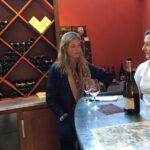
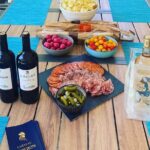
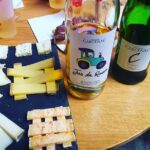
Then comes the best part: wine tasting.
You’ll taste wines of your choice from the estate’s appellations, which include:
- Chablis
- Saint-Bris
- Irancy
- Bourgognes
- Crémants
That “choose your tasting” detail is a quiet win for value and enjoyment. If you already know you want something in the Chablis family, you can lean into that. If you want to compare styles within the broader area, you can do that too. You’re not forced into drinking through options you didn’t ask for.
Also, the experience is described as a way to discover the Chablis region and the estate’s range of Chablis and Auxerrois wines. That means even if your tasting selection focuses on the named appellations above, you should leave with a clearer sense of the estate’s overall portfolio.
One more helpful note: this is a structured tasting, but it’s not presented as a super long academic seminar. Think conversation plus tasting, not five courses and a chalkboard. If you want an hour of wine education with a few well-chosen pours, this fits well.
What the 90 minutes really feel like in practice
The duration is about 1 hour 30 minutes, and with a maximum group size of 30 travelers, you should get a tour that doesn’t drag.
Here’s how that time tends to break down in a vines-to-tasting flow:
- Short orientation and vine visit with explanations.
- Winery visit and storytelling.
- Tasting of your chosen wines.
Because the itinerary is compact, it’s ideal if you want something that fits into a broader day—like pairing it with a walk in nearby villages, a meal, or another stop in the Chablis area. If you’re spending only a day around Chablis, this is a practical way to get a real wine experience without sacrificing your whole schedule.
The drawback, as a planning consideration, is that it moves fairly quickly. If you’re the type who wants to linger at each stop for deep Q&A, you may want to prepare a couple of focused questions so you get the most out of the time.
You can also read our reviews of more wine tours in France


Price and value: why $21.67 can make sense here
At $21.67 per person, this tasting isn’t trying to be the fanciest or most expensive option in the region. What makes the price feel reasonable is what’s included: the vine walk with terroir/history explanations, a winery visit, and a tasting of wines from the estate’s appellations.
A quick value check:
- You’re paying for an experience that combines education + production access + tasting.
- You’re not paying separately for multiple components.
- The English offering helps you actually understand what you’re buying with your time and money.
So the question isn’t only what it costs. It’s what you receive for that time. Here, you’re getting a guided, structured visit that’s short enough to stay efficient and personal enough to feel like more than just pouring samples and moving on.
Who this Chablis tasting suits best
This is a good fit if you want:
- A guided Chablis-area tasting in English
- A visit that starts at the vines and ends at the glass
- A friendly host who can explain things in a way that feels natural
- A short, well-managed outing (about 90 minutes)
It’s also a strong choice for couples, small groups, or solo travelers who want quality without committing to a half-day tour. The reviews that rate the experience near-perfect highlight that personal hosting and clear wine knowledge are central to the feel of the day, so if that matters to you, you’ll likely appreciate this setup.
Should you book Domaine Clotilde Davenne?

Yes—if you want a real Chablis wine tasting experience that stays human and organized.
Book it if you like the idea of starting at the vines (so your tasting makes sense), getting a winery visit (so it’s not just a table and glasses), and tasting wines you choose from Chablis, Saint-Bris, Irancy, Bourgognes, and Crémants. The high recommendation rate and strong ratings tied to end-to-end friendliness and expert explanations are exactly the kind of signal that helps you pick confidently.
Skip it (or consider pairing it with something longer) if you’re looking for a super long tasting format or a slow, deep course with lots of extended downtime at each stop. This one is made to be efficient and guided, not drawn out.
FAQ
How long is the wine tasting at Domaine Clotilde Davenne?
It’s approximately 1 hour 30 minutes.
Is the experience offered in English?
Yes, it is offered in English.
Where does the tour start?
The meeting point is Domaine Clotilde Davenne, 3 Rue de Chantemerle, 89800 Préhy, France.
What wines can I choose to taste?
You can choose a tasting from appellations including Chablis, Saint-Bris, Irancy, Bourgognes, and Crémants.
How big is the group?
The tour has a maximum of 30 travelers.
What is the cancellation policy?
You can cancel for a full refund if you cancel up to 24 hours in advance of the experience start time.