REVIEW · REIMS
Veuve Clicquot Tour From Paris
Book on Viator →Operated by LinkParis.com · Bookable on Viator
Bubbles start fast, and this day moves. You’ll get round-trip train service from Paris and spend the spotlight time at Veuve Clicquot in Reims’ cellars. It’s a structured Champagne hit, not a scattershot self-guided scramble.
I also love the small group size, with a max of eight people, which keeps the pace civilized and the questions coming. The big consideration: it’s a long day (about 11 hours), and the tour only includes pick-up and drop-off in Reims, so you’ll need to handle getting to/from Paris on your own.
In This Review
- Key Points You Should Know Before You Go
- Reims by high-speed train: why the schedule works
- First stop in Reims: a cathedral break before the Champagne
- Veuve Clicquot cellars: the main tasting and the story behind it
- Lunch in Champagne country: food plus another tasting
- After lunch: a Marne family producer you can actually talk to
- Epernay’s Avenue de Champagne and Hautvillers: the region in two flavors of stop
- Avenue de Champagne (Epernay)
- Hautvillers
- What the tastings really mean when you’re doing about ten
- Small group size and guides: why max eight matters
- Price and logistics: what you pay for, and what you still handle
- Who should book this Champagne day and who should skip it
- Should you book Veuve Clicquot Tour From Paris?
- FAQ
- How long is the Veuve Clicquot tour from Paris?
- Does the price include train transportation between Paris and Reims?
- Is the tour small group size limited?
- Is lunch included, and is there Champagne with it?
- How many Champagne tastings are included?
- Where do you meet the guide in Reims?
- Is hotel pick-up in Paris included?
Key Points You Should Know Before You Go

- Veuve Clicquot as the main event: guided cellar tour plus tastings that set the tone for the day
- Around ten tastings total: enough variety to compare styles, not just sip and leave
- Two Champagne stops beyond Veuve Clicquot: Epernay (Avenue de Champagne) and Hautvillers, plus a nearby Marne producer
- Lunch is included: and it comes with another Champagne tasting
- Max eight people in English: you’ll get more back-and-forth with guides such as Suzanne, Gerome, Thomas, and others mentioned in feedback
- High-speed rail makes timing sane: short train ride out, quick return to Paris in time for dinner
Reims by high-speed train: why the schedule works

This tour’s best trick is also the simplest: you travel from Paris to Reims by high-speed rail and the train connection is built into the experience. The first leg is about 45 minutes, so you’re not spending half your day dragging luggage around.
You also have a choice of first or second class, depending on what you value more: a quieter ride or a lower cost. Either way, you’re starting the Champagne region portion without the usual “where do we meet?” chaos—your guide meets you after you arrive in Reims.
You can also read our reviews of more tours and experiences in Reims.

First stop in Reims: a cathedral break before the Champagne
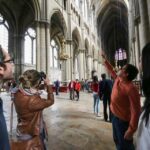
After you meet your guide at Pl. de la Gare (Reims), the day doesn’t jump straight to glassware. You’ll get a look around Reims’ city center, plus time at the historic Notre-Dame de Reims cathedral.
That matters because it gives context. Champagne isn’t just a drink; it’s a whole region with a long, visible identity. This short intro also helps you reset before cellars, where you’ll likely spend time walking and standing.
Veuve Clicquot cellars: the main tasting and the story behind it

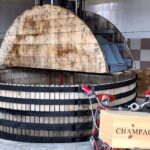
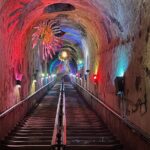
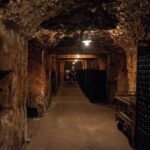
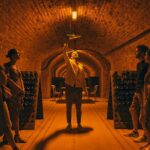
The heart of the day is the visit to Veuve Clicquot. You’ll tour the famous cellars and then do tastings on-site. This is the part most people come for, and it’s the part that tends to feel most focused: you’re not rushed through a photo stop.
A few things I like about how this portion is set up:
- You get a guided tour, not just a tasting counter.
- The tasting is paired with the background, so you understand what you’re smelling and why.
- The pacing gives you time to ask questions in English, which is especially helpful when you want to know what makes one style different from another.
From the feedback, guides like Suzanne and Gerome stand out for clear explanations and energetic storytelling. In a day this full, that kind of guidance makes the tastings much more meaningful than a blind sampling session.
Lunch in Champagne country: food plus another tasting
Lunch is included and it’s not an afterthought. You’ll eat after the Veuve Clicquot portion, and the lunch includes another local Champagne tasting.
This is a smart move for two reasons. First, you’re already tasting, so eating keeps your palate from turning into mush after the third pour. Second, it gives you a chance to slow down and compare what you liked so far—dry vs. fuller styles, more citrus-forward notes vs. something deeper—without trying to do it at the speed of a group photo.
The lunch is described as local and traditional, and it’s the kind of meal that fits the day: not fancy enough to feel precious, but satisfying enough to keep you comfortable through the afternoon.
After lunch: a Marne family producer you can actually talk to

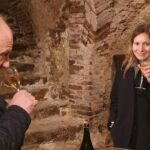
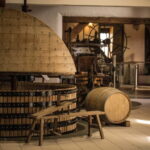
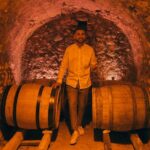
After Veuve Clicquot, you’ll visit a family Champagne maker in the nearby Marne area for a tour and tasting. The day’s theme shifts slightly here. At a big name house, you often get a sense of scale. At a smaller producer, you can get a better feel for craft and how Champagne fits into local life.
This is where your questions can get more personal:
- How they manage their process
- What they aim for in taste and aroma
- How their approach compares to what you saw earlier
That variety is one of the best values of this tour. You’re not just collecting tastings. You’re comparing different ways of making bubbles.

Epernay’s Avenue de Champagne and Hautvillers: the region in two flavors of stop
The tour also includes two classic Champagne-region stops that help you “see” the story beyond the cellars:
Avenue de Champagne (Epernay)
You’ll spend about 45 minutes in Epernay on Avenue de Champagne. This is the iconic center of Champagne making, and the main value of this stop is orientation. Even if you don’t go inside every house you spot from the street, you get a clear sense of the industry’s footprint.
Hautvillers
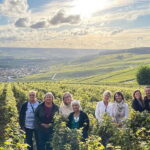
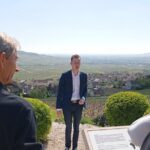
Then you’ll head to Hautvillers for about 45 minutes. This is the village where Champagne is associated with its early beginnings, and you’ll get a feel for the more rural side of the region. One review specifically called out a church connection tied to Dom Pérignon, which makes sense with the kind of storytelling you’ll hear in Hautvillers.
These stops are shorter than the big tastings, so treat them as “place the Champagne” moments. You’ll come away with better mental maps, which makes any future Champagne visits easier.
What the tastings really mean when you’re doing about ten
About ten tastings total sounds like a lot—and it is. The good news is that the tour doesn’t leave you to guess what you’re doing. A proper guide turns a tasting into a mini-lesson.
Here’s how I’d think about pacing if I were you:
- Take notes or at least pick one word for each tasting (like crisp, creamy, fruity, toast).
- Don’t chase the strongest pour. Look for the one that feels balanced.
- Plan on water at least between tastings. Your future self will thank you when you’re walking through cellars and villages.
Also, keep your expectations realistic. You’re not trying to become a sommelier in one day. You’re training your palate to recognize differences across houses—something you’ll actually remember when you buy bottles later.
Small group size and guides: why max eight matters
This tour caps at eight travelers, and that shows in how the day feels. In larger groups, guides often focus on logistics and timing. Here, there’s room for real conversation and questions.
From the guides named in feedback—Manod, Radames, Carla, Thomas, and Gerome—you can see a pattern: people appreciated the explanations, the pacing, and the energy. When you’re tasting Champagne, those details matter. You’re spending money and time; you want the day to feel like more than a scheduled drinking break.
A small group also helps with meeting up after train stops and with finding the right van or group once you arrive in Reims. One note from feedback did flag that clearer directions on finding the group in Reims would help, so when you arrive, it’s worth double-checking your exact meeting instructions and arriving a little early.
Price and logistics: what you pay for, and what you still handle
At $645 per person for an 11-hour day, the value depends on what you want out of your Champagne trip.
Here’s what the cost clearly includes:
- Round-trip rail between Paris and Reims (first or second class)
- Tours and tastings across the houses and stops
- Lunch (with a Champagne tasting)
- Ten Champagne tastings total
- Pick-up and drop-off in Reims
What’s not included:
- Local transfers between your Paris hotel/apartment and the rail points
So if you’re staying near easy train access, this price starts to make sense fast. You’re paying for the guided experience, the tastings, and the rail logistics being handled for you. If you’re farther out in Paris, you’ll want to budget time (and possibly a taxi or metro ride) to reach the train departure and return smoothly.
Finally, a quick reality check: this is non-refundable and not changeable once booked. That’s not unusual for this type of tour, but it matters if your plans are fragile.
Who should book this Champagne day and who should skip it
This is a great fit if:
- You want one full day that includes the major Champagne highlights without planning
- You love learning how Champagne is made, not just tasting it
- You prefer a small-group pace with an English guide
- You want rail included so you can avoid the “train math” in your free time
You might think twice if:
- You hate long days. At 11 hours, you’ll be on the go from start to finish.
- You don’t want to manage your own Paris-to-train transportation. The tour covers Reims transfers, not hotel pickup in Paris.
- You’re sensitive to walking/standing. There’s a moderate fitness level suggested, and cellars and village time do involve movement.
Should you book Veuve Clicquot Tour From Paris?
If your dream is a guided Champagne day that feels organized—train included, tastings scheduled, lunch handled—and you want Veuve Clicquot to be the centerpiece, I’d lean yes.
Book it if you also like variety: big-house cellar time at Veuve Clicquot, then a Marne family producer, plus regional stops in Epernay and Hautvillers. That blend is exactly what makes this more than a one-house visit.
Hold off if you’re unsure you’ll enjoy structured tastings for an entire day, or if you’re staying somewhere that makes reaching the train painful. In that case, the logistics you save with the tour might not outweigh the hassle you create getting to and from the station.
FAQ
How long is the Veuve Clicquot tour from Paris?
The tour is about 11 hours in total.
Does the price include train transportation between Paris and Reims?
Yes. Rail to and from Paris is included in the tour price.
Is the tour small group size limited?
Yes. The tour has a maximum of eight travelers.
Is lunch included, and is there Champagne with it?
Lunch is included, and it includes an additional Champagne tasting.
How many Champagne tastings are included?
The tour includes ten Champagne tastings total.
Where do you meet the guide in Reims?
The meeting point in Reims is Pl. de la Gare, 51100 Reims, France.
Is hotel pick-up in Paris included?
No. Local transfers to and from your hotel or apartment in Paris are not included.