REVIEW · STRASBOURG
Strasbourg: 90-Minute Sightseeing Tour by Pedicab
Book on GetYourGuide →Operated by Cyclorama · Bookable on GetYourGuide
Strasbourg looks postcard-perfect, and this tour keeps it moving. A private pedicab makes the city feel slower and friendlier, while you still cover a lot of ground in just 90 minutes. I especially like how you’re not stuck in traffic-line mode near the big landmarks.
The best part is the mix of viewpoints and straight talk. You’ll get local tips on where to eat and what to see next, and the driver can answer questions as you roll past major sights. One thing to consider: this is a sightseeing ride, so many stops are about what you see from the street rather than going inside.
In This Review
- Key Things You’ll Notice on This Strasbourg Pedicab Ride
- Why Strasbourg Feels Different From a Pedicab
- Where the Tour Starts: Notre-Dame Area Meets Real Orientation
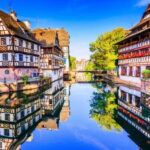
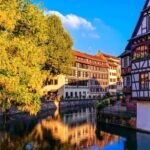
- Petite France: Canals, Bridges, and the City’s Medieval Edge
- Barrage Vauban and the Canal Geometry You Can Feel
- The Strasbourg Minster Clock and Palais Rohan: Big Names, Clear Context
- Place de la République and Neustadt Neoclassical Buildings
- Into the Quartier Européen: EU Buildings Without the Long Transit
- Parc de l’Orangerie and ARTE: A Soft Landing to End the Loop
- Pricing That Makes Sense for Small Groups
- The Driver Matters: Why Jean’s Style Gets Repeated Praise
- Who This Tour Fits Best
- Should You Book This Strasbourg Pedicab Tour?
- FAQ
- FAQ
- How long is the Strasbourg sightseeing tour by pedicab?
- What language options are available for the live guide?
- Where do we meet for the tour?
- Is this tour private?
- What is included in the price?
- What does the tour cost?
- Can I cancel if my plans change?
- Can I pay later?
Key Things You’ll Notice on This Strasbourg Pedicab Ride
- Door-to-landmark pace: easy, pedal-powered travel that helps you get oriented quickly.
- Jean-level guidance: a guide like Jean is praised for strong historical context and answering questions patiently.
- Old town + modern power: Petite France canals and then the EU buildings in the European Quarter.
- Canal and bridge views: covered bridges and waterfront stops that you’d miss if you only walk the main blocks.
- Architectural contrast: Neustadt neoclassical buildings and the orderly feel of major civic sites.
- A clear wrap-up loop: finishing with Parc de l’Orangerie landscaping and ARTE’s headquarters area.
Why Strasbourg Feels Different From a Pedicab
Strasbourg is one of those cities where the details matter: the canals, the bridges, the changing architecture from medieval quarters to big 18th–19th century civic building blocks, and then the modern EU presence. Walking will give you everything slowly, but a short schedule needs a shortcut that still feels human.
That’s where a pedicab shines. You get the city’s rhythm without the stress of timing buses, hunting parking, or hauling bags uphill. You also have an easy “conversation lane” with your driver, instead of trying to squeeze questions between crowds.
The tour is set up as a private group, so it doesn’t feel like you’re being herded. For a price of $141 per group up to 2, the value is less about “per person value math” and more about buying time: you’re spending 90 minutes getting a tour-level overview you could easily stretch into a full afternoon on your own.
You can also read our reviews of more tours and experiences in Strasbourg.

Where the Tour Starts: Notre-Dame Area Meets Real Orientation
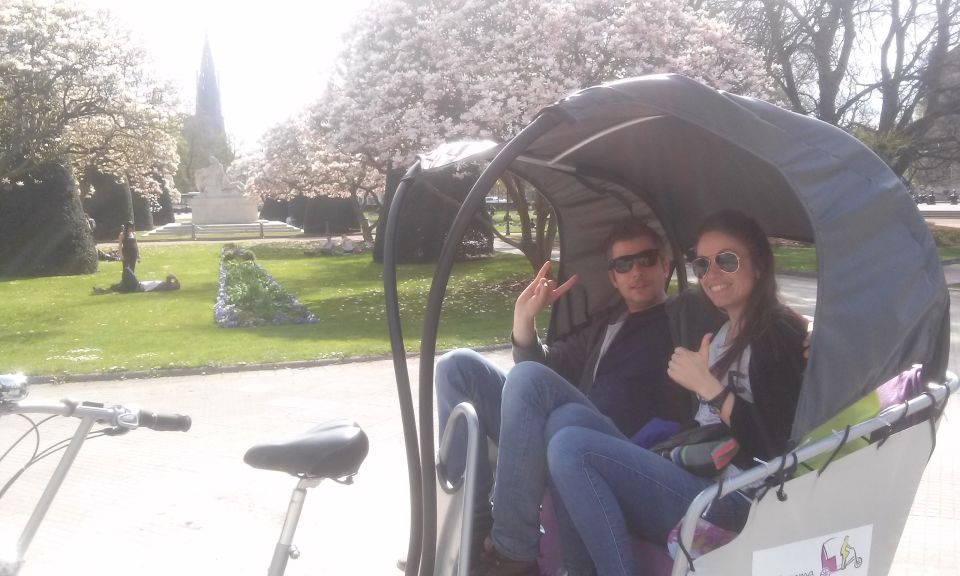
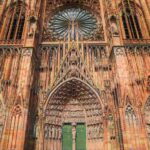
You meet at the Office de tourisme in Strasbourg, at the foot of the maison Kammerzell. From there, you line up close to the Cathedral of Our Lady of Strasbourg, often called the Strasbourg Minster.
Even if you’re not planning to go inside, this start point is smart. It anchors the whole loop around one of the city’s biggest visual landmarks, and it gives you an immediate sense of direction. You’ll climb aboard, then head off as the pedicab gets moving—relaxing into the ride rather than forcing yourself to keep pace on foot.
A big plus here is the first “story beat.” Your driver frames what you’re seeing as you pass from the cathedral zone toward the older waterways and neighborhood character. That kind of first orientation helps you enjoy the rest of the route more, because the city stops feeling like separate postcards and starts feeling connected.
Petite France: Canals, Bridges, and the City’s Medieval Edge
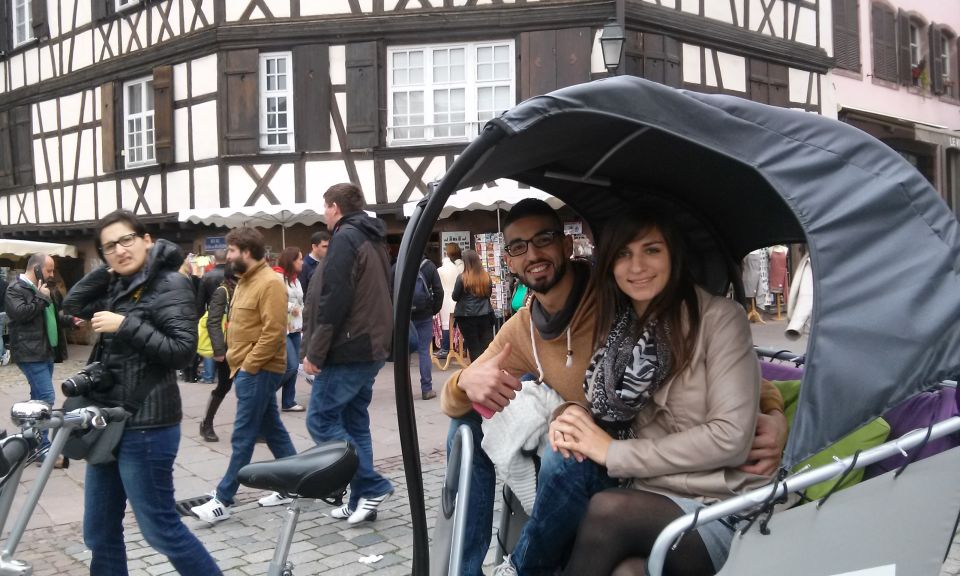
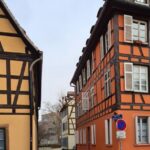
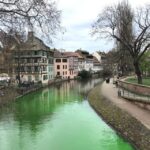
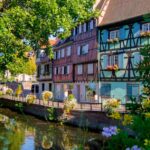
Next comes Petite France, one of Strasbourg’s most recognizable neighborhoods. You’ll roll through the area known for its historic river life—complete with the medieval references linked to tanning and slaughterhouse activity. Whether or not you’re a medieval-history nerd, knowing that background changes how you read the buildings along the water.
You’ll also spot the practical beauty of Strasbourg: canal after canal, with bridges that work as both crossing points and architectural views. The tour highlights covered bridges over city canals, which is exactly the kind of detail you can miss if you’re only snapping pictures at the obvious squares.
On a pedicab, you don’t have to crane your neck at every corner. The ride keeps your body relaxed, and that makes it easier to notice street-level things: the canal edges, how streets step down toward water, and how the city’s layout guides your eye.
Barrage Vauban and the Canal Geometry You Can Feel
After the Petite France section, you move toward the Barrage Vauban, a weir erected in the 17th century. Even from the street, this is the kind of structure that helps you understand why Strasbourg’s waterways matter beyond scenery.
Here’s the value of seeing it during a guided ride: you’re not just looking at a landmark; you’re seeing it as part of the city’s water system. The tour’s pacing makes it easier to connect old engineering to the shape of the canals and the way waterfront neighborhoods sit along them.
If you’ve ever looked at canal cities and felt lost about which bits are “pretty” versus “important,” this stop acts like a translation. It tells you what the river control structure did, and why it shaped how the city grew around the water.
The Strasbourg Minster Clock and Palais Rohan: Big Names, Clear Context
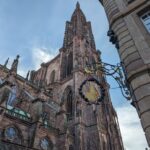
As you pass back through the cathedral area zone, you’ll see the Astronomical Clock of Notre-Dame de Strasbourg. You may already know it by name, but the ride helps you place it in relation to the surrounding architectural world. In a short tour, that placement is everything.
Then you’ll move past the baroque Palais Rohan, home to three of the city’s most important museums. Even if you don’t step inside, the context is useful. Palais Rohan is one of those grand buildings where you can feel the weight of civic prestige. Having a driver explain how it connects to Strasbourg’s museum culture makes you more likely to plan a follow-up visit on your own.
This part of the route is also a good reminder: the Strasbourg Minster zone isn’t only about one tower or one clock. It’s an architectural cluster—cathedral, palaces, and museum institutions orbiting around the same visual center.

Place de la République and Neustadt Neoclassical Buildings
As the tour transitions away from the older core, you reach Place de la République. This area is known for its handsome neoclassical public buildings, including the national public lending library.
This is one of my favorite kinds of city stops: not a single “must-see,” but a whole plaza that shows how civic life was designed to look powerful and orderly. Strasbourg doesn’t just have romantic canals. It also has the planning-minded side—wide spaces, formal facades, and institutions that signal national importance.
Seeing this on a pedicab helps because you’re moving at a comfortable pace while the architectural lines stay in view. You can register what’s where without stopping repeatedly. And if you’re the kind of traveler who likes to match buildings to stories, your driver’s explanations here are usually where the tour starts to feel less like sightseeing and more like understanding.
Into the Quartier Européen: EU Buildings Without the Long Transit
Next comes the Quartier Européen, where you pass spectacular administrative buildings connected to the European institutions. The tour frames Strasbourg as the seat of the European Parliament and Council of Europe, so the modern architecture doesn’t feel random.
The value of driving through here in 90 minutes is that you don’t lose half your day just getting from old town to the EU zone. You get the contrast in one smooth loop: medieval-scale streets and canal neighborhoods, then the modern “institutional city” feel.
If you’re visiting with a partner or family member who cares about politics and institutions as much as old streets, this section works well. If you’re more into photography and architecture, it works too. The scale and design language are completely different, and that makes it easy to tell where you are in the city’s timeline.
Parc de l’Orangerie and ARTE: A Soft Landing to End the Loop
The tour wraps with green space and media-culture landmarks. You’ll pass through Parc de l’Orangerie, where the French garden landscaping adds a formal, designed feel to the landscape. Then you’ll see the headquarters of ARTE television.
Ending this way is practical. After city landmarks and institutional buildings, a garden area gives your eyes a break and makes the ride feel complete. Even if you don’t spend time walking around, you’re still getting that last “Strasbourg atmosphere” beat.
And the ARTE sight is a clever final note. Strasbourg isn’t frozen in time; it’s a living city with media and modern cultural output alongside historic monuments.
Pricing That Makes Sense for Small Groups
This tour is priced at $141 per group up to 2 for a 90-minute private ride. In plain terms: you’re not paying per person for a crowd experience. You’re paying for a short, high-quality orientation plus transportation.
If you’re traveling as two, the cost often feels reasonable compared with building your own half-day plan (getting taxis, paying for multiple museum entries you might not even want, or spending long hours in transit). If you’re traveling solo, the price still works if you value having a driver and the chance to ask questions in real time.
Also remember what you’re buying: a guided loop that hits the cathedral area, Petite France, water engineering, Neustadt civic buildings, the EU Quarter, and a garden finish. That’s a lot for one ride, and the short length makes it easier to fit into almost any itinerary.
The Driver Matters: Why Jean’s Style Gets Repeated Praise
One name comes up again and again: Jean. People consistently highlight his historical grounding and his willingness to answer questions. That’s the difference between a driver who points and a guide who connects dots.
On a pedicab tour, you can ask things without shouting over footsteps. You can also pivot—if you want more detail about the cathedral area, or you want to know where to eat after the ride, you can steer the conversation. That flexibility is a quiet advantage, and it’s exactly why this format feels more personal than big-schedule sightseeing trains.
Who This Tour Fits Best
This works well if:
- You want a smart overview of Strasbourg in a short time window.
- You prefer comfort over long walking loops.
- You like having a guide for quick answers on food and what to plan next.
- You’re interested in both historic quarters and the European institutions side of the city.
It’s less ideal if:
- You’re the type who needs long stops to linger at every landmark.
- You want museum time included, since this ride focuses on what you see along the route.
Should You Book This Strasbourg Pedicab Tour?
If you’re trying to see a lot without turning your day into a stamina test, I’d book it. The combination of comfort, a private format, and the clear route through Petite France, the Minster area, Barrage Vauban, Neustadt civic blocks, and the EU Quarter is exactly the kind of “value per hour” move that helps you get more out of Strasbourg.
I’d skip it only if your plan depends heavily on inside visits during the tour itself, because much of the magic here comes from the ride-by views and the guide’s explanations as you pass key sights.
FAQ
FAQ
How long is the Strasbourg sightseeing tour by pedicab?
The tour lasts 90 minutes.
What language options are available for the live guide?
The live tour guide is available in English, German, and French.
Where do we meet for the tour?
You meet at the Office de tourisme, at the foot of the maison Kammerzell.
Is this tour private?
Yes. It’s listed as a private group.
What is included in the price?
Transportation by pedicab and the driver are included.
What does the tour cost?
It costs $141 per group up to 2.
Can I cancel if my plans change?
Free cancellation is available up to 24 hours in advance for a full refund.
Can I pay later?
Yes. Reserve now & pay later is offered, so you can book your spot and pay nothing today.