REVIEW · PARIS
Small-Group Canadian Normandy D-Day Juno Beach from Paris
Book on GetYourGuide →Operated by Blue Fox Travel · Bookable on GetYourGuide
A quiet beach day with huge history. This is one of those trips where Juno Beach and the Canadian Cemetery stop being names on a page and start feeling real. I like the way the story is explained in English by a guide (from HP to Enzo) while you’re standing in the places where June 6, 1944 actually happened.
The big upside is the pace: a small group (max 8) in a comfortable minibus, so it feels personal instead of crowded. The possible drawback is the rhythm of the day: it’s a long 13-hour outing with no included food, so you’ll want to plan for warmth, snacks, and the early start.
In This Review
- Key highlights to look forward to
- From Paris at 7:00 AM to an 8:00 PM return: how the day really works
- Juno Beach Center first: get your bearings fast before the shore walk
- Walking the shore and seeing the shore lines: what Hell’s sound doesn’t show you
- Beny-sur-Mer Canadian Cemetery: where your visit slows down
- Hell’s Corner and Abbey d’Ardenne: the inland part of the D-Day story
- Guide skill in English: why small-group time makes a difference
- Price and value: is $283 fair for 13 hours?
- Comfort and planning tips for a coast day that can turn cold fast
- Should you book this Canadian Normandy D-Day tour from Paris?
- FAQ
- What time does the tour leave Paris?
- How long is the Canadian Normandy D-Day Juno Beach tour?
- What is the meeting point in Paris?
- Is food included in the price?
- What sites are included during the day?
- Is the guide provided in English?
- How large is the group?
- How do you handle entry to Juno Beach Center?
- Does the tour run in bad weather?
Key highlights to look forward to
- Max 8 people: small-group format keeps questions from getting lost.
- English guide with real storytelling: guides like HP, Enzo, and Julian are praised for connecting facts to the terrain.
- Juno Beach sand walk: you’ll walk the shore like the Canadians did on D-Day.
- Juno Beach Center + exhibits: the museum time is built in, with skip-the-line entry.
- Beny-sur-Mer Canadian Cemetery: a slower stop where you can pay respects properly.
From Paris at 7:00 AM to an 8:00 PM return: how the day really works

This tour is designed as a full-day commitment. You leave Paris at 7:00 AM and you’re back around 8:00 PM, depending on traffic. That long block of time matters because you’re not just “going to Normandy.” You’re driving out, touring multiple sites, and still doing meaningful walking—especially on the beach.
You’ll meet at Café Dada Ternes and show up at least 15 minutes early. The driver-guide typically arrives with a grey minibus about 10 minutes before departure, so you can get seated, stow your bag, and get rolling without stress.
Weather won’t change the schedule. The tour operates rain or shine, so I treat this as an outdoor day even if the worst happens. Bring layers. Even when the calendar says spring or early fall, the coast can still feel chilly and windy once you’re exposed on the sand.
You can also read our reviews of more tours and experiences in Paris.



Juno Beach Center first: get your bearings fast before the shore walk
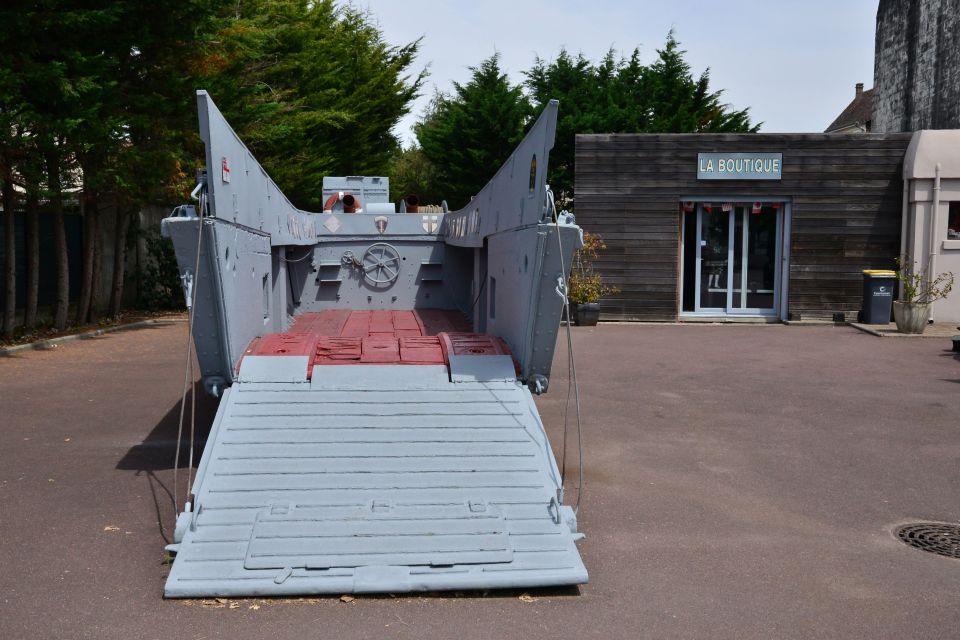
Juno Beach is the heart of the tour, but the smart move is how the day is staged. You’ll visit Juno Beach Center, a major museum focused on the Canadian landings in Normandy. Time here is worth it because it turns the beach into a readable scene: who landed where, what the conditions were like, and why those first hours were so brutal.
Then comes the part people remember: a walk on Juno Beach on the sand itself. This is not a token photo stop. You’re getting a chance to physically experience the scale and feel of the shoreline—exactly the kind of “I get it now” moment that doesn’t happen from a bus window.
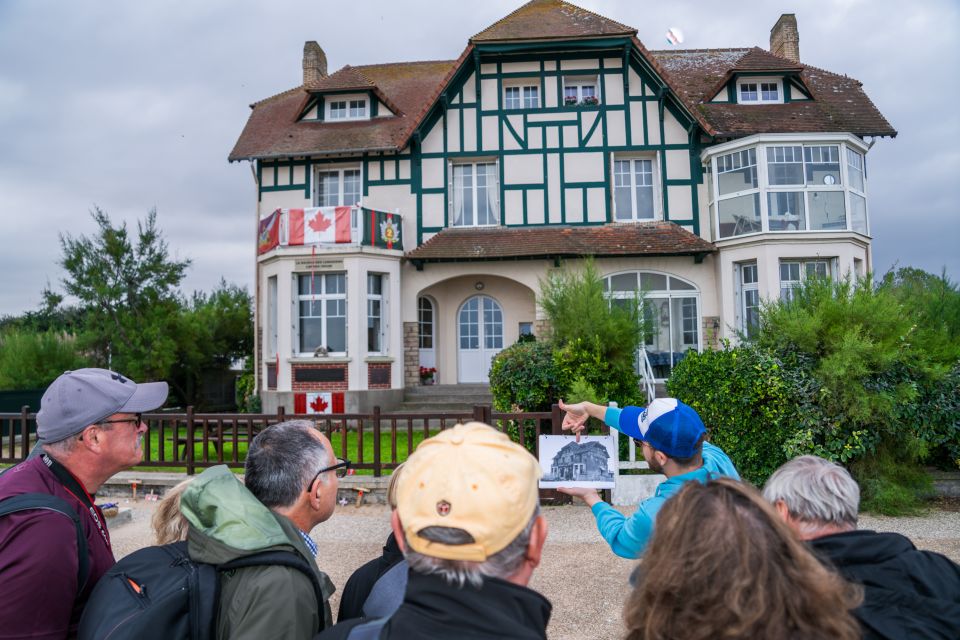
Some tours also allow extra time around Juno’s Canadian sites, and you may have the chance to visit Canada House as part of your day. In the reviews you provided, guides have been known to arrange meaningful inside access with the owner (for example, one guide connected the group with Madame Hoffer). Just know that this depends on timing and how your guide structures the day.
One practical tip: museums plus sand walk means you’ll want comfortable shoes with decent grip. The beach surface can be uneven, and you’ll be on your feet longer than you’d think when you’re thinking only about “a short shoreline stroll.”
Walking the shore and seeing the shore lines: what Hell’s sound doesn’t show you

On June 6, 1944, the Allies launched the largest seaborne invasion in history. More than 14,000 Canadian soldiers landed or parachuted into France that day. The tour helps you translate those numbers into what you’re actually looking at.
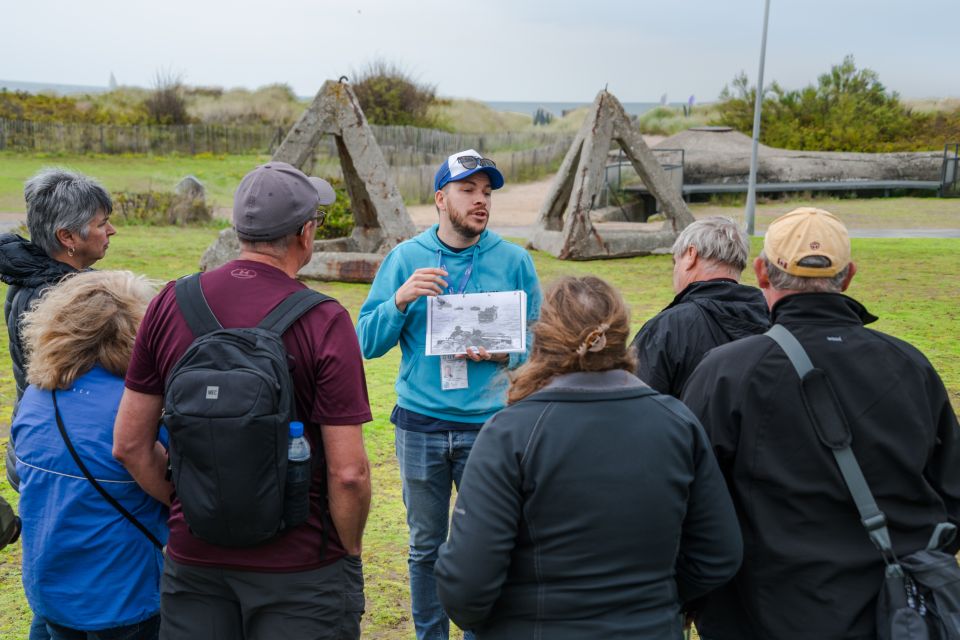
When you stand on Juno Beach, you’re not just imagining history—you’re using your eyes. The guide’s job is to connect the views in front of you to what soldiers faced: entrenched German forces, the bunker locations along the coast, and how “getting off the landing craft” was only the beginning of a fight that could turn into a stalled advance in minutes.
I like that the guide doesn’t treat this like a pure lecture. You’ll get an explanation in English, plus time to ask questions. That matters because D-Day can get confusing fast—dates, units, beaches, and inland objectives all blur unless someone helps you keep the story straight.
Also, don’t ignore the emotional weight. Several guides are praised for handling the day with respect and sensitivity. That tone helps you stay focused instead of turning the visit into a frantic checklist.
Beny-sur-Mer Canadian Cemetery: where your visit slows down
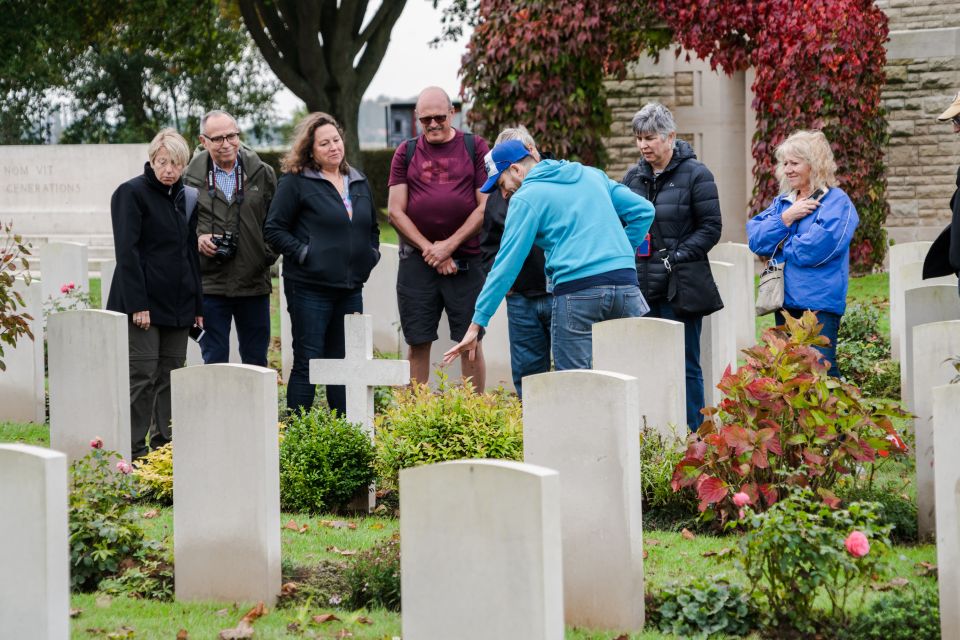
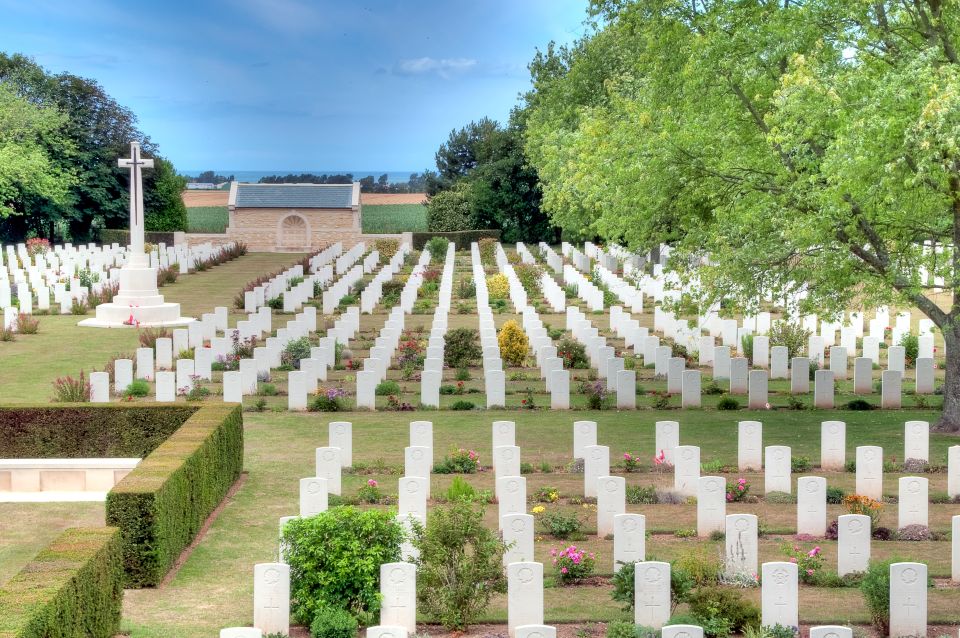
After Juno’s beach and museum time, you’ll visit the Canadian Cemetery in Beny-sur-Mer. This stop is different. It’s a place for silence, walking, and remembering. You’ll stroll through the grounds and pay your respects to the fallen Canadian soldiers.
What I appreciate here is the pacing. The cemetery isn’t just a “look and go.” The tour gives you the space to slow down—because that’s exactly what a cemetery requires. If you’re the type who likes to read names and absorb details without being rushed, this is where you’ll feel grateful the tour is structured as a guided half-day plus, rather than a quick drive-by.
Bring a moment of patience with you. Even if you’re excited for the historical sites, this part can feel sobering in a way that surprises you. In a good way.
Hell’s Corner and Abbey d’Ardenne: the inland part of the D-Day story
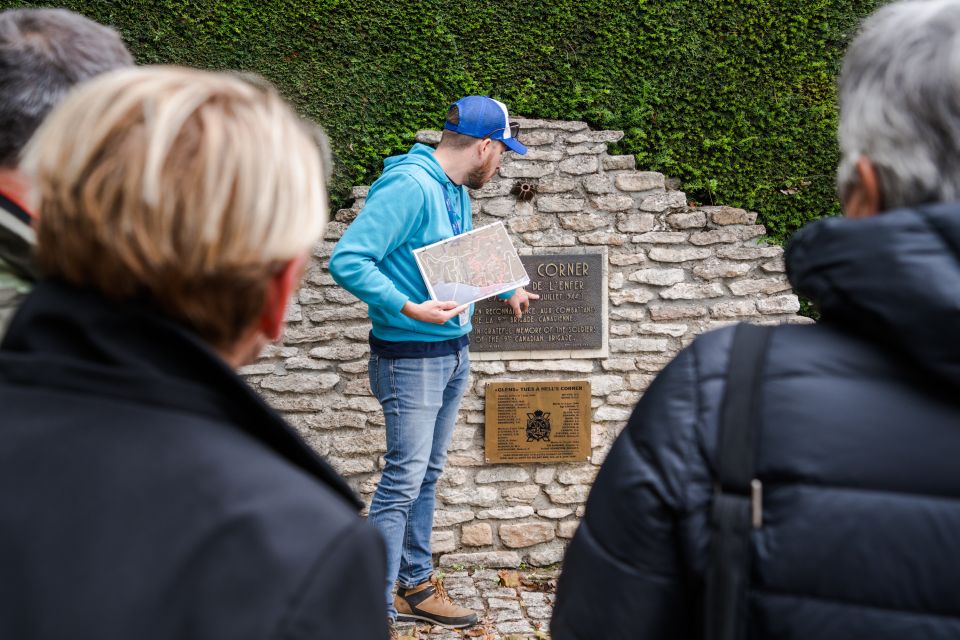
The tour continues to inland sites that explain what happened after the first beach landings. One stop is Hell’s Corner, described as the furthest advance inland taken by Canadian troops on D-Day. It’s about 5 miles from the city of Caen.
This matters because it answers a question a lot of people have: what happens after the beach? Hell’s Corner helps you see the inland pressure, the terrain reality, and the sense that the fight didn’t end once soldiers made it ashore.
You’ll also see Abbey d’Ardenne, noted as an HQ point for the Nazis. It’s one of those locations that makes the war feel less abstract. Bunkers, positions, headquarters—these are physical places, and being there helps you understand why commanding choices affected everything from movement to casualties.
If you enjoy the tactical side of history, you’ll likely appreciate how the guide points out what you can observe. In the feedback you shared, people called out bunker-related elements and explained that guides used maps and photos to clarify advances and strategies. If that’s your style, keep an eye out for when your guide transitions from the beach view to the inland view, because that’s where the day’s meaning clicks together.





Guide skill in English: why small-group time makes a difference
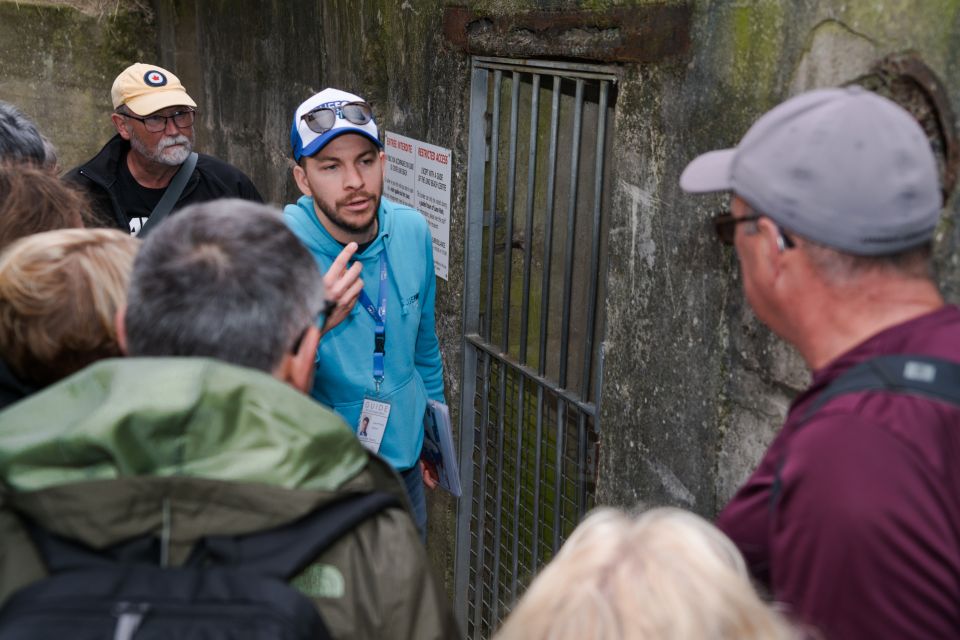
A big part of the value here is the human scale. With a maximum of 8 participants, you’re not shouting over a crowd to ask something important. You’re sitting close enough to follow along, hear the guide clearly, and compare your questions with what others are noticing.
Your guide’s role is also practical: they help you connect the day’s locations into one storyline. Multiple guides referenced in the reviews—HP, Enzo, Mathieu, Olivier, Julian, Brun, Aaron, and others—were praised for being engaging, prompt, and able to explain what happened on June 6, 1944 with clarity and context.
A small warning, based on one piece of feedback you provided: sometimes audio can be hard to hear if the microphone level isn’t ideal. If you’re sensitive to that, choose a seat where you can face the guide directly and keep your phone or camera away from your ears so you’re not muffling sound.
Also, if you’re the kind of traveler who likes conversation, you’ll probably do well here. Reviews mention guides taking time to interact, even swapping personal interests during the drive. That friendly tone makes a heavy subject more bearable without losing seriousness.
Price and value: is $283 fair for 13 hours?
At $283 per person for a 13-hour day from Paris, you’re paying for three things at once: transportation, a guided explanation in English, and entrance fees.
Here’s the value logic I use:
- You’re not just buying museum tickets. You’re buying a structured day that links the beach, the museum, the cemetery, and inland locations into one coherent experience.
- You’re not driving yourself across Normandy and then figuring out timing and parking. A minibus handles the logistics.
- Entrance fees are included, and the tour includes skip-the-line access via a separate entrance (so you’re not losing time at the start).
Because food is not included, you should factor in lunch cost and plan for the coast weather. Still, for most visitors, the included guide + transportation reduces the “headache tax” that often makes DIY feel longer and more stressful than it should.
Comfort and planning tips for a coast day that can turn cold fast
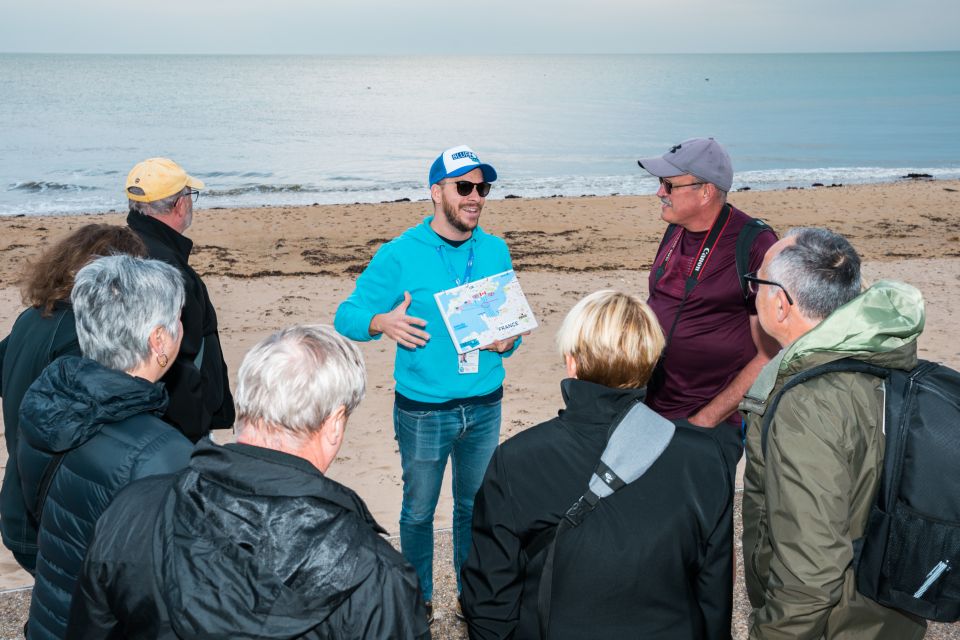
Even when conditions look fine at first, the Normandy coast can feel colder and windier once you’re outside for beach time and cemetery walking. One review specifically advised bringing a warm jacket and hat in late April, and I’d treat that as a general rule for this kind of outing.
Also, you’ll be outdoors in multiple legs of the day. That means:
- Wear layers you can adjust.
- Use shoes you trust on sand and uneven paths.
- Bring a small pack with water and any snacks you want. Food isn’t included, and it’s easier to wait calmly for the next stop than to scramble when hunger hits.
One more small comfort point: the ride is long. Most people liked the minibus comfort, but one review mentioned an A/C issue in hot weather. If you’re traveling during summer heat, dress in breathable layers and keep a light layer handy for air-conditioned interiors.
Should you book this Canadian Normandy D-Day tour from Paris?
If you want a D-Day experience that’s focused on Canada’s role and you like doing more than just staring at monuments, this is a strong choice. The combination of Juno Beach Center, a real sand walk, the Canadian Cemetery, and inland stops like Hell’s Corner gives you a full picture in one day.
I’d especially recommend it if:
- you’re traveling with someone who also wants structure (so the day doesn’t feel like a self-guided puzzle),
- you care about hearing the story in English from a live guide,
- you want a respectful tone and a small-group format.
Book it if you can handle a long day starting at 7:00 AM and you’re okay paying for your own lunch. Skip it if you’re hoping for a short, casual outing, or if you prefer to wander at your own pace without the guided flow. For everyone else, it’s the kind of day that leaves you quieter on the walk back to the bus—and that’s usually the point.
FAQ
What time does the tour leave Paris?
The tour departs at 7:00 AM every day and runs all year round.
How long is the Canadian Normandy D-Day Juno Beach tour?
The duration is 13 hours.
What is the meeting point in Paris?
You meet at Café Dada Ternes.
Is food included in the price?
No. Food is not included, so you’ll need to plan for lunch on your own.
What sites are included during the day?
You visit Juno Beach Center, take a walk on Juno Beach, see the Canadian Cemetery in Beny-sur-Mer, and visit Hell’s Corner and Abbey d’Ardenne.
Is the guide provided in English?
Yes. The tour includes an English-speaking live guide.
How large is the group?
It’s a small-group tour with a maximum of 8 participants.
How do you handle entry to Juno Beach Center?
The tour includes skip-the-line access using a separate entrance.
Does the tour run in bad weather?
Yes. The tour operates rain or shine.