REVIEW · SAINT EMILION
Saint-Emilion : Tasting of 4 wines in a family vineyard
Book on GetYourGuide →Operated by Château Haute-Nauve · Bookable on GetYourGuide
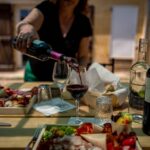
A quick tasting can still feel personal, and this one does. At Château Haute-Nauve, I like that you taste four estate wines in a compact 40 minutes with the people behind them. I also like that you don’t just drink and leave: you get a real sense of how Saint-Émilion works, with the tasting guided by a family member, Marie-Anne or Florent. One possible drawback: it’s not for kids, so plan for an adult-only outing.
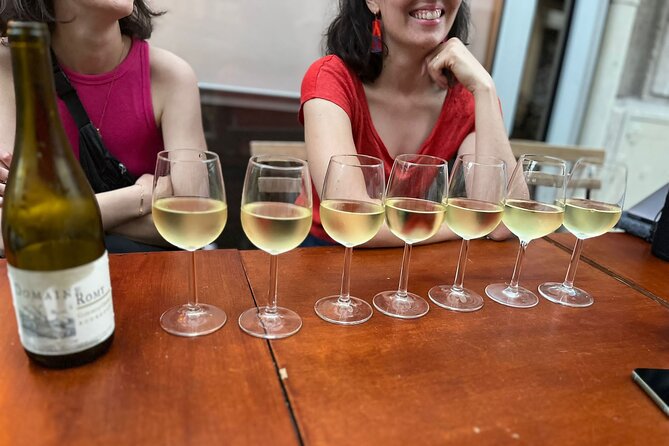
The setting is close to the town center, so you’re not stuck in transit, and the format keeps things relaxed instead of rushed. You’ll sample a rosé, a Saint-Émilion, and two Saint-Émilion Grand Cru wines, which is a smart way to compare styles without committing to a full day. If you’re hoping for a full winery visit or a meal, note that food and a full property tour aren’t part of this experience.
For the right traveler, it’s a very good value. With a small group capped at 10 and only four tasting glasses included, you’ll have time to ask questions and get answers while the wine is still in your glass.
In This Review
- Key things to know before you go
- Château Haute-Nauve: a short ride from Saint-Émilion’s center
- The 40-minute experience: what you’ll actually do
- Who guides the tasting
- What you learn before you taste
- The wine lineup: rosé, Saint-Émilion, and two Grand Crus
- The rosé: a useful starting point
- The Saint-Émilion: how the estate speaks in red
- Two Grand Crus: where your taste gets a workout
- The value math: is $10 worth it?
- Logistics that actually matter on the ground
- Not included: plan around it
- Who this is best for (and who should skip it)
- FAQ
- Is the tasting timed?
- What wines are included?
- Who will guide the tasting?
- What languages are available?
- How big is the group?
- Where do I meet the guide, and is there parking?
- Is this activity family-friendly?
- Should you book Château Haute-Nauve’s tasting?
Key things to know before you go

- Family-led tasting with either Marie-Anne or Florent, so questions get direct answers
- Four wines in 40 minutes, including a rosé and two Saint-Émilion Grand Crus
- Terroir comparison without the time sink, since the tasting includes different styles from the estate
- Near Saint-Émilion center (about 5 minutes by car), making it easy to fit into a day
- Small group (10 participants max), which keeps the vibe calm and conversational
Château Haute-Nauve: a short ride from Saint-Émilion’s center

Saint-Émilion is one of those places where you can easily burn half a day just getting from viewpoint to viewpoint. This tasting helps you keep your time tight because it’s only about 5 minutes from the center by car. That matters if you want to see the town, walk the historic lanes, then come back for something more wine-focused.
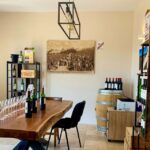
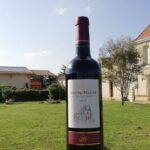
The meeting point is inside Château Haute-Nauve, not out on a street corner. There’s also parking next to the building, and yes, you’ll notice the solar panels nearby. It’s a small detail, but it’s the kind that reduces stress when you’re arriving in a hurry and trying not to circle.
You can also read our reviews of more food & drink experiences in Saint Emilion

The 40-minute experience: what you’ll actually do

This is built to be efficient, not hectic. You show up at the château, meet your guide inside, and then the session runs about 40 minutes total. The key is that it’s not only a pour-and-go tasting. You’ll start with a short talk that puts the wines in context, and then you’ll taste four wines from the estate.
Because it’s a small group capped at 10, you’re more likely to get your questions answered on the spot. That’s especially useful in Saint-Émilion, where people love to argue about styles, villages, and how terroir changes the glass. Here, you get to ask and adjust your tasting as you go.
Who guides the tasting
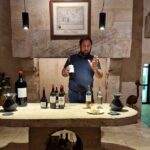
Expect it to be run by a family member. Depending on the day, that’s Marie-Anne or Florent (mother and son). Both the structure and the reviews point to the same thing: the guide doesn’t treat your visit like a scripted stop. You should plan on a conversation.
Also, at least one guest noted a trilingual guide and mentioned a very nice cave. While the official listing mentions French and English, I’d still treat this as a “bring your questions” experience, not just a passive tasting. If you speak a third language, there’s a decent chance it can work out depending on who’s hosting.
What you learn before you taste

You’re not expected to be a wine expert. The guide’s job is to give you enough background to taste smarter.
You’ll hear:
- a brief history of the property
- what makes Saint-Émilion its own appellation world
- how the vineyard works, at least at the level needed to understand why the wines taste the way they do
That prep is valuable because it changes how you sip. If you know what the guide wants you to notice—like balance, fruit vs. structure, or how rosé differs from reds—you’ll get more from each glass. Without that context, four wines can blur together fast. With it, you start tasting differences on purpose.
The wine lineup: rosé, Saint-Émilion, and two Grand Crus

The tasting is four glasses, and each one has a job. The set includes:
- a Rosé
- one Saint-Émilion
- two Saint-Émilion Grand Cru wines
You can also read our reviews of more wine tours in Saint Emilion





The rosé: a useful starting point
You might wonder why a rosé appears in a “Saint-Émilion tasting,” but it’s a smart opener. Rosé sets a baseline for freshness and fruit expression. It also helps you reset your palate before moving to the deeper reds.
In a short tasting, that matters. By the time you reach the Grand Crus, you’re not chasing your palate from one intensity level to the next. You’re comparing.
The Saint-Émilion: how the estate speaks in red
After rosé, the Saint-Émilion wine gives you the “middle” anchor. It shows the estate’s typical red profile before the Grand Cru scale and intensity steps in.
Even if you don’t know the technical terms, you can learn to listen for structure: how the wine feels on the tongue, whether it leans more toward red fruit or darker notes, and how the finish lingers. The guide’s explanations help you tie those impressions back to how the estate approaches the vineyard.
Two Grand Crus: where your taste gets a workout
Then come the two Saint-Émilion Grand Cru wines. This is the part that makes the experience feel like more than a quick stop: you’re not tasting one “special” wine and calling it a day. You’re tasting two expressions of Grand Cru status from the same family estate.
That’s ideal for you if:
- you like comparing styles side by side
- you want to understand what “Grand Cru” changes in real life
- you’re curious about how the same property can produce different results
A Grand Cru tasting can sometimes feel intimidating, but in a family-run session with a small group, it’s usually more about guided awareness than formal wine school. The goal is simple: help you taste and understand without pretending you know everything.
The value math: is $10 worth it?

At $10 per person, this tasting is priced like a practical add-on rather than a premium splurge. What makes it good value is the combination of:
- four glasses included
- a family member as guide
- a short, structured teaching piece about Saint-Émilion and the estate
- a small group so time doesn’t vanish in a crowd
Could you find cheaper wine sampling elsewhere? Maybe. But when the format is only 40 minutes and you get both teaching and four pours, you’re not paying for an all-day experience you might not have time for.
If your goal is to get a genuine Saint-Émilion feel without spending hours, this fits the bill. If you want a long winery tour, food, or a full guided walkthrough of caves and equipment, you’ll probably feel you’re missing something. This is a tasting-first experience.
Logistics that actually matter on the ground
This tour is straightforward, but a few details are worth noting so you don’t lose time:
- Meeting point: inside Château Haute-Nauve
- Parking: right next to the building near the solar panels
- Group size: up to 10 people, so seating and attention feel comfortable
- Duration: about 40 minutes, so plan it as a block you can work into a day
- Languages: French and English (and at least one review points to the guide being comfortable with more than that)
Not included: plan around it
Wine is included. Food is not. A winery visit beyond the tasting isn’t included either. If you want lunch, schedule it before or after. If you want a deeper cellar walk, you’ll need a separate add-on tour.
Who this is best for (and who should skip it)

I’d recommend this tasting if you:
- want a quick but meaningful introduction to Saint-Émilion wines
- prefer small-group experiences where you can ask questions
- like seeing how family estates explain their approach
- enjoy comparing rosé to reds, then stepping up to Grand Cru
I’d skip it if you want:
- a kid-friendly activity (this is not suitable for children under 18)
- a full day tour with a complete winery visit and food
FAQ
Is the tasting timed?
Yes. The experience runs for about 40 minutes.
What wines are included?
You’ll taste four estate wines: a rosé, one Saint-Émilion, and two Saint-Émilion Grand Crus.
Who will guide the tasting?
The tasting is led by a family member, either Marie-Anne or Florent.
What languages are available?
The live guide is available in French and English.
How big is the group?
It’s a small group, limited to 10 participants.
Where do I meet the guide, and is there parking?
Meet your guide inside Château Haute-Nauve. There is parking next to the building with solar panels.
Is this activity family-friendly?
No. It’s not suitable for children under 18.
Should you book Château Haute-Nauve’s tasting?
If you want a no-fuss, wine-focused experience near Saint-Émilion—where you’ll taste four wines and learn enough context to actually notice differences—this is a strong yes. The small group, family-hosted feel, and the fact that you get rosé plus one Saint-Émilion and two Grand Crus make it feel like more than the price.
If you’re chasing a full winery walk or a meal, look for a longer tour option instead. But for a smart half-hour-plus planning block, this is the kind of tasting that leaves you with clearer preferences, not just more bottles in your head.