REVIEW · SAINT EMILION
Saint-Émilion: Family Vineyard Visit with Wine Tasting
Book on GetYourGuide →Operated by Château Haute-Nauve · Bookable on GetYourGuide
One sentence can change how you see wine. This family-run Saint-Émilion visit at Château Haute-Nauve is small, personal, and super hands-on, led by Marie-Anne or Florent from the fourth generation. I like that you get both the vineyard story and the production basics, so you leave with real context, not just a few sips.
Two things I especially enjoy: the vineyard-to-cellar walkthrough (vineyard views, then tanks and barrels) and the relaxed tasting at the end with four different wines. You get a guided format that moves at a friendly pace, with lots of room for questions as you go.
One possible drawback to plan around: there’s no food included, so you’ll want to eat before or after, especially if you’re taking it as part of a longer day in Saint-Émilion. Also, at 75 minutes, it’s not a slow, all-day winery hang.
In This Review
- Key highlights to look for
- A four-generation Saint-Émilion winery visit in 75 minutes
- Meeting your host: Marie-Anne or Florent, and why the group stays small
- Starting with the vines: Saint-Émilion context you can taste later
- The vinification cellar: fermentation, pumping, and pressing made clear
- The barrel cellar: traditional aging and why it matters
- The tasting: four pours, including two Saint-Émilion Grand Cru wines
- Buying and shipping bottles so the visit follows you home
- Price and value: $18 for a real inside look
- Who this tour suits best (and who might want something else)
- Should you book Château Haute-Nauve?
- FAQ
- How long is the Saint-Émilion family vineyard visit?
- What’s included in the wine tasting?
- Is food included?
- How big is the group?
- Can I buy wine or ship it home?
- What should I bring?
Key highlights to look for
- Fourth-generation hosts (Marie-Anne or Florent) guiding the full experience
- Vineyard + production tour: tanks, vinification, and a traditional barrel cellar
- Fermentation, pumping, and pressing explained in plain terms
- Atmospheric barrel cellar showing how aging shapes the wine
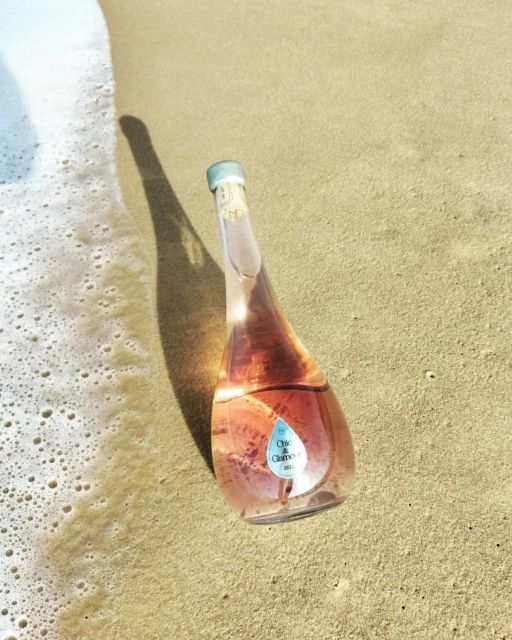
- Tasting of 4 wines, including two Saint-Émilion Grand Cru selections and a Rosé
- Buy or ship wine home directly from the estate
A four-generation Saint-Émilion winery visit in 75 minutes
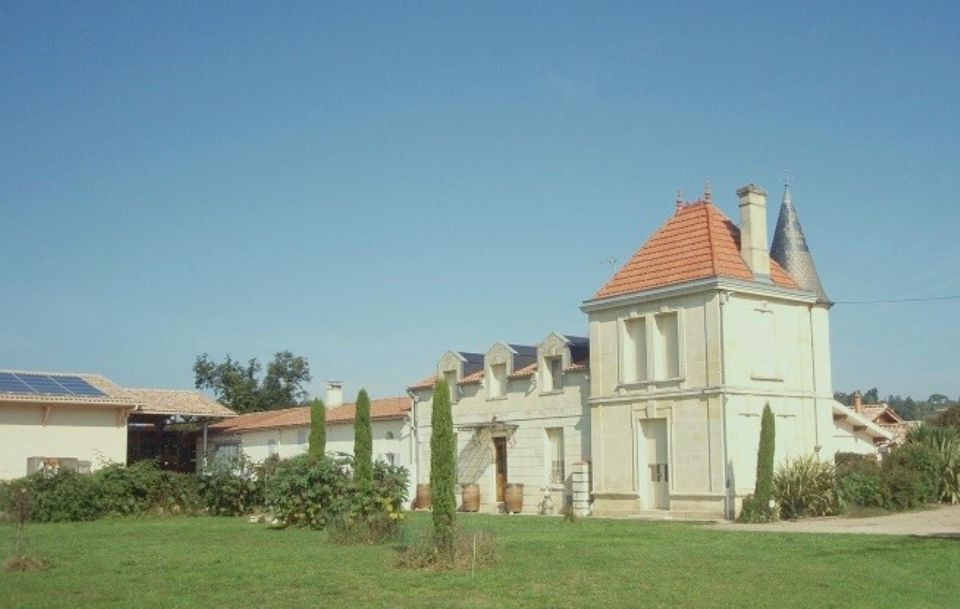
Saint-Émilion can feel like a wine museum if you do it the wrong way: you stare at a vineyard sign, you sip something good, and you rush off without understanding why anything tastes the way it does. This tour at Château Haute-Nauve works because it compresses the important parts into a single, focused 75-minute visit.
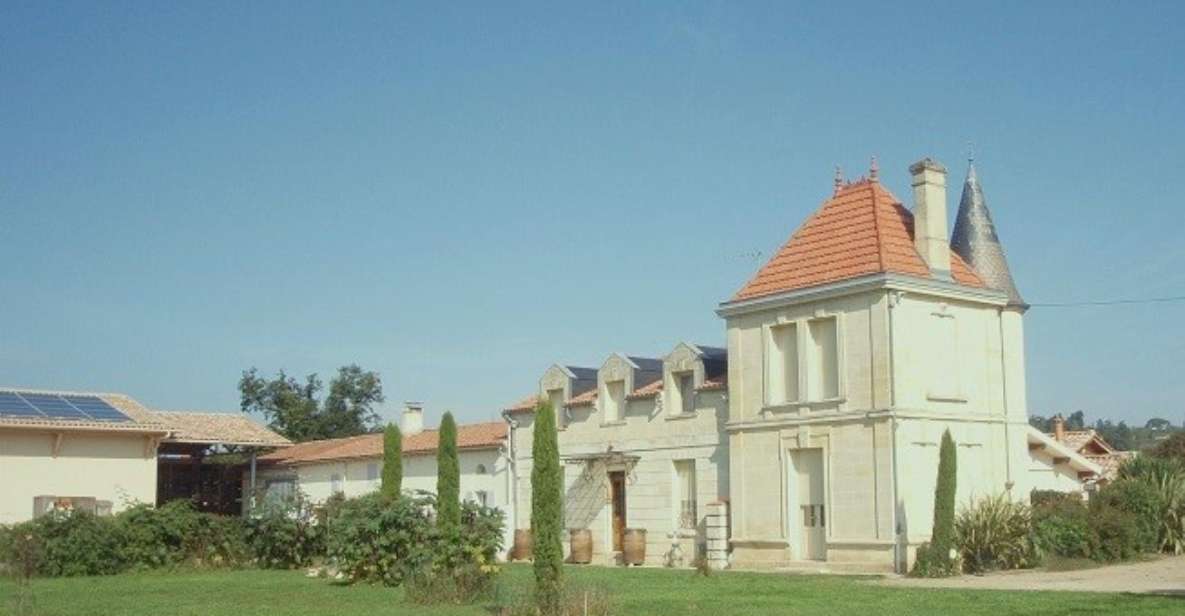
You’ll start at the estate itself (go to Château Haute-Nauve) and meet your hosts—Marie-Anne or Florent, mother and son and both tied to the fourth generation of the family business since the estate dates back to 1930. The format is designed for small groups (limited to 10 participants), so it doesn’t feel like you’re part of a moving bus.
The biggest value here is that you can connect the dots: what happens in the vineyard relates directly to what happens in fermentation and aging. Even if you’re new to wine, you’ll pick up the vocabulary you actually need—without getting buried in lab-level detail.
You can also read our reviews of more food & drink experiences in Saint Emilion
Meeting your host: Marie-Anne or Florent, and why the group stays small
This isn’t a faceless tour. It’s run by the family. When you show up, you’ll be with the owner—Marie-Anne or Florent—who leads the walk and the cellar stops. That matters because you’re not only hearing what they do; you’re hearing how they think about why they do it.
The small group size (up to 10) changes the whole vibe. You can ask questions as they come up—about the Saint-Émilion appellation, about the winemaking steps, or about the kind of wine the estate is trying to make. In the reviews, people keep pointing out the friendly, personal feel and the sense that the host is comfortable explaining things in an approachable way (and yes, humor shows up too).
Language support is also practical: tours run in French and English. If you’re traveling with an English-first group, this is a big plus because you won’t feel stuck waiting for translations.
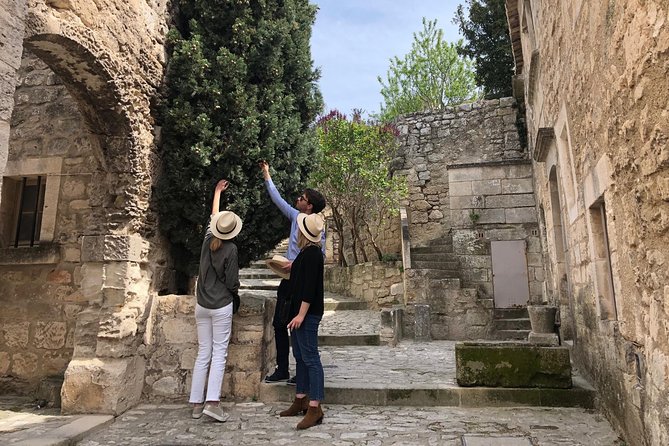
What to bring is simple: comfortable shoes for walking around the estate areas and a hat for sun (wine country is no place to suffer in the name of fashion).
Starting with the vines: Saint-Émilion context you can taste later
You don’t begin in the cellar. You begin where wine starts—on the estate grounds. The tour walks you through the vineyard setting and gives the family background tied to Château Haute-Nauve in Saint-Émilion since 1930.
You’ll also hear about the grape varieties specific to the Saint-Émilion appellation. The point isn’t memorizing a list. It’s understanding the logic of place: what Saint-Émilion is known for, and how that reputation connects to what’s planted on the estate.
This first stop is where you learn how to read a winery visit. After you hear the vineyard story, you’re better prepared for the cellar part because you’ll know the difference between:
- steps that shape flavor today, and
- steps that shape aging potential for months and years down the road.
And if the weather isn’t great? The experience is still structured to keep moving and to stay engaging—so you’re not stuck staring at a wet courtyard with no plan.
The vinification cellar: fermentation, pumping, and pressing made clear
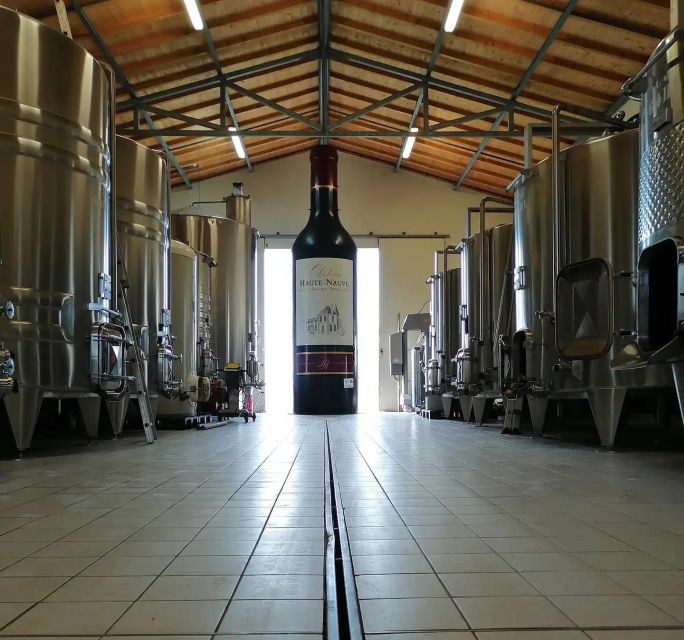
Next you head into the production space where the tour gets technical, but not in a way that feels like homework. You’ll visit the vinification cellar, where the host explains how wine goes from grape to must to the start of the final wine.
What you can expect to hear about, specifically:
- Fermentation: how the transformation gets underway
- Pumping: moving the liquid in ways that affect extraction
- Pressing: separating components to shape structure and style
These are the core steps that explain why two wines with similar grapes can taste very different. When you learn what’s happening during fermentation and how pumping and pressing influence extraction, you start tasting with intention instead of only with preference.
One small detail that many people appreciate: the host may use visual aids like videos to make the process easier to picture. That’s especially helpful if you’ve never stood next to tanks and wondered what each piece of equipment is actually doing.
Practical note: you’ll be walking between areas and looking closely at production rooms, so plan to wear shoes you’d comfortably wear on a museum floor plus a little uneven ground.
The barrel cellar: traditional aging and why it matters
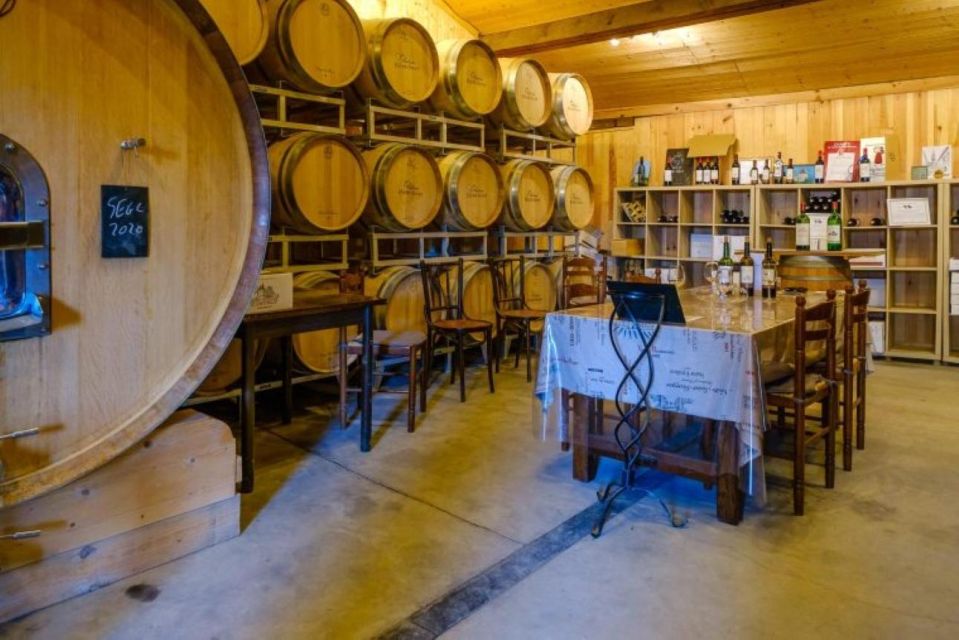
After the vinification room, you move into a more atmospheric setting: the barrel cellar, where traditional methods for aging are shown.
This is where the tour shifts from how wine is made to how wine becomes itself. Barrel aging isn’t just storage. It’s part of the flavor and texture equation—slow changes that can soften harsh edges, add complexity, and influence the final balance you notice in the glass.
What I like about this stop is that it connects back to what you just learned. If you understand fermentation, pumping, and pressing, barrel aging makes more sense because you can see how early choices carry forward.
Also, if you enjoy the human side of wine, this is often where you hear about the family’s approach to tradition and decisions over time. People mention the host talks about balancing norms with what keeps the wine-making style authentic. In other words: it’s not just procedure; it’s philosophy with barrels.
You can also read our reviews of more wine tours in Saint Emilion





The tasting: four pours, including two Saint-Émilion Grand Cru wines
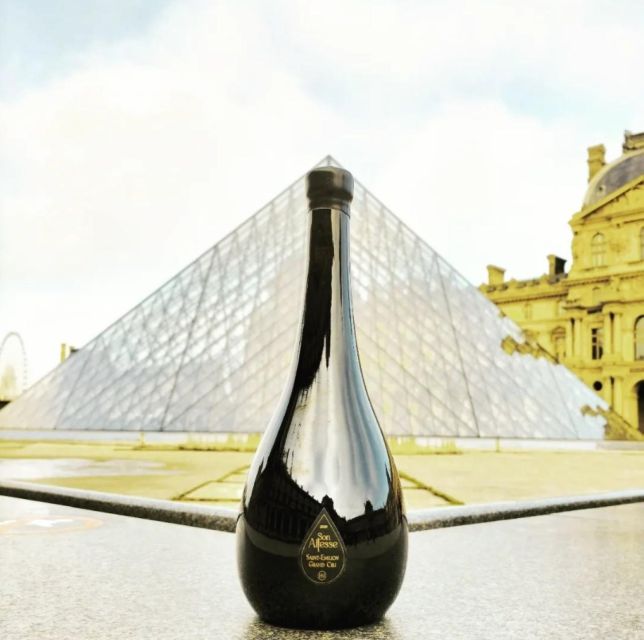
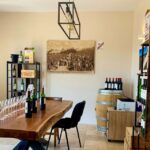
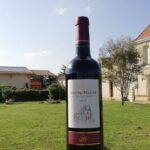
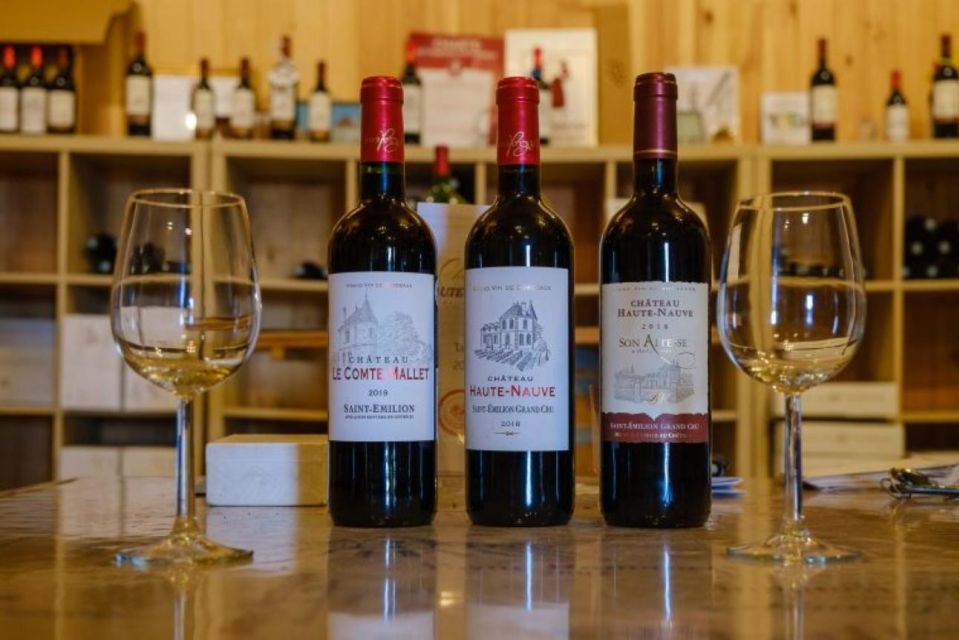
The finale is the reason you’re here: a guided tasting of four Château Haute-Nauve wines. The selection is structured to give you variety while staying connected to the estate’s identity.
You can expect:
- two Saint-Émilion Grand Cru selections
- one Saint-Émilion
- one Rosé
That mix is smart. If you only taste one wine, you leave with one impression. Here, you can compare how the estate expresses different styles and levels within the Saint-Émilion system.
The tasting itself is described as relaxed, which I find important. Wine tastings can sometimes turn into a stiff performance. This one is more like a guided conversation: you sip, you learn why that specific wine might taste the way it does, and you get a chance to ask what you’re wondering.
Two useful takeaways you’ll likely get:
- you learn what to pay attention to (structure, balance, how aging shows up)
- you learn which style you personally want to buy, not just which one sounds impressive
And yes, this is a place where people often end up buying—some mention picking up multiple bottles or boxes—because the wines have a clear identity tied to the estate.
Buying and shipping bottles so the visit follows you home
If you want a souvenir that isn’t mass-produced, this tour makes it easy. At the end, you can purchase bottles from the estate, and you can also arrange convenient shipping.
That matters for two reasons:
- You don’t have to carry a bunch of glass through travel days.
- You can actually restock after you’ve had time to think about what you enjoyed.
Price varies by bottle, but the fact that purchases are offered right after tasting means you’re buying with confidence. You’re not trying to guess later from a label.
If you’re deciding between buying and waiting, my advice is to buy what you genuinely liked in the tasting room. Your palate can change once the trip ends. The best time to make the call is while the tasting notes are still fresh in your mind.
Price and value: $18 for a real inside look
At $18 per person, this tour is one of those deals that feels almost too straightforward. You’re paying for:
- a guided visit that includes the vineyard and cellars
- production explanation (including fermentation, pumping, pressing)
- a tasting of four wines (including two Grand Cru)
For many wine experiences, the tasting is the main event and everything else is window dressing. Here, the walkthrough and the cellar visits are part of what you pay for. Even with no food included, the tasting portion is doing real work.
You should also think about opportunity cost. If you’re spending a day in Saint-Émilion anyway, $18 can buy you a focused, structured understanding of the winemaking process—especially valuable if you’re trying to pick your next bottle, restaurant pairing, or souvenir.
When it’s best value:
- You’re curious but don’t want a full, multi-hour program.
- You want a guided explanation you can actually remember.
- You like small group experiences with time to ask questions.
Who this tour suits best (and who might want something else)
This works especially well for:
- wine beginners who want to learn what the basics mean in the real world
- curious regulars who want a clear explanation of the steps (fermentation, pumping, pressing)
- people who enjoy family-run places where the host feels personal and invested
- couples and small groups who want a 75-minute winemaking stop without a meal
It may not be the best fit if:
- you want a longer tasting with food pairing (since food isn’t included)
- you expect a big, dramatic spectacle rather than a working estate tour
- you want to taste a large number of wines (the tasting is four specific selections, not a buffet)
One practical tip I’ll give you: plan the rest of your day around the visit. Because it ends with purchasing, it’s convenient to schedule it earlier, so you can still enjoy the town afterward without feeling rushed.
Should you book Château Haute-Nauve?
I think you should book this tour if you want a small, family-led Saint-Émilion experience that connects vineyard and cellar in plain language. The pricing makes it easy to justify, and the format—vineyard, vinification, barrel aging, then tasting—does a good job of teaching you what you’re tasting instead of just handing you a glass.
Skip it only if you need food included, or if you’re specifically hunting for a long, multi-hour tasting flight. For most people, though, this is a strong way to spend 75 minutes in Saint-Émilion: clear explanations, real production rooms, and a tasting you can shop from before you leave.
FAQ
How long is the Saint-Émilion family vineyard visit?
The tour lasts 75 minutes.
What’s included in the wine tasting?
You taste four Château Haute-Nauve wines: two Saint-Émilion Grand Cru selections, one Saint-Émilion, and one Rosé.
Is food included?
No, food is not included.
How big is the group?
It’s a small group experience limited to 10 participants.
Can I buy wine or ship it home?
Yes. You can purchase wines at the end and you can also arrange convenient shipping.
What should I bring?
Bring comfortable shoes and a hat.