REVIEW · SAINT EMILION
Saint-Emilion Grand Cru Classified: Picnic & Visit in French
Book on Viator →Operated by Château La Croizille · Bookable on Viator
The best part of this Saint-Émilion outing is the contrast between two Grand Cru Classé châteaux owned by the De Schepper family. At Tour Baladoz, you see a traditional cellar and the established methods of Bordeaux winemaking. At La Croizille, modern equipment and a wide view show how the same family looks ahead. I like that the tour explains the difference rather than simply marching you past barrels. I also like that the tasting leads into a picnic, so the visit has a relaxed finish instead of ending at the shop counter.
The main caution is the food. The picnic is served cold, and the menu may not match every expectation of a French country lunch. Past menus have included cold shredded chicken with chopped vegetables or cold vegetarian pasta, and one meal was criticized for lacking the expected starter. Tell the château about allergies or special diets in advance, and think of the meal as a simple vineyard basket rather than a grand spread.
In This Review
- Key points to know before booking
- Why the traditional and modern pairing matters
- Starting at Château Tour Baladoz at 11:30
- Seeing the modern cellar at Château La Croizille
- Tasting three estate wines
- What the vineyard picnic is really like
- Is $55.03 good value in Saint-Émilion?
- Timing, access, and cancellation details
- Who will enjoy this Saint-Émilion visit?
- Should you book it?
- FAQ
- Where does the activity begin?
- What time does the tour start?
- How long does the experience last?
- Where does the experience end?
- How many people can join the tour?
- Is wine tasting included?
- Can dietary requirements be accommodated?
Key points to know before booking
- Two châteaux, two methods: Tour Baladoz presents traditional winemaking, while La Croizille uses newer technology for vinification, blending, and aging.
- A scenic finish: The picnic takes place among the Saint-Émilion vineyards, with a view from Château La Croizille.
- Three wines included: The guided tasting features wines from the family properties.
- Small-group setting: The activity is limited to 12 people, which should allow room for questions.
- Plan around the 11:30 start: The visit lasts about two hours and ends back at Château Tour Baladoz.
- Check the picnic expectations: Food is served cold, and dietary needs must be shared ahead of time.
Why the traditional and modern pairing matters
Many Bordeaux winery visits can blur together. You enter a handsome property, hear a few familiar terms, taste a red wine, and leave with only a vague idea of what makes that château different. This experience has a clearer teaching point: you compare two related estates and see how their production choices differ.
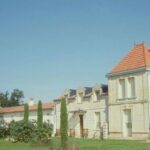
The first property, Château Tour Baladoz, is in the Saint-Émilion Grand Cru appellation and is presented as the traditional side of the family’s operation. Here, your guide explains the winemaking process in an authentic cellar. The value is not just visual. You get a chance to connect the stages of production with the wine in your glass.
The tour covers blending, vinification, and aging. Those terms can sound technical, but they matter. Vinification concerns how grapes become wine. Blending concerns how different lots are combined to create the final style. Aging shapes the wine after fermentation, often affecting its texture, aroma, and structure. A good guide can turn these steps into something you can notice during the tasting.
Château La Croizille supplies the counterpoint. Its cellar uses modern technology, and the visit explains how newer tools affect production. You are not being asked to choose old methods over new ones. The useful lesson is that Bordeaux winemaking can preserve tradition while still using precise, contemporary equipment.
I especially like this setup for anyone who has visited one or two wineries but still finds the production process hazy. Seeing the difference between the properties gives you a simple framework. You can ask why a particular tank, cellar arrangement, or aging choice is used, then listen for how that choice affects the wine.
You can also read our reviews of more tours and experiences in Saint Emilion.
Starting at Château Tour Baladoz at 11:30
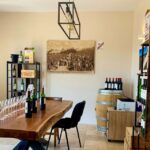
Your meeting point is Château Tour Baladoz, at 33330 Saint-Laurent-des-Combes, France. The start time is 11:30 a.m., so check your route before setting out. This is a vineyard visit, not a city-center meeting, and arriving late could be awkward in a small scheduled group.
The published timing gives roughly an hour and a half to the first portion and about 30 minutes to the second property. The description presents Tour Baladoz as the traditional cellar and La Croizille as the modern cellar, though the stop details repeat the La Croizille name. The important practical point is that both properties are part of the same visit and the full activity lasts about two hours.
At Tour Baladoz, expect an explanation of the château’s production rather than a long historical lecture. The focus is the cellar and the way wine is made. That makes this stop useful for beginners, but it should also suit people who already know Bordeaux and want to compare the methods used within one family’s estates.
The group size is capped at 12 people. That is small enough to make questions realistic, especially during the tasting. Guide Justine has been praised for making the tour clear and friendly, so she is a name worth remembering if she leads your session. Guide assignments can vary, and the essential point is that the experience is designed around explanation, not a self-guided walk.
Seeing the modern cellar at Château La Croizille
La Croizille changes the mood. Instead of an old-style cellar alone, you see a modern operation that uses newer technology in blending, fermentation, and aging. The contrast gives the tour its backbone.
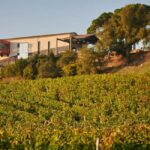
The property is also known for one of the area’s prettiest views of Saint-Émilion. This matters because the visit is not limited to machinery and production details. You get a visual sense of the vineyards connected to the wine, which makes the later picnic feel like part of the same story rather than an unrelated lunch stop.
The modern approach may appeal to visitors who enjoy seeing how wine production works behind the scenes. It can also help you avoid a common misunderstanding: tradition does not mean every château still works exactly as it did generations ago. Bordeaux producers can respect established styles while using technology to control and refine the process.
I would keep your expectations in check. This is a short introduction, not a technical course in wine science. You will hear the differences between the two châteaux and how their systems affect production, but the visit is unlikely to cover every detail of vineyard management or every stage from grape to bottle.
Tasting three estate wines
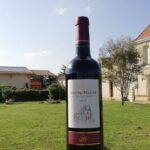
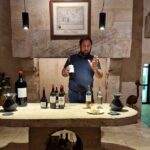
The guided tasting includes three wines from the family’s properties. That is a sensible number for a two-hour activity. You get enough glasses to compare styles without turning the morning into a marathon.
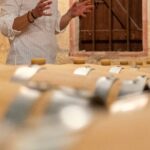
Use the tasting as a continuation of the tour. Listen for the connection between the traditional cellar, the modern cellar, and what you taste. If the guide explains the blend or aging choices, ask how those choices show up in the wine’s aroma, body, or finish. You do not need expert vocabulary. Simple observations are enough.
Some people will wish for more. One enthusiastic response praised the wines and suggested that a few additional samples would have been welcome. I understand that view, especially for visitors who have traveled to Bordeaux mainly for wine tasting. At $55.03 per person, three wines may feel modest if you measure value by the number of pours alone.
Still, the price covers more than wine. It includes the guided comparison of two châteaux and the picnic with a glass of your choice. If you want a large tasting flight, a dedicated tasting-room appointment may suit you better. If you want a short visit with a clear theme and lunch afterward, the three-wine format is more balanced.
What the vineyard picnic is really like
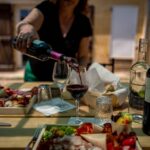
After the château visits and tasting, you enjoy a winemaker’s picnic near the vineyards. You can choose a glass of wine, then sit with the view around you. This is the most relaxed part of the experience and a good reason to select this tour over a basic cellar visit.
The picnic is promoted with local produce, but the actual basket may be fairly simple. Food has included cold shredded chicken with cold chopped vegetables, or a cold vegetarian pasta. One menu also lacked a starter that had been expected. Another assessment found the meal pleasant but felt that fresher local items such as cheese and cured meats would have offered better value.
That detail is important. If you picture a lavish Bordeaux spread with several cheeses, charcuterie, warm bread, and elaborate dishes, you may be disappointed. If you are happy with a prepared cold lunch, a glass of wine, and a fine vineyard view, the picnic can still be a pleasant finish.
The provider has stated that menu details are shared before the visit and asks you to report allergies or special diets in advance. Take that request seriously. It gives the kitchen a chance to adapt your basket, while last-minute changes may not be possible.
Families may appreciate that children can receive juice in plastic glasses, according to one account. The experience is not presented as adults-only, and most people can participate. Service animals are allowed.


Is $55.03 good value in Saint-Émilion?
At $55.03 per person, I would call this a fair but not automatic bargain. The value depends on what you want from a winery visit.
The strongest part of the price is the combination. You receive access to two Grand Cru Classé properties, a guided explanation of traditional and modern production, a tasting of three wines, and a picnic with a selected glass. Buying those pieces separately could take more planning and may not produce the same clear comparison.
The weaker part is the meal. A cold prepared dish does not feel luxurious at this price, particularly if you were expecting a basket filled with regional cheese, cured meat, and other fresh items. The food is best treated as a convenience and setting, not the main reason to book.
The group limit of 12 also helps the value. A smaller group usually gives you a better chance to hear the guide and ask questions. The two-hour duration keeps the commitment manageable, especially if you are fitting the château visit between other activities in the Saint-Émilion area.
Wine enthusiasts who want several tastings may find the offering too brief. First-time visitors to Bordeaux, couples looking for a scenic half-day-light outing, and people who prefer a guided comparison over a broad tasting circuit are more likely to feel satisfied.
Timing, access, and cancellation details
The activity begins at 11:30 a.m. and ends back at Château Tour Baladoz. It uses a mobile ticket, and booking confirmation is provided at the time of reservation.
The tour lasts approximately two hours. Since the itinerary includes two properties and a picnic, allow extra time around the edges for arriving, parking or local transport arrangements, and finishing your meal. The supplied information does not provide a shuttle from central Saint-Émilion, so you should not assume transportation is included.
Most people can take part, and service animals are allowed. No special fitness requirement is stated. The tour is conducted in French, so it is most suitable if you understand French or are comfortable following a French-language explanation.
Free cancellation is available if you cancel at least 24 hours before the local start time. Cancellations made less than 24 hours before the start are not refunded, and changes inside that window are not accepted.
Who will enjoy this Saint-Émilion visit?
I would choose this experience for you if you want a compact introduction to Bordeaux wine with a clear comparison at its center. It works well for couples, small groups, first-time wine visitors, and anyone who would rather combine a tasting with lunch than spend hours moving from château to château.
It also suits visitors who care about scenery. La Croizille’s view and the vineyard picnic give the outing a sense of place. You are not only learning how wine is produced. You are eating and drinking beside the setting that gives Saint-Émilion its identity.
I would hesitate if you expect a large meal, a long tasting, or an in-depth technical seminar. The cold picnic may seem plain, and three wines may not satisfy serious collectors. In that case, look for a longer wine-focused experience with more estates and a fuller tasting program.
Should you book it?
Book this tour if the idea of comparing a traditional cellar with a modern one appeals to you, and if a scenic picnic matters as much as the wine count. The small group, three estate wines, and clear two-château format make it an efficient choice at $55.03.
Go in expecting a simple cold lunch, not a lavish regional feast. Tell the provider about dietary needs before the visit, arrive at Tour Baladoz for the 11:30 start, and think of the experience as a guided introduction rather than an all-day wine school. With those expectations, this is a thoughtful way to spend two hours in Saint-Émilion.
FAQ
Where does the activity begin?
It begins at Château Tour Baladoz, Saint-Émilion Grand Cru Classé, Château Tour Baladoz, 33330 Saint-Laurent-des-Combes, France.
What time does the tour start?
The start time is 11:30 a.m.
How long does the experience last?
The activity lasts approximately two hours.
Where does the experience end?
It ends back at the meeting point at Château Tour Baladoz.
How many people can join the tour?
The group is limited to a maximum of 12 people.
Is wine tasting included?
Yes. The experience includes a guided tasting of three wines from the properties, plus a glass of your choice with the picnic.
Can dietary requirements be accommodated?
You should inform the provider in advance about allergies or specific diets so the picnic basket can be adapted.