REVIEW · SAINT EMILION
Saint Emilion History Tour with Wine Education and Tasting
Book on Viator →Operated by Bordeaux Free Walking Tours · Bookable on Viator
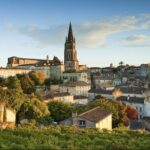
Saint-Émilion gives you two good reasons to put down your wine glass and keep walking: its medieval streets and monuments are as important as the bottles produced around them. This two-hour tour links the town’s stories of saints and kings with a local winery visit and a tasting of at least three wines.
I like the compact format and the small group limit of eight. I also like the clear split between 90 minutes of town history and 30 minutes of wine tasting, which gives first-time visitors a useful introduction without taking up half a day. The main concern is the quality of spoken English, since one published assessment found the guide’s English difficult to understand.
In This Review
- Key points to know before booking
- Why this short Saint-Émilion tour works
- Reading Saint-Émilion through its medieval streets
- From town history to Bordeaux wine basics
- What the three-wine tasting adds
- Is $59.26 a fair price?
- Group size, meeting point, and timing
- Who should book this experience?
- Should you book the Saint-Émilion History Tour?
- FAQ
- How long does the Saint-Émilion tour last?
- Where does the tour begin?
- How many wines are included?
- Is the tour offered in English?
- What is included in the price?
- Can I cancel for a full refund?
Key points to know before booking
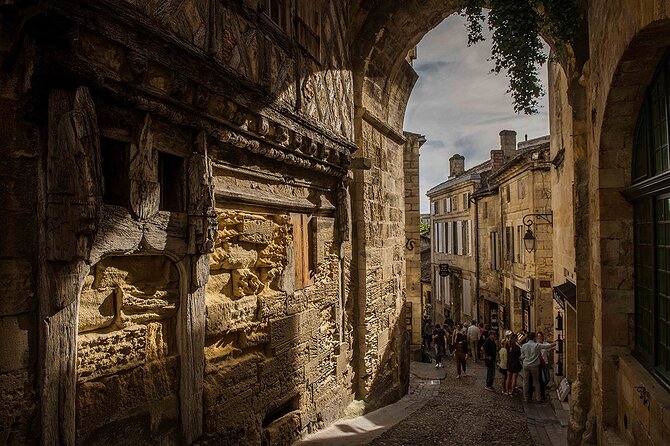
- Saint-Émilion comes first: Spend about 90 minutes on foot among cobbled lanes, old buildings, and historic monuments.
- Three wines are included: The final tasting covers wines from Saint-Émilion and nearby parts of Bordeaux.
- Wine education is part of the visit: You’ll hear about terroir, production methods, tasting technique, and regional history.
- The group is capped at eight: This should allow for a more personal pace and easier questions.
- The meeting point is central to the tour: Start at 4 Pl. Bouqueyre, 33330 Saint-Émilion, and return there at the end.
- English quality deserves attention: The activity is offered in English, but language clarity may vary by guide.
Why this short Saint-Émilion tour works
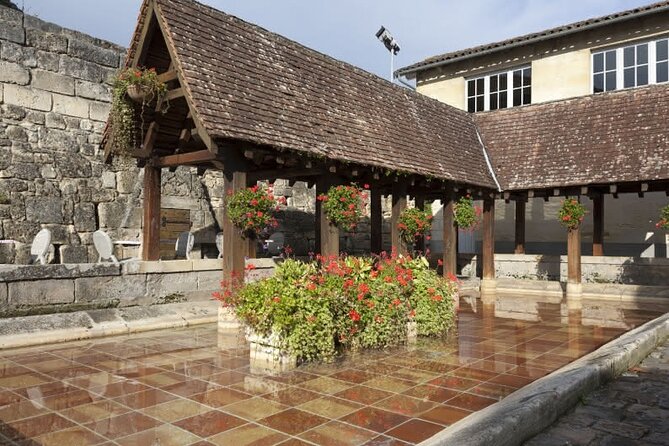
Saint-Émilion is easy to reduce to a pretty wine village. That would miss the point. The town’s appeal comes from the way its built history and wine identity overlap. You are not simply looking at old walls, then heading somewhere else for a tasting. The tour uses the town itself as the opening lesson in how Bordeaux developed as a place of faith, trade, farming, and wine.
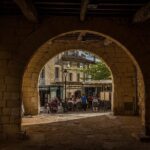
The walk lasts about an hour and a half. That is enough time to get a feel for the town without committing to a long walking program. You’ll follow your guide through cobbled streets and less obvious corners while hearing about medieval beginnings, religious figures, royal connections, architecture, and ancient monuments.
I value this structure because Saint-Émilion can feel confusing on a first visit. The lanes are compact, and the most interesting details are not always obvious from the outside. A guide gives those stones a reason to matter. You can connect a doorway, church, or old street to the larger story instead of simply collecting photographs.
The tour is also a good match for someone who wants an introduction rather than a technical wine course. You’ll learn the basic ideas behind the local wines, then test those ideas during the tasting. That progression is practical. It gives you enough background to ask better questions and notice more in the glass.
You can also read our reviews of more food & drink experiences in Saint Emilion
Reading Saint-Émilion through its medieval streets
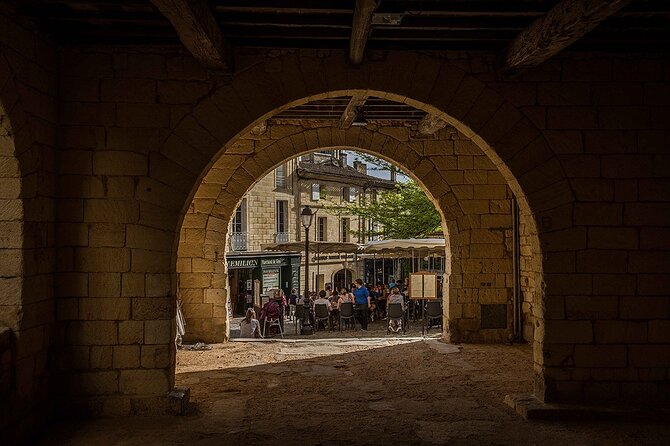
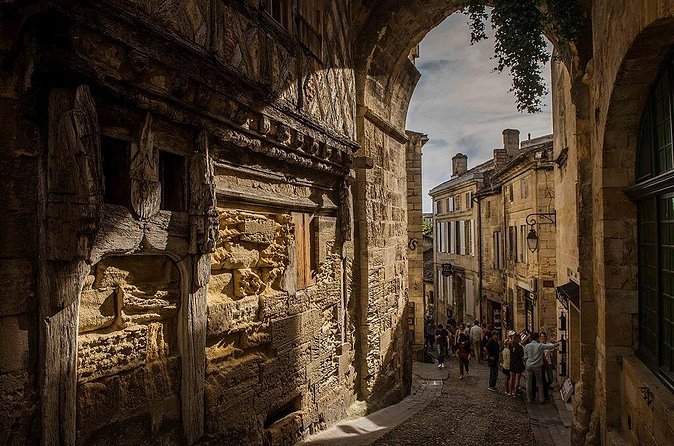
The first portion is a guided historic walk through Saint-Émilion. Expect the emphasis to be on the town’s past, its architecture, and the people connected to it. The guide shares stories involving saints and kings, explains the town’s medieval origins, and points out old monuments and corners that can be easy to pass without context.
The UNESCO World Heritage setting adds weight to the walk. You are exploring a place recognized for its cultural and historic value, not just a wine-producing village with attractive façades. The tour’s best use of time is helping you see those two identities together.
Cobbled streets require sensible shoes. The supplied information does not promise a flat route or specify the condition of every surface, so you should expect ordinary old-town walking rather than a museum-style visit. Most people can participate, and service animals are allowed, but anyone who finds uneven streets difficult should keep the walking portion in mind before booking.
The pace should suit visitors who want a broad overview. At 90 minutes, it is unlikely to cover every historic site in detail. That is not necessarily a weakness. A short orientation can be more useful than a long lecture when you are fitting Saint-Émilion into a wider Bordeaux trip.
You should also remember that the itinerary names Saint-Émilion as the stop, rather than promising entry to a particular monument. The value here is the guided interpretation of the town and its streets, followed by the wine portion. If your priority is a specific underground church, cloister, or formal historic interior, check the exact arrangements before you pay.
From town history to Bordeaux wine basics
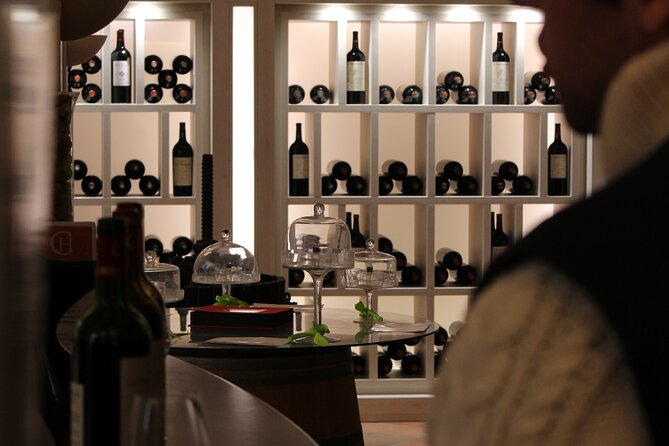
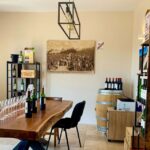
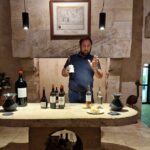
After the walking tour, the experience turns toward local winemaking. You’ll visit a winery and learn about terroir, the craft of production, regional traditions, and the character of Saint-Émilion wines compared with bottles from nearby parts of Bordeaux.
Terroir can sound like a grand word for a simple idea: the place where grapes grow affects the wine they produce. Soil, growing conditions, location, and human choices all enter the discussion. The useful part of hearing this on site is that the lesson connects to the area around you rather than remaining an abstract classroom explanation.
The tour also introduces winemaking techniques and the history of the region’s wine production. You should not expect a professional certification course in 30 minutes. You can expect an accessible framework that helps you understand why Saint-Émilion has its own identity within Bordeaux.
This is where the tour’s compact design pays off. The historic walk explains why the town matters. The winery section explains how the surrounding area became known for wine. Then the tasting lets you compare what you have just learned with actual wines.
The supplied details do not name the winery or provide a specific estate address. That matters if you are hoping to visit a famous château or a particular producer. The experience promises a local winery visit and wine education, but you should not book it expecting a named estate unless the operator confirms that point.
What the three-wine tasting adds
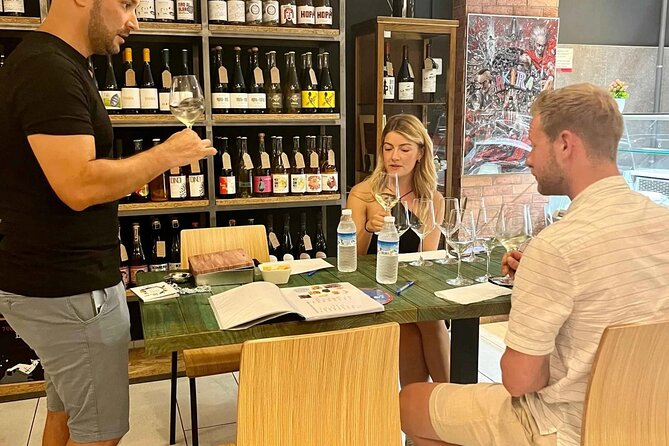
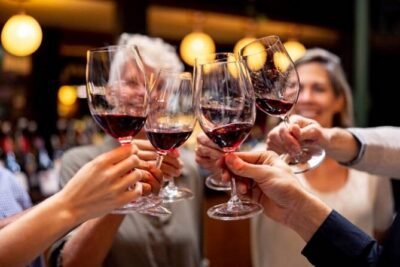
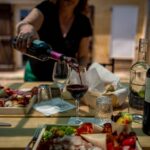
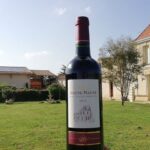
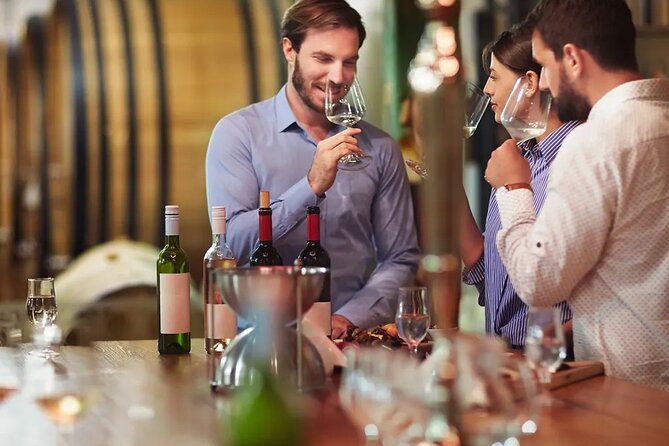
The final 30 minutes are devoted to tasting at least three wines. Alcoholic beverages are included, so the tasting is not an extra charge after the walk. You’ll examine wines from Saint-Émilion and the surrounding Bordeaux area while learning how to recognize differences in style and place.
Three wines make a useful minimum. One glass by itself tells you very little. With several examples, you can begin to notice contrasts in aroma, structure, flavor, and finish, especially when the guide explains what you are looking for. The point is not to decide which bottle is best. It is to understand how the region’s wines can vary.
The tasting also gives the history a practical ending. You have heard about the town’s role in the wine world, learned about production and terroir, and now get to connect those ideas to the glass. I like that this avoids treating wine as a separate luxury add-on. It is part of the local story.
Pace matters here. Thirty minutes is short, so expect a focused introduction rather than a leisurely tasting with extensive food pairings or a long cellar visit. No food, snacks, or meal are included in the stated price. If you need lunch, plan it separately.
The tour includes wine education and at least three tastings, but it does not promise bottles to take home. If you are searching for a buying appointment or a full-day winery circuit, this is the wrong shape of experience. If you want a quick introduction before exploring more vineyards on your own, it makes more sense.
Is $59.26 a fair price?
At $59.26 per person, this tour sits in the middle of the range you might expect for a guided town walk paired with a tasting. The price includes the guide, the historical tour, the wine education, and at least three wines. That combination is the central value.
You are paying for interpretation as much as for the drinks. A bottle of Saint-Émilion wine can be purchased separately, but it will not explain the town’s monuments, the area’s past, or the differences between local wines and those from nearby Bordeaux. For a first visit, that context can save you from wandering without a plan.
The two-hour length also has practical value. You can fit it into a day that includes other sightseeing, a meal, or independent time in Saint-Émilion. The tradeoff is depth. You will receive a well-shaped introduction, not an exhaustive study of the town or its vineyards.
Tips for the guide are not included. Bring a little extra if you feel the service deserves it. The price also does not cover anything beyond the stated walking tour, education, and tasting, so read the package as an introduction rather than a full-day wine outing.



Group size, meeting point, and timing
The tour begins at 4 Pl. Bouqueyre in Saint-Émilion and ends back at the same meeting point. That return is useful if you have left a car nearby or want to continue exploring from the center after the tasting.
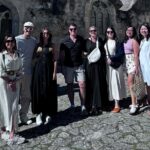
The maximum group size is eight. This is one of the stronger practical features. A small group makes it easier to hear a guide on narrow streets, ask about a monument, or request clarification during the wine lesson. It also avoids the feel of a large coach excursion.
The activity lasts approximately two hours, divided into about 90 minutes of history and 30 minutes of tasting. Arrive ready to walk from the start. The ticket is mobile, and booking confirmation is provided at the time of booking.
The tour is near public transportation, according to the supplied details. No specific transport route or parking arrangement is provided, so you should check your own connection to the meeting point before setting out. The activity is offered in English.
One published assessment raised a serious concern about the guide’s English, describing it as difficult to understand. That does not prove every departure will have the same problem, but it is worth treating as a real consideration. The tour depends heavily on spoken explanation, so clear communication is not a minor extra. If language clarity is especially important to you, confirm the current guide arrangements with Bordeaux Free Walking Tours before booking.
Who should book this experience?
I would point this tour toward a first-time visitor who wants the essentials of Saint-Émilion in one compact outing. It suits you if you enjoy historic streets but also want a direct connection to local wine, rather than taking a pure sightseeing walk.
It is also a practical choice for anyone with only part of a day available. The small group, mobile ticket, central meeting point, and return to that point keep the logistics simple. You get a guided introduction without giving up an entire afternoon.
Wine beginners may find the format especially useful. The education portion is designed to explain terroir, production, regional differences, and tasting basics in accessible terms. You do not need prior knowledge to take part.
I would be more cautious if you want a specialist wine seminar, a particular château, a large number of tastings, or extensive time inside historic monuments. The tour does not promise any of those things. It is a balanced overview, with the town and wine receiving roughly equal attention.
Also think carefully about language. Since the tour is offered in English and one assessment reported poor comprehensibility, ask yourself how much you rely on detailed spoken commentary. If you are comfortable with a possible variation in guide clarity, the format remains appealing. If not, seek confirmation before paying.
Should you book the Saint-Émilion History Tour?
Book it if you want a short, small-group introduction that joins Saint-Émilion’s medieval story to a tasting of at least three regional wines. The combination is more useful than a basic photo walk, and the price includes both the guide and the alcoholic beverages.
Skip it if your main goal is a full winery day, a named château, or a detailed monument tour. The other deciding factor is English clarity. Confirm that point if you need polished commentary, then use the flexible cancellation policy as a safety net: you can cancel for a full refund up to 24 hours before the local start time.
FAQ
How long does the Saint-Émilion tour last?
The experience lasts approximately two hours. About 90 minutes are devoted to the historic walking tour and wine education, followed by about 30 minutes of tasting.
Where does the tour begin?
The meeting point is 4 Pl. Bouqueyre, 33330 Saint-Émilion, France. The activity ends back at the same meeting point.
How many wines are included?
The tasting includes a minimum of three wines. You’ll learn about Saint-Émilion wines and wines from nearby areas of Bordeaux.
Is the tour offered in English?
Yes. The activity is offered in English. One published assessment raised concerns about the clarity of a guide’s English, so you may want to confirm current language arrangements before booking.
What is included in the price?
The price includes the historic walking tour, wine education, a guide, and alcoholic beverage tasting of at least three wines. A tip for the guide is not included.
Can I cancel for a full refund?
Yes. You can cancel up to 24 hours before the experience starts for a full refund. Cancellations or changes made less than 24 hours before the local start time are not accepted for a refund.