REVIEW · PARIS
Running Tours in Paris for intermediate to advanced runners
Book on GetYourGuide →Operated by Juan Echeverria · Bookable on GetYourGuide
Paris reveals itself differently at running pace. With Juan Echeverria, a Paris-born guide, you can follow the Seine, cross handsome bridges, pass the Louvre and Tuileries, and get a quick feel for several neighborhoods without spending the day in a tour bus. The route can also reach the Canal Saint-Martin, Île Saint-Louis, Île de la Cité, and lesser-seen corners.
I like the private groups of one to five people, since Juan can adjust the pace and route instead of forcing everyone into a fixed pack. I also like the practical touch of water, a cereal bar, music, and local advice, including tips on places to eat and good areas for your own runs. The main caution is simple: this is not a gentle sightseeing stroll. You should already be comfortable running at least 8 kilometers, and the short booking description can be confusing because it lists 45 minutes while also offering 60- and 90-minute choices.
In This Review
- Key points at a glance
- Why running is a smart way to see Paris
- Meeting Juan at Place de la République
- Following the Seine and Paris bridges
- Canal Saint-Martin and less familiar Paris
- Sunrise, sunset, and the best time to run
- How Juan’s guiding adds value
- Duration, distance, and fitness requirements
- What the $53 price includes
- Who should book this Paris run?
- Should you book Running Tours in Paris?
- FAQ
- Where does the running tour start?
- Where does the tour finish?
- How long does the running tour last?
- How far must I be able to run?
- What sights can the route include?
- Who guides the run?
- How large is the group?
- What is included?
- Is running equipment provided?
- Can I cancel for a refund?
Key points at a glance
- Run with Juan Echeverria, a local guide born and raised in Paris who speaks English, French, and Spanish.
- Choose a 45, 60, or 90-minute route, depending on your fitness and how much of Paris you want to cover.
- Start and finish at Place de la République, meeting beside the statue in the center of the square.
- See Paris landmarks while exercising, including the Seine, Louvre, Tuileries, Musée d’Orsay, and the city’s historic islands.
- Expect a real running session, not a walking tour with a few jogs. You must be used to running at least 8 kilometers.
- Keep the group personal, with private outings for as many as five customers.
Why running is a smart way to see Paris
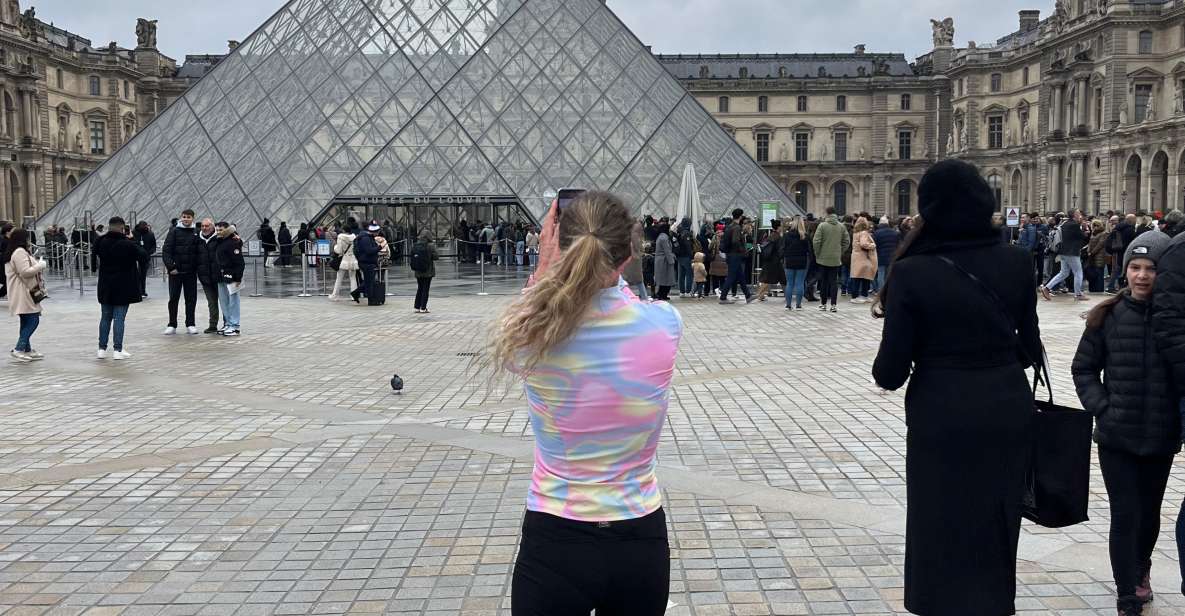
Paris rewards walkers, but its central sights can take several full days to connect on foot. A guided run gives you another option. You cover more ground than you would on a walking tour, yet you remain close enough to notice bridges, quays, squares, canals, and street corners that slip past a vehicle window.
I especially like this format at the start of a Paris stay. You get a quick sense of the city’s layout, including the Seine, the central islands, and the different quarters. Juan can point out places worth returning to later, along with areas that suit a morning run or an evening outing.
The run also gives your trip a useful physical break. Paris days often involve long hours on hard pavement, crowded museums, and heavy meals. A run lets you exercise before breakfast, between sightseeing plans, or after work if you are in town on business.
Still, the sightseeing comes second to the running. You will not stop for long museum visits or spend ten minutes composing photos at every monument. You need to keep moving, watch the pavement, and accept that some sights are quick glimpses rather than full visits.
You can also read our reviews of more tours and experiences in Paris.



Meeting Juan at Place de la République
The outing begins at Place de la République, one of the city’s major public squares. The meeting point is beside the statue in the center, which gives you a clear landmark and avoids the confusion of searching for a small shop or hotel entrance.
Starting here makes practical sense. République connects several central districts and offers a good launch point for routes toward the Seine, Canal Saint-Martin, and other parts of Paris. From the beginning, Juan can learn what you want from the session: a steady workout, a sight-filled route, a less familiar path, or a mix of all three.
Because the group is private and limited to five people, you should have room to explain your pace and goals. That matters more here than it would on a standard city tour. An intermediate runner may want a measured rhythm with short comments, while an advanced runner may prefer more distance and fewer pauses.
Wear proper running clothes and shoes, and check the forecast before you leave. The tour does not provide running equipment. Water and a cereal bar are included, but you are responsible for the gear that keeps you comfortable on the pavement.
Following the Seine and Paris bridges
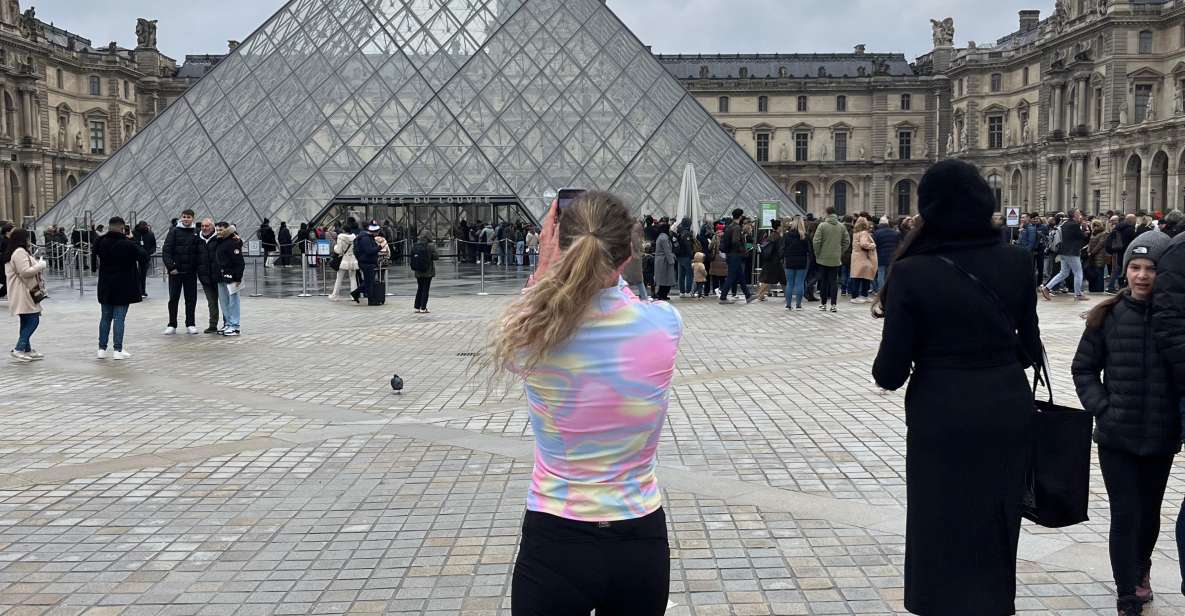
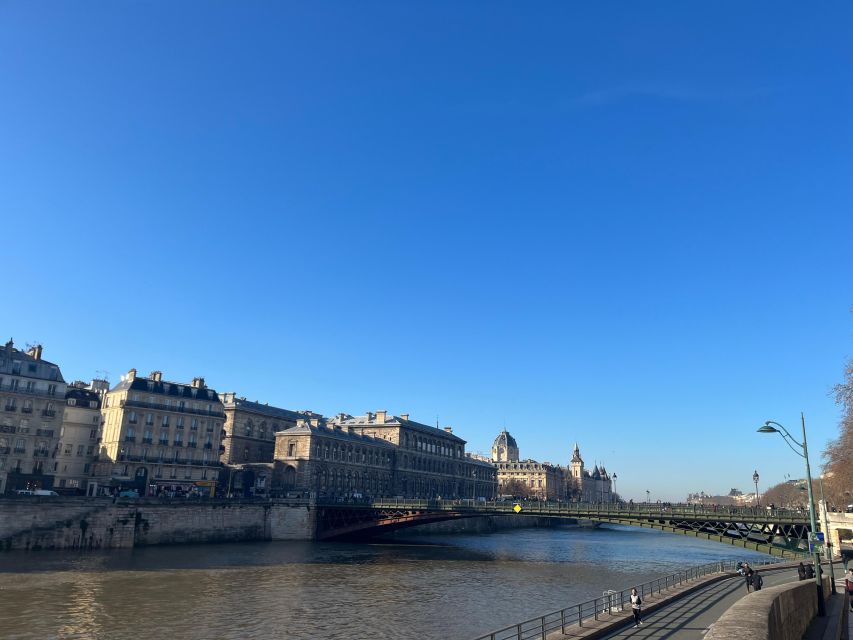
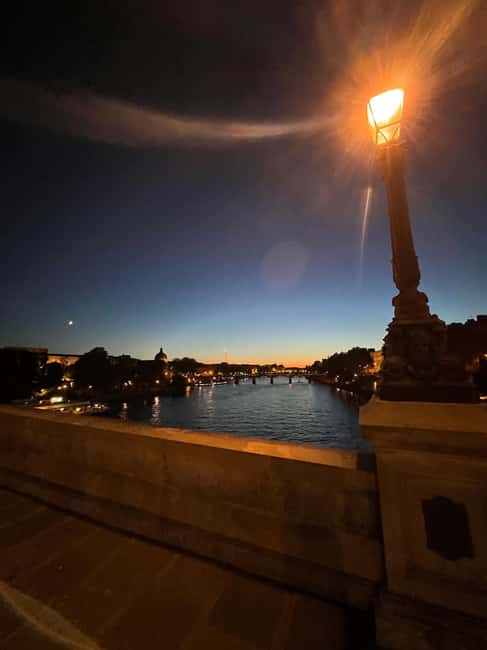
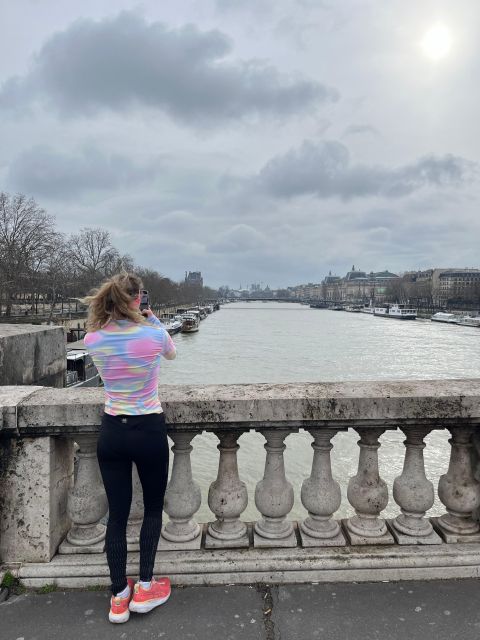
The Seine is the natural backbone of a Paris running route. Along the river, you can take in broad city views while moving between famous sights. The bridges are part of the appeal, since each crossing changes your angle on the river, stone façades, and central Paris.
Depending on your chosen path, the run may pass the Louvre, Tuileries Garden, Musée d’Orsay, Île Saint-Louis, and Île de la Cité. These are not separate museum stops. Think of them as a moving introduction to the city, with Juan adding short explanations and stories as you go.
The Louvre is especially useful as a point of orientation. Its scale helps you understand how the historic center fits together, while the Tuileries gives the route a more open stretch. The Musée d’Orsay offers another strong riverfront view, even if you do not enter the museum.
The two islands add a different feel. Île de la Cité is tied to some of Paris’s best-known landmarks, while Île Saint-Louis is quieter and more residential in character. You may pass through or near these areas depending on the route and timing, so ask Juan at the start if a particular sight matters to you.
There is one tradeoff with a river route: it can feel more scenic than local. If you want the strongest sense of ordinary neighborhood life, ask about the Canal Saint-Martin or an off-the-main-route course. One customer covered about 9.3 miles on a less familiar route, showing how much the experience can change when the pace and chosen path allow a longer outing.
Canal Saint-Martin and less familiar Paris
The Canal Saint-Martin gives the run a different rhythm from the grand riverfront sights. Its waterway, bridges, and neighborhood setting help you see Paris beyond the postcard circuit. This is a good choice if you already know the Louvre and major central monuments and want a route that feels less expected.
Juan’s role is useful here because he is not only setting a pace. He can explain how the quarters fit together and suggest areas where you might run on your own. That local orientation is one of the strongest reasons to book a guide instead of simply downloading a route.
The course can also pass through parks, along bridges, or beside the canal, depending on your chosen plan. Since the details are not fixed in one route, tell Juan what you value before setting off. Ask for landmarks if you want sightseeing, a longer distance if you want training, or quieter streets if you have already covered the center.
Do not expect the same route every time. The private format is meant to adapt, and the available options are 45, 60, or 90 minutes. That flexibility is useful, but you should confirm the exact duration and route when booking.
Sunrise, sunset, and the best time to run
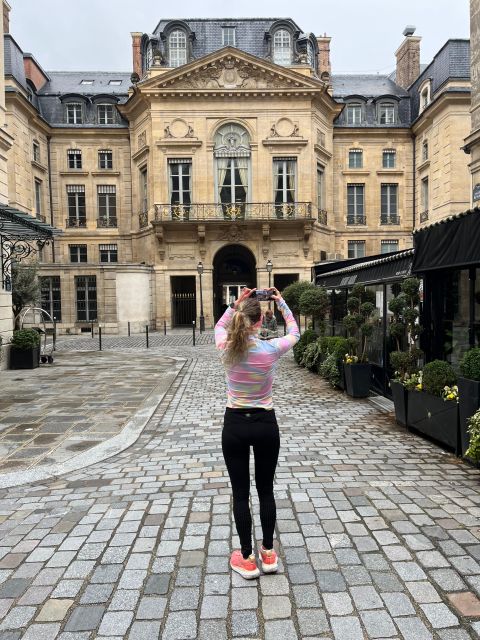
Morning, afternoon, and evening starts are offered, with sunrise or sunset possible depending on the season. Time of day can change the character of the run, so choose based on your goals rather than selecting the first available slot.
A morning session suits you if you want exercise before museums and meals fill the day. It can also help you get your bearings early in a visit. An afternoon run works well between scheduled activities, while an evening outing lets you see Paris in a softer light before returning to your hotel.
Season matters. Sunrise and sunset times shift through the year, so do not assume an evening booking will always include sunset. Check availability and ask Juan what light conditions to expect for your date.
Weather also matters more for a run than for a museum visit. The instructions specifically ask you to look at the forecast and dress suitably. Bring the shoes and layers you would use for a normal training run, not simply the clothes you planned for sightseeing.




How Juan’s guiding adds value
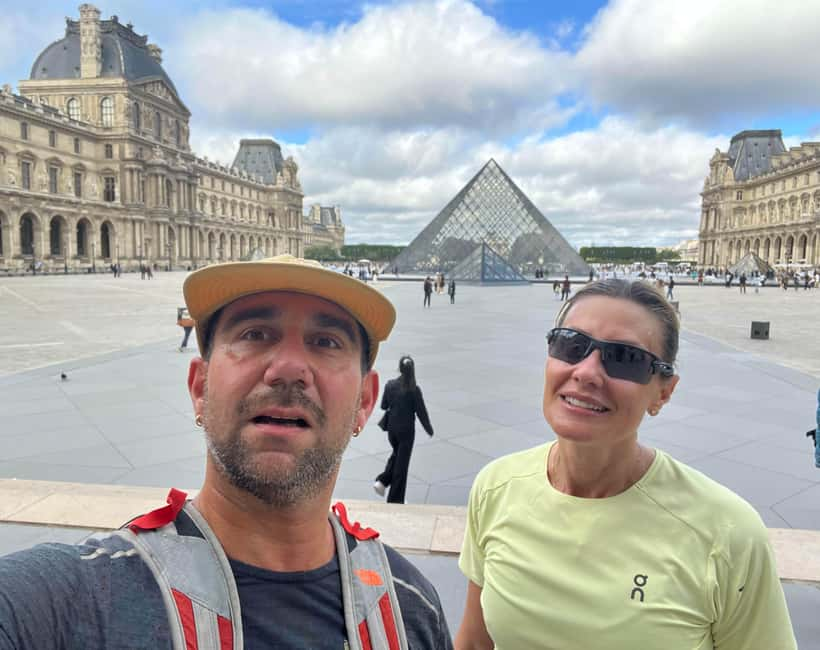
A running guide has to do two jobs at once: keep the route moving and make the city understandable. Juan’s approach includes short anecdotes and stories about Paris, plus advice on places to visit and eat later.
That makes the experience more useful than a silent run with a local escort. You can ask where to find good running areas, which quarters are worth exploring, and where to look for an authentic meal or pastry. One runner finished with a choux pastry from a bakery Juan recommended, a small detail that captures the practical side of the outing.
Juan also adapts to individual pace. That is vital for a private running tour. If you are faster than your companions, the group can discuss a route that works for everyone. If you prefer a controlled effort, tell him clearly at the meeting point.
The language choice is another plus. Juan guides in English, French, or Spanish, so you can receive route instructions and city stories in the language that feels easiest while exercising.
Duration, distance, and fitness requirements
The experience is described with several time options: 45, 60, or 90 minutes. The booking information also refers to a 45-minute duration and includes one hour of certified running. Treat the selected time as something to verify before payment, especially if you are planning another appointment afterward.
The required fitness level is not vague. You must be used to running at least 8 kilometers, or about 5 miles. This is aimed at intermediate and advanced runners, not people trying their first jog or hoping for a slow walk with occasional running.
The longer option can provide a much broader route. A 90-minute session may suit someone who wants more neighborhoods, more bridges, or a longer workout. The 45-minute choice is better for a compact introduction, but it leaves less time for both sightseeing and distance.
The activity is not considered suitable for children under 16, pregnant women, people with back or heart problems, people with diabetes, people with a cold, people with high or low blood pressure, people with limited fitness, wheelchair users, visually impaired people, or anyone without running experience. The stated upper weight limit is 140 kilograms, or 309 pounds.
These restrictions are worth taking seriously. The route takes place in a city, and running requires attention, balance, and enough fitness to maintain the effort. If you have a medical concern, this is not the place to test your limits.
What the $53 price includes
At $53 per person, the cost is reasonable if you value a private guide and intend to run anyway. A normal solo run costs nothing, of course, but it does not give you a Parisian route, live history, local food suggestions, or someone adjusting the course to your pace.
The small group is the key value. With only one to five customers, you are not paying for a large operation with a fixed script. You are paying for route planning, company, city context, and a workout that can fit your interests.
Water, a cereal bar, and music are included. Equipment is not, so do not read the price as an equipment rental or fully supported athletic session. You bring your own running clothes, shoes, and anything else you need for comfort.
Free cancellation is available up to 24 hours before the activity for a full refund, and you can reserve now and pay later. Those terms help if the forecast looks uncertain, although you should still check the weather before dressing and setting out.
Who should book this Paris run?
I would recommend it most strongly to an experienced runner visiting Paris for the first time, especially someone who wants a quick city overview without giving up a morning or evening workout. It also suits repeat visitors who have already seen the central monuments and want a canal route or less familiar streets.
Business visitors are a good match as well. A private run can fit into a short stay and gives you local advice that may help with the rest of your limited free time.
You should think twice if you are mainly interested in photography, detailed monument explanations, or museum interiors. You will see the outside of important sights, but you will not have time for a full guided visit.
The activity also requires honest self-assessment. If 8 kilometers feels ambitious, choose a walking tour instead. Paris pavement, bridges, weather, and city traffic can make even a moderate run more demanding than a familiar route at home.
Should you book Running Tours in Paris?
Book it if you already run regularly and want Paris to become part workout, part orientation, and part local conversation. Juan’s flexible route, multilingual guiding, small private groups, and practical food and neighborhood advice give the experience more purpose than simply following a map.
I would choose the 60- or 90-minute option if your main goal is to see several districts or build a longer workout into your day. Choose 45 minutes if you want a brisk introduction and have other plans immediately afterward. Before booking, confirm the duration, tell Juan your preferred pace, and ask which route best matches the sights you care about.
Skip it if you are out of practice, have one of the listed health concerns, or want a slow sightseeing experience. For confident runners, though, this is a smart way to meet a real Parisian, cover ground, and see the city from the river, bridges, canals, and streets rather than from behind a tour bus window.
FAQ
Where does the running tour start?
It starts at Place de la République. Meet beside the statue in the center of the square.
Where does the tour finish?
The run returns to Place de la République.
How long does the running tour last?
The available choices are 45, 60, or 90 minutes. The activity information also refers to a 45-minute duration and one hour of certified running, so confirm your chosen time when booking.
How far must I be able to run?
You must be used to running at least 8 kilometers, or 5 miles.
What sights can the route include?
Depending on the chosen path, you can run beside the Seine, cross Paris bridges, follow the Canal Saint-Martin, and pass the Louvre, Tuileries, Musée d’Orsay, Île Saint-Louis, Île de la Cité, and Les Halles.
Who guides the run?
Juan Echeverria leads the experience. He was born and raised in Paris and speaks English, French, and Spanish.
How large is the group?
This is a private group, with between one and five customers.
What is included?
The running tour includes the guide, water, a cereal bar, music, and the running visit itself. The exact route depends on the chosen path.
Is running equipment provided?
No. You need to bring your own running equipment.
Can I cancel for a refund?
Yes. You can cancel up to 24 hours in advance for a full refund. You can also reserve now and pay later.