REVIEW · REIMS
Reims/Epernay: Champagne Day Tour with Tastings
Book on GetYourGuide →Operated by ABC Champagne Tour · Bookable on GetYourGuide
Champagne tastes better with a plan. This Epernay-focused day tour lines up vineyards, Hautvillers viewpoints, and tastings that explain what you’re actually pouring. You’ll see how the region connects people, soil, and bubbles.
I like two things a lot: the small group size (up to 8) and the private guide attention, so you’re not swallowed by a big bus crowd. The pace is tight but not frantic, and the day keeps switching gears between scenery and “why it tastes like this.”
One consideration: it’s an active day. You’ll be walking in vineyards and moving around cellar spaces, and it’s not suitable for people with mobility impairments.
In This Review
- Key Champagne Moments You’ll Care About
- Meeting in Epernay (or Reims) and Why That Van Matters
- Epernay Stop: First Tastings and the “Read the Label” Moment
- Lunch in the Champagne Region: Local Food First, Then More Bubbles
- Hautvillers Abbey Visit: Dom Pérignon’s Footprint in View
- Vineyard Walk and Soil Talk: The Part Everyone Forgets to Ask
- Independent Winery Cellar + Champagne House: Two Ways to Make Bubbles
- Timing, Comfort, and a Day That Actually Fits an 8.5-Hour Schedule
- Price and Value: What $336 Gets You (and What It Doesn’t)
- Practical Tips Before You Go
- Should You Book ABC Champagne Tour from Epernay?
- FAQ
- Meeting point and pickup
- Where do I meet for the tour?
- Is hotel pickup and drop-off included?
- Timing and group size
- How long is the tour?
- How many people are in the group?
- What’s included
- What’s included in the price?
- Do I get skip-the-line access?
- Languages and tastings
- What languages is the guide available in?
- What kind of tastings will I do?
- Comfort and restrictions
- Is the tour suitable for people with mobility impairments?
- Are there any restrictions on footwear?
- Cancellation
- Can I cancel for a refund?
Key Champagne Moments You’ll Care About

- Small-group touring with a private guide keeps questions in the conversation and timing under control
- Epernay tastings early on help you taste with context, not just enthusiasm
- Abbaye Saint-Pierre d’Hautvillers and the Dom Pérignon connection set the tone for the day
- Vineyard walk + soil talk explains why Champagne is picky about grapes
- Independent winery cellar + Champagne house visit gives you two sides of production
- Commented tastings in your flutes turn the final pour into a guided lesson
Meeting in Epernay (or Reims) and Why That Van Matters

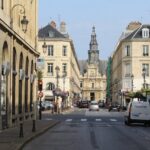
The day starts right at the Epernay Office of Tourism at 10:00. Look for the black van with ABC Champagne Tour on the side. If you’re routing through Reims, there’s a second meeting option at 09:15 outside Reims central station at the tourist office.
Either way, the point is the same: you get picked up in a small-group setting, with private transport waiting. That matters because Champagne days have a rhythm, and you don’t want to waste it hunting for schedules, buses, or parking.
This is also where the small-group advantage shows. With a max of 8 participants, you’re more likely to get direct answers to questions about grape styles, the basics of production, and what to look for during tastings.
You can also read our reviews of more wine tours in Reims
Epernay Stop: First Tastings and the “Read the Label” Moment

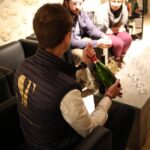
You’ll spend about 1.5 hours in Epernay, with an initial tasting built into the visit. This is a smart way to start because it gets your senses awake early. After a couple of tastes, Champagne stops being just “sparkling wine” and starts becoming a set of recognizable styles.
What I’d watch for during this first round is how the guide frames the differences. You’re not just tasting bubbles—you’re learning how producers shape flavor through choices around grape sourcing and traditional methods used in Champagne.
This early tasting also sets up the rest of the day. When you later stand in vineyard rows or step into an underground cellar, you’ll be able to connect the place to the glass instead of treating everything like a photo stop.
And yes, the tour includes skip-the-line entry via a separate entrance. That’s one of those small perks that keeps the day from slipping.
Lunch in the Champagne Region: Local Food First, Then More Bubbles

After more driving time through the region, you’ll get a longer stretch centered on food and drinking—about 1.5 hours. Lunch is served at a French restaurant with local cuisine. This isn’t just a reset button. The guide uses lunch as part of the Champagne lesson, so you don’t just eat and check out.
One reason this lunch break feels worth it: it tends to break the day’s “tasting-only” monotony. Champagne can get heady fast. A solid traditional meal helps you taste again with better focus.
I also love that the day pairs lunch with another tasting block. It’s a practical approach to how you actually experience flavors over time—your palate changes, your body recalibrates, and the bubbles feel different after real food.
Hautvillers Abbey Visit: Dom Pérignon’s Footprint in View

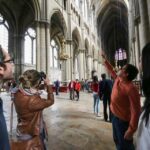
The tour includes a visit to Abbaye Saint-Pierre d’Hautvillers. It’s about 45 minutes at the abbey, with nearby viewpoints that sit on a hillside—one of those spots where you understand why people built places of importance up high.
This is where the story becomes specific. In the area around Hautvillers, the steward and cellar master tied to Dom Pérignon is part of why the region’s Champagne identity feels almost “engineered by history.” Even if you’re not the type to memorize names, the guide’s explanation turns the abbey from a building into a clue about how Champagne culture formed.
What you’ll likely enjoy most here is the mix of quiet architecture and the wider sense of place. It gives your day a pause, but not a long one.
Vineyard Walk and Soil Talk: The Part Everyone Forgets to Ask
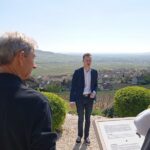
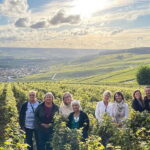
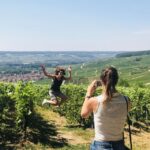
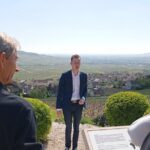
Between the viewpoint and the next cellar stop, you’ll also get a short walk in the vineyards. It’s not long, but it’s useful—especially because the guide explains why good soil matters for quality grapes.
This is also where the work behind Champagne becomes real. The region is described as dependent on tough manual labor, and the tour highlights the scale: around 15,000 vine growers working to produce high-quality wine.
From a practical angle, this vineyard portion helps you interpret what you tasted earlier. Champagne isn’t one flavor. It’s a product of choices: soil conditions, careful growing, and then patience through the traditional approach to Champagne production.
A note on expectations: one strong review pointed out there’s room for improvement in terms of a more hands-on demonstration of vine care. If you’re the kind of person who wants to see how a grower cuts and tends vines step-by-step, you might wish for a bit more of that “show me the method” time. Still, the soil and labor explanations are the right groundwork.
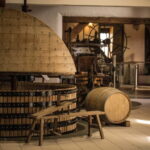
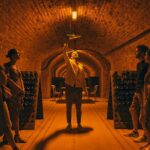

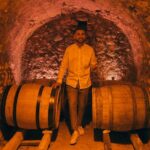
Independent Winery Cellar + Champagne House: Two Ways to Make Bubbles

By the later part of the day, you’ll head to a winery experience that includes both an independent winery cellar visit and a guided visit that represents a Champagne house approach. The schedule frames this as a full tasting-focused block—about 1.5 hours in the Marne area, with transportation segments linking everything together.
This “two styles of production” structure is genuinely valuable because it’s easy to think Champagne is one thing. It isn’t. Different types of houses and growers can lead you toward different tasting outcomes, and the guide connects those dots.
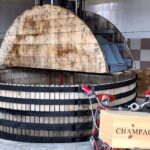
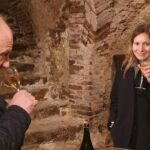
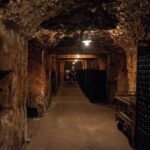
In the underground cellar, you’ll likely hear about the Champagne-making process in plain terms—how the cellar environment supports the production timeline, and why the region’s traditions are not just folklore. You’ll also get commented tastings that slow you down enough to notice differences.
One more detail that can make this feel special: independent wineries sometimes feel more personal. In Hautvillers, for example, you may get the chance to buy bottles directly from the winery. One highlight from past participants was that the value from purchasing bottles locally felt strong, especially when they could bring home something they learned from during the visit.
Timing, Comfort, and a Day That Actually Fits an 8.5-Hour Schedule

The total duration is listed as 510 minutes, which is about 8.5 hours. That sounds long until you realize how Champagne days are built: multiple stops, a lunch break, several tastings, and time to walk outside.
The pacing is a big part of the reason the tour earns strong satisfaction scores. It doesn’t stick you in one place all day. Instead, it swaps between:
- short driving segments in the van,
- tastings in Epernay,
- food and tasting at lunch,
- abbey time and viewpoints,
- vineyard walking,
- and cellar/house visits later on.
The guide also matters here. Several top comments highlighted guides who keep the day fun without dropping the facts. The English-language experience is led by a guide named Angélique, who’s been praised for friendliness, region knowledge, and keeping the group atmosphere light while staying informative.
Price and Value: What $336 Gets You (and What It Doesn’t)

At $336 per person, you’re paying for more than “a tasting.” The tour bundles:
- a private guide,
- private transportation by van,
- multiple Champagne tastings,
- and lunch.
You don’t get hotel pickup and drop-off. That means you should plan to arrive at the meeting point on your own. If you’re staying near the tourist offices, that’s easy. If you’re far out in town, you’ll want to budget time for getting there.
So does the price make sense? Here’s how I’d judge it as a value traveler:
- If you’d otherwise pay separately for guided tastings, a vineyard visit, and a structured meal stop, the bundle starts to feel fair.
- The small group limit (8 people) is real value when compared with cattle-car group tours.
- The “private guide” piece is what turns tastings from entertainment into learning, especially with explanations tied to specific places.
Also, there’s a practical upside to buying bottles. If you like what you taste, the day gives you a place to buy rather than hoping a shop nearby has the exact bottle you want. One review called out especially good value when purchasing bottles in Hautvillers.
Practical Tips Before You Go

Wear shoes you don’t mind walking in. Vineyard paths and cellar areas are not the time for slippery footwear, and bare feet are not allowed.
Expect a full day. The schedule is built around tasting blocks, so plan on eating at the lunch stop and then tasting again after. Bring water when you can, and pace yourself with the Champagne pours.
Bring a question or two. If you care about why Champagne styles differ, ask early. The day is structured so the guide can explain the process and why varieties taste the way they do, and that goes faster when you prompt with your interests.
Know who this is for. It’s not suitable for people with mobility impairments, and electric wheelchairs aren’t allowed. If mobility is a concern, look for a different kind of tour with fewer walking components.
Should You Book ABC Champagne Tour from Epernay?
If you want a Champagne day that feels guided, structured, and actually educational, this one makes strong sense. The best reason to book is the pairing of place + process + tastings. You don’t just drink—you learn how the region works, why it takes labor and patience, and what to taste for during the day.
I’d say to skip it only if you’re seeking a super-light stroll with minimal stairs and walking, or if mobility needs would make the day stressful. Otherwise, it’s a solid pick for a first visit to the Champagne region, especially if you’re traveling as a couple or a small group who’d like personal attention.
FAQ
Meeting point and pickup
Where do I meet for the tour?
You meet outside the Epernay Office of Tourism at 10:00, looking for the black van with ABC Champagne Tour written on the side. There is also a meeting option at 09:15 outside Reims central station at the tourist office.
Is hotel pickup and drop-off included?
No. Hotel pickup and drop-off is not included.
Timing and group size
How long is the tour?
The duration is 510 minutes (about 8.5 hours). Starting times depend on availability.
How many people are in the group?
It’s a small group limited to 8 participants.
What’s included
What’s included in the price?
A private guide, private transportation, Champagne tastings, and lunch.
Do I get skip-the-line access?
Yes. There’s skip-the-line entry using a separate entrance.
Languages and tastings
What languages is the guide available in?
The live guide is available in English and French.
What kind of tastings will I do?
The day includes Champagne tastings with commented explanations, including tastings during the Epernay portion and later during winery and Champagne house visits.
Comfort and restrictions
Is the tour suitable for people with mobility impairments?
No. The tour is not suitable for people with mobility impairments, and electric wheelchairs are not allowed.
Are there any restrictions on footwear?
Bare feet are not allowed.
Cancellation
Can I cancel for a refund?
Free cancellation is offered up to 24 hours in advance for a full refund.