REVIEW · PARIS
Private tour of the Champagne area, meet local producers and taste their Champagne, start from your hotel in Paris.
Book on Viator →Operated by Finding France · Bookable on Viator
Champagne tastes better when it’s planned for you. This private door-to-door tour mixes famous Champagne landmarks with hands-on time with producers, plus at least five Champagne tastings along the way. I especially like the private pacing and the fact that you’re not just driving past the region—you’re stopping in the cellars, villages, and vineyards. One thing to keep in mind: which big-name houses you visit can depend on availability, so it’s smart to go with flexible expectations.
What makes this feel like a real day out (not a rushed checklist) is the Paris pickup, air-conditioned vehicle, and a private multilingual guide who can explain what you’re tasting as you go. Expect a long day—about 10 to 12 hours—with bottled water and skip-the-line access to cellars, which matters when you’re trying to maximize time in the region.
The itinerary also builds in variety: big-house cellars, Hautvillers and the Dom Pérignon connection, then a smaller family operation in Damery where you taste directly with the winemaker. The main tradeoff for value is that lunch is not included, and the cellars are cold—about 51°F—so you’ll want a warm layer ready.
In This Review
- Key Things I’d Plan Around
- Hotel Pickup in Paris Makes the Whole Day Easier
- The Drive Through Champagne: You’re Not Just Passing Through
- Inside Big Champagne Cellars: Tastings and What They Teach You
- Hautvillers and Dom Pérignon: The Marne Valley View Stop
- Avenue de Champagne: A Glass, a Walk, and a Sense of Scale
- Damery: The Family Winemaker Stop That Makes This Tour Feel Personal
- Guides and the Little Things: The Difference Between Good and Great
- Price and Value: What You’re Paying For (and What Isn’t Included)
- What to Pack for Cold Cellars and a Long Day
- Should You Book This Champagne Producers Private Tour?
- FAQ
- How long is the private Champagne tour from Paris?
- Where do you get picked up in Paris?
- What Champagne tastings are included?
- Is lunch included?
- Will the tour visit big Champagne houses like Moët or Veuve Clicquot?
- What should I wear for the cellar stops?
- Can I buy Champagne and ship it home?
Key Things I’d Plan Around
- Hotel pickup in Paris so you don’t fight trains, parking, or schedules
- At least five Champagne tastings with skip-the-line cellar entry
- Big-house cellars plus a family cellar in Damery for contrast
- Hautvillers and Dom Pérignon with a Marne Valley viewpoint stop
- Avenue de Champagne time to see major houses and drink a glass
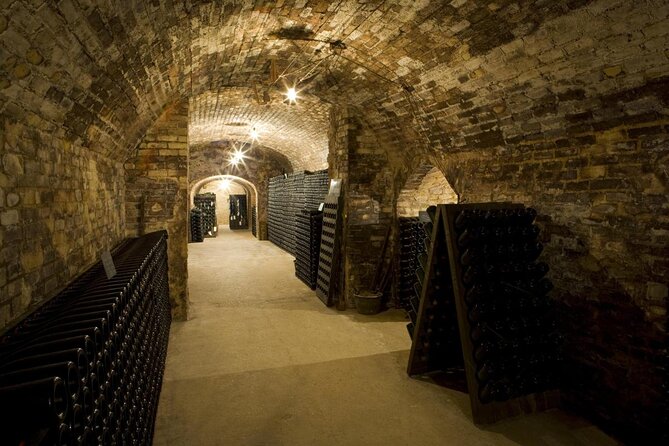
- Cellar temperature runs cold (around 51°F), so pack accordingly
Hotel Pickup in Paris Makes the Whole Day Easier
Starting in Paris is a big part of why this tour works. You get picked up either in front of your hotel or anywhere you want to be picked up in Paris, and you’re dropped back the same way. That’s a simple win if you’re trying to do Champagne without spending half the day figuring out routes and timing.
Because it’s a private experience for just your group, the schedule can be managed around your needs: you’re not stuck waiting for other people’s shopping stops or slowed down by a large bus rhythm. The day runs long—roughly 10 to 12 hours—and the drive is part of it, so starting with a smooth pickup helps you arrive less frazzled and more ready to enjoy.
You also get bottled water, an air-conditioned vehicle, and a private multilingual driver and guide. That combination matters on a full-day trip like this because you’ll be moving across villages and cellars, and having someone who can handle directions and explanations keeps the energy up.
You can also read our reviews of more private tours in Paris

The Drive Through Champagne: You’re Not Just Passing Through
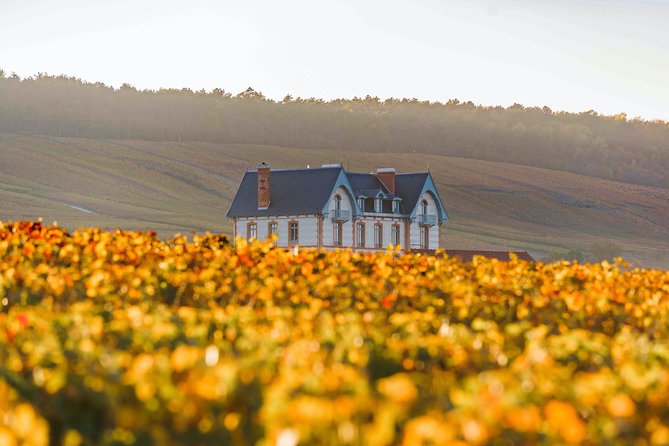
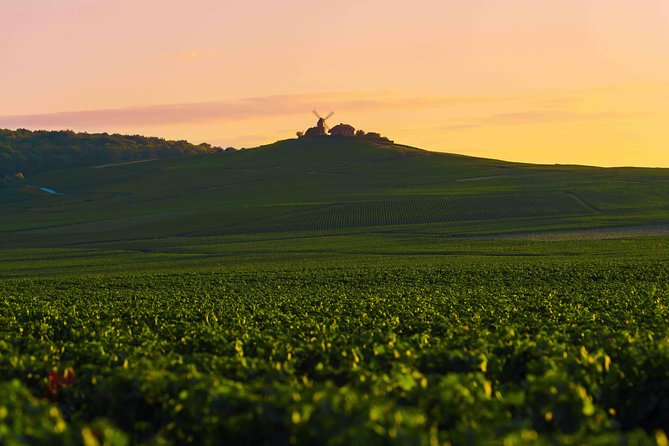
Once you leave Paris, the tour focuses on the Champagne region itself. You’ll wind through roads lined with vineyards and get time to admire the typical villages and countryside as you go. This is one of those “you’ll be glad you did it” parts, because the Champagne region isn’t only about the houses—it’s about how the land shapes the wine.
You’ll also reach the core area around Épernay and the Avenue de Champagne zone, where the big names are concentrated. Even if you’ve seen photos of the avenue, it hits different in person. It’s a good moment for your brain to switch from city mode to countryside mode.
One practical note: this is a long day, and you’ll spend time both in vehicles and underground. If you want the best energy for tastings, plan to eat something before pickup (or at least have a snack ready before you leave Paris).
Inside Big Champagne Cellars: Tastings and What They Teach You
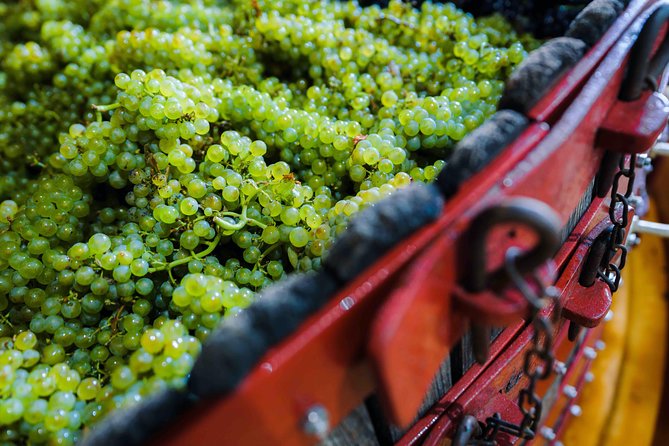
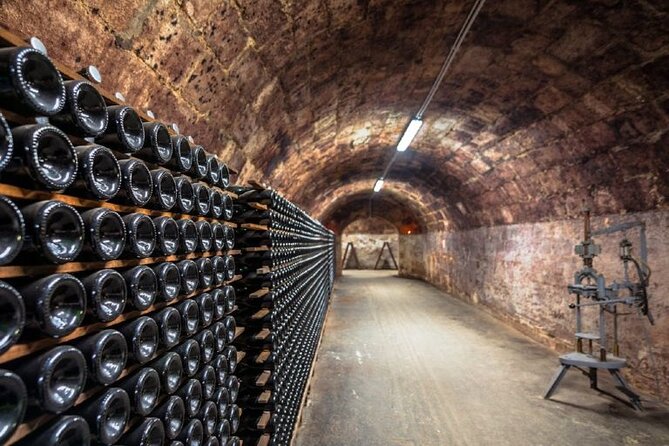
The tour includes a first Champagne house stop in cellars, with names chosen based on availability. Depending on the day, it may be a major house such as Veuve Clicquot, Moët & Chandon, Mercier, Pommery, or others. You’ll get skip-the-line access, and you’ll be tasting as part of the visit.
This is where the tour can feel especially valuable if you enjoy learning how Champagne is made and why the style differs from producer to producer. In the cellars, you’re close to the production heritage—those cool underground spaces where the house stories are real, not just marketing. And since the tour includes tastings of at least five types of Champagne, you’re not leaving with just one impression.
I also like that the itinerary isn’t only one type of experience. A big house stop gives you scale and tradition, while later stops bring you back down to earth with a family producer. That contrast helps you taste more thoughtfully. For example, you’ll likely notice that each producer’s Champagne has a different balance, even before you know all the technical vocabulary.
Possible drawback to factor in: when demand and scheduling get tight, the exact big-name house you get can change. That’s not rare on Champagne days, and it’s worth planning for mentally. If your dream is a very specific house, ask how the day’s cellar selections are handled when you book, and be ready to enjoy the win anyway.
Hautvillers and Dom Pérignon: The Marne Valley View Stop
After the first cellar stop, the tour heads to Hautvillers, a village tied directly to the beginnings of Champagne wine. This stop is more than a photo moment. You’ll visit Abbaye Saint-Pierre d’Hautvillers, where you can soak in a breathtaking view of the entire Marne Valley.
Hautvillers is also known as the resting place of Dom Pérignon. The tour takes you back to the origins of Champagne wine, which is a useful shift after the cellar tasting focus. You start thinking about the region’s early story and how this wine evolved where it was made.
The time here is relatively short—about 30 minutes in the itinerary—so treat it like a concentrated moment. I’d suggest wearing shoes that are comfortable for standing and looking out over the valley. Views can make you slow down, and that’s a good thing here.
This stop also gives you a natural break in the day. If you’re a bit tired after the earlier tasting, Hautvillers works as a reset: you get fresh air, open views, and a sense of place.
Avenue de Champagne: A Glass, a Walk, and a Sense of Scale
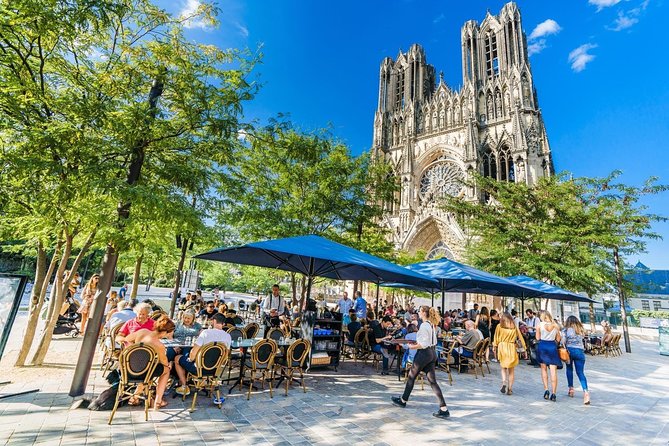
Next you’ll be back near the famous Avenue de Champagne, where the greatest Champagne houses sit side by side. This is one of the easiest segments to enjoy because you can see the “house world” without having to do homework first. It also helps you connect what you tasted underground earlier with the brand presence you see aboveground.
You’ll have time for a glass of Champagne at one of the houses along the avenue. That’s a nice rhythm: taste in the cellars, then taste again while you’re looking at the avenue. It makes the day feel connected instead of segmented.
Lunch is near this area, and the tour notes that you can taste local dishes if you wish—like a tasting board of local products. But lunch is not included, so this part is about choice. If you want a lighter lunch to keep you comfortable for the rest of the tastings, go that route. If you want a fuller meal, just make sure you don’t lose the day to a long table-side wait.
Also, keep your phone charged. This is a great place for photos that actually show context, not just close-ups.
You can also read our reviews of more wine tours in Paris


Damery: The Family Winemaker Stop That Makes This Tour Feel Personal
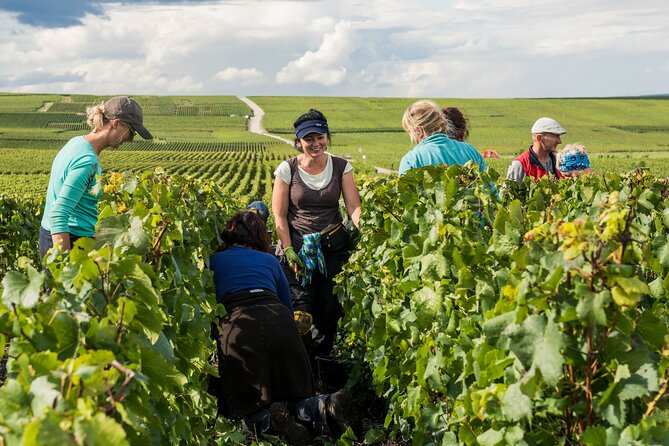
The heart of the itinerary is often the Damery segment. Here you visit a local artisan winemaker from a family-owned Champagne cellar. You’ll tour his vineyards and then taste his best vintage Champagne in his living room. It’s not a polished showroom feeling. It’s more direct, more human, and usually more memorable.
This stop is where you’re likely to feel the tour’s “private” advantage. In a smaller setting, the guide can tailor the explanations to what you’re curious about—how that producer thinks about the vines, how the family approaches wine over generations, and what they believe makes their Champagne work.
You can also buy bottles directly from the producer without any commission, and the tour can help arrange Champagne shipping. That’s a practical detail worth caring about. If you’ve ever carried bottles through crowded airports or tried to pack glass in a hurry, you’ll appreciate having a plan.
One more note: this is the part where the schedule flexibility can show up the most. If big-house access changes, the Damery experience is often what still keeps the day meaningful. It’s one of the best “value anchors” in the whole tour because it’s distinct from what you’d get just by visiting a single large house.
Guides and the Little Things: The Difference Between Good and Great
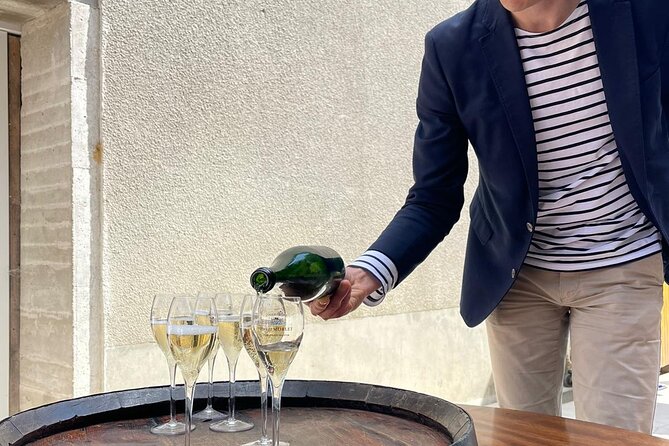
The quality of the guide can genuinely change how a Champagne day feels. In real-life experiences with this tour style, guides like Agnes, Clément, and Fatah have been praised for being engaging, funny, and flexible with the day’s flow. That’s more than personality—it affects how much you learn and how comfortable you feel during tastings.
A great guide also helps you pace. Champagne tastings can blur together if you’re not reminded what to pay attention to. A strong guide will guide your focus—bubbles, balance, aftertaste, and how each glass compares to the last.
You might also get thoughtful extra touches depending on timing. For example, one experience involved a picnic-style pause with a blanket and a simple food stop in the Épernay area before moving on to the village viewpoints and the family cellar. That’s the kind of thing that doesn’t cost the tour extra in a big way, but it can make the day feel like your trip, not a bus schedule.
My advice: if you care about story and hospitality, choose your day based on guide fit as much as on the itinerary.
Price and Value: What You’re Paying For (and What Isn’t Included)
At $1,003.22 per person, this is not a budget excursion. But it includes the big cost drivers: private transportation from Paris, skip-the-line cellar access, a private multilingual driver and guide, and tastings featuring at least five types of Champagne. It’s also door-to-door, which is a real value factor when you’re leaving Paris for a full day.
What’s not included is lunch and tips. That matters because lunch can easily be another meaningful spend, especially if you go for a sit-down meal in the Avenue de Champagne area.
So how do you decide if it’s worth it for you? I’d base it on two questions:
- Do you want a private Champagne day with multiple producers, rather than a single house and a quick tasting?
- Are you the type who enjoys learning while you taste, not just collecting bottles?
If your answer is yes, this tour often makes sense. If you only want one famous house and you’re comfortable using public transport, you could probably find cheaper options. But for a full regional day with both big and small producers, private access is the whole point.
Also, it can help to travel with a group when possible. The tour mentions group discounts, and private experiences become more reasonable when the fixed costs are spread out.
What to Pack for Cold Cellars and a Long Day
This tour warns you clearly about temperatures underground: cellars can be around 51°F. Bring a warm layer even if Paris weather feels mild. A light jacket helps, as does a sweater you can layer fast.
You’ll also be doing a mix of walking and standing—especially at viewpoints in Hautvillers and around the countryside stops—so wear comfortable shoes. Champagne tastings mean you’ll be in and out of places quickly, so avoid anything that’s annoying to take on and off.
Finally, keep your pace in mind. With multiple tastings across the day, you’ll want water and food timing. The tour includes bottled water, but your body still needs a plan.
Should You Book This Champagne Producers Private Tour?
Book it if you want a Champagne day that mixes scale and intimacy: a major house cellar visit plus a family winemaker stop in Damery, with tastings, viewpoints, and Avenue de Champagne time. The door-to-door pickup in Paris is a huge convenience win, and skip-the-line access helps you protect your hours.
Don’t book it if you’re the type who needs exactly one specific big house on the schedule no matter what. The itinerary’s big-house choices can shift based on availability, so you’ll enjoy it most if you’re open to what’s possible on your date.
If you’re celebrating, this is also a strong pick. You’re not just drinking Champagne—you’re spending a whole day learning the region and meeting the people behind it.
FAQ
How long is the private Champagne tour from Paris?
The tour is listed as lasting about 10 to 12 hours.
Where do you get picked up in Paris?
You’re picked up in front of your hotel or anywhere else you want in Paris, and you’re dropped off the same way at the end.
What Champagne tastings are included?
The tour includes alcoholic beverages tastings of at least five types of Champagne, with skip-the-line tickets to Champagne cellars.
Is lunch included?
No. Lunch is not included, though the day includes time near Avenue de Champagne where you can choose to eat.
Will the tour visit big Champagne houses like Moët or Veuve Clicquot?
The first cellar visit is scheduled based on availability and may include major houses such as Veuve Clicquot or Moët & Chandon, along with other notable houses. Which one you get can vary by day.
What should I wear for the cellar stops?
Bring warm clothing. Cellars can be around 51°F.
Can I buy Champagne and ship it home?
Yes. At the Damery stop with the family-owned producer, you can buy bottles directly from the producer, and the tour can organize Champagne shipping.