REVIEW · PARIS
Private Orsay Museum Tour: 2h Highlights w/ Monet & Van Gogh
Book on GetYourGuide →Operated by Dayin · Bookable on GetYourGuide
The best thing about this private Orsay tour is its clear focus. In two hours, your guide takes you to major works by Monet, Van Gogh, Degas, Manet, and other key artists, while shaping the stories around your interests. That is a useful way to see a large museum without spending half your visit finding the right gallery.
I like the small private setting and the freedom after the guided portion. You get a personal route rather than a large group moving at one pace, then you can stay inside and look again at anything that caught your eye. The main drawback is the price: at $261 per person, this makes the most sense for visitors who value personal attention and efficient planning.
In This Review
- Key points at a glance
- Why a Two-Hour Orsay Tour Works
- Meeting the Guide at the Elephant Statue
- Entering the Musée d’Orsay Without the Ticket Queue
- Monet, Van Gogh, Degas, and Manet in One Route
- What the Private Format Changes
- Staying Inside After the Two-Hour Visit
- Is $261 Per Person a Fair Price?
- Who Will Get the Most From This Experience?
- Practical Ways to Make the Visit Better
- Should You Book the Private Orsay Highlights Tour?
- FAQ
- How long does the private Orsay Museum tour last?
- What artists are included in the tour?
- Where do I meet the guide?
- Is museum admission included?
- Can I skip the ticket line?
- What languages are available?
- Is the tour private?
- Is the tour wheelchair accessible?
- What happens if I need to cancel?
Key points at a glance
- A focused two-hour route: See the Orsay essentials without trying to cover every room.
- Monet and Van Gogh take center stage: The tour also includes Degas, Manet, and other major names.
- Private attention: Your guide can adjust the visit for first-time art visitors or Impressionism fans.
- Pre-reserved museum entry: You skip the regular ticket line, though security may still take time.
- Useful city advice: The guide includes tips for navigating Paris, not just the museum.
- Extra time inside: After the tour ends, you may continue exploring at your own pace.
Why a Two-Hour Orsay Tour Works
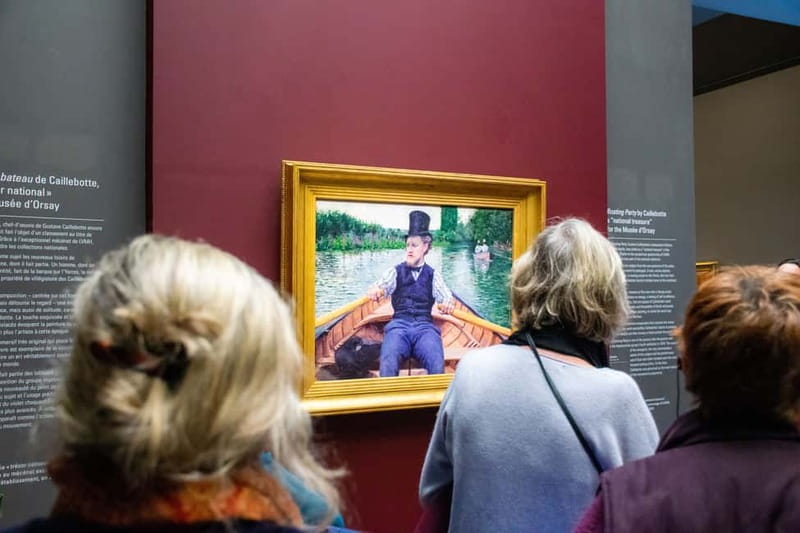
The Musée d’Orsay is not an easy museum to approach casually. Its former railway-station setting gives it a memorable home, but the galleries can still feel like a maze when you are trying to locate specific artists and famous paintings. A private two-hour route gives you a plan before your attention starts to wander.
This is a highlights visit, not a full survey of the collection. That distinction matters. You will not have time to inspect every room or period, but you also will not spend precious museum time wondering where to go next. Your guide takes responsibility for the route and explains why particular works matter.
I see the format working especially well on a first visit to Paris. You get a strong introduction to the Orsay’s best-known art, then you can return to favorite rooms after the formal tour. If you already know the museum well, the value depends more on how much you want personal discussion and a tailored path.
The tour lasts two hours, so expect a brisk but manageable visit. The exact starting time depends on availability. I would avoid placing it too close to a train departure, restaurant booking, or another timed attraction. Paris traffic can slow even a short trip across the city, and the meeting instructions specifically advise leaving early.
You can also read our reviews of more private tours in Paris


Meeting the Guide at the Elephant Statue
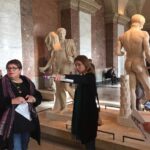
The meeting point is next to the elephant statue in front of the museum entrance at 5 Rue de la Légion d’Honneur. Your guide will hold a blue Dayin sign, which gives you a simple visual marker in a busy area.
This detail is more useful than it may sound. Museum entrances can attract several tour groups, and a clear sign saves you from scanning every face. Still, arrive with enough time to orient yourself. You do not want to begin a two-hour art visit worried about whether you are standing at the right door.
You can reach the museum by Metro line 12 or the RER train C. Since the tour does not include hotel pickup or drop-off, you handle the trip to and from the museum yourself. That is normal for a central Paris museum tour, but it means you should check your route before leaving your hotel.
Bring a passport or other ID card. Large bags and luggage are not allowed, and selfie sticks are also prohibited. Pack lightly. A small, practical bag will make the security process easier and keep your hands free for looking rather than managing belongings.
Entering the Musée d’Orsay Without the Ticket Queue
Your museum entry ticket is included, and the tickets are pre-reserved. That allows you to skip the regular ticket line with your guide, which can save time and remove one common source of stress.
Skip-the-ticket-line does not mean instant entry. Security may still create a wait, so do not schedule this tour with a minute-by-minute plan afterward. The staff may need to check bags and personal items before allowing you inside.
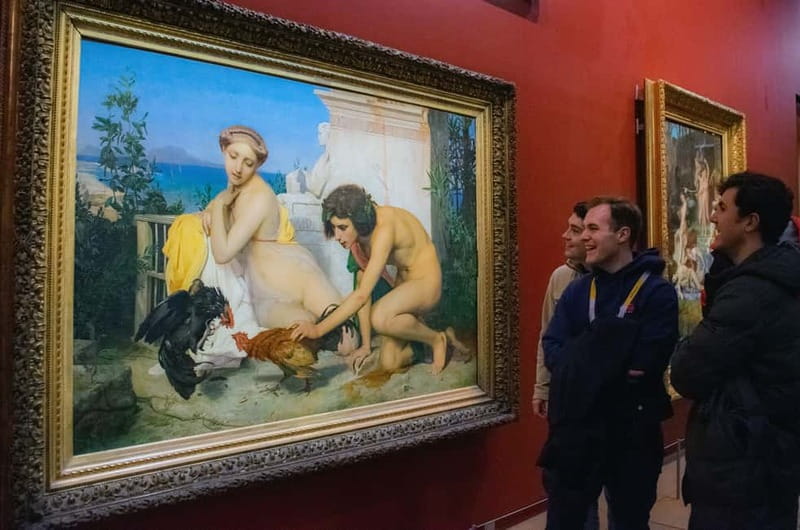
Once through the entrance, the guide can handle the basic orientation and get you moving toward the collection. That is where the private format earns its keep. Instead of reading a general map and choosing a direction at random, you begin with a person who knows the intended highlights route.
Museum access can change on the day. Particular galleries may close without advance notice, and individual works may be away for restoration or loan. If one of the paintings you hoped to see is unavailable, your guide can help keep the visit useful, but no museum tour can guarantee that every named work will be on display.
Monet, Van Gogh, Degas, and Manet in One Route
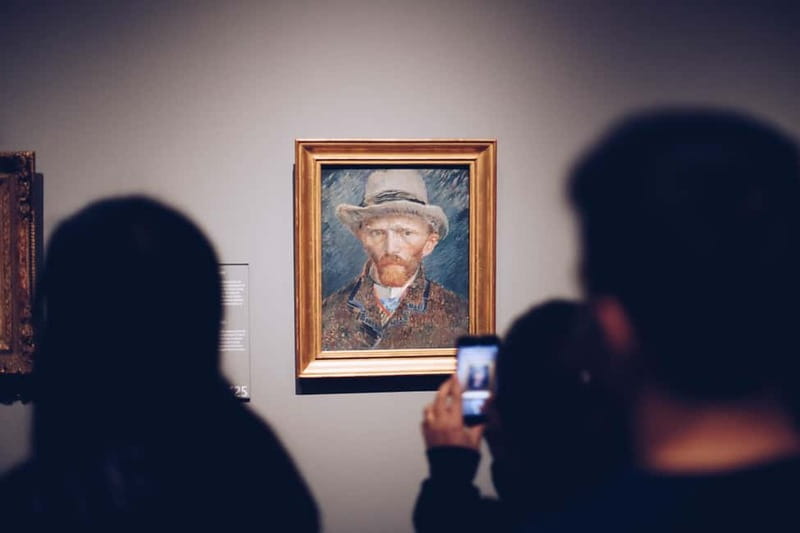
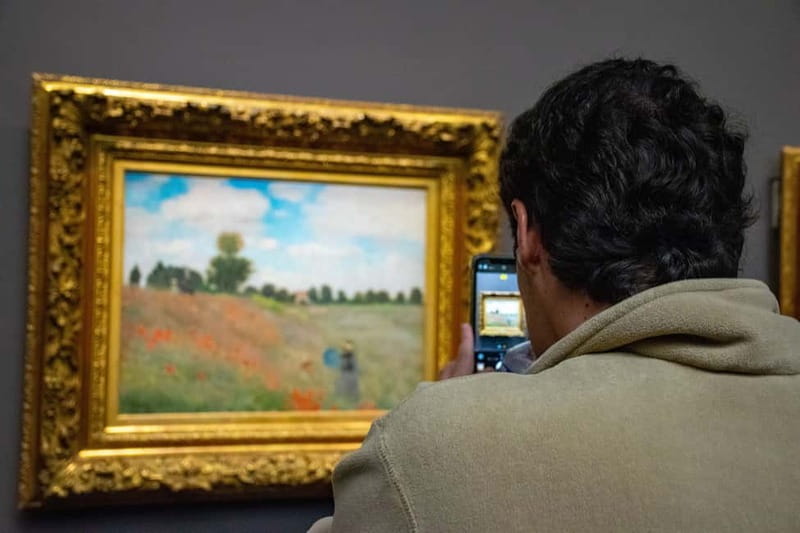
The heart of the visit is the Orsay’s Impressionist and Post-Impressionist collection. Monet and Van Gogh are named highlights, joined by Degas, Manet, and other important artists. These names give you a good idea of the tour’s character: famous works, clear stories, and a route aimed at the museum’s most requested art.
I like this selection because it offers variety within a short visit. Monet can open a conversation about changing light and the act of seeing. Van Gogh brings a different emotional and visual force. Degas and Manet help widen the picture, so the tour is not reduced to two familiar names.
The guide’s job is not simply to point at a painting and recite its title. The experience is designed around storytelling, with explanations meant to make the works easier to remember. If you are new to art, that context can help you look with more confidence. If you already enjoy Impressionism, you can use the private setting to ask more specific questions.
Your interests can shape the visit. The tour is described as suitable for both newcomers and Impressionism fans, and the private format makes that adjustment possible. You may want a basic explanation of what to look for, or you may prefer to spend more time comparing artists and techniques. The exact balance depends on your conversation with the guide.
Since no individual guide names are provided, you should choose a language when booking rather than expect a particular person. Tours are available in English, French, Spanish, Chinese, and Traditional Chinese.
What the Private Format Changes
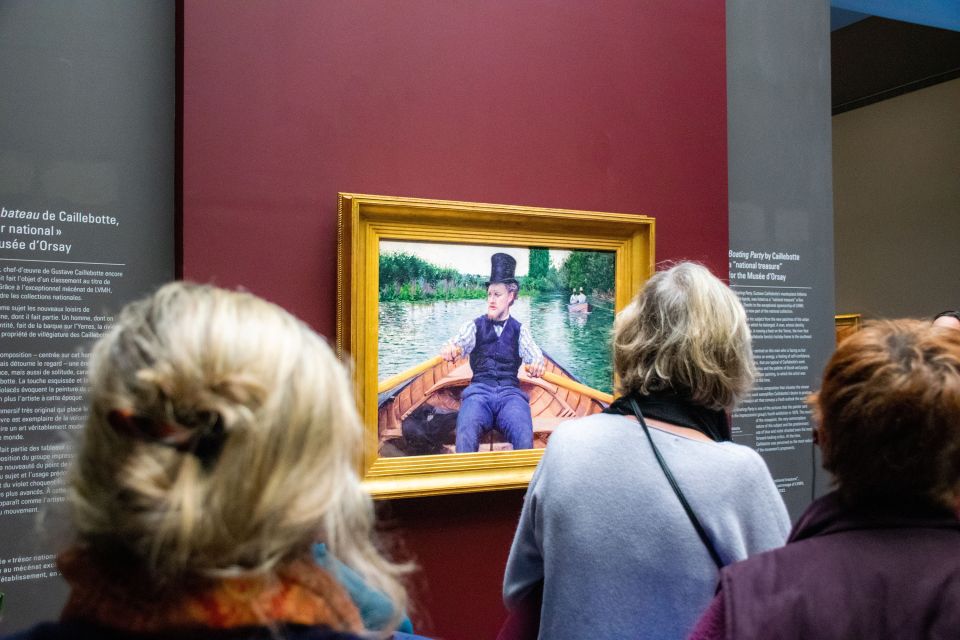
A private group changes the rhythm of a museum visit. In a large group, the guide has to keep everyone together and repeat information for people with different interests. Here, the route can respond more directly to your questions and energy.
That does not mean you will have unlimited time at every painting. Two hours passes quickly, especially in a museum with as much to see as the Orsay. The guide still needs to keep the visit moving so you reach the main works. The advantage is that the conversation can be more personal, and you do not need to wait for a large group to gather.
The private setting is also helpful for families or mixed-interest groups. Someone seeing the Orsay for the first time can receive basic context, while a more serious art fan can ask for added detail. The guide can tailor the storytelling rather than follow a fixed speech for everyone.
The tour is listed as wheelchair accessible. You should still confirm any particular access needs when booking, since galleries, security procedures, and museum conditions can change. The important point is that the experience is intended to accommodate wheelchair users rather than leaving access entirely to chance.
You can also read our reviews of more museum experiences in Paris



Staying Inside After the Two-Hour Visit
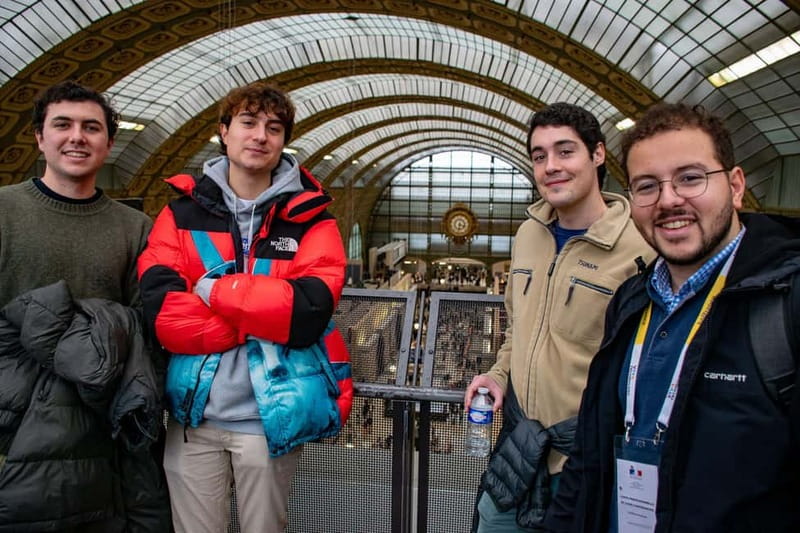
The formal guided tour ends back at the meeting point, but you are free to continue exploring the museum afterward. This is one of the strongest features of the experience.
Two hours is enough for the main route, but it is rarely enough for every room you may want to see. After your guide leaves, you can return to a favorite Monet or Van Gogh, look for another section, or simply move at a slower pace. You do not need to choose between a focused introduction and independent time.
I recommend treating the guided portion as your museum orientation. Pay attention to the rooms and artists the guide highlights, then use the remaining time to follow your own curiosity. If you arrive with a short list of additional works, you can ask the guide for help finding them before the tour ends.
The extra time also makes the two-hour length feel less restrictive. You are not being pushed out of the museum after the final explanation. The tour gives you a route first, then leaves room for a more relaxed second look.
Is $261 Per Person a Fair Price?
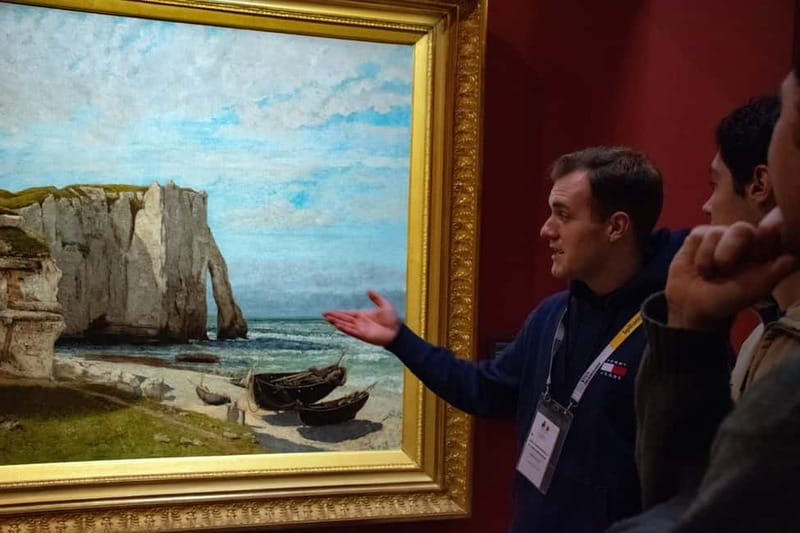
At $261 per person, this is a premium museum visit. The price includes the Orsay entry ticket, a professional licensed guide, a private experience, the highlights route, and tips for navigating the city. It does not include transportation from your hotel or a return transfer.
The value depends heavily on your group. If you are traveling alone or with one other person, the per-person cost is high. If you are sharing a private booking with family or friends, personal guidance may feel more reasonable, especially when everyone wants a different level of art explanation.
You are paying for more than admission. You are paying for planning, a private conversation, a language option, and a guide who can keep the route focused. That can be worthwhile when your Paris schedule is tight or when a large group tour would be frustrating.
On the other hand, visitors who are comfortable navigating museums alone can spend less by buying regular entry and using the museum’s own information. The private tour is not the budget choice. It is a convenience and interpretation choice.
The full refund policy also gives you some planning flexibility. You can cancel up to 24 hours in advance, and the reserve-now, pay-later option means you do not have to pay at the time of booking. Those terms are useful if your Paris schedule is still shifting, but they do not change the basic price calculation.
Who Will Get the Most From This Experience?
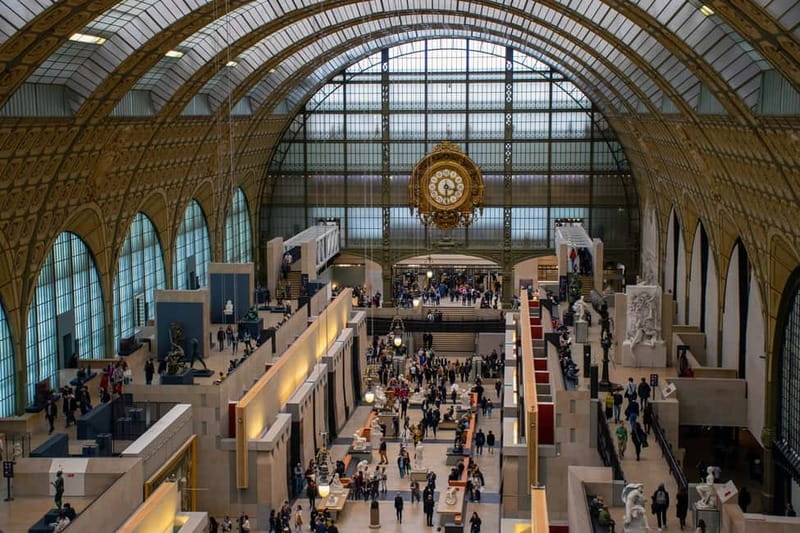
I would recommend this tour to a first-time Orsay visitor who wants the famous works without spending hours planning a route. It is also a good match for anyone who likes to ask questions and wants a visit shaped around personal interests.
Families may appreciate the private pace, especially when children or adults have different levels of interest. A private guide can keep the discussion moving and avoid the awkward pauses that come when a large group waits for everyone to catch up.
Art lovers should consider it if they want a focused conversation about Monet, Van Gogh, Degas, Manet, and related works. The tour is not a specialist course, but it gives you a direct way to request more attention to the artists you care about.
I would be less likely to recommend it to a visitor who wants a slow, unplanned museum day from the start. The first two hours follow a highlights route, and the price is difficult to justify if you mainly want to wander on your own. In that case, regular museum entry may fit better, followed by independent time.
Practical Ways to Make the Visit Better
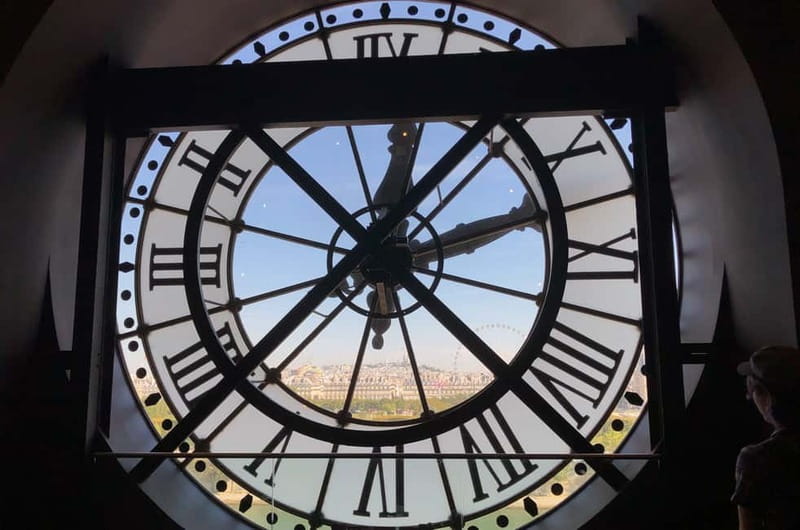
Arrive early enough to account for Paris traffic and security. The meeting point is clear, but being late can cut into a short tour.
Bring your passport or ID card and leave luggage at your accommodation. Large bags are not allowed, and a crowded bag can slow the entrance process.
Think about your interests before you meet the guide. Decide if you want a broad introduction, more time with Impressionism, or extra attention to Van Gogh, Monet, Degas, or Manet. A private tour works best when you give the guide something to work with.
Wear comfortable shoes. The tour lasts two hours, and you may stay afterward for more museum time. The museum itself is the main setting, so the experience involves standing and walking through galleries.
Keep a little flexibility after the scheduled end. Galleries can close without notice, works can be loaned or removed for restoration, and security may take longer than expected. A flexible plan protects you from turning a pleasant museum visit into a race across Paris.
Should You Book the Private Orsay Highlights Tour?
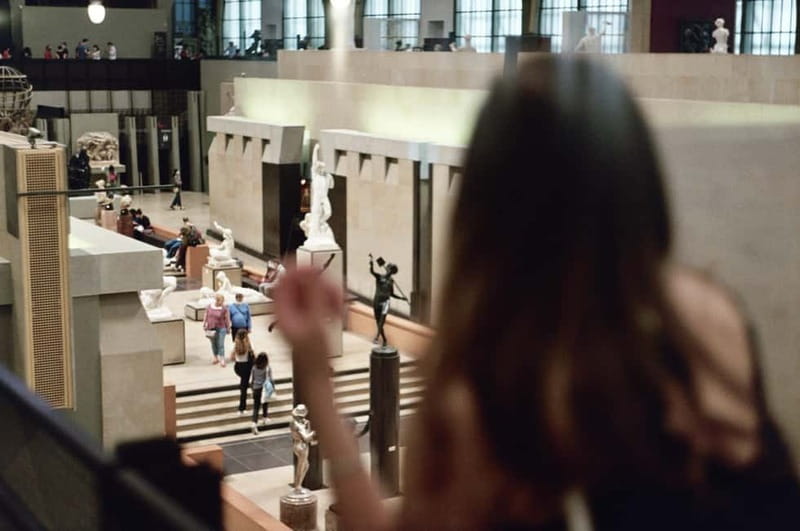
Book it if you want the Orsay’s major Impressionist works explained by a guide in a private setting, and if you value an efficient route more than the lowest possible admission cost. The combination of Monet, Van Gogh, Degas, and Manet, followed by free time inside the museum, gives you both structure and independence.
Think twice if $261 per person feels too steep for a two-hour guided visit or if you already know the Orsay well. You will get the most from this experience when personal attention, language choice, and help with navigation matter to you. For a first visit with limited time, it is a focused and practical introduction.
FAQ
How long does the private Orsay Museum tour last?
The guided tour lasts two hours. You may stay and explore the Musée d’Orsay independently after the guided portion.
What artists are included in the tour?
The highlights route includes works by Monet, Van Gogh, Degas, Manet, and other major artists.
Where do I meet the guide?
Meet next to the elephant statue in front of the museum entrance at 5 Rue de la Légion d’Honneur. Your guide will hold a blue Dayin sign.
Is museum admission included?
Yes. The Orsay Museum entry ticket is included in the tour price.
Can I skip the ticket line?
Yes. The tour includes pre-reserved entry that lets you skip the regular ticket line. You may still need to wait at security.
What languages are available?
The live guide can lead the tour in English, French, Spanish, Chinese, or Traditional Chinese.
Is the tour private?
Yes. This is a private group experience.
Is the tour wheelchair accessible?
Yes. The activity is listed as wheelchair accessible.
What happens if I need to cancel?
You can cancel up to 24 hours in advance for a full refund. You can also reserve now and pay later.