REVIEW · MONTEPULCIANO
Pasta Fresca in Valdichiana Senese
Book on Viator →Operated by Valdichiana Living · Bookable on Viator
The best part of this Montepulciano cooking class is that you do not simply watch pasta being made. You work the dough yourself, shaping two Tuscan staples, pici and tagliatelle, before sitting down to eat them with traditional sauces and local wine.
I like the small maximum of 10 people, which gives the class a personal feel, and I like that the ingredients are basic. Flour and water do not hide behind fancy equipment. You learn a method you can repeat at home. The main thing to consider is transportation: you must arrange your own way to the meeting point, unless a transfer is requested and organized separately.
In This Review
- Key points at a glance
- Making pasta the Tuscan way
- Pici, tagliatelle, and the sauces beside them
- A countryside setting near Montepulciano
- What the three-hour schedule feels like
- The one weak spot: the final cooking step
- What $150.03 gets you
- Dietary needs and group size
- Irene, Daniel, and the human side of the class
- Who should book this Montepulciano cooking class?
- Should you book it?
- FAQ
- Where does the Pasta Fresca experience take place?
- How long does the cooking class last?
- What pasta will I make?
- Is lunch or dinner included?
- Is wine included?
- Can dietary requirements be accommodated?
- Is transportation included?
Key points at a glance
- Two pasta shapes: Make thick, hand-rolled pici and ribbon-like tagliatelle from scratch.
- A meal is included: You eat the pasta you prepared, with traditional Tuscan sauces and a glass of local wine.
- Small class size: The group can include up to 10 people, with a minimum of two per booking.
- Countryside setting: The class takes place at Valdichiana Living in the Montepulciano area, with some sessions held at a nearby farmhouse or agriturismo.
- Instructor-led cooking: Irene and Daniel are among the hosts connected with the experience, and the teaching style can vary by session.
- Plan transport early: The activity starts and ends at the meeting point, and transportation is not part of the standard price.
Making pasta the Tuscan way
This is a practical class built around two pasta forms that say a lot about southern Tuscany. Pici are thick, rustic strands, usually rolled by hand rather than cut with a machine. Tagliatelle are flatter ribbons, more familiar to many home cooks but still easy to get wrong if the dough is too dry, too wet, or uneven.
You begin with simple ingredients, mainly flour and water. That simplicity is useful. You can pay attention to texture, pressure, and timing instead of worrying about a long ingredient list. The goal is not to leave as a trained chef. It is to understand the feel of dough well enough to make pasta again in your own kitchen.
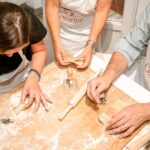
The hands-on format matters here. You should expect to mix, knead, roll, and shape the pasta yourself. The chef instructor explains the process and answers questions during the working part of the class. That makes this a better choice for you if you want to learn a repeatable skill, not just collect photographs of a cooking demonstration.
The exact pasta pairing can vary. The advertised plan centers on pici and tagliatelle, while one session included pici and ravioli instead. That suggests the class may adjust its menu, so ask ahead if making both pici and tagliatelle is essential to your plans.
You can also read our reviews of more tours and experiences in Montepulciano.


Pici, tagliatelle, and the sauces beside them
The pasta is only half the lesson. You also prepare or learn about the sauces served with it, using traditional Tuscan combinations. Past participants have described working on a sauce for the pici and a filling when ravioli was included.
That extra step makes the meal more useful. Fresh pasta can be excellent, but sauce teaches you how to turn it into dinner. You learn how a thick strand such as pici needs a sauce that clings, and how a flatter ribbon can carry a different texture and flavor.
One practical point is worth noting. The stated menu is handmade pasta, but it does not promise a fixed number of courses or a dessert. Tiramisu was included in some other versions of the experience but not in every session. Do not book this expecting a set dessert unless the provider confirms it.
The class has also received strong marks overall, with a 4.8 rating from 21 ratings and recommendation from 95 percent of participants. That fits the main strength of the experience: the food and the social setting tend to carry the afternoon or evening.
A countryside setting near Montepulciano
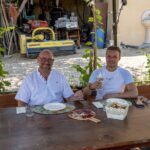
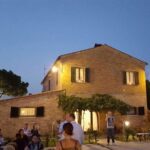
The meeting point is in Montepulciano, in the Valdichiana Senese area. The activity begins and ends there, but the cooking may take place at Valdichiana Living or at a nearby farmhouse or agriturismo. One account describes arriving by gravel roads, followed by a meal in a rural setting.
That detail is important for planning. This is not a city-center class where you can simply walk out of a hotel and find the kitchen. If you have a rental car, reaching the site should be part of your plan. If you do not, contact the provider well before the class to ask about a transfer. Transportation is available on request, but it is not included in the standard price.
The rural location adds character, but it also adds responsibility. Check the meeting instructions carefully, allow time to find the correct address, and do not wait until the class is about to begin to ask for help. A participant who requested transportation on the same morning was unable to attend, partly because the activity began at 11 a.m. and the request came only minutes before the start.
That is not a criticism of the pasta class itself. It is a clear warning about logistics. The food may be rustic, but your planning should be precise.
What the three-hour schedule feels like
The experience lasts about three hours. That gives enough time for instruction, pasta preparation, sauce work, cooking, and the meal without turning the class into an all-day commitment.
The first part is the active section. You work with the dough while the instructor explains the technique and responds to questions. This is where the class earns its keep. Pay attention to the dough rather than rushing to the shaping stage. The feel of the mixture is the lesson you will need most when you try it alone.
Next comes shaping. Pici takes patience because the strands are thick and irregular by design. Tagliatelle requires more even rolling and cutting. The two forms give you useful contrast: one teaches hand-rolling and rustic consistency, while the other teaches thinness and uniform width.
Sauce preparation follows, using traditional Tuscan recipes. You may hear about tomatoes, garlic, and the balance of ingredients. Daniel, one of the hosts associated with the experience, has been described as outgoing and good at creating a relaxed atmosphere. Irene has also led a session and handled questions during the main class.
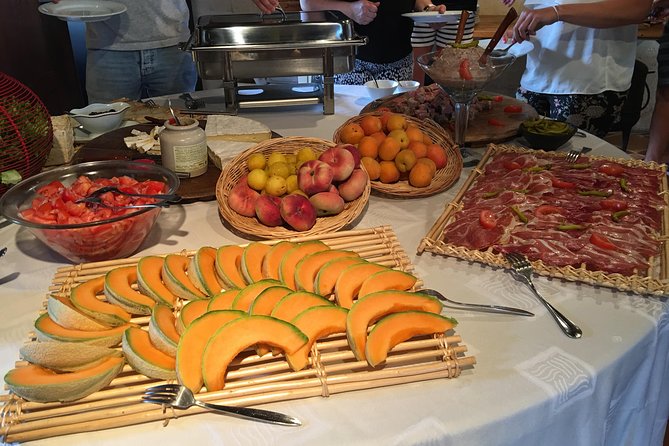
The final stage is cooking and eating. You move to the dining area and enjoy the pasta with a glass of local wine. The meal is included, so the price is not only paying for instruction. You are also paying for the ingredients, the prepared sauces, the setting, and a proper lunch or dinner at the end.
The one weak spot: the final cooking step
The class is strongest when you are making the dough and shaping the pasta. The less certain part is what happens once the pasta goes into the pot.
In one session, the participants were sent to the dining room while the pasta was cooked. They wanted to see how the thick pici was tested for doneness, especially since a cooking time of seven to nine minutes is only an estimate. The instructor did not continue the discussion at that point, leaving them to watch from the kitchen doorway and work out what they could.
For you, this means the class may not cover every final technical detail. If learning pasta cooking is important, ask questions before leaving the work area. Watch the timing, texture, and signs of doneness closely. Fresh pici is not like dried supermarket pasta, and the cooking stage is where a useful lesson could have been even stronger.
This does not erase the good parts. The finished meal can still be excellent, and the class gives you the central skill of making fresh pasta from basic ingredients. It is simply worth knowing that the teaching may become less hands-on once the meal is being finished.


What $150.03 gets you
At $150.03 per person, this is not a cheap meal. It makes the most sense when you value the class as much as the food.
You receive roughly three hours of instruction, a hands-on cooking session, lunch or dinner, and wine tasting. You also get the social benefit of a small group, which can be especially pleasant for a family or group of friends. One family group of five adults found the class lively and enjoyed sharing the meal with people they had not previously met.
The price is harder to justify if you only want to eat fresh pasta. Montepulciano has restaurants where you can order a pasta dish without spending several hours at a worktable. Here, the point is to learn how to recreate the meal.
I see the strongest value for you if you enjoy cooking, want a distinctly Tuscan activity, or are looking for something beyond wine tasting and sightseeing. The class gives you a skill to take home, not just a meal that ends when the bill is paid.
The wine tasting is a pleasant addition, but it should not be the main reason you book. The advertised experience is centered on pasta, and the food is the feature that earns the price.
Dietary needs and group size
Vegetarian, vegan, and gluten-free options are available, but you must provide those requirements when booking. Do not assume that the kitchen can adjust everything at the last minute, especially in a small rural setting.
The minimum booking is two people. The maximum is 10, a useful size for asking questions and getting enough space at the worktable. A group of 10 may feel less intimate than a class of four or five, but it remains far smaller than a large demonstration-style cooking event.
This format suits couples, families with adult children, and friends who want to do something together. It may also work for solo participants only if they can join another booking, since the activity requires at least two people per reservation.
The class is less suitable if you dislike group meals, need a tightly timed schedule, or want a polished restaurant-style service. The setting and teaching style are informal. That is part of the appeal, but it also means the experience may feel different depending on the instructor and location used that day.
Irene, Daniel, and the human side of the class
The host affects this experience more than the menu does. Irene has been described as friendly and willing to answer questions during the main lesson. Daniel has been praised for an outgoing manner that helped a family group relax quickly.
You should expect an instructor who talks while you work, explains the food, and keeps the class moving. The strongest moments come when you ask questions during the pasta-making stage. Ask about dough texture, rolling pressure, sauce consistency, and how the pasta should look before it goes into the pot.
The teaching is not perfectly uniform. One session felt warm and informative until the cooking stage, while others describe the host and food as the highlight of a week in Tuscany. That difference is worth accepting if you prefer a local, personal activity over a standardized production.
The rural setting can also add to the atmosphere. One session included two friendly Boxer dogs and a beautiful farm setting. Those touches are not guaranteed features of every class, but they show the sort of informal countryside environment you may encounter.
Who should book this Montepulciano cooking class?
I would point you toward this experience if you meet several of these conditions:
- You want to make pasta, not just watch someone else make it.
- You enjoy eating what you prepare.
- You have a car or have arranged transport in advance.
- You are happy with a flexible menu that may change between pici, tagliatelle, or ravioli.
- You like small-group activities and shared meals.
- You want a practical memory of Tuscany that you can repeat at home.
I would hesitate if you want a guaranteed dessert, a precise restaurant menu, or a lesson that covers every step through plating in equal detail. I would also think twice if you are staying in central Montepulciano without transport plans.
Book at least several weeks ahead if your dates are fixed. The experience is booked an average of 40 days in advance, so last-minute availability may be limited. At booking, provide dietary needs and ask where the class will meet, whether it will be at Valdichiana Living or a nearby farmhouse, and what transport options are possible.
Should you book it?
Yes, if making fresh pasta is the main attraction. The combination of pici, tagliatelle, Tuscan sauces, wine, and a countryside meal offers good value for a hands-on food experience, even at $150.03 per person.
Go in with realistic expectations. The class may not include tiramisu, the menu can vary, and the final pasta-cooking step may receive less attention than you want. Arrange transportation early, ask questions while the instructor is actively teaching, and confirm dietary needs in advance.
For a couple, family, or small group looking for a genuine cooking activity near Montepulciano, this is a strong choice. For anyone seeking only a meal, it is expensive. The deciding question is simple: do you want to eat Tuscan pasta, or do you want to learn how to make it?
FAQ
Where does the Pasta Fresca experience take place?
The activity starts and ends at the Montepulciano meeting point in Tuscany. The cooking location is Valdichiana Living, with some sessions held at a nearby farmhouse or agriturismo.
How long does the cooking class last?
The class lasts approximately three hours.
What pasta will I make?
The planned class teaches you to make pici and tagliatelle from scratch. The menu can vary, and one session included pici and ravioli.
Is lunch or dinner included?
Yes. The experience includes a meal featuring the handmade pasta you prepare. It may be served as lunch or dinner, depending on the scheduled session.
Is wine included?
Yes. Wine tasting, including a glass of local wine with the meal, is included.
Can dietary requirements be accommodated?
Vegetarian, vegan, and gluten-free options are available. You must advise the provider of your dietary requirements when booking.
Is transportation included?
No. Transportation to and from the activity is not included in the standard price, though it may be available on request.