REVIEW · PARIS
Paris Wonder: Half-Day Easter Adventure
Book on Viator →Operated by Wonder Meets and Tours · Bookable on Viator
Paris Wonder: Half-Day Easter Adventure mixes grand avenues, famous monuments, art, and Olympic sites in one private outing. The most useful part may be the chance to ask your guide practical questions as you go, from restaurant ideas to museum choices and onward transport.
I like the private car and small-group format, which saves energy and gives you more freedom to ask questions. I also like the central finish at Musée d’Orsay, where you can continue sightseeing on foot or use the 24-hour hop-on-hop-off pass. The main caution is that the description contains conflicting details about dates, tickets, and the exact four-hour schedule, so confirm those points before paying.
In This Review
- Key points to know before booking
- A private Paris outing with a slightly mixed identity
- Starting at Place Clemenceau and the Champs-Élysées
- Arc de Triomphe and the twelve avenues below
- Olympic venues and the best photo positions
- Musée d’Orsay, with art kept to the highlights
- The Seine pass and continuing from Musée d’Orsay
- Notre-Dame and the foundations beneath the island
- What your guide adds to the day
- Timing, transport, and the value question
- Who should book this Paris tour?
- Should you book Paris Wonder?
- FAQ
- How long does the tour last?
- What language is the tour offered in?
- Where does the tour begin?
- Where does the tour end?
- Is this a private tour?
- Is hotel pickup included?
- Is a vehicle provided during the tour?
- Are monument admission tickets included?
- Does the tour include official Olympic Games access?
- Is the tour refundable or changeable?
Key points to know before booking
- Yemisi and Ife are named guides connected with the experience, and the guide’s personal advice is a major part of its appeal.
- Your group gets a dedicated vehicle, rather than joining a large coach tour.
- Arc de Triomphe access is described as timed and skip-the-line, with views over the 12 avenues around the monument.
- Musée d’Orsay receives a focused art overview, including Van Gogh, Monet, and Renoir.
- Olympic venues and photo locations are part of the theme, but the operator is not affiliated with the official Olympic Games Paris.
- The tour ends near Musée d’Orsay, a handy place to continue your day in central Paris.
A private Paris outing with a slightly mixed identity
This experience is best understood as a private orientation tour, not a traditional Easter program. The title points to Easter, while the description refers to Paris during December and places strong attention on Olympic facilities. Those themes do not naturally line up, so I would ask the operator which seasonal details apply to your departure.
The four-hour length gives you a quick sweep of central Paris. You get a guide, a car, major sights, and a chance to collect ideas for the rest of your visit. That is useful early in a trip, especially if you want help deciding which museums, restaurants, and neighborhoods deserve your limited time.
The format also suits families or small groups that prefer direct conversation over a fixed coach commentary. You participate only with your own group, and the supplied information calls this a private activity. That means the pace and questions should feel more personal than on a large sightseeing bus.
Still, I would not book without clarifying the inclusions. The stop-by-stop plan says admission is included at several sights, while the general inclusions say monument access is excluded and extra tickets can be arranged separately. The itinerary also lists four one-hour stops within a tour lasting about four hours, then adds a hop-on-hop-off pass. Ask exactly which tickets are included and how much time is spent at each stop.
A few more Paris tours and experiences worth a look



Starting at Place Clemenceau and the Champs-Élysées
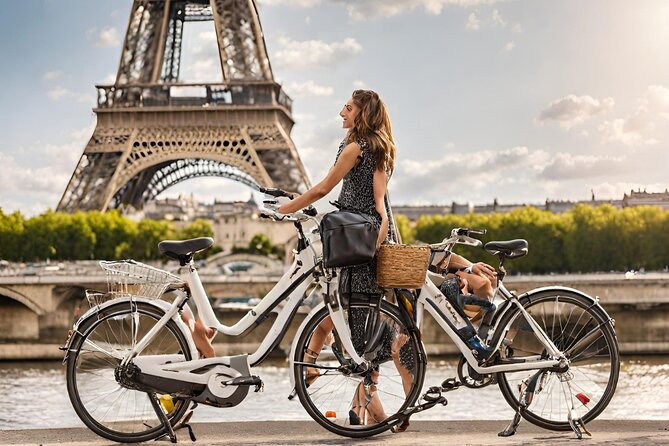
The meeting point is Place Clemenceau, near the Champs-Élysées, in the eighth arrondissement. This is a practical start for a tour built around grand Parisian monuments, and it puts you near one of the city’s best-known ceremonial avenues.
Your guide is meant to set the scene with information about Parisian history, architecture, and the festive atmosphere. The supplied material specifically mentions December, even though the experience title says Easter, so this is another detail worth checking for your date.
The Champs-Élysées is not simply a shopping street. It is a broad route used for public celebrations, ceremonies, and major city events. On a car-based tour, you can cover more ground than you would on foot, though traffic may affect the pace.
I would use this first hour to ask practical questions. Ask your guide which museums need advance planning, where to eat near your hotel, and how to reach your next destination. Yemisi is repeatedly singled out by name in the supplied feedback for being warm, patient, funny, and helpful with restaurant, museum, and transport suggestions. If she is available for your date, you can request her, but the booking information does not promise a specific guide.
Arc de Triomphe and the twelve avenues below
The Arc de Triomphe is the most clearly defined monument stop. The plan refers to a timed ticket and skip-the-line access, followed by views from the monument over the twelve avenues radiating from the arch.
Those views are the real payoff. From above, Paris becomes easier to understand. The great avenues spread outward in a star pattern, and the monument gives you a strong sense of how the city’s main routes connect. It is also a good place to ask about the planning and symbolism behind this part of Paris.
The timed entry matters because the Arc can be busy. If the ticket is included, the arrangement may save you the trouble of arranging a separate visit. But the conflicting ticket language needs attention. The stop says admission is included, while the general section says access to Paris monuments is not included. Get a written answer before your tour date.
The Arc also requires more physical effort than a street-level photo stop if your visit includes the upper viewpoint. The provided information does not specify stairs, elevators, or access arrangements, so ask the operator if anyone in your group has mobility concerns. The general note says most people can participate, but it does not give a detailed accessibility description.
Olympic venues and the best photo positions
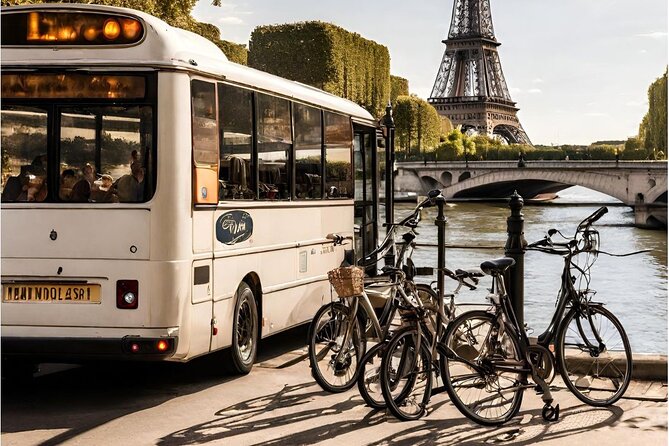
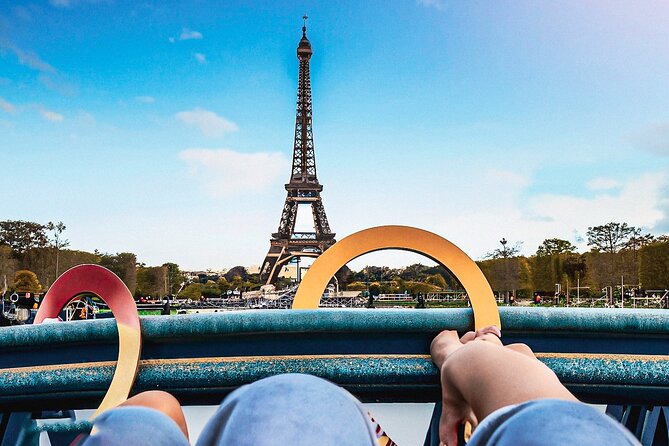
The private vehicle is especially useful for the Olympic side of the experience. The tour promises exploration of Olympic venues in Paris and advice on the best spots for photographs of the Olympic facilities.
This is a good angle for visitors who want to connect present-day Paris with a major city event. A guide can point out venues and explain how they fit into the city, rather than leaving you to identify them from a passing car window. The exact facilities are not named, so ask for a route outline if Olympic sites are your main reason for booking.
Keep your expectations precise. The operator states that it is not affiliated with the official Olympic Games Paris. This is a sightseeing tour about Olympic locations, not an official Olympic activity and not a ticket to an event.
The car also helps with a basic Paris problem: distance. A short visit can become tiring when you cross town by foot or change trains several times. Here, you can use the vehicle as a moving base between central sights, although traffic and drop-off conditions can shape the actual timing.
Musée d’Orsay, with art kept to the highlights
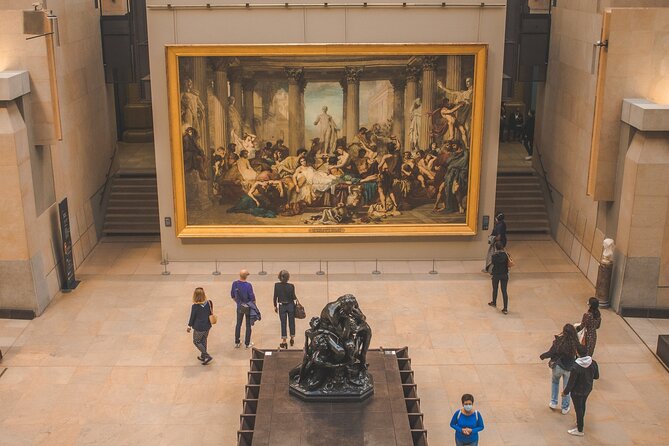
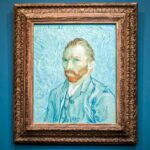
The Musée d’Orsay portion is designed as a focused introduction, not a full museum visit. The former railway station is known for its nineteenth-century and early twentieth-century art, and the guide is expected to concentrate on major works by Van Gogh, Monet, and Renoir.
I like this approach for a first visit. Musée d’Orsay can feel overwhelming, and a good guide gives you a short list of works to seek out rather than leaving you to wander without a plan. You can then return later if you want more time.
The tradeoff is time. One hour is barely enough for the building, security, orientation, and a serious look at several paintings. If you love Impressionist art, you may want a separate visit after the tour. The experience ends near the museum, which makes that follow-up easy in principle, but the information does not confirm whether museum admission is included.
The description also says the guided portion concludes near Musée d’Orsay. That wording matters. You may receive a guided overview, then finish outside or nearby rather than spending a long independent period inside. Confirm the exact museum arrangement before booking.




The Seine pass and continuing from Musée d’Orsay
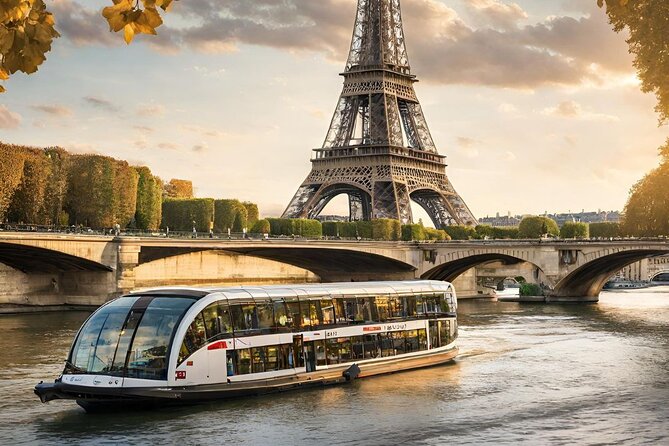
After the guided portion, the plan refers to a 24-hour hop-on-hop-off pass that you can use on the Seine River at your own pace. This gives the experience a second life beyond the four-hour guided outing.
A river ride can be a pleasant way to see central Paris without adding another complicated transfer. From the Musée d’Orsay area, you remain close to many major sights, and the central finish lets you choose your next move rather than returning to a distant hotel.
The pass is not described in enough detail to identify its exact operator, departure point, frequency, or included boats. Ask those questions in advance. The phrase hop-on-hop-off can refer to different services, and the practical value depends on how often boats run and where they stop.
I would treat the pass as a useful extra, not the main reason to book. The strongest part of this experience is the guide and private route. The boat option becomes valuable if you have a free afternoon and want a relaxed way to connect sightseeing areas.
Notre-Dame and the foundations beneath the island
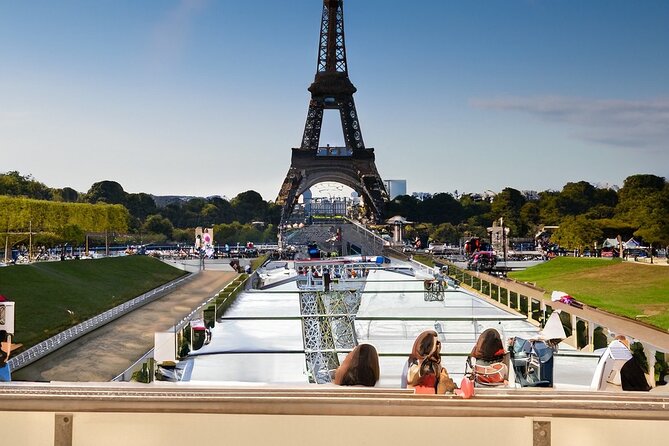
The Notre-Dame section is described as a descent beneath Île de la Cité to see historical foundations and early structures connected with the heart of Paris. This is different from a standard visit inside Notre-Dame Cathedral.
That distinction is important. If your main goal is to see the cathedral interior, ask the operator exactly what this stop includes. The supplied description focuses on underground archaeological remains and expert commentary, not cathedral entry.
This can be an appealing stop for anyone interested in how Paris developed from its earliest core. The foundations offer a less obvious angle than the cathedral façade, and the guide’s explanations are meant to connect the remains with the city above.
The time plan is unclear here. Notre-Dame appears as a fourth one-hour stop, yet the stated duration is about four hours and the route also includes the Champs-Élysées, Arc de Triomphe, Musée d’Orsay, Olympic venues, and a pass after the guided portion. Ask if Notre-Dame is part of your chosen departure, an optional addition, or a separate arrangement.
What your guide adds to the day
The human side of this experience matters more than the list of places. The comments supplied for the tour repeatedly praise Yemisi for her warmth, humor, patience, and ability to answer questions. Ife is also praised for being friendly, well-informed, and helpful with onward travel.
That tells me how to use the tour well. Do not save every question for the end. Ask as you pass through the city. A private guide can adjust the conversation to your interests, and practical advice may be just as useful as dates and architectural facts.
You also receive a complimentary 101 Paris Travel Tips e-gift. The information does not explain its format or contents, but it is intended to help you plan after the tour. I would save it on your phone before the day begins, then compare its suggestions with the advice you receive in person.
Because the tour is in English, it is a straightforward choice for English-speaking groups. Confirmation is sent at booking, and quick help is available by email and WhatsApp through the contact details in your confirmation.
Timing, transport, and the value question
No price is provided here, so I cannot judge the exact cost. I can judge the shape of the value. A private car, an English-speaking guide, a small-group experience, and possible monument tickets can justify a higher price than a basic walking tour, especially for a group that would otherwise pay for several separate transfers.
The value falls if the vehicle is used only briefly or if key tickets cost extra. It also falls if the four-hour schedule forces every stop into a rushed photo opportunity. Ask for a time breakdown before you commit.
There is no hotel pickup or drop-off included. Separate chauffeur service may be arranged, but that would add cost. You need to reach Place Clemenceau yourself and arrange your own way onward from Musée d’Orsay.
Public transport is nearby, and the end point is central. I like that arrangement because you can continue to another museum, walk along the Seine, or use the river pass. It is less convenient if you want to return directly to a hotel outside central Paris.
The cancellation rule is strict. The experience is non-refundable and cannot be changed for any reason, so only book once your date, group size, and ticket questions are settled.
Who should book this Paris tour?
I would choose this for a first Paris visit, a short stay, or a group that wants an efficient introduction without joining strangers. It also fits people who enjoy asking questions and want help shaping the rest of their itinerary.
The experience may suit families and mixed-age groups because the car reduces the need to walk between widely separated sights. It could also work well for visitors interested in Olympic venues, provided the operator confirms which sites are on the route.
I would be more cautious if you want long museum visits, a slow walk through each neighborhood, or guaranteed cathedral access. Art lovers should plan extra time at Musée d’Orsay, and anyone focused on Notre-Dame should confirm whether the stop means the cathedral, the underground foundations, or both.
Should you book Paris Wonder?
Book it if you value a private guide, a dedicated car, major central sights, Olympic photo advice, and practical help for the rest of your trip. Yemisi and Ife are the named guides most strongly associated with the experience, and you can ask whether one is available.
Do not book until the operator clears up the Easter and December wording, the exact Olympic stops, the Notre-Dame arrangement, and the admission-ticket contradiction. If those details match your plans, this can be a useful four-hour Paris orientation with a convenient finish near Musée d’Orsay. If you want depth at each monument, build your own visits instead and allow more time.
FAQ
How long does the tour last?
The experience is scheduled for approximately four hours.
What language is the tour offered in?
The tour is offered in English.
Where does the tour begin?
It begins at Place Clemenceau, Pl. Clemenceau, 75008 Paris, France.
Where does the tour end?
The guided portion ends near Musée d’Orsay, at Esplanade Valéry Giscard d’Estaing, 75007 Paris, France.
Is this a private tour?
Yes. Only your group participates in the private activity.
Is hotel pickup included?
No. Hotel pickup and drop-off are not included. Separate car or chauffeur service may be arranged.
Is a vehicle provided during the tour?
Yes. The experience includes a dedicated vehicle for Paris sightseeing by car.
Are monument admission tickets included?
The information is inconsistent. The stop descriptions say admission tickets are included, while the general inclusions say access to Paris monuments is excluded and additional tickets can be arranged separately. Confirm this before booking.
Does the tour include official Olympic Games access?
No. The operator states that it is not affiliated with the official Olympic Games Paris. The tour focuses on Olympic venues and photo locations in Paris.
Is the tour refundable or changeable?
No. The experience is non-refundable and cannot be changed for any reason.