REVIEW · PARIS
From Paris: Giverny Monet’s House & Gardens Half-Day Tour
Book on GetYourGuide →Operated by ALENTOURS · Bookable on GetYourGuide
Monet in half a day feels impossible. This small-group trip turns a quick sprint out of Paris into real context for the art, with direct time at Monet’s house and gardens. Expect some road time and you should plan for the usual crowd level at Giverny.
I love that the guide doesn’t just recite dates. You hear how Impressionism started and what made Monet change a simple village into a magnet for painters and visitors. Then, once you’re inside the restored rooms and gardens, you get free time to wander, take photos, and linger where your eye lands.
In This Review
- Key highlights that make this tour worth your time
- Why a 5-hour half-day from Paris makes Giverny practical
- Meet-up in central Paris and the drive west with your guide
- First stop: Monet’s house with restored rooms you can actually map in your head
- Clos Normand: walk the flower paths like a painting
- Water garden and the Japanese bridge: why the photos are worth the time
- Free time that actually helps: how the pacing works on a half-day
- Price and value at $113: what you’re paying for (and what you aren’t)
- Logistics realities: traffic, timing, and crowding at the estate
- How the guide makes the difference (and why names matter)
- Who should book this Giverny half-day tour?
- Should you book this tour?
- FAQ
- FAQ
- Where is the meeting point?
- How long is the tour?
- How much time do I get at Giverny?
- Is round-trip transport included?
- What’s included in the ticket price?
- Are food and drinks included?
- What group size should I expect?
- What languages are offered?
- Is the tour wheelchair accessible?
- Can I cancel and get a refund?
Key highlights that make this tour worth your time
- Small group (limited to 8): easier questions, less waiting, and a calmer feel at the estate
- The drive is part of the show: the guide explains Monet and the roots of Impressionism on the way
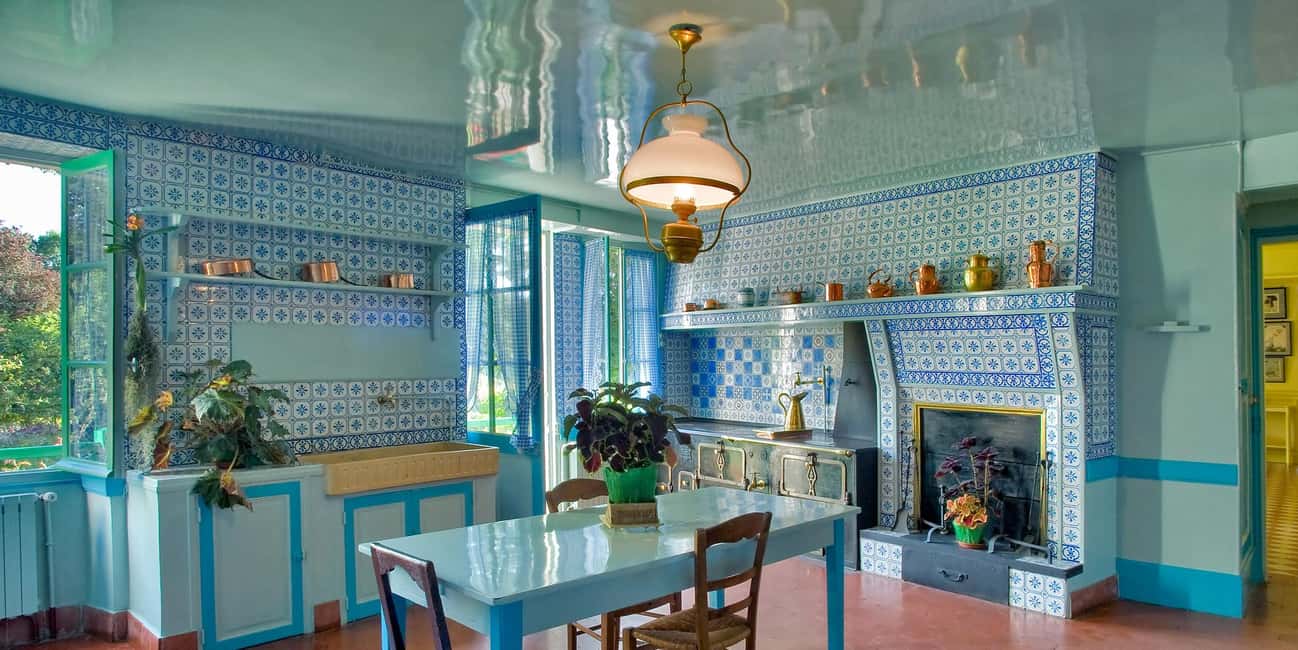
- House rooms are color-coded to his world: blue sitting-room, yellow dining room with Japanese prints, and more
- Clos Normand is built for changing views: 100+ flower types and paths that shift the perspective
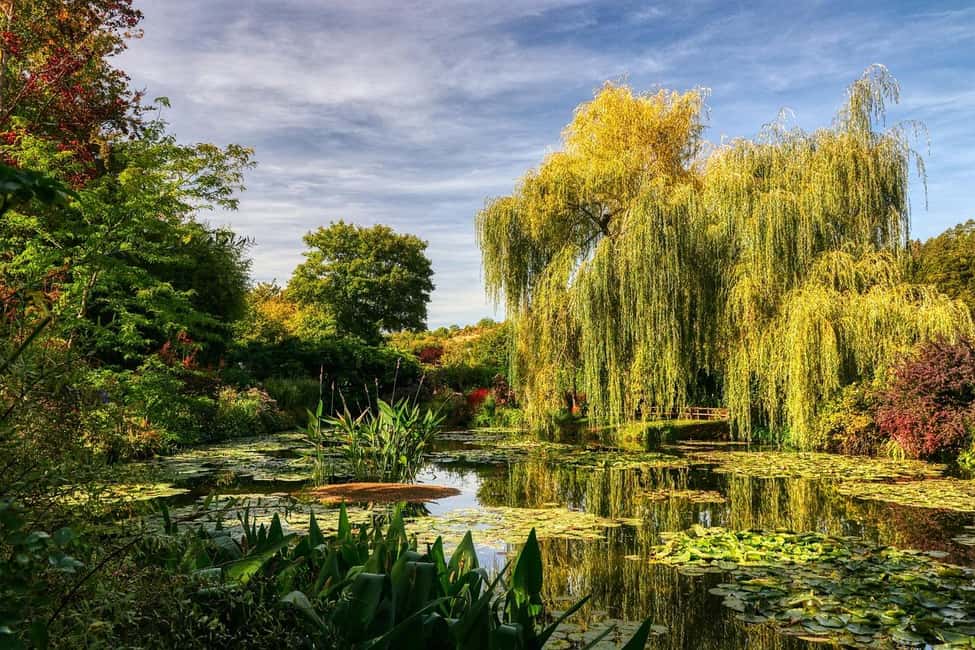
- Water garden photo angles: willow, bamboo, lily pond, and the Japanese bridge
- Time on your schedule: about 2.5 hours at the Fondation Claude Monet, plus a shop stop in Monet’s former studio
Why a 5-hour half-day from Paris makes Giverny practical
Giverny is one of those places that sounds like an all-day outing, yet it’s also perfect for a half-day if you’re strategic. You’re not spending hours on complex logistics. You’re getting round-trip transport from central Paris, and you’re using that time efficiently—about 75 minutes each way, then roughly 2.5 hours on site.
This format works especially well if you’re the type who likes to move, but not rush. You arrive, go straight into Monet’s house and gardens, then have space to pause for photos and for the details you’ll miss if you only follow a tight group route.
It also helps that the estate visit includes a mix of indoor and outdoor “steps” (house first, then Clos Normand, then the water garden). That pacing keeps your brain engaged. One minute you’re in rooms restored to Monet’s era, and the next you’re looking at the exact scenery that fed his famous Water Lilies series.
A few more Paris tours and experiences worth a look



Meet-up in central Paris and the drive west with your guide
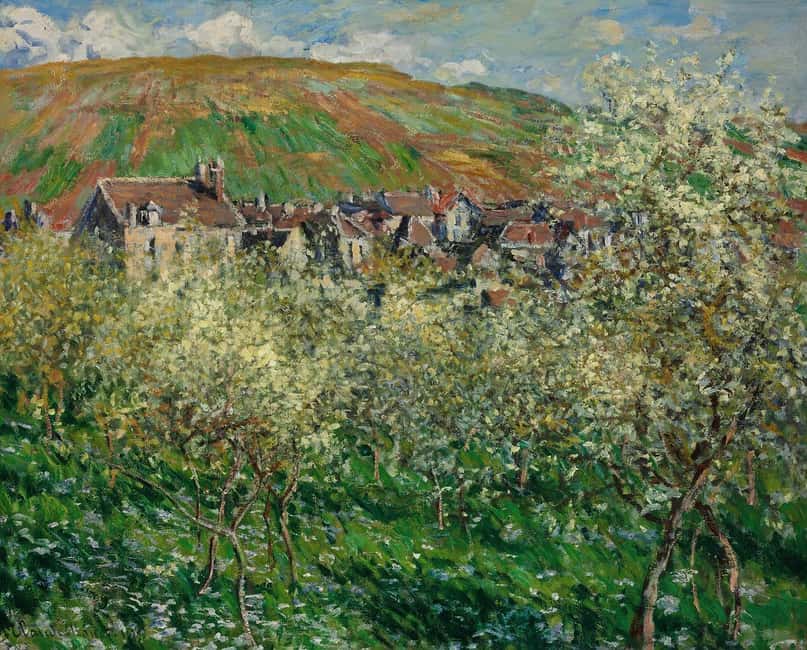
You’ll meet at France Tourisme’s agency at 6 Rue de l’Amiral de Coligny. From there, you board an air-conditioned minivan for the trip out of the city. The schedule is simple: about 75 minutes to Giverny, and about 75 minutes back.
Here’s the underrated part: the drive isn’t just transportation. It’s when the guide sets you up. You’ll hear about Monet’s life in Giverny (he lived there from 1883 to 1926) and about the origins of Impressionism—plus how Monet transformed this village into a place people still chase for art inspiration.
This matters because when you get to the estate, you’re not just looking at pretty flowers and a famous house. You’re looking with a story in your head. It also makes the visit feel smoother, because the guide gives you pointers on what to notice before you enter.
Small-group size shows up here too. With a group capped at 8, it’s easier to hear explanations and ask practical questions without the tour turning into a loud bus lesson.
First stop: Monet’s house with restored rooms you can actually map in your head
Once you arrive, you get your entrance ticket to Fondation Claude Monet and head directly to Monet’s house and gardens. This is a big plus. When you’re on a half-day timeline, “direct entry” beats wasting time.
Inside, the house is restored to how Monet’s world looked. You’ll move through several key spaces that connect to how he lived and worked. I love the way the rooms are arranged like a guided path through his daily rhythm, not a random collection of furniture behind glass.
Here are the rooms you’ll typically have time to see:
- Blue sitting-room: a calm starting point that helps you picture the atmosphere of the home
- Pantry and kitchen: practical spaces that make the house feel lived-in
- Bright yellow dining-room with Japanese prints: a visual clue to Monet’s fascination with Japan and how it fed the look of his world
- Upstairs bedroom and private apartments: the more personal side of his life
Monet lived here for more than 40 years and raised 8 children. Even if you don’t know every detail of his career, you’ll feel the shift from “famous painting guy” to “real family home.”
One practical note: indoor time is always the part where you wish you had more hours. A guide helps you prioritize, but if you’re the type who wants to read every plaque twice, you may feel a little time pressure. Still, the half-day format keeps you from getting numb from too many rooms.
Clos Normand: walk the flower paths like a painting

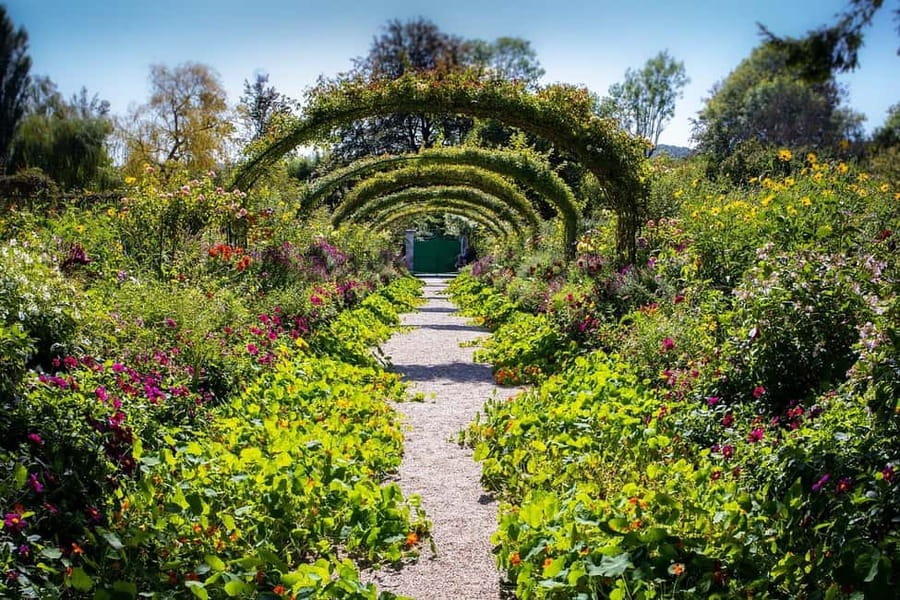
After the house, you step into Clos Normand, the rectangular flower garden Monet arranged the way he wanted viewers to experience it. This is where the tour goes from “biography + rooms” to “visual design in real life.”
Clos Normand includes more than 100 varieties of flowers, with blooming that runs from spring through autumn. The colors and shapes change as you move, including roses, nasturtiums, irises, tulips, and even rare plants from East Asia. That range is a big part of the charm: you’re not looking at one static garden moment.
Monet planned it so that perspective changes with each path you take—almost like a living canvas. I like thinking of it this way: if you normally see the paintings as finished works, Clos Normand helps you see the process. The garden makes the “why” feel obvious.
What to do with your time here:
- Slow down at junctions where paths meet, because that’s where perspective flips
- Take photos at the angles you recognize from Water Lilies-related imagery, then keep adjusting your position
- Don’t try to do everything at once—pick a direction and let your eyes guide you
Because your visit includes free exploration, you’re not forced into a single flow. Use that. If you want to repeat one path because the light looks better, you can.
Water garden and the Japanese bridge: why the photos are worth the time
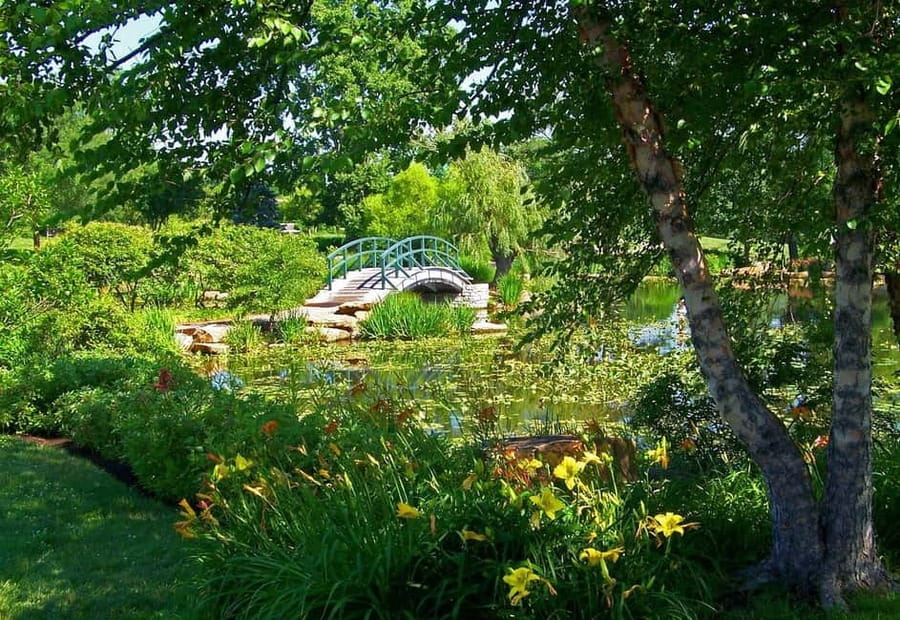
Then comes the water garden, linked by a small underpass. It’s a classic “now you’re somewhere else” moment. You’ll see willow trees, bamboo, and the famous Japanese bridge arcing over the lily pond.
This is the most direct connection to Monet’s Water Lilies series. The whole point here is that you’re standing where the paintings started. You can look for angles that match what you’ve seen in art books, and you can do it at your own pace.
If photos matter to you, you’ll likely spend longer than you planned. That’s normal. The bridge gives you strong composition options, and the water reflections create different results depending on the sky and your position.
A practical tip: give yourself a few try points. Move a little, then pause. The garden design rewards patience in a way that doesn’t feel like a gimmick.






Free time that actually helps: how the pacing works on a half-day
You get around 2.5 hours at the estate before meeting your guide again for the return drive. That’s a fair amount of time for Monet’s house plus both garden areas, as long as you stay intentional.
Here’s what that free time buys you:
- You can linger longer in the area that hits you most
- You can take photos without feeling like you’re slowing the whole group
- You can browse the shop at a natural break point
The shop is housed in Monet’s former studio, which is a neat detail. If you want prints or books tied to what you saw, it’s a convenient place to do it without scrambling at the end.
Also, because this is a small-group tour, you usually won’t have the same “herd herding” feel you get on large buses. That makes it easier to keep your own rhythm while still staying on schedule.
Price and value at $113: what you’re paying for (and what you aren’t)
At $113 per person, this half-day isn’t the cheapest way to get to Giverny. But it also isn’t just a bus ticket to an attraction. The value comes from the combo:
- Round-trip transport from central Paris
- An air-conditioned minivan (important in warm months)
- Your entrance ticket to Monet’s house and gardens
- A multilingual driver-guide (English, Spanish, French)
- A small group limited to 8
- A structured visit that still leaves room to explore
What’s not included? Food and drinks. So plan a snack strategy. Even if you don’t want a full meal, you’ll feel better with water in your bag.
Think of this price as paying for convenience and guided context. If you’re the type who enjoys reading on your own, you could do Giverny independently. But if you want the story explained while you’re on the road—then the freedom to wander once you arrive—this format pays off.
Logistics realities: traffic, timing, and crowding at the estate
Two things can affect your enjoyment: crowd level and road time. The drive is timed into the plan, but Paris-area traffic can still happen on the way in and out. The minivan is air-conditioned and designed for comfort, and the small group helps keep the mood steady.
At Giverny itself, crowds can build. The estate is famous, and Monet’s house tends to draw people quickly. One practical way to handle this is to treat your first indoor and garden moments as your priority zones, then use your free time to slow down where it feels less congested.
Also, consider your day choice. If your schedule allows, going earlier tends to help your experience because you spend less time feeling like you’re fighting for space. Even without a guaranteed “quiet visit,” starting strong at the beginning of your estate time helps a lot.
Finally, note that guides can sometimes add small extras when time works out. One group reported an added stop to Monet’s grave when their guide offered it. Don’t count on it, but it’s worth asking your guide what’s possible with your timing.
How the guide makes the difference (and why names matter)
A good guide can change your relationship with Monet. In recent tours, guides such as Jean-Baptiste, Michel, Philippe, Amine, Simon, and Nicolas were mentioned for being friendly and for explaining both Monet’s life and the ideas behind Impressionism. That kind of framing helps you notice things faster—like why certain room details matter or what to pay attention to in the gardens.
You also get flexibility because the guides are multilingual and the group is small. If you prefer to ask questions on the spot, you can usually do it without waiting your turn forever.
If you have specific needs, a small-group tour can be easier to manage. One booking noted extra attentiveness to special needs, which is a reassuring sign if your comfort matters.
Who should book this Giverny half-day tour?
This tour is a great fit if you:
- Want a structured but not rushed outing from Paris
- Care about understanding Impressionism and Monet’s personal choices, not just seeing the headline spots
- Like small-group pacing and dislike crowded “pile-on” tours
- Plan to do photos and want time to reposition until it looks right
It may be less ideal if you:
- Want a long, slow art-nerd walk with zero time pressure
- Have strict mobility needs that require a very detailed accommodation plan (the tour is wheelchair accessible, but timing still matters)
- Don’t care about guidance at all and would rather DIY everything
Should you book this tour?
If your goal is to see Monet’s house and the two garden areas without turning your day into a transport puzzle, I’d book it. The half-day timing is realistic, and you’re paying for direct entry, round-trip comfort, and a guide who explains what you’re looking at.
I’d choose this one especially if you’re visiting Paris for art and want a day trip that feels connected to the story behind the paintings. You’ll come back with more than photos. You’ll have a mental map of where Monet lived, how his home functioned, and how the garden design fed his famous work.
FAQ
FAQ
Where is the meeting point?
You meet at France Tourisme’s agency at 6 Rue de l’Amiral de Coligny.
How long is the tour?
The total duration is about 5 hours.
How much time do I get at Giverny?
You have about 2.5 hours on site at Monet’s house and gardens.
Is round-trip transport included?
Yes. Round-trip transport from central Paris is included by air-conditioned minivan.
What’s included in the ticket price?
The price includes the entrance ticket to Monet’s house and gardens (Fondation Claude Monet) and the guided experience with multilingual driver-guide support.
Are food and drinks included?
No. Food and drinks are not included.
What group size should I expect?
The tour is a small group limited to 8 participants.
What languages are offered?
The driver-guide is available in English, French, and Spanish.
Is the tour wheelchair accessible?
Yes, it is listed as wheelchair accessible.
Can I cancel and get a refund?
Yes, free cancellation is available up to 24 hours in advance for a full refund.