REVIEW · PARIS
Paris: UNESCO Headquarters Tour
Book on GetYourGuide →Operated by Cultival · Bookable on GetYourGuide
UNESCO at eye level is surprisingly human. You get exclusive access to UNESCO House, the agency’s headquarters since 1958, and you walk through spaces shaped by famous 20th-century architects. It’s one of those Paris stops where you start noticing details fast—concrete corridors, conference rooms, and planned sightlines that make the building feel like a tool for work.
What I really like is the way the tour turns architecture into storytelling. You’ll move between key zones of the complex and learn how UNESCO’s mission fits the physical setting—modern design serving an international agenda. Then, the route also switches gears into art: you’ll see major names like Miró, Picasso, Giacometti, and Calder as part of a collection of 600+ modern and contemporary works.
One thing to keep in mind: the Japanese garden experience can vary day to day. There’s a note from a prior visit that the garden felt disappointing when fountains were dry, so if you’re going for a perfectly running water feature, manage expectations.
In This Review
- Key things to know before you go
- UNESCO House: a Paris address with real-world impact
- 90 minutes, a guided pace, and how to get value fast
- Getting oriented at Place de Fontenoy (and why timing matters)
- Walking through UNESCO’s architect-designed spaces
- Conference rooms and corridors: the building explains UNESCO’s mission
- The Japanese garden and Tadao Ando meditation space
- Modern art inside a headquarters: Miró to Calder
- The guide is the difference maker (João and Valérie as examples)
- Price and value: what $23 buys you in central Paris
- Who should book this UNESCO Headquarters tour?
- Should you book? A practical decision guide
- FAQ
- How long is the UNESCO Headquarters tour?
- Where is the meeting point?
- What time should I arrive before the tour?
- Is the tour available in English and French?
- What should I bring?
- Is the tour wheelchair accessible?
- What is included in the ticket price?
- FAQ
- What is the cancellation policy?
- Can I pay later?
- What is the price per person?
- Is there an emergency contact number?
- Who runs the tour?
- Does the tour include transfers?
- How many artworks are in the collection you’ll see?
Key things to know before you go
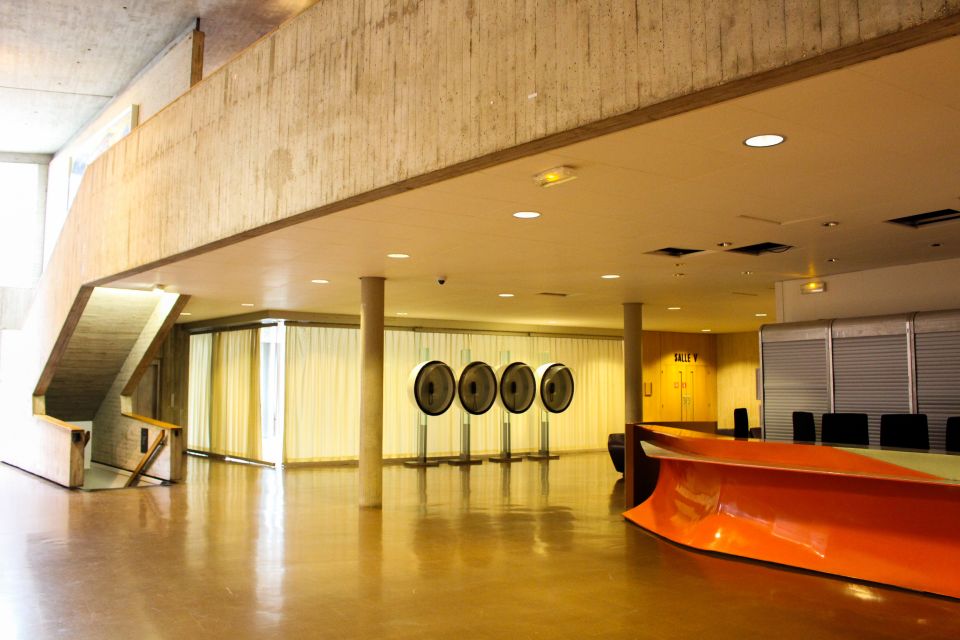
- Architects you can name: Bernard Zehrfuss, Marcel Breuer, Luigi Nervi
- A working UN agency headquarters, not a staged museum
- The only Japanese garden in Paris plus a meditation space by Tadao Ando
- A modern art walk-through with 600+ works
- 90 minutes that fit neatly into a morning or afternoon in central Paris
UNESCO House: a Paris address with real-world impact
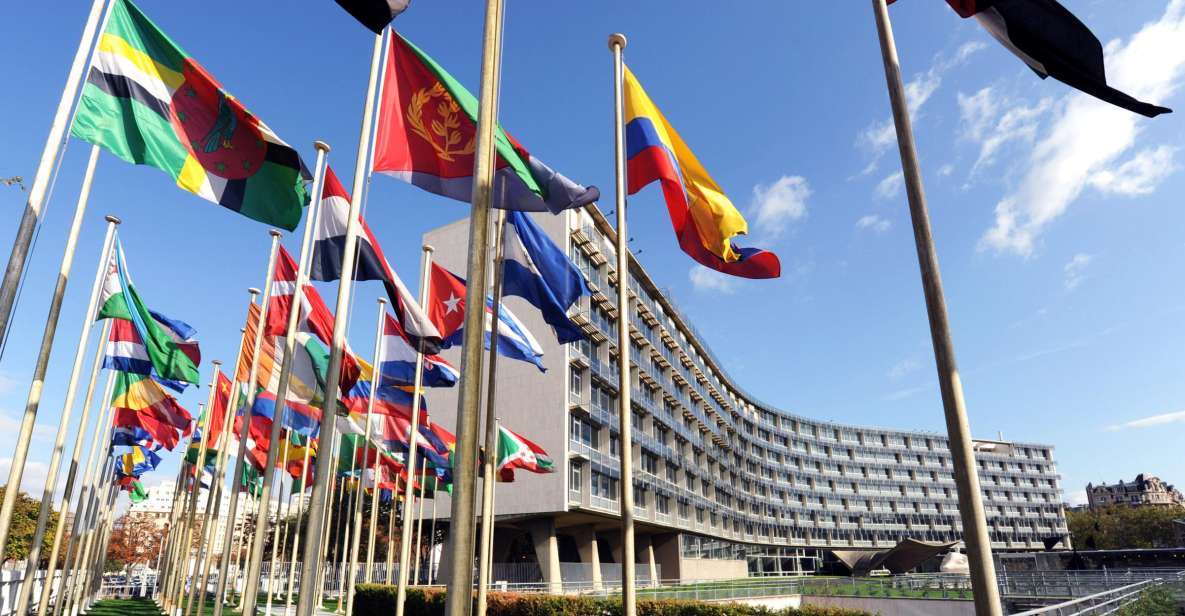
UNESCO House sits in the 7th arrondissement at 7 Place de Fontenoy, and it’s not just a pretty office building. Since 1958, this site has been the headquarters for UNESCO, a specialized UN agency focused on education, science, culture, and communication. The tour is built to explain what UNESCO does day to day—how values become programs, and how international cooperation shows up in real rooms and real workflows.
What makes this experience click in Paris is the contrast: you’re in one of the city’s most famous historical districts, but the architecture is modern and purposeful. You’ll learn that this headquarters is the result of collaborations between major figures of the 20th century, including architects Bernard Zehrfuss, Marcel Breuer, and Luigi Nervi. That background matters because it explains why the building feels organized and deliberate, rather than random or purely decorative.
If you like understanding how institutions function, you’ll get a lot here without needing a background in international affairs. The guide’s job is to connect the mission to what you’re standing in front of.
You can also read our reviews of more tours and experiences in Paris.



90 minutes, a guided pace, and how to get value fast
The tour lasts 90 minutes, which is a practical length for Paris. It’s long enough to cover multiple zones—inside rooms, corridors, and outdoor spaces—but short enough that you’re not stuck for hours when your schedule is tight.
You’ll go with a live guide in English or French (your session will depend on the language you book). You’ll also have entrance tickets included, so you’re not spending your time figuring out separate admissions once you arrive.
For planning, think of it as a “structured walk with stops,” not a long museum-style drift. You’ll move through iconic areas like conference rooms and walkways, and you’ll pause where the architecture and art add meaning. If you’ve ever had one of those Paris days where you hop from site to site and remember very little—this one is designed to keep you oriented.
Getting oriented at Place de Fontenoy (and why timing matters)
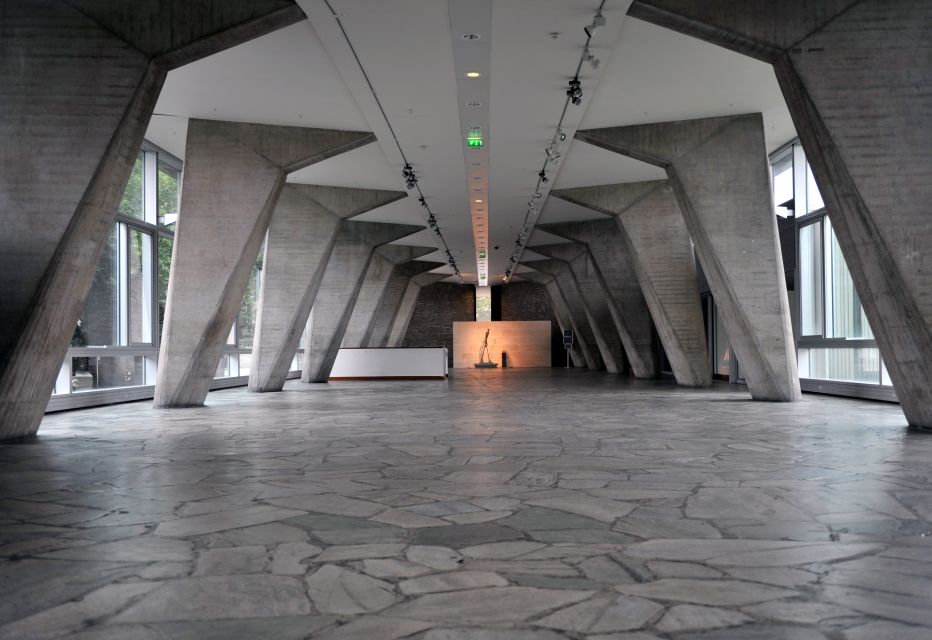
Your meeting point is inside the building, in front of the shop, on the left of the reception desk. You will pass through security before you can start.
Plan to arrive 15 minutes early. That isn’t about being fussy; it’s about letting yourself absorb the moment rather than getting rushed at the threshold. Bring your passport or ID card—that’s part of the on-site requirements.
If you’re the kind of traveler who hates feeling late (or likes to have breathing room for photos), build that into your day. You’re heading to an active headquarters, so the atmosphere is efficient and orderly.
Walking through UNESCO’s architect-designed spaces
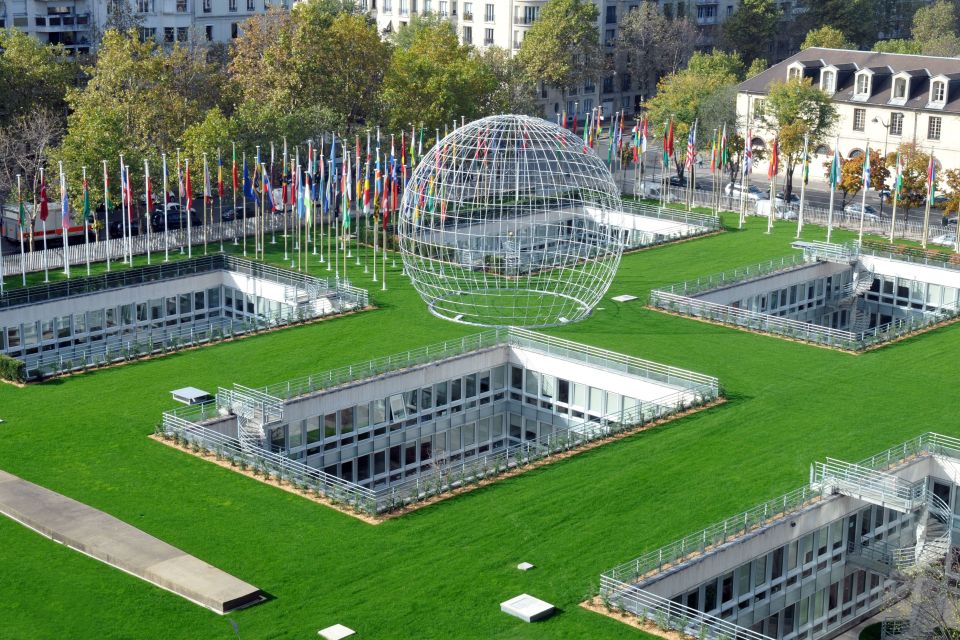
The building itself is a major character in this tour. You’ll pass through concrete corridors, walkways, and other spaces designed with strong lines and clear movement in mind. The tour doesn’t treat the structure like a backdrop—it uses the space to explain how UNESCO operates and why these rooms matter.
A highlight here is the “in-between” architecture: the passageways and circulation routes. This is where you’ll start noticing how the designers thought about flow—how people move between collaboration zones, how conference spaces are set up for meetings, and how outdoor light and garden elements are used to soften the modern geometry.
Because the complex was shaped by big-name architects—Zehrfuss, Breuer, and Nervi—you’ll hear your guide connect design choices to function. That connection is what turns a building tour into a meaningful experience. Instead of just looking around, you understand what you’re looking at.
Conference rooms and corridors: the building explains UNESCO’s mission
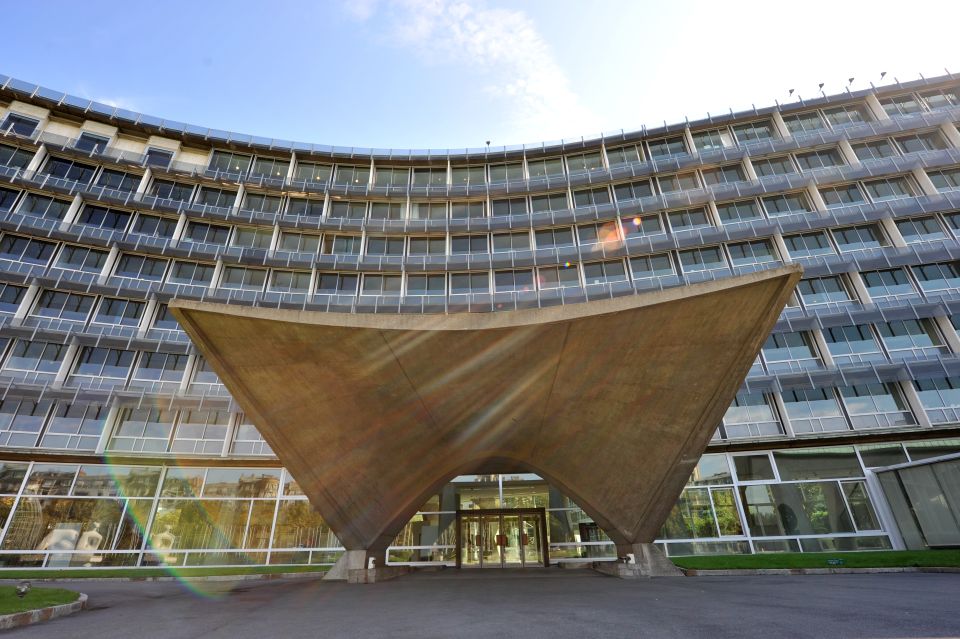
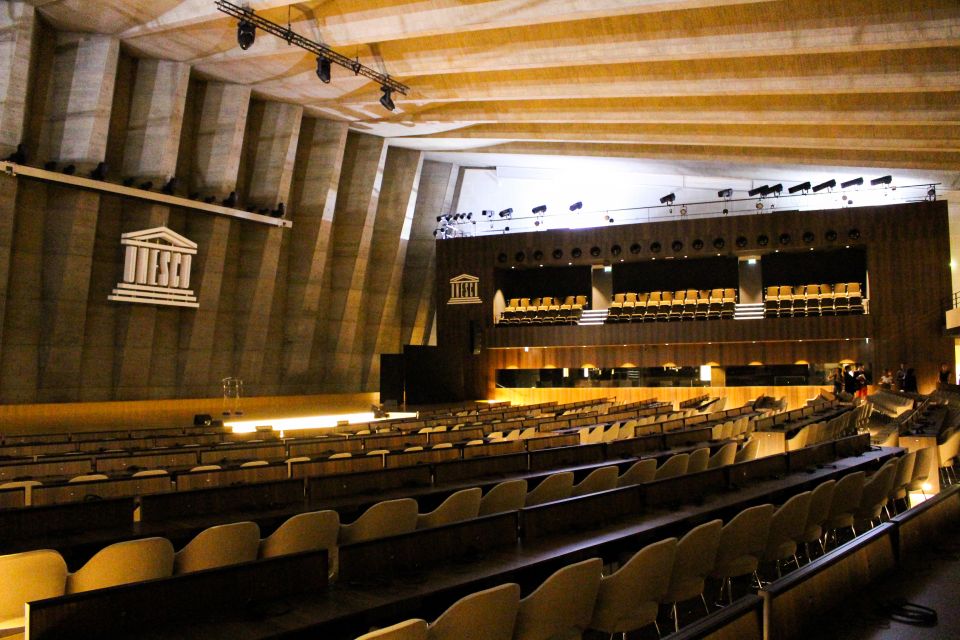
You’ll spend time in spaces built for discussion and decision-making. The tour focuses on UNESCO’s actions and impact, so the conference rooms and major internal areas aren’t shown just for aesthetics—they’re presented as working tools.
Think about what you’re actually learning: UNESCO is often talked about in broad terms. Here, you get the practical version. You’ll discover how the organization’s values link to its work, and you’ll likely leave with a clearer mental map of how an international body functions.
The corridor-and-room sequence also helps you remember details. You’re not staring at one display for 45 minutes. You’re moving through areas where the guide can point out what the space is used for and how it supports UNESCO’s role.
If you’re into institutions—how they’re organized, how decisions happen, how culture and policy intersect—you’ll find this part of the tour especially satisfying.





The Japanese garden and Tadao Ando meditation space
Outdoor moments are a big part of the draw here, mainly because of two specific features.
First, there’s the Japanese garden, described as the only one in Paris in this UNESCO complex. It’s the kind of pause that makes the modern headquarters feel less like offices and more like a designed environment for reflection.
Second, you’ll reach a meditation space designed by Tadao Ando. That detail is worth flagging: Ando’s work often focuses on controlled light, quiet materials, and a sense of calm. Even if you’re not an architecture nerd, the space is meant to slow your pace and reset your attention.
One reality check: if you’re traveling hoping for a garden moment that looks exactly the same as photos, be flexible. There’s been a report that the garden felt disappointing when fountains were dry, so the best strategy is to treat it as a calm break rather than a guarantee of water effects.
Modern art inside a headquarters: Miró to Calder
This is the part that surprised me most in a good way. The tour includes exceptional works of art housed in UNESCO House, and the collection is described as more than 600 modern and contemporary masterpieces.
You’ll see artists that most people recognize, including Miró and Picasso. You’ll also encounter Giacometti and Calder, which adds variety—sculpture and modern forms that don’t always appear in the same cultural spaces as grand institutional buildings.
What makes this art component valuable is the context. You’re not walking through a white-box gallery. You’re seeing art placed in and around an active global organization. That changes the mood. Art becomes part of the atmosphere of ideas and international dialogue, not just a separate destination.
If you care about architecture, you may start to notice how art and design share space. If you care about art, you’ll get an unexpected setting—one that feels more intellectual and less touristy than a typical museum circuit.
The guide is the difference maker (João and Valérie as examples)
The tour rating is strong, and the guide quality is part of the reason. One guide named João is praised for both expertise and real attachment to what UNESCO represents. That kind of guide makes a difference because the tour isn’t only about facts; it’s about translating why UNESCO matters.
Another guide, Valérie, is noted for clear explanations and being available with answers. That’s exactly what you want in 90 minutes. You should be able to ask a question, follow the thread, and leave with more than just a list of famous names.
So when you’re choosing a session, think of it as a small guided “lesson” with movement. A great guide helps you connect architecture, art, and mission into one coherent story.
Price and value: what $23 buys you in central Paris
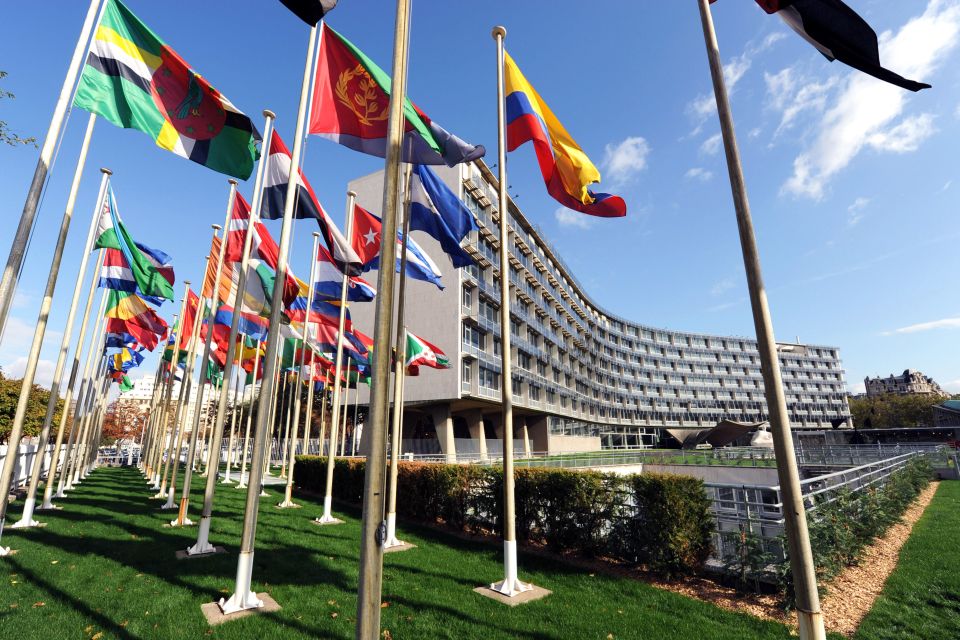
At $23 per person for 90 minutes, this tour looks like strong value for a few reasons.
First, you’re paying for exclusive access to UNESCO Headquarters spaces, not just a public exterior stroll. Many famous buildings in Paris are impressive from the outside, but they don’t offer a guided route through the working interior.
Second, entrance tickets and a guide are included. That matters because in Paris, the cost of “just getting in” often adds up fast, especially when you’re hopping between paid sites.
Third, you get a three-in-one format: architecture, UNESCO’s function/history, and a modern art walk-through. If you’re trying to make your day count, this tour is built for that.
Is it a bargain museum experience? Not exactly. You’re not spending all day in one wing. But for a short, high-impact stop with access you can’t easily replicate on your own, the price-to-time ratio is sensible.
Who should book this UNESCO Headquarters tour?
Book it if:
- You like architecture with an explanation, not just photos.
- You’re curious about how UNESCO works and how missions become real projects.
- You want something cultural and calm that isn’t another big museum queue.
- You enjoy modern art, especially when it’s shown in a surprising setting.
Consider skipping (or at least pairing it carefully) if:
- You only want classic Paris sightseeing like cathedrals and royal palaces.
- You’re expecting a long, museum-style art immersion. This is still a guided route inside a working headquarters.
- You’re very sensitive to outdoor details that may vary, like the garden’s water effects.
For most visitors, this works best as a mid-day or morning anchor near central Paris. It also suits travelers who like learning on the move—walk, pause, understand, walk again.
Should you book? A practical decision guide
If you want a smart Paris stop that blends institutional history, modern design, and major artworks, I’d book it. The combination of architect-designed spaces, the Tadao Ando meditation space, and the unexpected art collection creates a tour that feels like more than sightseeing.
My advice: treat the Japanese garden as a peaceful break, not a guaranteed show of water. If you’re okay with that, you’ll likely appreciate the calm contrast to the city pace outside.
Overall, this is a good pick when you want value for time and a dose of culture that’s tied to something real-world.
FAQ
How long is the UNESCO Headquarters tour?
The tour lasts 90 minutes.
Where is the meeting point?
Meet inside the building in front of the shop, on the left of the reception desk.
What time should I arrive before the tour?
You’ll need to pass security, so plan to arrive 15 minutes prior to your visit time.
Is the tour available in English and French?
Yes, the live guide is available in French and English.
What should I bring?
Bring your passport or ID card.
Is the tour wheelchair accessible?
Yes, it is wheelchair accessible.
What is included in the ticket price?
The guide and entrance tickets are included.
FAQ
What is the cancellation policy?
You can cancel up to 24 hours in advance for a full refund.
Can I pay later?
Yes, you can reserve now and pay later.
What is the price per person?
The price is $23 per person.
Is there an emergency contact number?
Yes. There are different numbers depending on the day of the week (Monday to Friday vs. Saturday/Sunday and French bank holidays).
Who runs the tour?
The experience provider is Cultival.
Does the tour include transfers?
No, transfers are not included.
How many artworks are in the collection you’ll see?
The art collection along the route is described as more than 600 modern and contemporary works.