REVIEW · PARIS
Paris – Ten Wines and Ten Cheeses Tasting in a Royal Cellar
Book on Viator →Operated by LES CAVES DU LOUVRE · Bookable on Viator
The most memorable part of this Paris tasting happens below street level, in an 18th-century cellar once used by the King of France. For two hours, you work through 10 French wines and 10 cheeses while a sommelier explains why each pairing works. It is a good break from museum rooms and crowded sidewalks, with plenty of flavor and a little royal atmosphere.
I like the small maximum group of 12, which gives you a fair chance to ask questions. I also like the generous range: five white and five red wines are paired with cheeses made from cow, goat, and sheep milk. The main consideration is the price, $129.16 per person, which makes the experience worthwhile mainly if you want instruction, not just a quick glass and a snack.
In This Review
- Key points at a glance
- Beneath the Louvre at Les Caves du Louvre
- Ten French wines, ten cheeses, and a lot to taste
- What the sommelier adds to the experience
- How the two-hour tasting unfolds
- The value of $129.16 per person
- Who will enjoy this most
- Practical details that affect your day
- Is the royal cellar tasting worth booking?
- FAQ
- Where does the wine and cheese tasting begin?
- What time does the activity start?
- How many wines and cheeses are included?
- Is the tasting conducted in English?
- How large is the group?
- Can I cancel for a full refund?
Key points at a glance
- A former royal cellar: Taste wine beneath the Louvre area in atmospheric rooms dating to the 18th century.
- Ten pairings in two hours: Work through 10 wines and 10 French cheeses, with water provided between tastings.
- A small, social class: The group can include no more than 12 people, making conversation with the sommelier easier.
- Useful French wine lessons: Learn about grapes, regions, French terroir, and the differences between goat, sheep, and cow cheeses.
- Guides set the tone: Sommelier names reported for this experience include Willie, Maria, Jasmina, Clément, Irving, and Philippe.
- A practical souvenir: You can buy bottles of wines you enjoyed after the tasting.
Beneath the Louvre at Les Caves du Louvre
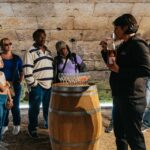
The meeting point is Les Caves du Louvre, at 52 Rue de l’Arbre Sec in the 1st arrondissement. The cellar setting gives this experience its strongest sense of place. You are not simply seated in a modern bar for a flight of wine. You are tasting in rooms associated with the French court and an older tradition of storing and serving wine.
The royal connection adds atmosphere, but it is the cellar itself that matters most. Cool underground rooms, subdued light, and old stone create a setting that feels suited to a slow tasting. You can take photographs, and the room is attractive enough to make the occasion feel special without turning it into a costume show.
The location near the Louvre is convenient for a day in central Paris. You will need to make your own way there, since hotel pickup, drop-off, and transport are not included. The meeting time is 12:15 p.m., so it works well as a midday activity or an early afternoon plan after visiting the museum.
Give yourself enough time to find 52 Rue de l’Arbre Sec. The tasting starts at the meeting point, and the activity ends there as well. Since the listing gives a specific start time rather than a broad arrival window, arriving early is sensible.
You can also read our reviews of more food & drink experiences in Paris

Ten French wines, ten cheeses, and a lot to taste
The format is simple: one wine, one cheese, then another pairing, repeated 10 times. The wines represent different French regions and styles, while the cheeses include familiar types such as brie, blue cheese, and goat cheese.
The supplied details describe the wine split in two slightly different ways. The inclusions list five white wines and five red wines, while the longer description refers to four whites and six reds. If the balance between red and white matters to you, confirm the current selection when booking. Either way, you should expect a broad tasting rather than a single-region lesson.
That range is useful because French wine can seem confusing when you only see bottles on a shop shelf. The sommelier can connect a wine to its grape, region, and food match. Instead of asking only whether you like a wine, you begin to notice its weight, acidity, sweetness, and relationship to the cheese beside it.
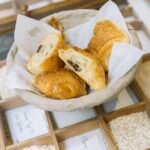
The cheeses also provide welcome variety. You can compare cow, goat, and sheep milk cheeses and see how a creamy cheese behaves differently from a blue or firmer one. Brie gives you a mild, soft starting point, while blue cheese brings a stronger flavor. Goat cheese adds another clear contrast.
You will not simply be handed 20 items and left to figure them out. The instruction is a central part of the event. Guides explain the regions, the wine styles, and the reason for each match. That makes the tasting useful even if you already enjoy wine, since you may be introduced to bottles you would not have chosen on your own.
What the sommelier adds to the experience
The guide can make or break a tasting, and this experience places real weight on the person leading your session. Named sommeliers include Willie, Maria, Jasmina, Clément, Irving, and Philippe. The guide you meet will depend on the date and assignment.
Willie is described as especially strong on the history of French wine and cheese, with a lively way of explaining the subject. Maria brings lessons on grapes, regions, and production. Jasmina is described as funny and engaging, while Clément focuses on the connection between French regions, wine, and cheese.
You should expect more than a list of tasting notes. The strongest sessions connect the food and wine to place and tradition. That approach helps you remember the difference between the wines because you attach each one to a region, a grape, or a particular cheese.
The small group is important here. With a maximum of 12 people, the session has room for questions and conversation. A larger class could turn this into a lecture, but this size gives you a better chance to ask why one pairing works for you and another does not.
The tone also appears to be relaxed rather than stiff. The guides are described as personable, patient, entertaining, and willing to answer questions. That matters if you are new to wine. You do not need to arrive knowing French appellations or how to swirl a glass correctly.
At the same time, experienced wine drinkers will not be left out. The selection covers enough regions and styles to make comparison worthwhile. You might find a new favorite white, a red you would normally ignore, or a cheese pairing that changes how you shop at home.
How the two-hour tasting unfolds
The tasting lasts about two hours, and that gives the program a steady pace. Ten pairings in that time means each wine receives attention without turning the event into an all-day class.
A typical rhythm is likely to move from one pour and cheese pairing to the next, with the sommelier explaining what is in the glass and on the plate. The exact order and wine selection are not specified, so you should think of the experience as a guided tasting rather than a fixed public menu.
Water is provided to help cleanse your palate and stay hydrated. That is a small but important detail when you are sampling 10 wines. You are tasting, not expected to consume full glasses, but 10 pours still call for a measured pace.
The cheese servings are described as generous, and the wine portions are considered plentiful in the supplied feedback. Still, the event is not presented as lunch. If you need a full meal, plan one before or after the tasting rather than assuming the cheese will cover every appetite.
The end of the session returns you to the same meeting point. You may also be able to buy bottles of wines you liked, which gives the tasting a practical finish. Take a note of the names of your favorite wines as you go. After 10 pairings, details can blur together.
The value of $129.16 per person
At $129.16, this is not a bargain snack stop. The price makes more sense when you count what is included: 10 wines, 10 cheeses, an English-speaking wine expert, a two-hour class, and entry to Les Caves du Louvre.
You are paying for instruction and setting as much as for food and drink. A casual wine bar might offer a cheaper glass, but it will not usually give you 10 pairings with a sommelier explaining the relationship between region, grape, and cheese.
The price is easier to justify for a couple or small group celebrating something, or for anyone who wants a structured introduction to French wine. It is less appealing if you already know exactly what you like and would rather spend the money on a bottle and a simple plate of cheese.
The experience can also save you from choosing blindly in a Paris wine shop. Once you have compared 10 styles, you have a better sense of what to look for at home. That practical lesson is part of the value, especially if you want to bring French wine into your own meals after the trip.
The tour has been booked more than five times in the past week, and its rating is listed as 5 out of 5 from 74 reviews, with 100 percent recommending it. Those figures suggest strong demand, so check dates early if your Paris schedule is tight. They do not change the basic calculation: the activity earns its price through quantity, setting, and teaching.
You can also read our reviews of more wine tours in Paris



Who will enjoy this most
This is a natural fit for wine and cheese lovers, but you do not need advanced knowledge. The guides explain the basics in an accessible way, and the format lets you learn by tasting rather than memorizing terms.
I would recommend it for:
- Couples who want an afternoon activity with a distinctly French feel
- First-time visitors looking for something beyond the usual monuments
- Experienced wine drinkers who want to compare several French regions
- Families traveling with adult children, since everyone must be at least 18
- Anyone hoping to choose better French bottles after returning home
It also suits a mixed group. One person can focus on cheese, another on wine, and both still get something from the class. The range of mild, strong, red, and white pairings gives the session enough variety for different tastes.
It may not suit you if you dislike alcohol, want a full meal, or prefer a private tasting. The group is small but not private, and the activity is built around 10 alcoholic pours. You should also be comfortable spending two hours seated and focused on tasting and discussion.
Practical details that affect your day
The experience includes a mobile ticket, and confirmation is provided when you book. The meeting point is close to public transportation, but the tour does not include transportation to or from the cellar.
The minimum age is 18. Most people can take part, although the supplied information does not describe specific accessibility features, so contact the provider if you have mobility or access needs.
Free cancellation is available when you cancel at least 24 hours before the local start time. Cancellations or changes made within 24 hours are not accepted for a refund. That rule is worth noting because the fixed 12:15 p.m. start can affect your day if museum plans shift.
Dress for a cellar rather than a sunny terrace. The room is described as atmospheric and cool, and comfortable clothing will serve you better than anything delicate or restrictive. The location is attractive, but you are there to taste and learn, not to pose for a formal dinner.
Is the royal cellar tasting worth booking?
Book it if you want a structured French wine lesson with enough food and drink to make the subject stick. The cellar setting, 10 pairings, and small group give the experience more substance than a quick tasting at a tourist bar.
I would be especially keen to book it early in a Paris stay. You can use what you learn later when ordering wine with dinner or shopping for bottles. If your budget is tight, compare the price with a standard wine bar visit and decide how much you value the sommelier’s guidance.
Skip it if you want a full lunch, a private event, or only one or two carefully chosen wines. For everyone else, this is a polished way to spend two hours near the Louvre, with a useful lesson tucked inside a memorable cellar.
FAQ
Where does the wine and cheese tasting begin?
It begins at Les Caves du Louvre, located at 52 Rue de l’Arbre Sec, 75001 Paris, France.
What time does the activity start?
The listed start time is 12:15 p.m. The experience lasts about two hours and ends back at the meeting point.
How many wines and cheeses are included?
The tasting includes 10 French cheeses paired with 10 wines. The inclusions list five white wines and five red wines, although another description gives a four-white and six-red split, so you may want to confirm the current balance when booking.
Is the tasting conducted in English?
Yes. An English-speaking wine expert leads the experience.
How large is the group?
The activity has a maximum of 12 participants, giving the tasting a small-group format.
Can I cancel for a full refund?
Yes, if you cancel at least 24 hours before the experience’s local start time. Cancellations or changes made less than 24 hours before the start time are not refunded.