REVIEW · PARIS
Paris: Private Vintage Sidecar Tour with Hotel Pickup
Book on GetYourGuide →Operated by Wild Side Tour · Bookable on GetYourGuide
Paris from a sidecar feels like cinema, with vintage open-air rides and a guide who shapes the route around what you want to see. I love the easy photo momentum at the big landmarks, and I love the convenience of hotel pickup and drop-off. The only drawback is simple: 90 minutes moves quickly, so you’ll be doing highlights, not lingering.
What makes this tour extra fun is that you’re not stuck in a bus rhythm. You glide through central Paris with commentary in French or English, and guides like Rafael or Raphaël are repeatedly praised for safe driving and even helping with getting better pictures.
In This Review
- Key things to know before you ride
- Why a vintage sidecar tour works better than you’d expect
- Hotel pickup, helmets, and what comfort really means here
- The 90-minute monument route: Notre-Dame to the Louvre
- Notre-Dame: exterior views and strong first-photo energy
- Eiffel Tower: seeing it from the right angles without the long wait
- Arc de Triomphe and Champs-Élysées: big-city Paris in motion
- Invalides and the Louvre area: classic landmarks, quick context
- Photo stops and picture quality: what to expect
- Private group for two: the real value is control
- Price and value: $305 for two, and why that can still make sense
- What to wear, bring, and remember before you roll
- Getting the most out of your guide’s route and commentary
- Quick checklist: should you book this sidecar tour?
- FAQ
- How long is the Paris private vintage sidecar tour?
- Is hotel pickup and drop-off included?
- How many passengers are there per sidecar?
- What languages does the guide speak?
- Is safety gear included?
- What is the minimum age for passengers?
Key things to know before you ride

- Vintage open-air sidecars: you’ll feel the breeze and hear the city in a way a car can’t match.
- Photo stops at major landmarks: built-in chances to hop off or pose briefly for better shots.
- Hotel pickup and drop-off: fewer logistics, more time spent outside.
- Personalized route: the guide adapts the route to your interests rather than running one rigid loop.
- Safety gear included: helmets and protective gear, plus insurance for passengers.
- Two people per sidecar: one rides in the sidecar and the other rides behind the driver.
Why a vintage sidecar tour works better than you’d expect

A sidecar tour is one of those ideas that sounds a little too fun to be practical—until you do it and realize it’s actually efficient. In 90 minutes, you get to “see Paris” without spending hours on transfers or trying to crowd a lot of monuments into a single day on foot.
The vintage part matters too. It’s not just transportation, it’s a vibe: open-air, old-school, and very Paris. You get that soundtrack of traffic, street life, and city voices, and it makes the landmarks feel closer, even when you’re not stopping for long.
The guide is the real engine. You’re not just getting a route; you’re getting stories and historical context tied to what you’re looking at right now. And when the guide is also the one who helps with photos (a big theme in the feedback, especially with Rafael or Raphaël), the ride becomes more than sightseeing. It becomes a memory machine.
You can also read our reviews of more private tours in Paris

Hotel pickup, helmets, and what comfort really means here

This tour is private and pickup-based, which I think is the biggest “quiet win.” You don’t have to find a meeting point, wrestle with signage, or time public transit. You just get picked up at your accommodation and returned there after the ride.
Safety and comfort are handled in a straightforward way. You’ll get a helmet and protective gear, and there’s insurance coverage for passengers. On cooler days, you’ll also have a blanket available, which is a thoughtful touch because open-air rides can cool you down faster than you expect.
One more detail that helps: there’s free Wi‑Fi in the sidecar. That’s useful for quickly checking maps or posting a photo right away, especially if your main goal is to get great shots without waiting until later.
Also pay attention to the seating layout: 2 passengers per sidecar. One rides in the sidecar position, and the other rides behind the driver. It’s not a problem, just something to plan for so you feel comfortable with where you’ll be sitting and how you’ll take photos.
The 90-minute monument route: Notre-Dame to the Louvre

Let’s talk about the actual payoff: you’re set up to hit the main-name monuments in a short window. The tour overview includes Notre Dame, the Eiffel Tower, the Arc of Triomphe, the Champs-Elysées, Invalides, and the Louvre—so you’re getting the classic Paris hit list, plus the chance to see how they relate to each other across the city.
The flow matters. You’ll be moving often, which keeps the day from dragging. But it also means you’ll get “views and photos” more than “sit and linger.” If you want to stand in one spot for a long time, this tour isn’t that. It’s a fast, guided circuit designed to help you get oriented and impressed quickly.
Notre-Dame: exterior views and strong first-photo energy
Notre Dame is usually a great starting anchor because it gives you that immediate “I’m really in Paris” feeling. Even when you’re viewing from the road, you can frame the cathedral with nearby streets and bridges so your photos look like they belong to a real day in the city, not just a postcard.
Tip for your photos here: tell the guide what you like shooting—full skyline shots versus close angles—and ask for the best moment to stop for photos. The tour is built around photo stops, and guides who take photo seriously tend to make the difference between a quick snap and a shot you’ll actually want to print.
Eiffel Tower: seeing it from the right angles without the long wait
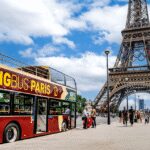
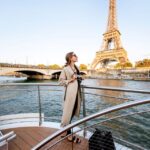
The Eiffel Tower is easy to photograph from almost anywhere in its neighborhood, but not every angle makes it look good. With a sidecar, you can hit multiple viewpoints in a short stretch, which helps you avoid the disappointment of arriving at the wrong spot at the wrong time.
Also, you’re not stuck inside a vehicle window, so you get better sight lines for composing shots. And because the guide is driving and positioning, you’re spending your attention on looking and photographing, not on navigating.




Arc de Triomphe and Champs-Élysées: big-city Paris in motion
Arc de Triomphe and the Champs-Elysées are perfect for a sidecar because they’re about scale. These are places that look best when you can sense the road geometry and how the city opens outward.
You’ll get that “grand avenue” feeling on the Champs-Elysées, plus a sense of Paris’s power centers as you move through the area. The tradeoff is time: you’ll want to treat these stops like photo-and-look moments. If you’re expecting a long, slow walk, you may feel a little rushed.
Invalides and the Louvre area: classic landmarks, quick context
Invalides and the Louvre round out the tour with more classic Paris texture. Invalides often delivers a strong, formal visual presence, while the Louvre area gives you that instantly recognizable cultural landmark feeling—even when you’re seeing it from outside.
This is where the guide’s commentary really earns its spot. When someone connects what you’re looking at to what matters historically or architecturally, the brief view turns into understanding, not just sightseeing.
Photo stops and picture quality: what to expect

Photo stops are one of the headline features, and the feedback gives you a clear sense of both the upside and the risk.
The upside: guides often know where to pull off or position you for better angles. Rafael and Raphaël show up in multiple accounts as people who not only drive well but also help with photography. That can mean giving instructions on where to stand, when to lift your phone, and how to frame shots with the landmark behind you.
The risk: in a short 90-minute ride, photo stops can’t be endless. One set of feedback suggested wanting more time and more deliberate photo attention. So I’d plan your expectations like this: you’ll get chances to take photos, but you won’t get an extended session at every stop.
If photo quality matters most to you, do this before you start moving: tell your guide you want multiple “full landmark” photos plus one or two portraits. That way, you’re not competing with the schedule for the guide’s attention at the exact moment you’re trying to shoot.
Private group for two: the real value is control

This is a private group tour with a group size that centers on two passengers per sidecar. Price is per group up to 2, which means you’re not sharing the ride with a larger crowd and competing for space, sightlines, or the guide’s time.
That “control” is what makes a big difference in a city like Paris. You get to set a tone quickly: more photo stops, more commentary, or more neighborhood feeling. You also get a route that’s personalized based on your interests, instead of forcing you into a generic circuit.
It’s a great fit for:
- Couples who want a fun shared activity and a smooth start to their trip
- First-timers who want orientation fast
- Anyone who prefers quick views with a human guide over self-guided wandering
- People who love photos but don’t want to plan angles and logistics all day
It may not be ideal if you need quiet, slow pacing, or if you want extensive time at each monument. This is a highlights ride, not a full day of monument visits.
Price and value: $305 for two, and why that can still make sense
At $305 per group up to 2 for a 90-minute private ride, this isn’t a budget option. But it can feel like good value when you weigh what’s included and what you’re avoiding.
You’re paying for:
- Private guide time for two people
- Hotel pickup and drop-off
- Helmets and protective gear
- Insurance coverage for passengers
- Photo stops and guidance
- Commentary and a route shaped around your interests
- A vintage open-air ride that’s genuinely different from standard sightseeing
If you tried to replicate the same experience independently, you’d spend time and energy on finding a driver, arranging photo stops, and navigating a tight city schedule. Here, the logistics are handled, and the driver is actively shaping the ride as you go.
My practical advice: if you’re traveling as two and your goal is to see the major landmarks quickly without stress, this price starts to look fair. If you’re traveling solo, or if you’d rather spend that money on museum tickets and longer walks, then you may feel like it’s expensive for what you get.
What to wear, bring, and remember before you roll

Small planning choices will make the experience feel smoother.
Wear comfortable clothing and closed-toe shoes. Layers help because the ride is open-air and the breeze can hit harder than you expect. If you’re wearing a long scarf or loose accessories, secure them. You don’t want to be adjusting on the fly while the guide is getting ready to stop for a photo.
Bring only what you can keep under control. Large bags and luggage aren’t permitted on the sidecar, so plan to store your bigger stuff safely before you meet the driver.
Also note the age rule: passengers must be at least 6 years old. Children under 12 must be accompanied by an adult. That’s important for families deciding whether the sidecar ride fits their group’s needs.
And language works in a practical way: the live guide speaks French and English. If you have preferences for the kinds of stories you want, tell the guide early. A personalized route only works well when you communicate your priorities.
Getting the most out of your guide’s route and commentary

A sidecar tour can be either a blur or a memory. The difference is how you steer the experience.
Before you start, think about your top two goals. Is it photos first, or is it learning and orientation first? Then share that clearly. The tour route is personalized based on your interests, so you’re not locked into one style of sightseeing.
Also, pay attention to the guide’s pacing. If you notice they’re grouping stops to keep the city moving, that’s intentional. It’s what makes it possible to hit Notre Dame, Eiffel Tower, Arc de Triomphe, Champs-Elysées, Invalides, and the Louvre area inside 90 minutes.
One more smart move: ask for photo tips on the spot. Guides like Rafael or Raphaël are praised not only for safe driving but also for helping with photography. Even if you’re just using a phone, small advice on angle and timing can turn a forgettable shot into something you’ll use as your trip cover photo.
Quick checklist: should you book this sidecar tour?

Book this Paris private vintage sidecar tour if you want:
- A private experience for two with hotel pickup and drop-off
- The quickest way to see the big monuments (Notre Dame, Eiffel Tower, Arc de Triomphe, Champs-Elysées, Invalides, and the Louvre area)
- An open-air, photo-friendly ride with safety gear included
- A guide who can tailor the route to your interests in real time
Skip it (or pair it with a second plan) if:
- You need lots of time at each landmark for slow walking and close-up exploring
- You’re expecting deep museum-level stops or extended photo sessions everywhere
- You’re traveling with large luggage, since bags aren’t permitted on the sidecar
If you’re choosing between a “do everything” day and a “do it right and fun” start, this is a strong first-day activity. It helps you get your bearings fast and gives you standout photos without the stress.
FAQ
How long is the Paris private vintage sidecar tour?
The tour lasts 90 minutes.
Is hotel pickup and drop-off included?
Yes. Pickup and drop-off are included at your accommodation.
How many passengers are there per sidecar?
The setup allows 2 passengers per sidecar: one in the sidecar and the other behind the driver.
What languages does the guide speak?
The live tour guide speaks French and English.
Is safety gear included?
Yes. Helmets and protective gear are included, and there is insurance coverage for all passengers.
What is the minimum age for passengers?
Passengers must be at least 6 years old. Children under 12 must be accompanied by an adult.