REVIEW · PARIS
Paris: No Diet Club – Winter Unlimited Cheese Tour !
Book on GetYourGuide →Operated by NO DIET CLUB · Bookable on GetYourGuide
Paris in winter has a fine answer to cold fingers and gray skies: melted raclette cheese scraped over potatoes, ham, and pickles. This three-hour No Diet Club outing begins at Les Marmottes, an authentic raclette restaurant, then moves to an Alsatian specialty before ending with dessert.
I like the hands-on cheese ritual, since you pour and scrape the raclette yourself rather than receiving a finished plate. I also like the compact food trail: raclette, flamekueche, cannelés, and waffles give you several tastes without turning the tour into a full-day commitment. The main drawback is clear: this is a very cheese-heavy meal, and the listed group size is limited to two participants, so availability may be tight.
In This Review
- Key points to know before booking
- Why raclette works so well in a Paris winter
- Scraping mountain cheese at Les Marmottes
- Charcuterie, truffle ham, and the useful role of pickles
- Flamekueche brings an Alsatian change of pace
- Cannelés and homemade waffles at the finish
- What the three-hour format means
- Is $71 a fair price?
- Who should book this Paris cheese tour?
- Booking details worth knowing
- Should you book the No Diet Club winter cheese tour?
- FAQ
- Where does the tour begin?
- How long does the experience last?
- What food is included with the raclette?
- Is the cheese unlimited?
- What other food is served after the raclette?
- What languages does the guide speak?
- How many people can join the group?
- Can I cancel for a refund?
Key points to know before booking
- Raclette is the main event: Mountain cheese is melted and scraped over potatoes, charcuterie, truffle ham, salad, and pickles.
- The meal is hands-on: You get to melt and pour the cheese yourself, which makes the central dish more memorable.
- The route adds Alsatian flavor: A shared flamekueche gives the tour a second savory stop beyond raclette.
- Dessert is included: Cannelés Bordelais and homemade waffles finish the three-hour outing.
- The guide speaks English or French: Ilana guided one particularly praised outing, though guide assignment can vary.
- The group is listed as very small: The activity is limited to two participants, useful if you want close attention and easy conversation.
Why raclette works so well in a Paris winter
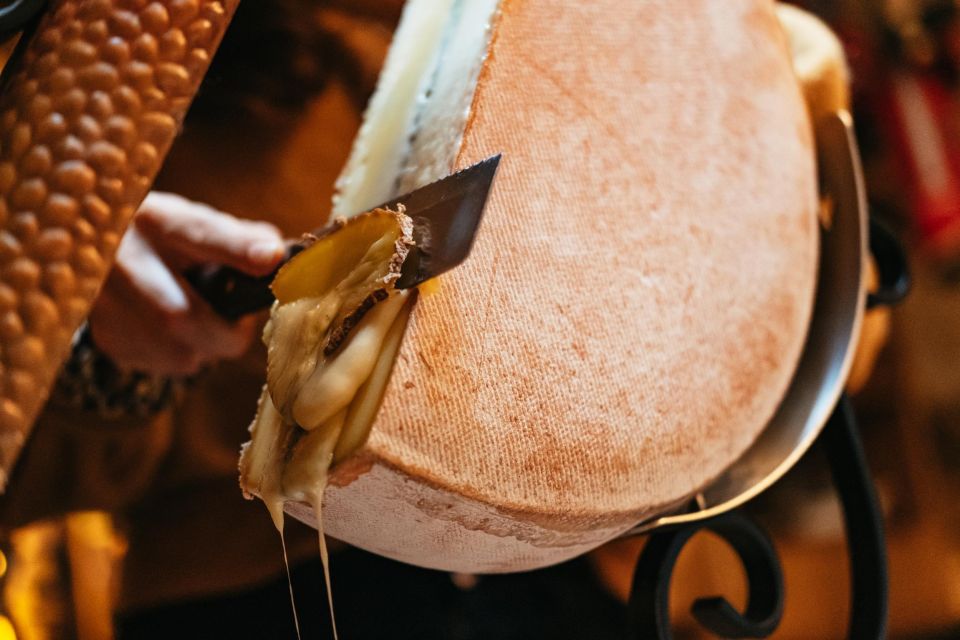
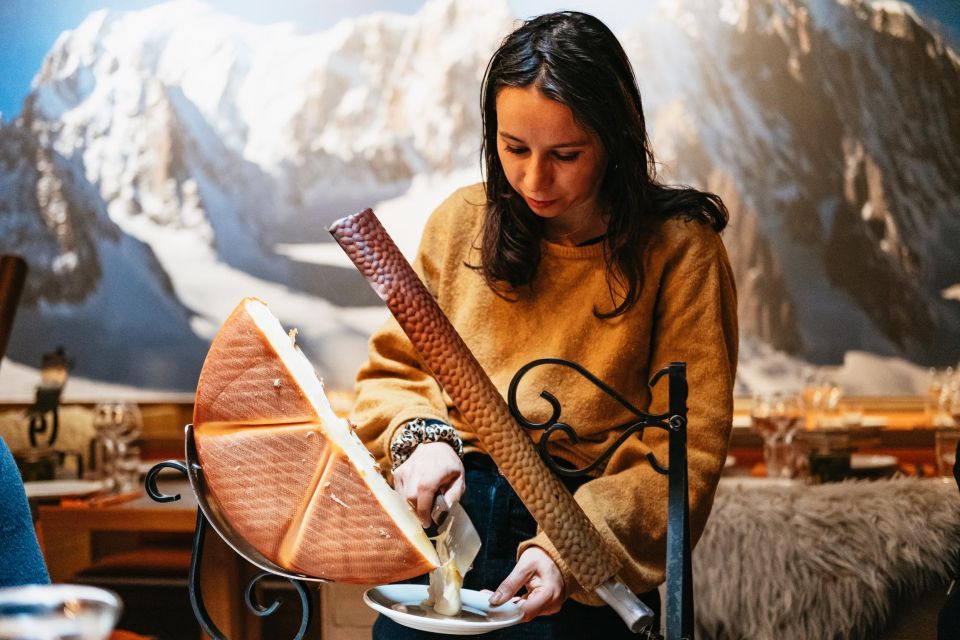
Raclette is not a delicate little tasting. It is warm, filling, salty, and built for lingering over a table. A wheel of mountain cheese is heated until the surface softens, then scraped onto food below. You repeat the process as the cheese melts again.
That simple action is a big part of the appeal. I like food tours that explain a dish through the way you eat it, and raclette makes the lesson physical. You see the cheese soften, decide when to scrape, and build each bite around the potatoes, meat, pickles, or salad on your plate.
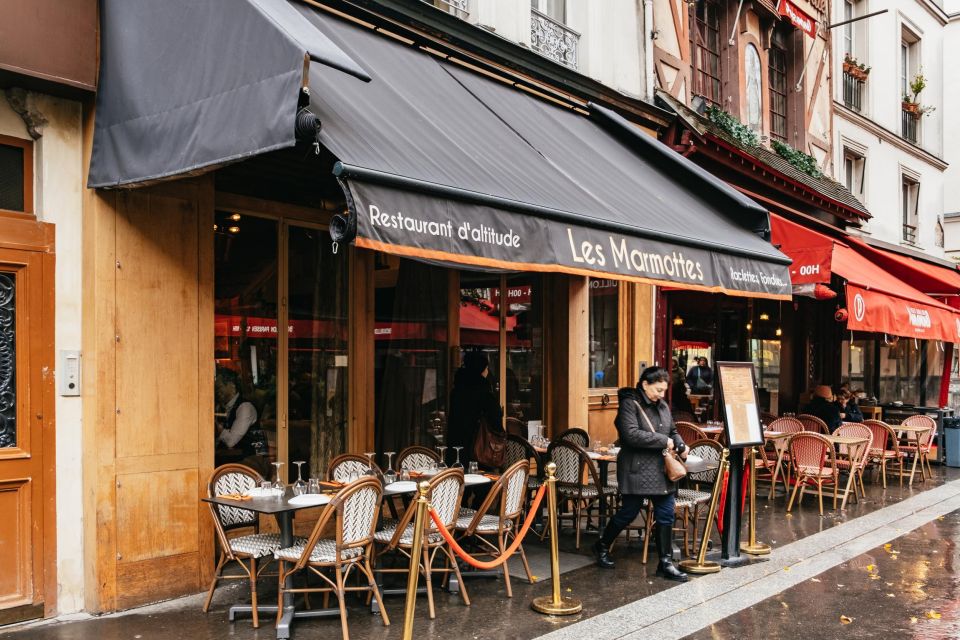
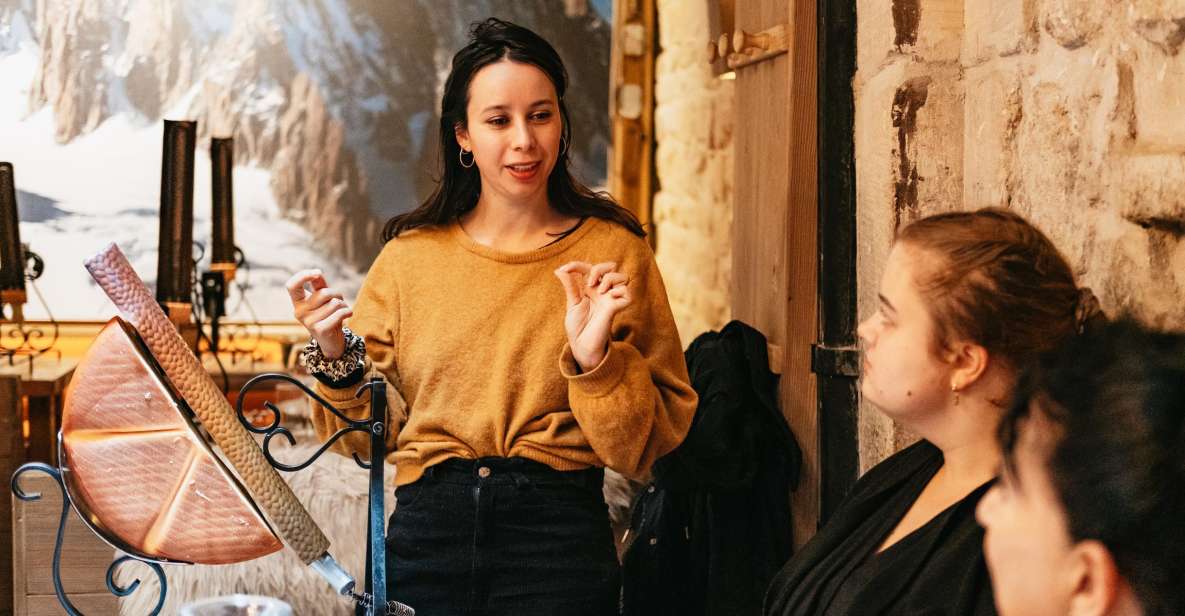
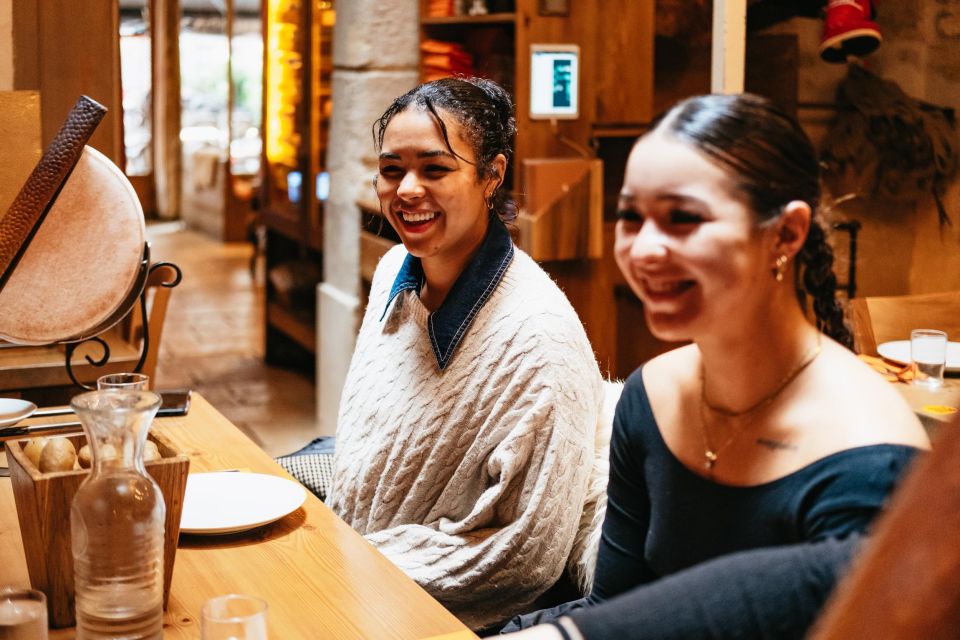
The setting matters, too. Les Marmottes is presented as an authentic raclette restaurant with a cozy winter mood. The restaurant stop is not just a quick sample at a counter. You sit down for the central meal, which gives the experience a comforting, social rhythm.
You should arrive hungry. The menu includes raclette with mountain cheese, charcuterie, potatoes, truffle ham, salad, and pickles, followed by flamekueche and dessert. The word unlimited applies to the cheese, but the full food list means you are not simply eating cheese by itself.
You can also read our reviews of more tours and experiences in Paris.



Scraping mountain cheese at Les Marmottes
The first stop begins at Les Marmottes, the stated meeting point. Once seated, you can expect the focus to turn quickly to the raclette service and the traditional combination of melted cheese and potatoes.
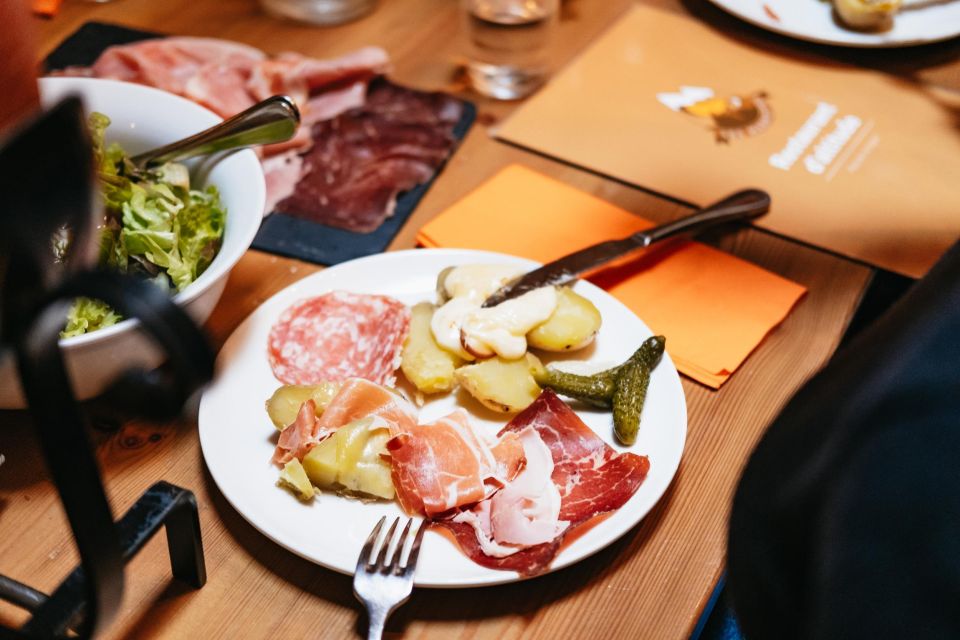
The potatoes provide the soft, plain base that lets the cheese lead. Charcuterie adds salt and texture, while truffle ham gives the plate a more luxurious note. Salad and pickles are important here, not decoration. Their freshness and acidity help cut through the richness of the cheese.
I especially like the chance to make your own plate. You can put a little cheese over a potato, add ham, and use a pickle for contrast. Or you can scrape on a generous layer and let it run over everything. That small choice makes the meal feel more like a shared French winter dinner than a standard restaurant tasting.
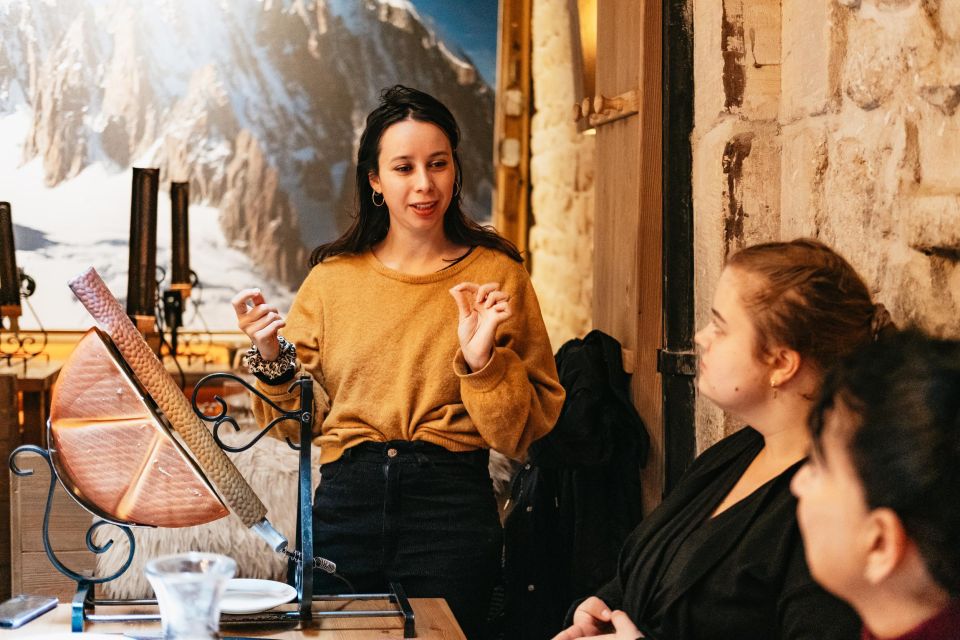
One past outing was guided by Ilana, who was praised for bringing warmth to a rainy winter day. The available guide language is English or French. If you prefer to ask questions about the food or chat throughout the meal, a small group helps. The published group size is limited to two participants, an unusually intimate format for a food tour.
There is one practical point to keep in mind. Raclette can become heavy well before the meal ends. Pace yourself during the first plate, and use the salad and pickles between servings. The goal is to enjoy the cheese, not to treat the first scrape as a race.
Charcuterie, truffle ham, and the useful role of pickles
The supporting ingredients give you more control over the meal. Charcuterie brings cured, savory flavors, while truffle ham provides a distinct aromatic touch. Potatoes absorb the melted cheese and make each serving substantial.
Pickles may be the most useful item on the plate. Their sharp bite keeps the meal from becoming one-note. Salad does the same in a milder way. I would not skip either, even if you arrive focused only on the raclette.
This format also suits different eating styles within a small group. One person can favor potatoes and cheese, while another can build bites around ham and pickles. The provided information does not specify particular charcuterie varieties or dietary substitutions, so you should not assume that every preference can be accommodated.
The experience is best for people who enjoy a generous, communal meal. It is less suitable if you want a light lunch, a fast tasting, or a tour centered on many unrelated Parisian foods. The menu has a strong theme, and cheese is present from the first main course through the next stop.
Flamekueche brings an Alsatian change of pace
After raclette, the tour continues to an Alsatian spot for flamekueche. This specialty uses rolled-out bread dough with cheese and toppings. It is often associated with Alsace, so the stop adds a regional French note that differs from the Alpine raclette meal.
The important word here is share. The flamekueche is served as a communal dish, giving you another chance to taste something together rather than receiving a series of isolated bites. Its bread base also changes the texture of the meal after the soft potatoes and melted cheese.
The flamekueche remains a cheesy dish, so do not expect a sharp break from the raclette. Instead, think of it as a second interpretation of comfort food: crisp or baked dough, cheese, and toppings rather than scraped cheese over potatoes. That makes the stop useful for comparison.
The information provided does not name the Alsatian restaurant or specify the toppings. You can expect a tasty, cheesy flamekueche, but you should not book this tour hoping for a fixed list of exact ingredients beyond that description.
Cannelés and homemade waffles at the finish
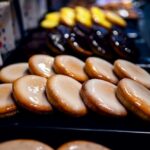
Dessert keeps the outing from ending in a wall of cheese. The included sweets are cannelés Bordelais and homemade waffles.
Cannelés are a Bordeaux specialty, traditionally known for a dark, caramelized exterior and a soft interior. Here, they add another regional reference to a tour that has already moved through Alpine and Alsatian food traditions. The cannelé is not just a generic pastry choice, and it gives the final course a French identity.
Homemade waffles bring a simpler, familiar finish. After the rich savory food, a sweet final bite gives the meal a clear ending. The tour does not list a drink pairing or a choice of desserts, so you should view these as included tastes rather than a full dessert menu.
A bottle of water is included for each person. That is a small but welcome detail during a filling meal. You will also have three hours for the full experience, which should allow time for sitting, eating, and moving between the food stops without the pace feeling like a quick checklist.
A few more Paris tours and experiences worth a look

What the three-hour format means
Three hours is long enough to make raclette the centerpiece while still adding two extra food moments. You get a seated main meal, a shared Alsatian specialty, and dessert, all within one afternoon or evening block.
I like this length for a winter visit because it gives the food room to breathe. Raclette is more enjoyable when you can eat slowly and talk. A shorter format might turn the central dish into a rushed sample, while a much longer tour could be difficult after such a heavy meal.
The published starting times vary, so you need to check availability for your date. The meeting point is Les Marmottes, and the listed experience does not provide a detailed transport plan between stops. Plan your schedule around the full three hours and allow enough time to reach the meeting point.
The small group format changes the feel of the outing. With a limit of two participants, you should expect a more personal setting than a large food walk. It can work well for a couple or two friends, though the same limit may mean fewer dates are open.
Is $71 a fair price?
At $71 per person, the value depends on how you measure a food tour. You are paying for a three-hour guided experience that includes unlimited raclette, mountain cheese, charcuterie, truffle ham, potatoes, salad, pickles, flamekueche, cannelés, homemade waffles, and bottled water.
If you bought a large raclette meal plus a separate Alsatian dish and dessert, the price could compare favorably, especially if you take advantage of the unlimited cheese. The guide and the movement between food stops are part of the experience, too. You are not simply paying for ingredients on one plate.
The value is strongest for cheese lovers who want a full meal and enjoy the social side of food. It is weaker for anyone who eats lightly, dislikes cured meats, or would rather spend $71 on several small dishes across a wider range of Parisian cuisine.
The high rating shown for the experience is based on only five reviews, so I would treat it as encouraging rather than a guarantee. The praise is remarkably consistent on the points that matter most here: excellent raclette, welcoming restaurants, a strong guide, and the fun of melting and pouring the cheese yourself.
Who should book this Paris cheese tour?
I would point this tour toward several kinds of visitors.
Cheese enthusiasts get the clearest payoff. The meal gives you repeated access to raclette rather than a single taste, and the later flamekueche keeps the cheese theme going.
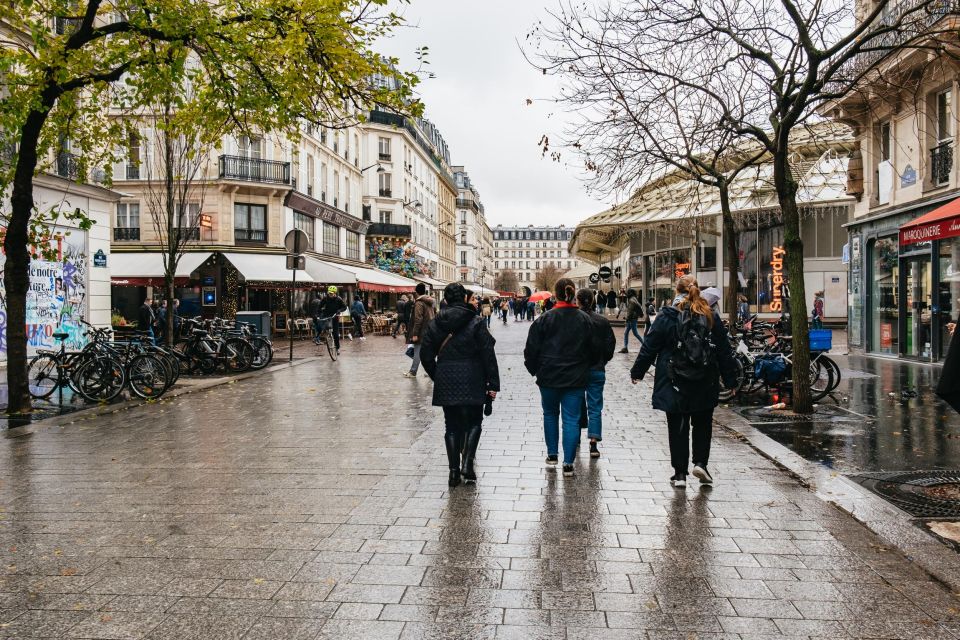
Winter visitors also have a good reason to choose it. The cozy restaurant setting, hot potatoes, melted cheese, and communal format match a cold or rainy day in Paris. One outing took place during a wet winter day, and the guide, Ilana, was praised for making the mood feel sunny despite the weather.
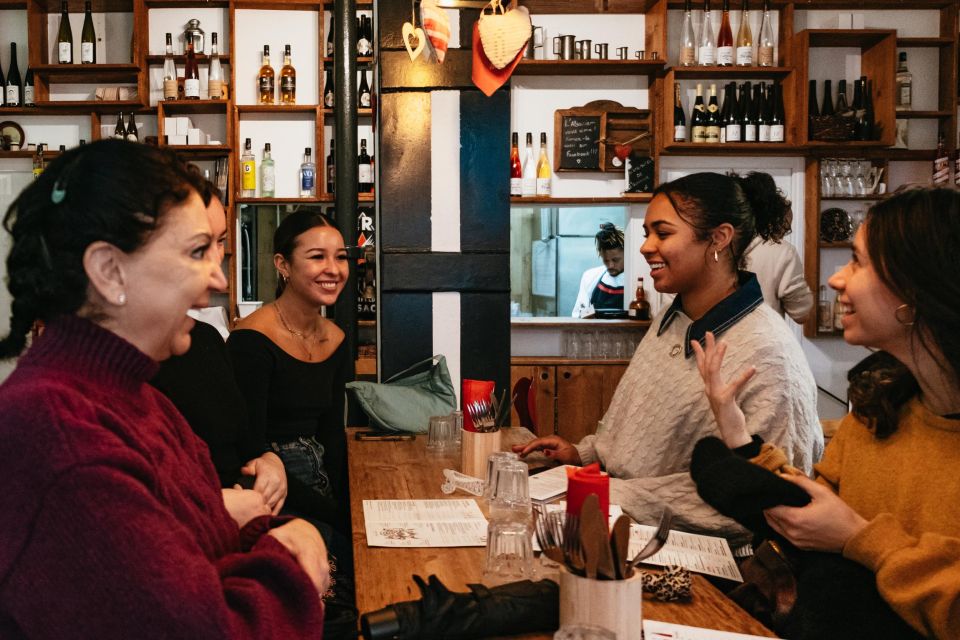
Couples and close friends may appreciate the listed two-person group limit. The format encourages conversation and makes the meal feel personal. If you are looking for a large, lively food walk with many fellow participants, this is probably not the right match.
Visitors curious about regional French food get more than one tradition. Raclette connects to Alpine dining, flamekueche to Alsace, and cannelés to Bordeaux. The tour does not offer a full survey of French cuisine, but it gives you a tasty look at several regional specialties.
You should think twice if you need strict dietary flexibility. The supplied details do not list vegetarian, vegan, gluten-free, or allergy options. They also do not provide a precise topping list for the flamekueche. Ask before booking if any ingredient is important to avoid.
Booking details worth knowing
The tour is offered in English and French, with a live guide. The activity is wheelchair accessible, which is useful information when planning a food outing in Paris.
You can cancel up to 24 hours in advance for a full refund. The reserve-now, pay-later option lets you hold a place without paying at the time of booking, which can help when your Paris schedule is still changing.
The activity lasts three hours, and you should check the available start times for your date. Begin at Les Marmottes. Since the tour is built around a meal, arrive ready to eat, but do not assume that you need to bring anything beyond yourself and an appetite.
Should you book the No Diet Club winter cheese tour?
Book it if you want a warm, filling, distinctly winter meal with a hands-on raclette ritual. The combination of mountain cheese, truffle ham, charcuterie, potatoes, pickles, flamekueche, cannelés, and waffles gives you plenty for the $71 price, especially if you value unlimited cheese and guided dining.
Skip it if you want a light meal, a broad survey of Paris food, or a tour with a large group atmosphere. The best match is a cheese lover who enjoys sitting down, sharing food, and taking time over a very rich menu. For that person, this is a cheerful way to welcome winter in Paris.
FAQ
Where does the tour begin?
The tour begins at Les Marmottes.
How long does the experience last?
The tour lasts three hours.
What food is included with the raclette?
The raclette includes mountain cheese, charcuterie, potatoes, truffle ham, salad, and pickles.
Is the cheese unlimited?
Yes. Unlimited cheese is one of the main features of the experience.
What other food is served after the raclette?
You share a cheesy Alsatian flamekueche, then finish with cannelés Bordelais and homemade waffles.
What languages does the guide speak?
The live guide is available in English and French.
How many people can join the group?
The activity is listed as a small group limited to two participants.
Can I cancel for a refund?
Yes. You can cancel up to 24 hours in advance for a full refund.