REVIEW · PARIS
Paris: Musée d’Orsay A Private Tour – rebels passion colour
Book on GetYourGuide →Operated by Paris Museum Guide · Bookable on GetYourGuide
The best thing about this Musée d’Orsay tour is its clear story: French art did not simply shift from grand paintings to Impressionist color. It fought its way there. With artist and guide Damien, you follow that fight from the 1840s Salons to the fiercely personal work of Van Gogh and Gauguin.
I like the small private group, limited to six, and the fact that Damien brings an artist’s eye rather than just a list of dates. I also like the supplied audio receivers, which make it easier to hear in crowded galleries. The catch is the extra museum ticket, priced at €16 for most adults, and busy periods can make entry tickets harder to secure.
In This Review
- Key points at a glance
- Why the Musée d’Orsay works so well for this story
- Starting with Delacroix and Ingres in the 1840s
- Courbet and the shock of ordinary subjects
- Manet and the pressure of modern life
- Monet and the Impressionist revolution
- Cézanne and the move toward individuality
- Ending with Van Gogh and Gauguin
- Damien’s approach and the small-group advantage
- Tickets, timing, and the real price
- Meeting at the Rhino outside the museum
- Who will get the most from this tour
- Should you book the Musée d’Orsay private tour?
- FAQ
- How long does the Musée d’Orsay private tour last?
- Is the tour private?
- What language is the tour in?
- Who is the guide?
- Is the Musée d’Orsay entry ticket included?
- Do children need to pay museum admission?
- Can EU students enter for free?
- Is a Paris Museum Pass accepted?
- Where do you meet the guide?
- Are headphones supplied?
Key points at a glance
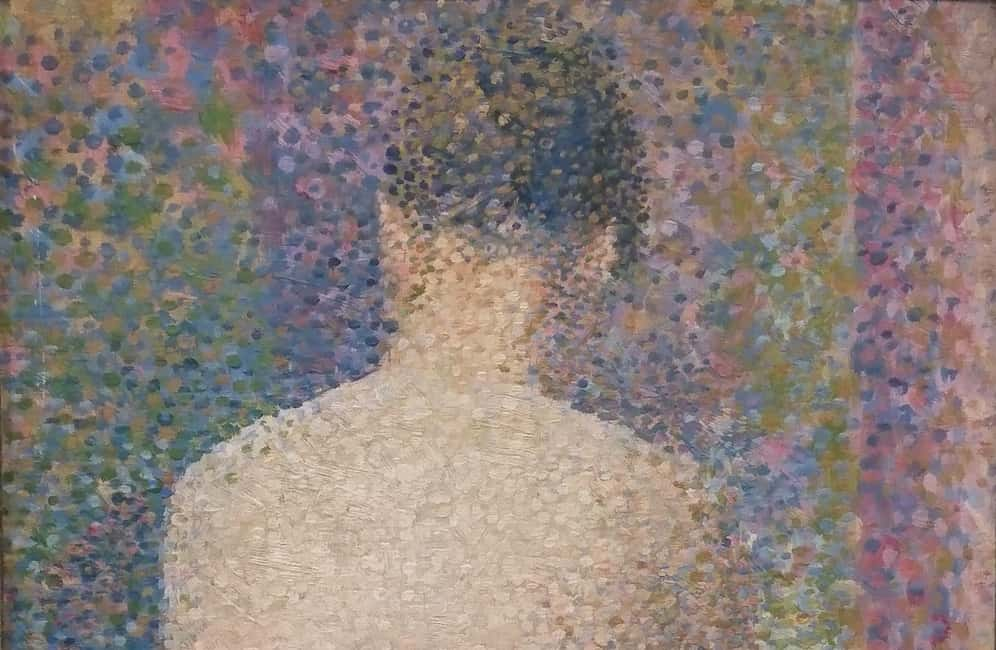
- A two-hour story of artistic rebellion: Follow the change from Delacroix and Ingres to Van Gogh and Gauguin.
- An artist at the front: Damien is an Irish artist, specialist decorator, and Paris museum guide with 10 years of guiding experience.
- A genuinely small group: The private tour is limited to six people, so the format is more personal than a large museum walk.
- Headphones included: The audio receiver is light and easy to hear with, even when other people are nearby.
- Museum entry is separate: Buy admission through orsay.fr, use a Paris Museum Pass, or check the free-entry rules for children and eligible EU students.
- Meet by the Rhino: Find the guide outside the museum near the rhinoceros sculpture. Damien will have a guide badge.
Why the Musée d’Orsay works so well for this story
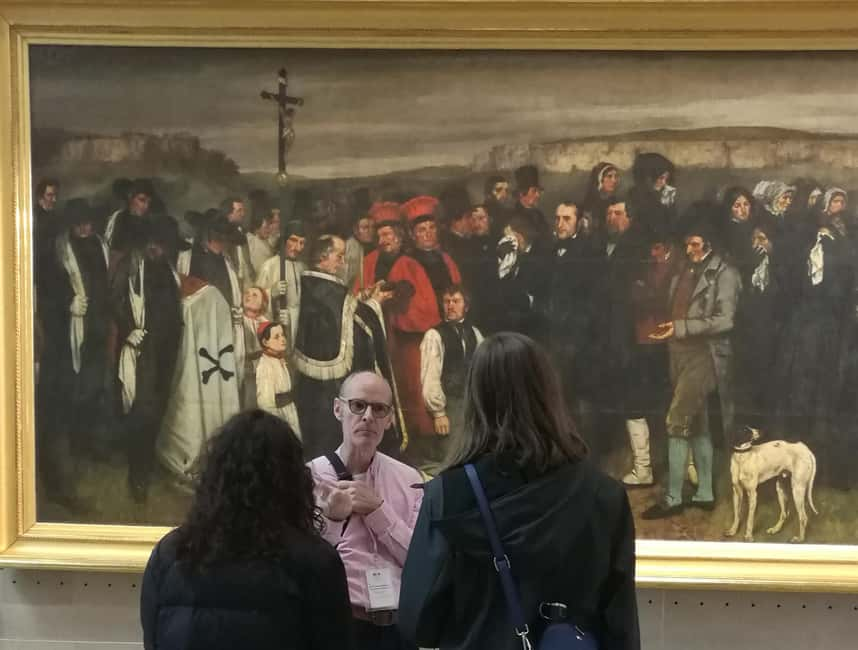
The Musée d’Orsay is not just a place to tick off Monet, Manet, and Van Gogh. Its collection makes it possible to see a whole period of change in one visit. You begin with the official art world, where the Salon controlled much of what the public saw, then move toward artists who challenged accepted subjects, brushwork, and ideas of beauty.
That structure gives the tour a useful backbone. Instead of hearing isolated facts about famous paintings, you see how one argument leads to another. Delacroix and Ingres represent opposing ideas of 19th-century painting. Courbet pushes ordinary life and blunt realism into a world that preferred polish. Manet tests the limits of what could be shown and how it should be painted. Monet and his fellow Impressionists turn attention toward light, weather, and quick visual experience.
I find this approach especially helpful if you have already visited the museum and felt swamped by its size. The Orsay can be visually loud. It is filled with major names, large canvases, sculpture, and rooms that reward slow looking. A strong guide helps you decide what matters during a two-hour visit.
This is not designed to cover every important work in the museum. That would be impossible in two hours. The value comes from getting a readable route through a large collection and learning why the artists mattered, not from seeing every famous canvas.
You can also read our reviews of more private tours in Paris


Starting with Delacroix and Ingres in the 1840s
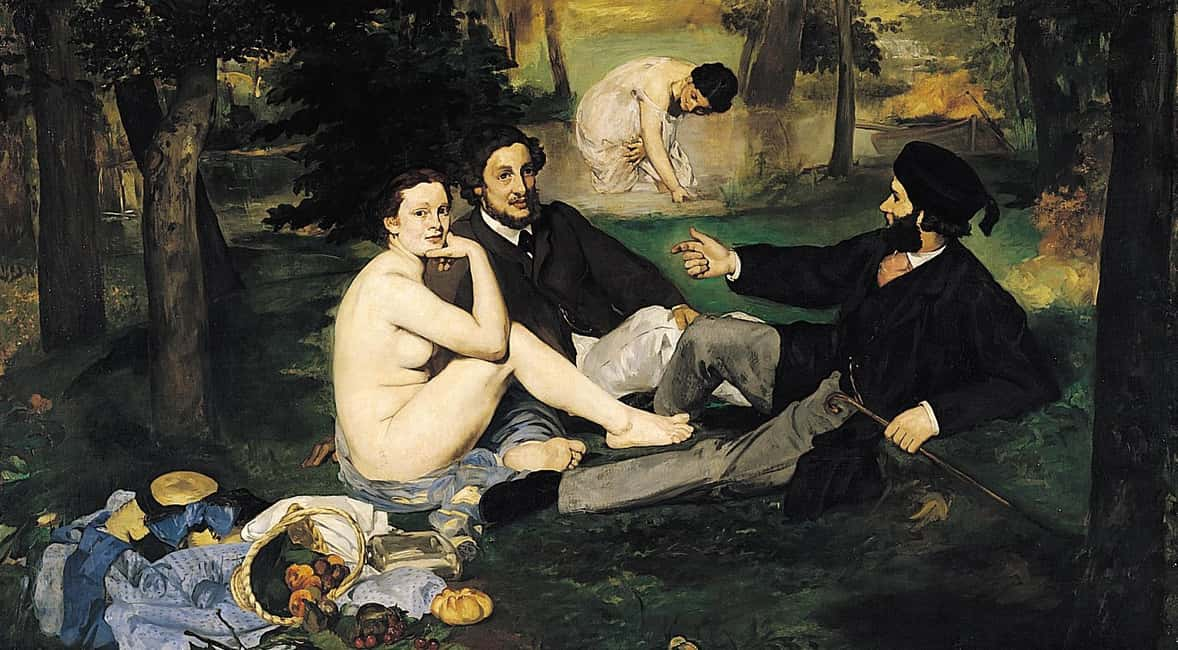
The tour begins with the Salons of the 1840s and the opposing approaches of Eugène Delacroix and Jean-Auguste-Dominique Ingres. This is a smart starting point because it gives you the rules before you watch artists break them.
Ingres is associated with controlled line, polished finish, and classical discipline. Delacroix represents a more emotional use of color and movement. You do not need a technical art background to follow the difference. Look at how each painter handles the human body, the surface of the canvas, and the feeling of a scene.
The point is not to choose a winner. It is to understand that French painting already contained serious arguments about color, drawing, emotion, and tradition before Impressionism appeared. Those arguments shaped the artists who came later.
This first section may be less instantly familiar than the Impressionist rooms, but it is important. If you skip the official art world, the later rebellion can seem like a sudden fashion. With this context, you can see why new painting caused such a stir.
Courbet and the shock of ordinary subjects
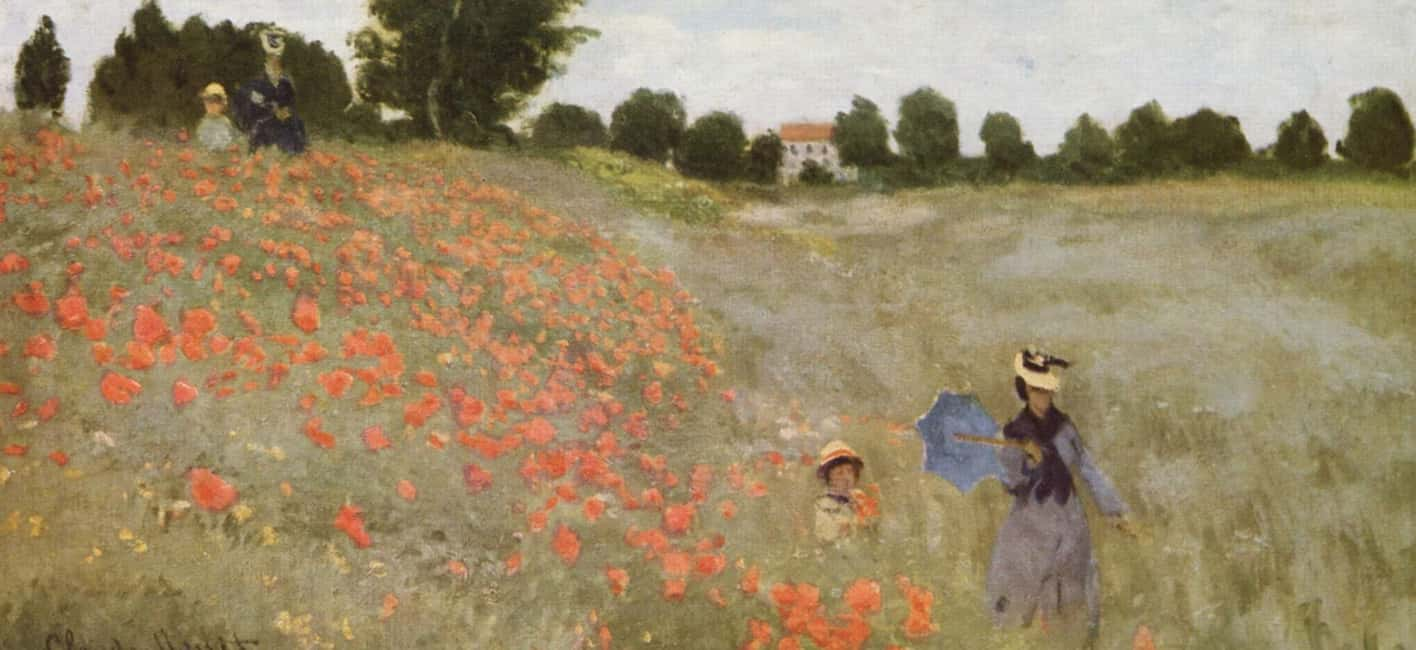
Gustave Courbet brings the story closer to everyday life. His work is part of the break from idealized subjects and carefully managed beauty. He treated ordinary people and real life as worthy of serious art, which challenged the expectations of the period.
A guide with an artist’s background can be useful here because the issue is not only what Courbet painted. It is also how the painting asks you to look. Scale, surface, subject, and directness all matter. Damien’s role is to connect those choices to the wider argument about who and what belonged in a museum.
You might find Courbet easier to appreciate after seeing the more formal tradition that came before him. The contrast gives his work force. The art is not rebellious simply because it depicts a different subject. It also questions the old claim that important art must look refined, historical, or heroic.
Manet and the pressure of modern life
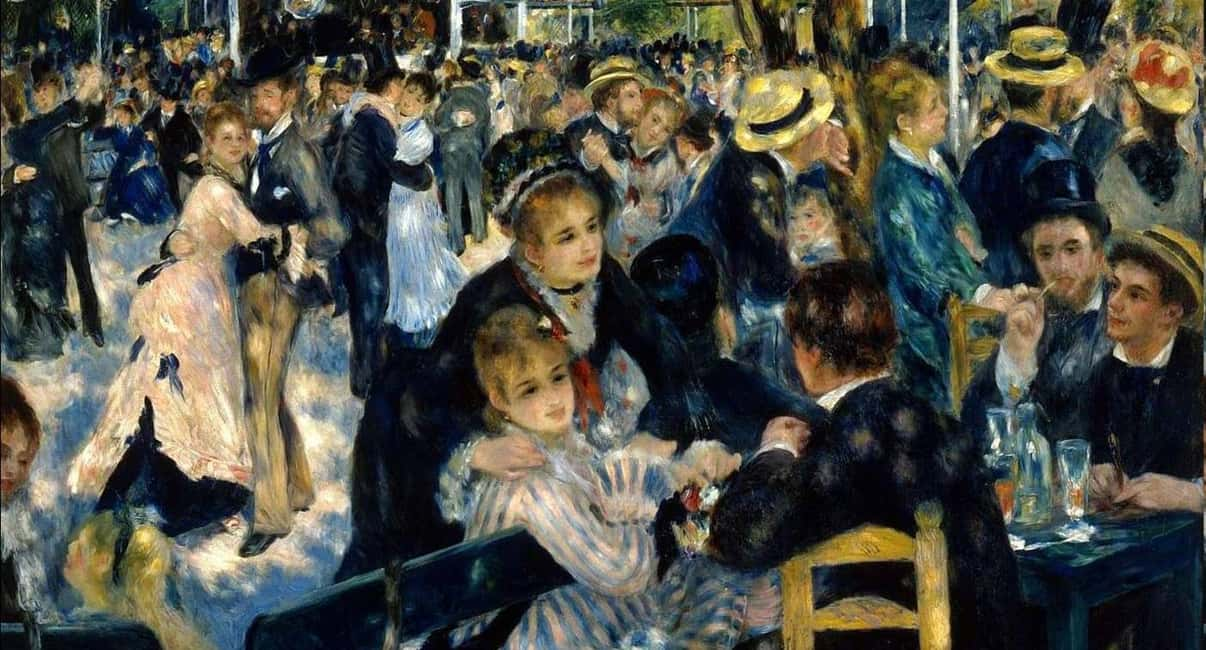
Édouard Manet takes another step toward modern painting. His work sits at a turning point, still linked to the old masters but less willing to follow their rules. He helped make contemporary life a serious subject and pushed viewers to think about the act of looking itself.
This is one place where a private guide can save you time. Manet’s importance is not always obvious if you rush past the surface and search only for a pretty scene. The useful questions are: What feels deliberately awkward? What looks unfinished? Which parts seem to resist the smooth finish expected by the Salon?
The tour explains why these changes were difficult for the French public to accept. Impressionism and its related experiments were not rejected because people had no taste for beauty. They challenged habits that had been taught for generations. A painting that looked too quick, too ordinary, or too openly made could seem careless instead of radical.
That history adds weight to the works you see later. The bright colors and loose strokes are not just pleasant effects. They are part of a dispute about authority, taste, and modern life.
Monet and the Impressionist revolution
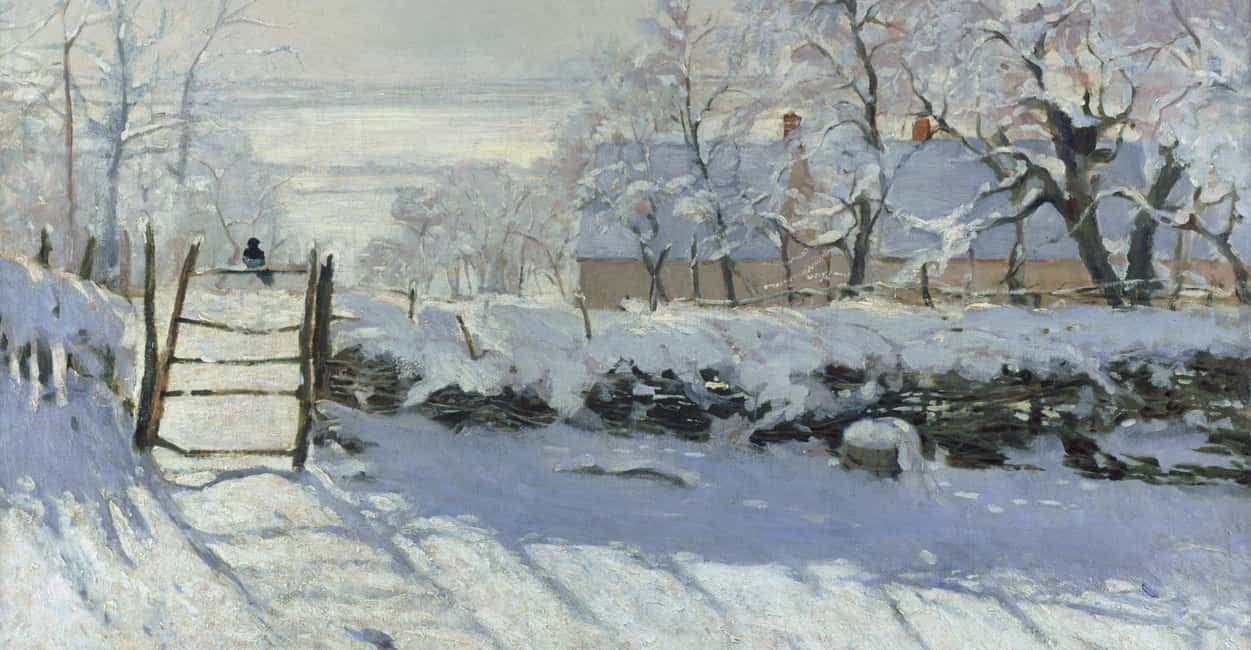
The Impressionist part of the visit is likely to be the section most people anticipate, but the tour’s strength is putting it in context. Monet and his fellow painters changed the way artists addressed light, color, and fleeting conditions. Their work could look spontaneous, yet it came from close attention and repeated experiment.
You will learn why the Impressionist revolution mattered to its own time, not just why it remains popular today. The movement shifted attention away from a finished, ideal scene and toward the experience of seeing. A changing sky, a passing moment, or an outdoor view could become the subject.
That distinction matters in the museum. It is easy to admire an Impressionist painting as a cheerful wall of color. Damien’s explanation helps you ask harder questions about the brushwork and the decision to leave certain things unresolved.
The public’s early rejection is also part of the appeal. These works are now admired around the world, but they were once judged against standards they were actively challenging. You get more from the galleries when you remember that the artists were not merely introducing a new look. They were asking who could exhibit, what counted as finish, and how directly a painting should reflect the modern world.




Cézanne and the move toward individuality
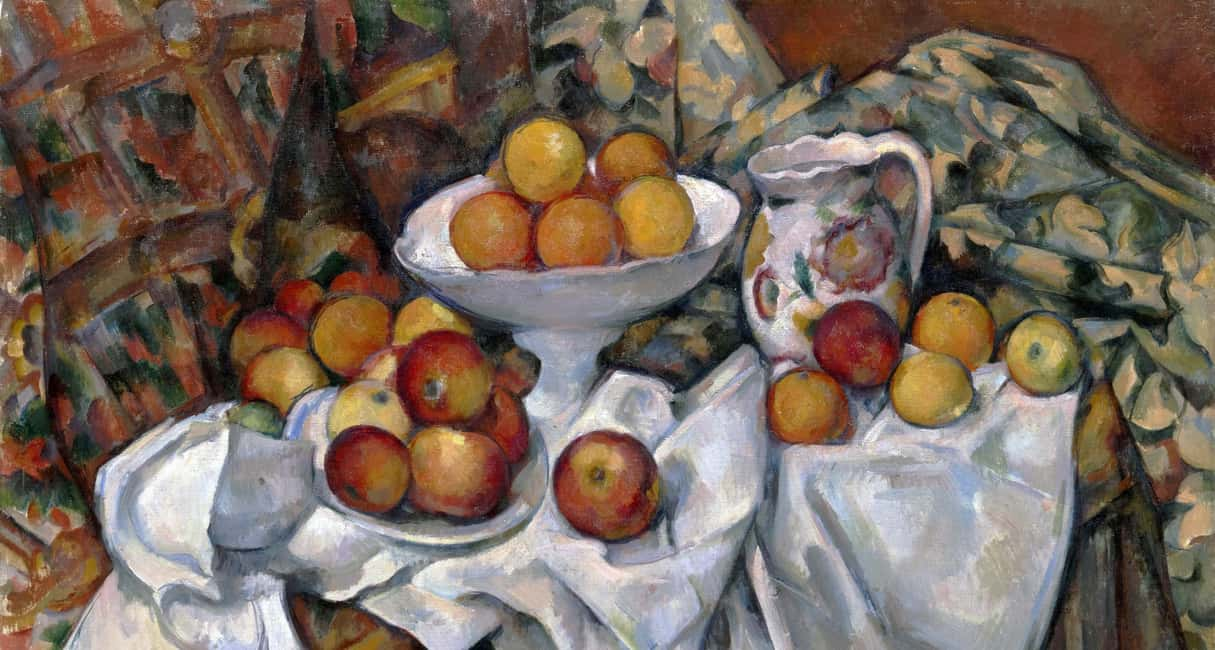
Paul Cézanne extends the story in a different direction. His work is linked to Impressionism, but it does not simply repeat Monet’s concerns. Cézanne’s importance lies in the personal way he organized form, color, and space.
This part of the tour can help you see that 19th-century French art did not move as one neat group. Artists borrowed from each other, disagreed, and followed separate paths. That makes the story more believable and more interesting than a simple march toward modern art.
Pay attention to how the tour connects Cézanne to the broader idea of artistic independence. The question becomes less about belonging to one movement and more about finding a private visual language. That prepares you for the final meeting with Van Gogh and Gauguin.
Ending with Van Gogh and Gauguin
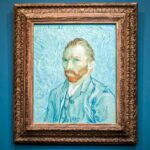
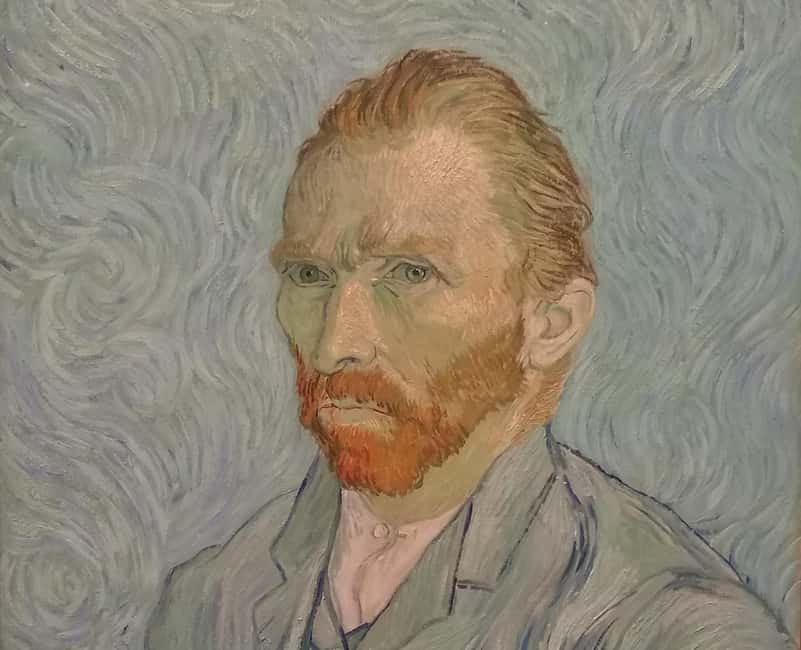
The tour ends with two tempestuous friends, Vincent van Gogh and Paul Gauguin. Their work gives the final section a strong emotional charge, but the guide also places them within the larger movement away from shared rules.
Van Gogh and Gauguin show how far the story has traveled from the official Salons of the 1840s. By this point, an artist’s individual vision has become central. Color, line, distortion, and emotion can carry meaning in their own right.
The friendship between the two men adds a human thread, though the main purpose is artistic. You see how personal choices can become the subject and the method of painting. The tour closes not with a tidy conclusion, but with two artists whose work points toward even greater freedom and conflict in modern art.
This ending is a good reason to take the tour in sequence. If you begin with Van Gogh alone, you may focus on the familiar drama of his life. Starting with Delacroix, Ingres, Courbet, Manet, Monet, and Cézanne lets you see Van Gogh and Gauguin as part of a long argument about artistic freedom.
Damien’s approach and the small-group advantage
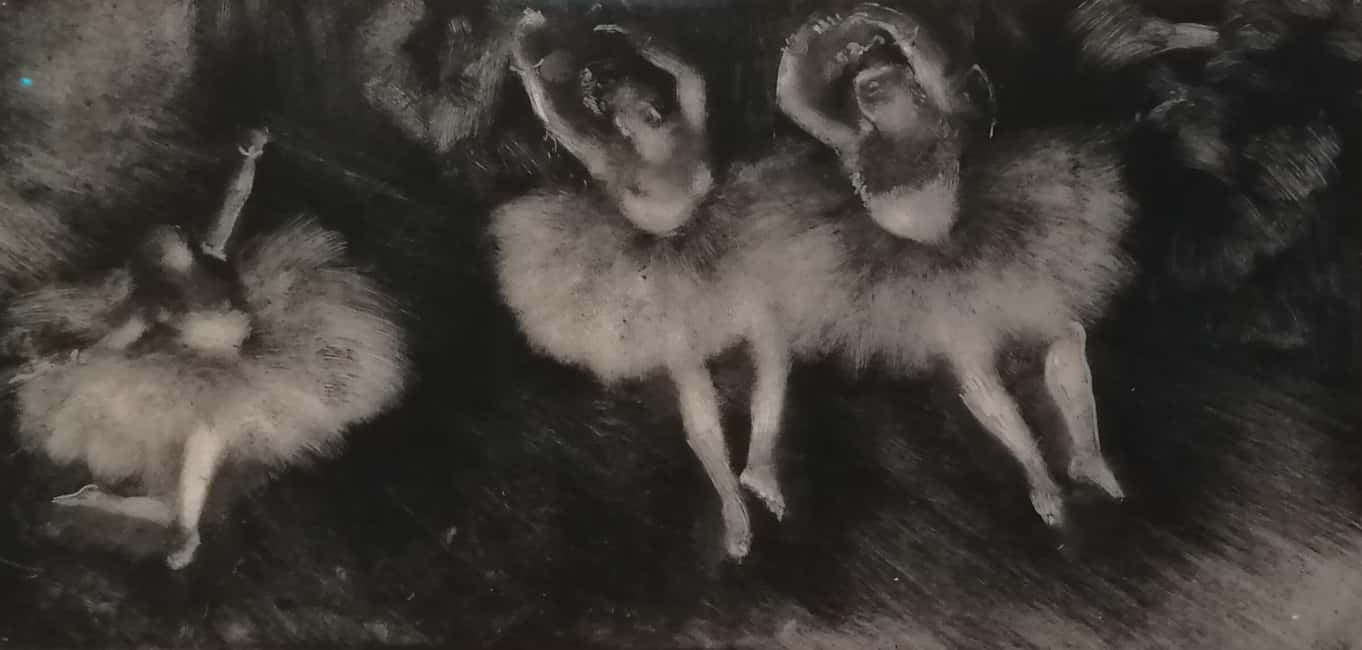
Damien is an Irish artist and specialist decorator who has also worked as a Paris museum guide for the past 10 years. That combination matters for this particular subject. You are not only being shown famous names. You are being asked to notice choices in color, surface, composition, and style.
The tour is private and limited to six people. That number keeps the experience intimate without making it a one-to-one lesson. You can stay with your own group rather than trying to keep up with a large crowd, and the guide can focus on the questions that matter to your party.
The audio equipment is another practical plus. Headphones and audio receivers are supplied, and the system is described as light and easy to hear. That helps in galleries where nearby conversations can swallow a guide’s voice. You still need to pay attention to your surroundings, but you should not have to stand shoulder to shoulder with the guide to catch every word.
The tour is in English. Direct contact with Damien by WhatsApp or text is included, which is useful if you need to confirm availability close to the start time. For requests made less than 24 hours before the tour, contact him directly first.
Tickets, timing, and the real price
The tour costs $141 per person, but that price does not include museum admission. Most adults should budget another €16 for the Musée d’Orsay ticket. Buy through the official orsay.fr website, and do it early during high season because ticket availability can be limited.
There are several ways to reduce the extra cost. Children under 18 enter free with identification. EU students under 25 also enter free, and a Paris Museum Pass is accepted. If you choose a ticket for a temporary exhibition, that ticket is also valid for entry to the museum.
The total price is worth considering carefully. For one person or a couple, $141 plus admission is a substantial museum expense. For a private group of up to six, the calculation looks better, especially if you value a focused English tour rather than a general group visit.
You are paying for interpretation and structure, not a longer museum stay. The visit lasts two hours, so you will not have time to linger over everything. I would choose this tour if you want a guided introduction to the collection or if a previous visit left you unsure what you were looking at. If you already know 19th-century French art well and prefer to set your own route, the added cost may be harder to justify.
Meeting at the Rhino outside the museum
The meeting point is by the rhinoceros sculpture outside the Musée d’Orsay. Damien will have a guide badge, so look for the sculpture first and then confirm the badge before setting off.
Arrive with comfortable shoes. Two hours on museum floors is not a good time for footwear that pinches. Bring identification for children who qualify for free entry.
Selfie sticks and flash photography are not allowed. The museum is wheelchair accessible, but the experience is not suitable for babies under one year. These details are small, but they can prevent a rough start.
Museum admission is your responsibility, so do not assume the tour price gets you through the door. Have your ticket, pass, or proof of eligibility ready before meeting the guide.
Who will get the most from this tour
I would recommend this experience to you if you like museums but want help making sense of them. It suits first-time visitors who want the major artistic arguments explained, couples or families seeking a private format, and small groups that would rather ask questions than follow a large flag.
It is also a good fit if you have already visited the Orsay and felt overwhelmed. The guided route gives you a second chance to notice works you passed too quickly. One particularly useful benefit is the shift from famous individual paintings to connections between artists.
Families with older children may find the rebellion theme more engaging than a basic name-and-date tour. The free entry for under-18s helps with cost, though the content is still centered on art history and may not hold the attention of very young children.
You should think twice if you want a slow, unstructured visit. Two hours goes quickly, and a private tour has its own pace. You will need to accept the guide’s selection rather than spend half an hour with one favorite painting.
Should you book the Musée d’Orsay private tour?
Book it if you want the Orsay to feel like a story instead of a large collection of famous pictures. Damien’s artist’s perspective, the six-person limit, and the clear path from Delacroix and Ingres to Van Gogh and Gauguin give the visit purpose.
Before paying, secure your museum ticket and add the €16 admission cost unless you qualify for free entry or hold a Paris Museum Pass. If you want personal explanations in English and a compact tour that explains why Impressionism caused such trouble, this is a strong choice. If you prefer wandering alone or already have a detailed plan for the museum, buy your ticket and explore independently.
FAQ
How long does the Musée d’Orsay private tour last?
The tour lasts two hours.
Is the tour private?
Yes. It is a private group experience limited to six people.
What language is the tour in?
The live tour is conducted in English.
Who is the guide?
The guide is Damien, an Irish artist and specialist decorator who has also worked as a Paris museum guide for the past 10 years.
Is the Musée d’Orsay entry ticket included?
No. Museum admission is separate and can be obtained through the orsay.fr website. The stated adult ticket price is €16.
Do children need to pay museum admission?
Children under 18 enter free with identification.
Can EU students enter for free?
Yes. EU students under 25 can enter for free.
Is a Paris Museum Pass accepted?
Yes. The Paris Museum Pass is valid for entry to the museum.
Where do you meet the guide?
Meet outside the museum by the sculpture of the rhinoceros. Damien will have a guide badge.
Are headphones supplied?
Yes. Headphones and audio receivers are supplied during the tour.