REVIEW · PARIS
Paris: Montmartre Guided Walking Tour
Book on GetYourGuide →Operated by Discover Walks · Bookable on GetYourGuide
Montmartre changes when you stop rushing. This 90-minute guided walk mixes the famous views with real neighborhood stories, including why artists came, and why locals argue about Sacré-Cœur. It’s in English, in a small group, and it runs rain or shine, with a 6:30 PM twilight option when the mood turns more local.
I especially like the way the tour balances big-name landmarks with the quieter streets between them. You’ll get the Sacré-Cœur and Moulin Rouge viewpoints, then the guide steers you toward places most people skip. I also love the art-and-life storytelling, connecting painters like Renoir, Van Gogh, and Picasso to specific corners of the hill.
One drawback to plan for: this is walking, and it includes uphill sections. It’s not suitable for wheelchair users or people with mobility impairments, so bring shoes you can trust on uneven old streets.
In This Review
- Key highlights you’ll actually feel
- Place Blanche meeting point and how the tour avoids the herd
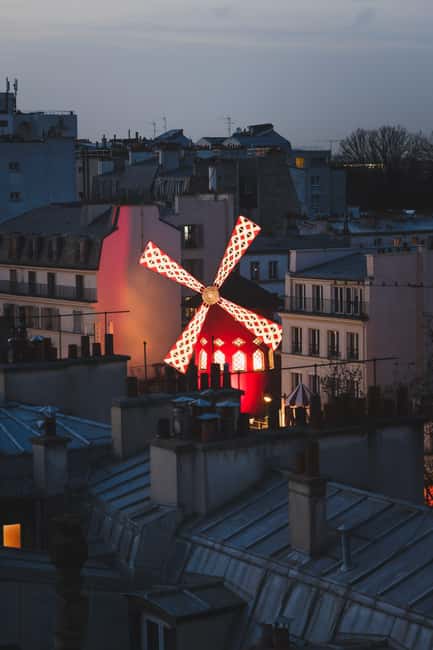
- Moulin Rouge: famous signage, plus cabaret lore beyond the postcards
- Sacré-Cœur and the “locals don’t all love it” story
- Moulin de la Galette and Place du Tertre: the artist Montmartre you came for
- Vigne du Clos Montmartre: grapes on a hill that tourists forget
- Traditional village lanes: cafés, bars, hidden corners, and local rhythm
- The extra short guided segment before your finish at Sacré-Cœur
- Twilight 6:30 PM: when Montmartre shifts from tourist mode to local mode
- Price and value: why $17 can be a good deal if you want context
- Who this Montmartre walk suits best (and who should choose another plan)
- Should you book this Montmartre guided walking tour?
- FAQ
- Where is the meeting point?
- What if I’m running late?
- How long is the tour?
- What language is the tour in?
- How large is the group?
- Does the tour run in bad weather?
- Are entry fees included?
- Is this tour suitable for wheelchair users or mobility impairments?
- What should I bring?
Key highlights you’ll actually feel
- Small-group pace (usually ~12 people) that helps you stay out of the heaviest crowds
- Landmarks plus local lanes: Sacré-Cœur and Moulin Rouge, then cafés, bars, and less-visited viewpoints
- Art stories tied to streets: Impressionism roots and the painters’ connections to Montmartre
- Moulin de la Galette and Place du Tertre for that classic artist Montmartre vibe
- Twilight 6:30 PM timing that’s gentler for photos and more “locals out” in the evening
Place Blanche meeting point and how the tour avoids the herd
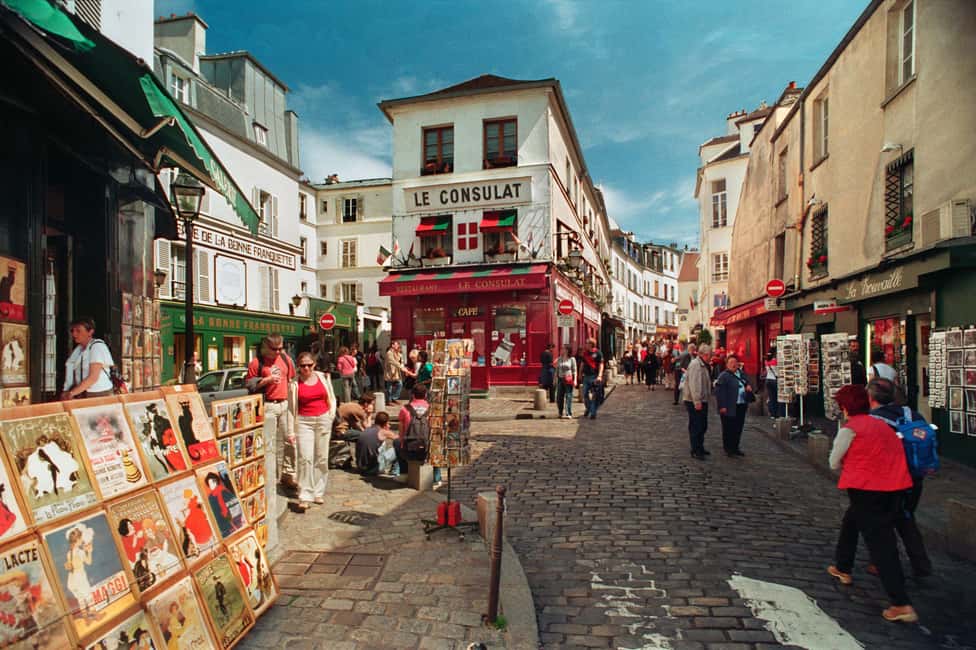
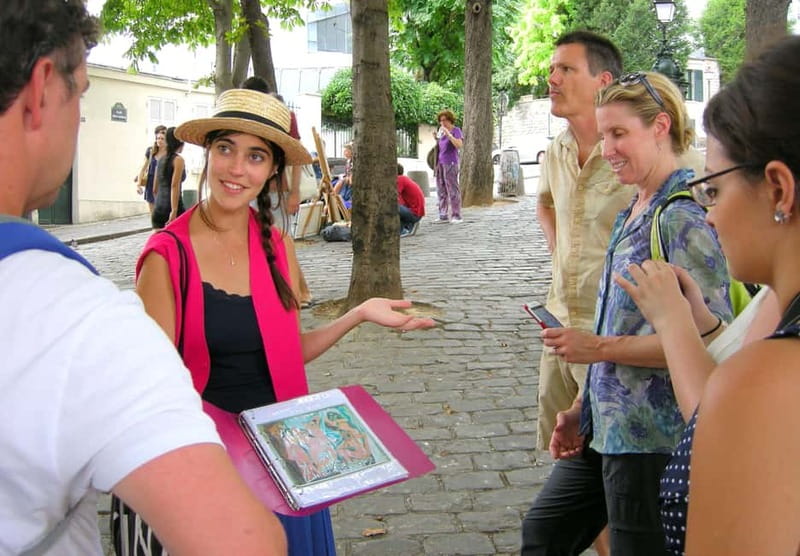
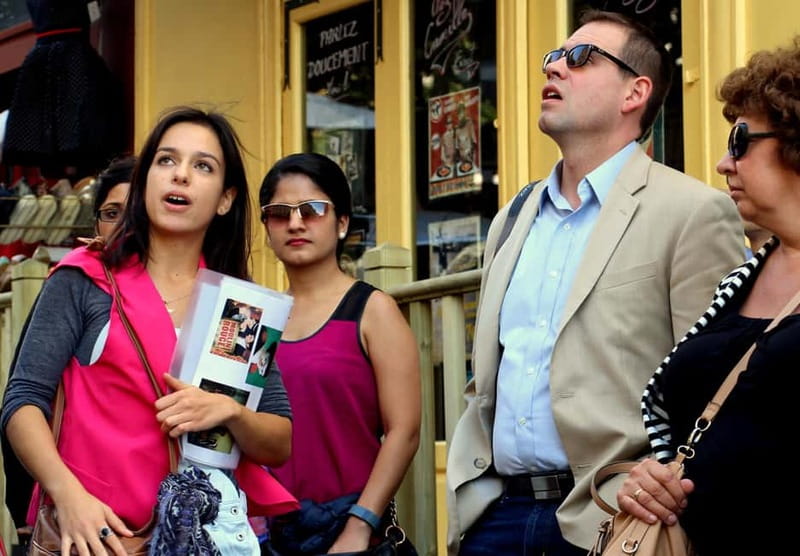
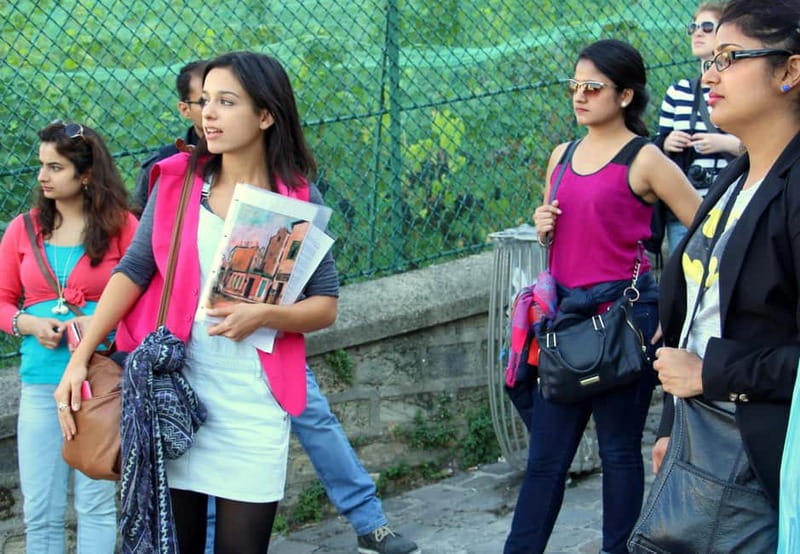
You start where Montmartre is easiest to find: Place Blanche, outside the metro stop on street level. Look for the guide in a pink vest by the Blanche exit (metro line 2), and go early enough to settle yourself before the group moves. The tour starts right on time, so late arrivals can miss the opening orientation.
The smart part here is the walking strategy. A local guide helps set you up for the hill, then you move through Montmartre like you’re exploring a village instead of checking boxes. Multiple guides in this style are praised for steering people away from the crowds whenever possible, while still pointing out the main sights you may want to return to on your own.
If you’re stuck in transit, there’s a practical backup. If you’re running late, try to locate the guide about 15 minutes after departure at the roundabout in front of Moulin Rouge. Keep this in mind if your day gets messy, because Montmartre can bottleneck near the big photo spots.
What I’d tell you to bring is simple: comfortable shoes, weather-appropriate clothes, and a reusable water bottle. The tour runs rain or shine, and in Montmartre, weather changes your experience quickly. A light layer you can move in matters more than looking perfect.
You can also read our reviews of more walking tours in Paris



Moulin Rouge: famous signage, plus cabaret lore beyond the postcards
Moulin Rouge is the kind of stop where you can take photos fast. But the value is how the guide frames it, not just where you stand. You’ll have a short visit for sightseeing and views, then you’ll move on with stories that connect the area’s entertainment history to the hill’s darker legends.
One of the specific story threads you should expect is the Cabaret of Assassins, a slice of Montmartre lore that helps explain why the district has always attracted artists, odd characters, and big emotions. You also get the sense that the cabaret story and the art story are linked here. Montmartre isn’t only “pretty streets,” it’s also drama, ambition, and reinvention.
There’s also a practical reason Moulin Rouge is a good early anchor point. Starting near a recognizable landmark helps you orient yourself fast, especially if you’ve never walked this part of Paris before. After that, you’ll spend less time guessing and more time following the guide’s route toward quieter streets.
The only real consideration at this stage is crowds. Even with a guide who plans to walk away from them, Moulin Rouge is still a high-traffic area. If you’re prone to feeling overwhelmed by people, just treat this as a quick stop, then enjoy the calm that comes right after.
Sacré-Cœur and the “locals don’t all love it” story
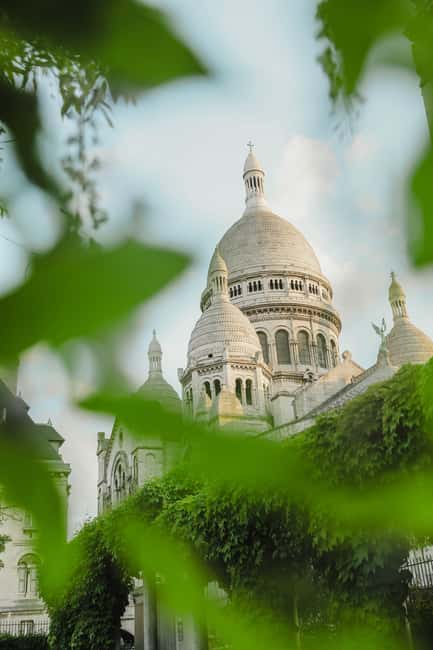
Sacré-Cœur is the Montmartre headline, and the tour gives you time to see it properly. You get a guided visit and time to take in the views, which is the part most people come for in the first place. On a clear day, the panorama makes the walking worth it in one step.
But the tour’s tone is more interesting than the typical church photo moment. You’ll hear why many locals actually hate Sacré-Cœur. That isn’t just trivia for trivia’s sake; it adds context for how neighborhoods form opinions, and how monuments can become symbols for arguments, not just architecture.
Expect the guide to talk about Montmartre as more than an attraction. The vibe is that this hill has always been a patchwork: artists, residents, nightlife, politics, and changing values. Sacré-Cœur becomes a lens for that bigger picture.
Timing also matters. The guide may guide you toward the best angles for photos without turning the stop into a slow bottleneck. Reviews repeatedly mention plenty of photo opportunities and not feeling rushed, and that style usually shows up most clearly when the tour hits Sacré-Cœur.
One practical note: the Basilica area is on top of the hill. Even if you don’t notice every step, your legs will notice. Plan your day so you’re not immediately booking another long climb right after this.
Moulin de la Galette and Place du Tertre: the artist Montmartre you came for
This is where Montmartre starts to feel like a painting you can walk into. At Moulin de la Galette, you’ll get a guided stop that connects the area’s creative past to what you see around you today. The mill and the surrounding streets are tied to the Impressionist era, so the guide’s stories usually land with extra power here.
From there, you move to Place du Tertre, a square strongly associated with artists. The tour doesn’t treat it like a museum floor. It’s more like a living stage where you can understand how art culture and street life overlap.
In multiple accounts, guides are praised for connecting big painter names to specific streets and viewpoints, not just listing them. You should expect references to the Impressionism birthplace idea and how artists like Van Gogh, Renoir, and Picasso are part of Montmartre’s identity. The guide’s job is to make those connections feel real, which is a different experience than reading a plaque.
There’s also a subtle advantage to visiting these spots mid-walk. If you start too late in the day, Place du Tertre can become a crush of people trying to do the same thing. With a guide pacing the route and making crowd-aware choices, you’re more likely to enjoy the atmosphere instead of just waiting in it.
Drawback: if you hate crowds in general, this part might still feel busy, because Place du Tertre is a magnet. The best strategy is to let the guide handle the movement while you focus on the art-story details.
Vigne du Clos Montmartre: grapes on a hill that tourists forget
Not every Montmartre tour includes this kind of contrast. The Vigne du Clos Montmartre stop brings the hill back to something you can almost smell and taste. You’ll get sightseeing time here, and the point is clear: Montmartre isn’t only cafés and monuments, it’s still a place with agricultural roots and local tradition.
It’s an easy stop to overlook if you expect everything to be “museum-like.” That’s exactly why it works. This vineyard pause gives you a breather from the heavy visual landmarks, and it helps you understand the neighborhood’s rhythm across time.
Even if you don’t join any tasting or entry-based activities (entry fees aren’t included), the story and the setting can reset your view. Montmartre starts to look less like a themed district and more like a real neighborhood with real seasons.
Keep an eye on the ground and your footing here too. Vineyard slopes and older paths can be uneven, especially in wet weather. Since the tour is rain or shine, the guide is managing the walk with that reality in mind.
You can also read our reviews of more guided tours in Paris






Traditional village lanes: cafés, bars, hidden corners, and local rhythm
Montmartre’s magic is in the middle streets, the ones between the dramatic spots. This tour leans into that, guiding you through “village” Montmartre where you rub elbows with the happy-living Montmartrois. You’ll see bars and cafés, and you’ll learn how locals think about their own neighborhood.
This is where you usually benefit most as a practical traveler. A good guide doesn’t only point out what to photograph; they help you understand what to do after the tour. Reviews mention that guides often share favorite eating suggestions and tips for enjoying Montmartre beyond the landmarks.
You’ll also get the “hidden gems” angle, but in a realistic way. The goal isn’t to pretend Montmartre is empty. It’s to show you places that feel calmer, more local, and less packaged.
One thing to remember: street life changes by time of day and by weather. In a light rain, the neighborhood can feel intimate. In bright sun, it feels like everyone is out at once. Since the tour runs either way, your experience will match the day’s mood.
For the traditional village segment, keep your expectations flexible. You’re not shopping in an indoor market. You’re walking through streets that are part of daily life. That’s the point, and it’s also why you’ll feel it more than you’ll “understand it” from photos.
The extra short guided segment before your finish at Sacré-Cœur
After the village lanes, the tour includes one more brief guided stretch on the way to the finale. Since it’s short, it’s usually used to tie stories together and reposition the group for the best end-of-walk experience. Think of it as the tour’s final stitch: the guide helps you connect what you’ve learned so far to what you’re about to see at the Basilica area again.
This is also where pace matters. A well-run small group tour keeps momentum while still allowing the guide to answer questions. Reviews repeatedly mention relaxed pacing and not feeling rushed, and that kind of pacing tends to make the finish feel earned rather than forced.
If you’ve had a long day, this is also the moment to slow your own pace slightly. Not everyone needs to sprint ahead for photos, and the route is designed for walking comfort as much as possible within a hill district like this.
Then the tour finishes at the Basilica of the Sacred Heart of Paris. It’s a fitting end point because it gives you a final chance to absorb the views and the atmosphere as the tour story lands.
Twilight 6:30 PM: when Montmartre shifts from tourist mode to local mode
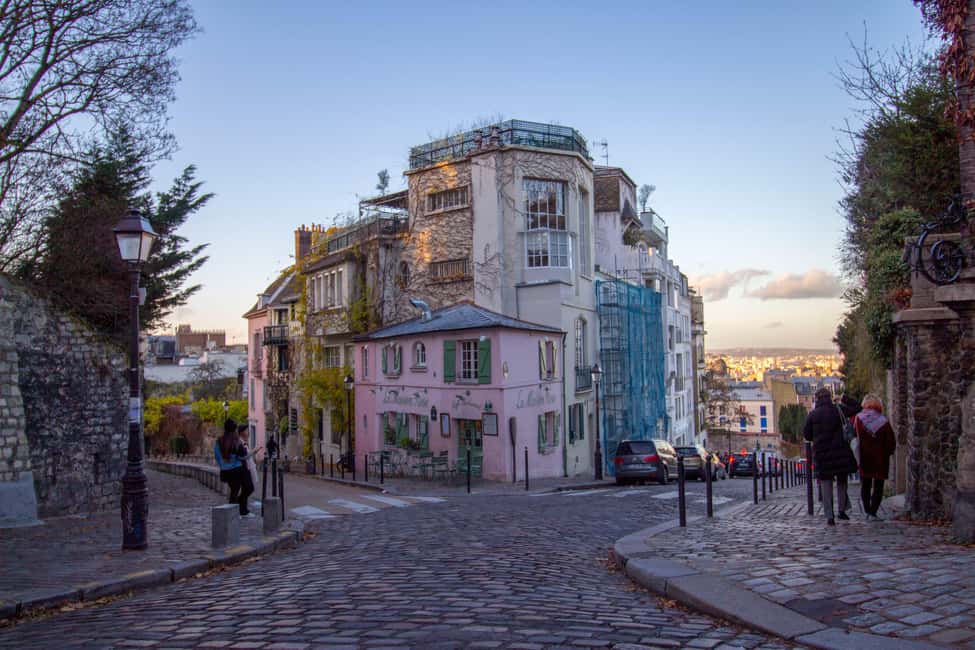
If you have the option, the 6:30 PM tour is a smart pick. The idea is simple: twilight is when locals start emerging and daytime crowds taper off. That changes the feel of everything you see, even the same landmarks.
For photos, twilight can be kinder. Light often softens the hard angles and reduces glare on stone. For people, it can be less draining. You’ll still see Montmartre’s energy, but it feels less like a conveyor belt.
You also tend to get better conversations with your guide in lower crowd conditions. With fewer people around, it’s easier to pause at viewpoints and ask follow-up questions without feeling like you’re stealing space from the next group.
The other advantage is how it structures your evening. Montmartre can be a great start or a great ending, but twilight is a sweet spot. You get daytime streets and artistic history energy, then you get that early-night neighborhood feeling before things fully turn for nightlife.
Price and value: why $17 can be a good deal if you want context
At $17 per person for 90 minutes, this tour is priced like a “high value intro,” not a premium, slow-burn production. What you’re paying for is not transport, not entry tickets, and not a meal. You’re paying for an English-speaking local guide and a focused walk through the places that explain Montmartre’s identity.
That’s a fair trade when you value context. Montmartre can be confusing if you only wander on your own, because the streets twist and the sights are spread across different elevations. A guide helps you connect landmarks to stories, which is where the time usually pays off.
Small-group size also matters for value. With groups usually around 12 people (and a second guide if it goes up to 20), you’re more likely to get real interaction instead of just hearing the guide talk at you. That interaction is part of what makes the tour feel like you’re learning the neighborhood, not only moving through it.
What’s included is straightforward: English-only guide, local guidance, and the walking tour itself. What’s not included: transportation, food and drinks, and entry fees. So if you want museums or paid attractions, you’ll add those yourself.
One practical note from a comment you might run into: some people suggest planning a tip, since the guide’s work is the core of the experience. If this style of local storytelling is your kind of thing, tipping makes sense.
Who this Montmartre walk suits best (and who should choose another plan)
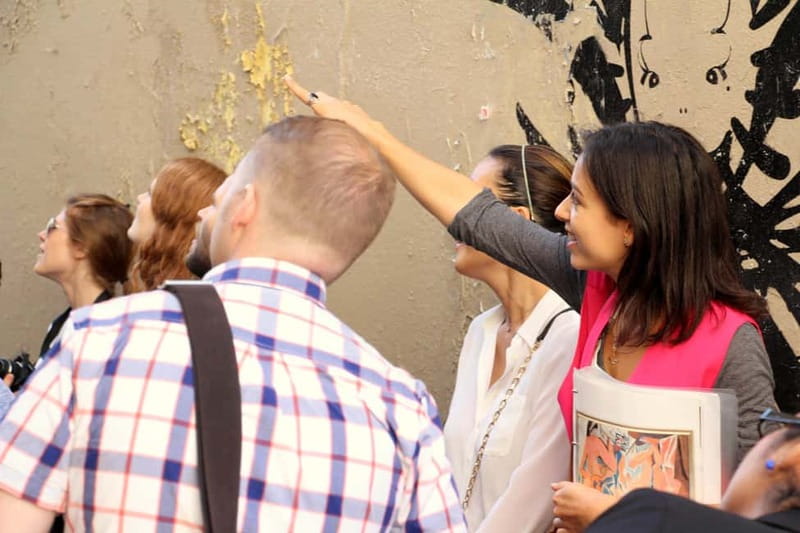
This is a great fit if you want Montmartre with structure. You like hearing why things are the way they are, not only where they are. You also want a guide who can handle both the famous stops and the quieter streets without turning the walk into a sprint.
It’s especially suitable for first-timers or for anyone doing Montmartre as a single, focused half-day. Reviews lean heavily toward guides who provide strong art and history connections, with an entertaining, question-friendly style.
If you’re traveling with kids or mixed ages, it can work well because the guide often makes the stories accessible. One review notes that a guide engaged children enough that they learned as well, which is a good sign for family-friendly pacing.
Avoid this tour if mobility is limited. The tour is not suitable for wheelchair users or people with mobility impairments, and the walking and hillside terrain will be part of the experience.
Should you book this Montmartre guided walking tour?
I’d book this tour if you want a smart, time-efficient way to see Montmartre without getting lost in the obvious crowd traps. For $17, you’re buying exactly what Montmartre needs: a local guide who can connect Sacré-Cœur and Moulin Rouge to the art movement story and the everyday neighborhood life around them.
Skip it if you hate hills or need wheelchair-friendly access. Also skip if you only want quick photos and don’t care about context. This walk is for people who want the streets to make sense.
If you can choose the time, consider the 6:30 PM twilight option. It’s a nice way to experience the neighborhood when it feels more like a place you could live in, not just a place you pass through.
FAQ
Where is the meeting point?
Meet your guide on street level outside the metro station exit Blanche (metro line 2). Look for the guide wearing a pink vest.
What if I’m running late?
If you’re late, try to find the guide about 15 minutes after departure on the round-about in front of Moulin Rouge.
How long is the tour?
The walking tour lasts 90 minutes.
What language is the tour in?
The tour is in English.
How large is the group?
The small groups are usually around 12 people. If group size goes up to 20, a second guide is added.
Does the tour run in bad weather?
Yes. The tour runs rain or shine.
Are entry fees included?
No entry fees are included.
Is this tour suitable for wheelchair users or mobility impairments?
No. It is not suitable for people with mobility impairments or wheelchair users.
What should I bring?
Bring comfortable shoes, weather-appropriate clothing, and a reusable water bottle.