REVIEW · PARIS
Paris: Louvre Masterpieces Private Tour with Reserved Entry
Book on GetYourGuide →Operated by TOUR FRANCE EXPERIENCE · Bookable on GetYourGuide
One building, thousands of masterpieces, and only two hours. This private Louvre tour is built for getting you in with reserved entry and out with a clear sense of what matters most.
I like two things most. First, you get a tight, private, licensed-guided route that targets the Louvre’s best-known works without wasting time wandering. Second, the guide connects paintings and sculpture to big moments in French history, from the Hundred Years’ War through the French Revolution—plus a stop that takes you into the museum’s ancient abbey past.
The main catch is simple: the Louvre is huge, and even with skip-the-line entry it can feel crowded once you’re inside. If you’re hoping to see everything, two hours will not do that. It’s a highlights-and-story tour, not a marathon.
In This Review
- Key things I’d highlight before you go
- Entering the Louvre in 2 hours: how “private” really helps
- Reserved entry + your guide: the easiest way to start
- Mona Lisa: seeing the real thing without getting trapped by the crowd
- Venus de Milo: why classical sculpture still hits hard
- Winged Victory of Samothrace: the drama you can actually feel
- The Hundred Years’ War to the French Revolution: art as a timeline
- The ancient abbey stop: a time-travel moment (without going underground forever)
- How the 2-hour plan stays tight (and where it can feel tight)
- Price and value: is $335 per person worth it?
- Who this Louvre private tour suits best
- What to bring (and what to leave home) so the tour stays smooth
- A few final thoughts before you book
- Should you book this Louvre masterpieces private tour?
- FAQ
- How long is the Louvre Masterpieces private tour?
- What’s included in the price?
- Do I need to buy a ticket in advance, and is the entry reserved?
- How many people can be in the private group?
- Is the tour offered in multiple languages?
- Is it suitable for young children?
Key things I’d highlight before you go

- Reserved entry and a separate entrance that helps you skip the most painful parts of the line
- A licensed guide in your language (English, French, Spanish, German, Italian, Portuguese, Russian, Chinese, Japanese)
- 2 hours of focused viewing of major works plus lesser-known context
- History that actually links to art, from the Hundred Years’ War to the French Revolution
- Mona Lisa, Venus de Milo, Winged Victory handled with smart looking tips, not just facts
- Maximum group size of 6, so you’re not stuck in a busload of strangers
Entering the Louvre in 2 hours: how “private” really helps
The Louvre can be overwhelming fast. You step inside and your brain starts doing math: How many rooms? How many stairs? How many doors? How many crowds? This is where a private tour with reserved entry earns its keep.
In practical terms, you’re buying time and focus. Instead of deciding where to go every 30 seconds, your guide sets the pace. You still get choices—if your interests lean toward myth and classical sculpture, for example, that can shape what you linger on—but you’re not left trying to reverse-engineer the museum on the fly.
I also like the way the tour is structured around “anchor” masterpieces. You’re not just getting a list of famous names. You’re seeing specific works like the Mona Lisa, Venus de Milo, and Winged Victory with a guide helping you look at them the right way in the time you have.
You can also read our reviews of more private tours in Paris


Reserved entry + your guide: the easiest way to start
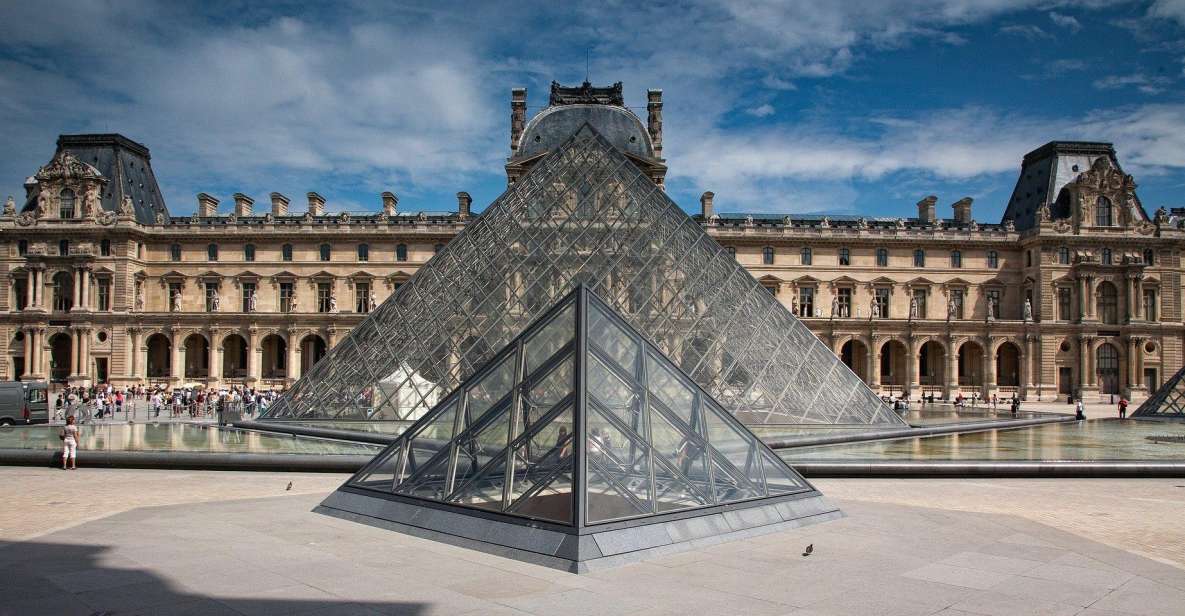
The biggest friction at the Louvre is often the first step: getting in. This tour includes entrance tickets to the Louvre’s permanent collection and adds skip-the-line entry via a separate entrance. That doesn’t just save minutes. It helps you start calmer, with less stress. Calmer usually means you pay more attention.
Meeting point can vary based on the option you book, so plan to arrive a little early. Bring a passport or ID card, since you’ll need it. Also keep it light: luggage and large bags are not allowed (oversize luggage too). If you’re traveling with a bigger bag, figure out how to store it before your tour so you don’t get stuck at the security step.
One small detail that matters: the tour is designed for a maximum of 6 people. That size makes it realistic to ask questions and get the guide to adjust the pace—something that’s harder in bigger groups.
Mona Lisa: seeing the real thing without getting trapped by the crowd
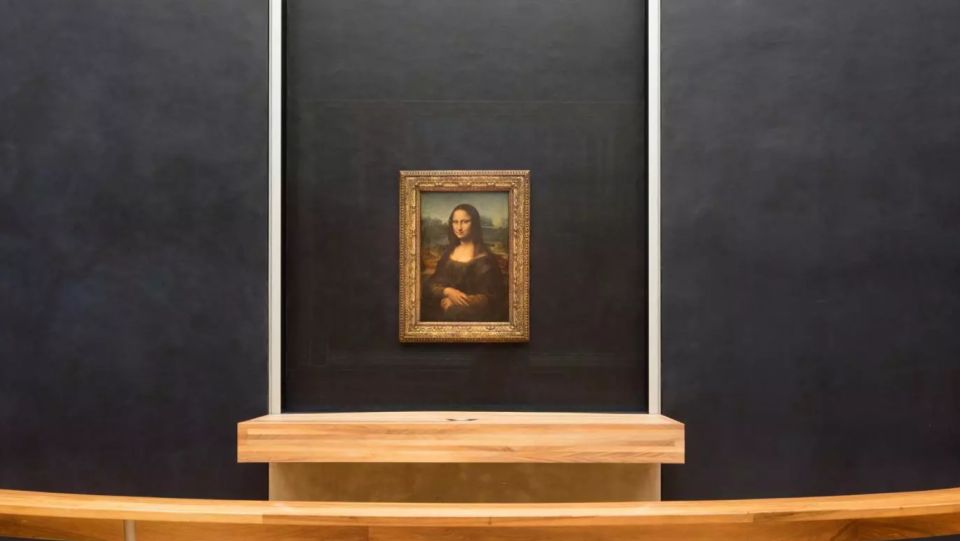
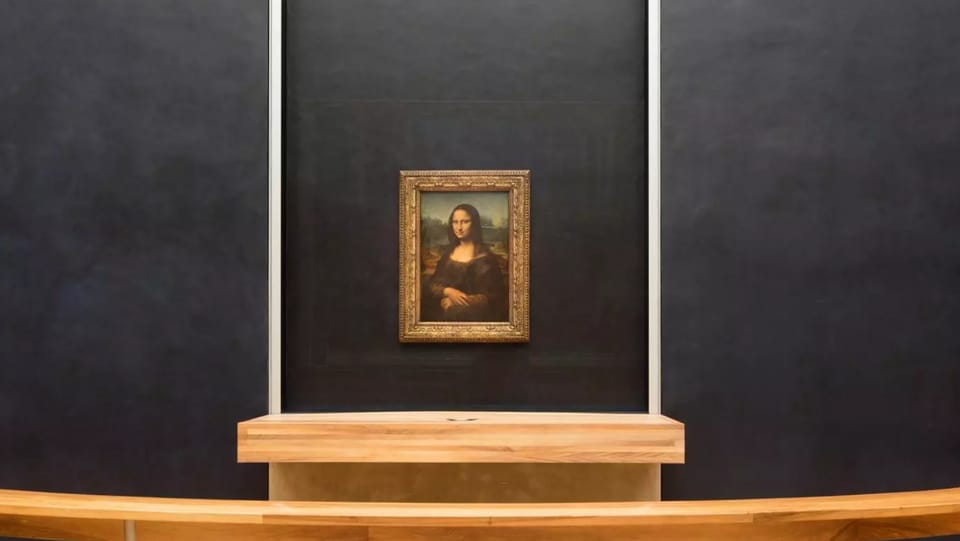
Yes, the Mona Lisa is famous. But the bigger value here is how you see it. In a museum like the Louvre, the Mona Lisa can turn into a “stand, stare, snap, leave” stop. With a guided approach, you can slow down just enough to notice what you’d otherwise miss.
Expect your guide to give context that goes beyond the usual headline. You’ll learn the story around the painting and what to pay attention to in the image—details that make the portrait feel less like an icon and more like a work with choices and intention.
Also, with a private format, you can time the stop better. Even when the museum is crowded, the guide’s job is to help you experience the piece rather than just survive the queue around it.
Venus de Milo: why classical sculpture still hits hard
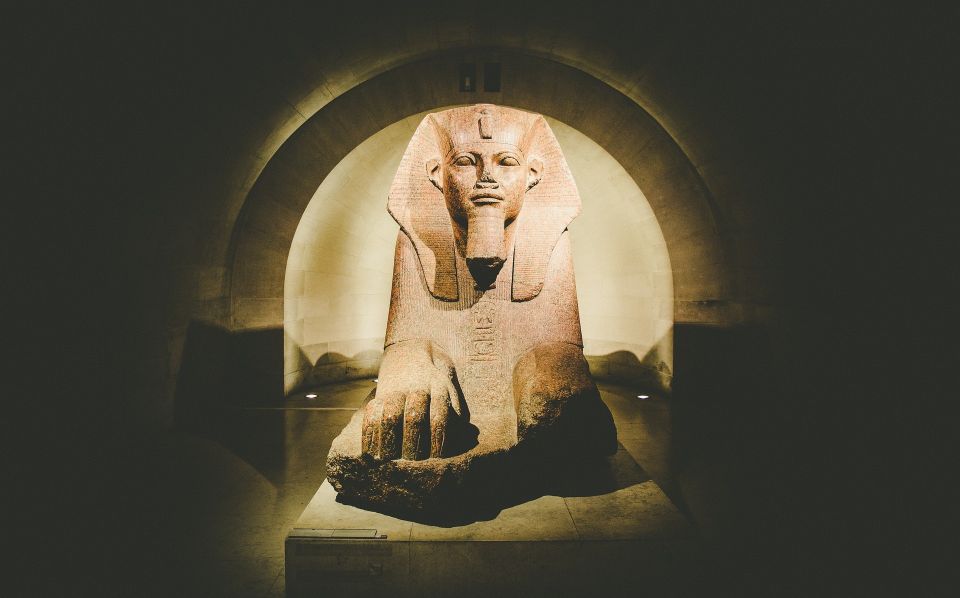
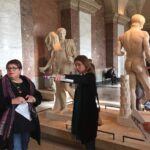
Venus de Milo is one of those artworks where your first reaction is usually visual and your second reaction is intellectual. From a distance, it’s instantly recognizable. Up close, it becomes about balance, proportion, posture, and expression—especially when you consider what’s missing and what survives.
A good guide helps you look at sculpture like you’re reading it. You’ll move your gaze around the figure and understand why certain angles change what you think you see. That’s where the tour’s “highlight” approach works. Two hours is short, so you need stops that are worth your time, and this one is.
If you like myth and the ancient world, you’ll probably feel like the guide is giving you a map for what to notice. If you’re more modern-art minded, this can still be rewarding because the guide can frame it in plain terms.
Winged Victory of Samothrace: the drama you can actually feel
Winged Victory is pure movement in stone. Even though it’s an ancient sculpture, it looks like it’s mid-action—like the air itself is doing the work.
This is where a guide’s explanations can change your experience. Instead of only admiring the fame, you learn to understand the composition and the sense of motion. You’ll likely notice how the sculpture interacts with the way you stand and how the details reward you as you angle your body.
It’s also one of those works that can be misunderstood if you only see it as a photo. In person, the scale and the effect are different, and a focused tour helps you meet it on its own terms.






The Hundred Years’ War to the French Revolution: art as a timeline
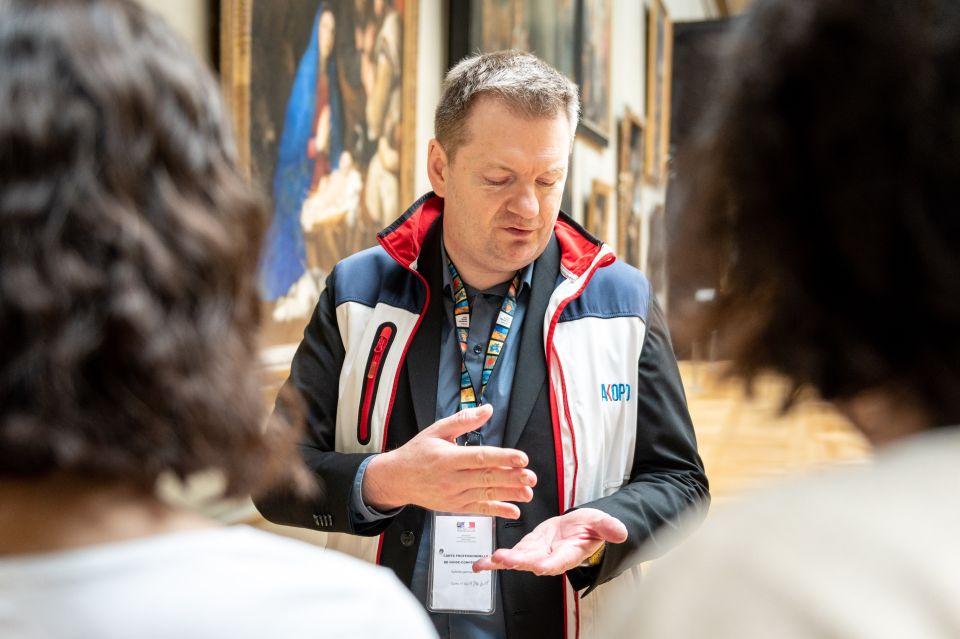
Here’s what makes this tour more than a quick greatest-hits run: the guide ties the Louvre’s collection to historical change. You’re told the site’s story moving through major eras, including the Hundred Years’ War and up to the French Revolution.
That kind of context matters because the Louvre isn’t just a box holding artworks. It’s a place shaped by power, taste, and changing ideas about what deserves to be preserved. When you hear the history as you look at art, it stops being background noise and starts acting like a lens.
I find this especially useful if it’s your first time at the Louvre. You don’t need to memorize dates. You just need a sense of why certain collections and artworks exist in this particular museum, at this particular time.
The ancient abbey stop: a time-travel moment (without going underground forever)
One highlight that stands out in the tour description is the visit to the ancient abbey. That stop matters because it interrupts the typical museum flow.
Instead of only standing before paintings and sculpture, you get a chance to connect the Louvre to earlier layers of the place—long before the museum was a museum. It’s the kind of detour that refreshes your attention and makes the building feel alive, not just impressive.
If you’ve ever felt like big museums turn into one long blur, this kind of moment is a reset button. It also makes the tour feel more “about the place” instead of only about objects.
How the 2-hour plan stays tight (and where it can feel tight)
Two hours is a very specific promise. It’s enough time to see major works with real guidance. It’s also not enough to do everything.
So here’s what to expect in real terms: you’ll probably cover the anchor pieces and a handful of related connections, but you won’t have time for long “I’ll just browse until I’m bored” detours. That’s not a flaw. It’s the whole point of paying for a tour at this pace.
One practical consideration: because the Louvre is crowded, your “time on site” can feel shorter than the clock says. The reserved entry helps at the start. Inside, you’ll still be sharing space. That’s why the guide’s routing and pacing are so important.
Price and value: is $335 per person worth it?
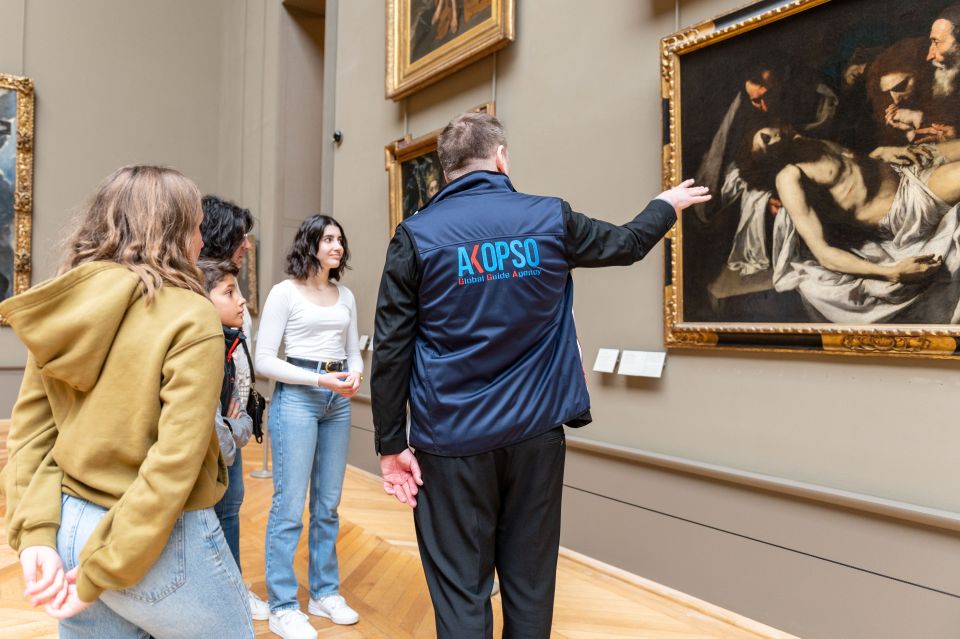
Let’s talk money like adults. This tour is listed at $335 per person for a 2-hour private guided experience with reserved entry. Entrance tickets to the permanent collection are included in the total, priced at €28 per adult.
So you’re not just buying a guide talking in a general way. You’re buying:
- Skip-the-line access and reserved entry help
- A private format with a maximum group size of 6
- A licensed guide and a route built around the Louvre’s top works
- Focused historical context, plus the abbey stop
Is it expensive? Yes. But it can be good value if:
- You don’t have unlimited time in Paris
- You want the Louvre highlights with meaning, not just photos
- You’re traveling as a small group and want control of pacing
- You’d otherwise spend time researching where to go and how to avoid bottlenecks
It’s less worth it if you’re the kind of traveler who enjoys wandering room-to-room with no plan and no guidance. In that case, an audio guide plus extra hours might suit you better.
Who this Louvre private tour suits best
This experience fits best when you want structure. It’s especially good for you if:
- It’s your first visit and you want the Mona Lisa and the “big three” sculpture moments without guesswork
- You like art that comes with context, not just labels
- You prefer a small group environment where you can ask questions and keep moving
- Your schedule is tight and you need a high-impact plan
One important suitability note: the tour is not suitable for children under 15. That matters for families. If you’re traveling with younger kids, you’ll need a different option.
Also, since the tour runs in many languages, it’s a strong pick if you want the explanations in your strongest language rather than relying on translation apps.
What to bring (and what to leave home) so the tour stays smooth
Quick checklist:
- Bring your passport or ID card
- Wear comfortable shoes (you’ll move through the museum)
- Keep your bag small—luggage and large bags aren’t allowed
- If you want an audio option, note that an audio phone isn’t included and costs extra
If you’re the type who likes to “arrive overprepared,” great. Just don’t bring the big-bag version of that mindset. The Louvre security setup can turn a normal delay into a tour-ending problem.
A few final thoughts before you book
This is a smart option when you want the Louvre’s famous works with a guide who keeps your visit organized and meaningful. The strongest part is the combination of reserved entry + private pacing + key masterpieces + historical storytelling, including the ancient abbey moment.
The one thing to keep in mind is the expectation level: you’ll get highlights and context, not a full museum sweep. If you’re okay with that, you’ll likely leave feeling like you truly understood what you saw.
Should you book this Louvre masterpieces private tour?
I’d book it if you want a low-stress Louvre visit in two hours, especially if it’s your first time or you don’t want to spend your Paris time on museum logistics.
Skip it if you have the time and energy to wander on your own and you’re happy piecing together your own route. Also pass if you’re traveling with someone who needs a kid-friendly format, since the tour is not suitable for children under 15.
If you’re a planner and you like your art with stories attached, this tour is a good bet.
FAQ
How long is the Louvre Masterpieces private tour?
It lasts 2 hours.
What’s included in the price?
You get a private tour with a licensed guide and an entrance ticket to the Louvre’s permanent collection (€28 per adult).
Do I need to buy a ticket in advance, and is the entry reserved?
The tour includes the entrance ticket, and it offers skip-the-line entry through a separate entrance.
How many people can be in the private group?
The maximum group size is 6 persons. If you’re more than 6, you need a second, additional booking.
Is the tour offered in multiple languages?
Yes. It’s available in English, French, Spanish, German, Italian, Portuguese, Russian, Chinese, and Japanese.
Is it suitable for young children?
No. It’s not suitable for children under 15.