REVIEW · PARIS
Paris: French Wine Experience in Parisian Cellar
Book on GetYourGuide →Operated by Les Caves du Louvre · Bookable on GetYourGuide
Wine cellars can surprise you.
This Paris wine experience works because you get both the story and the sensory payoff, all in the Caves du Louvre, once used by the King of France. I especially like the smart setup: an audio guide that follows your route in 8 languages while you explore striking 18th-century cellars.
What I like most is the pacing. You walk through how wine goes from grape to bottle, then you finish with a guided tasting of 3 wines with the sommelier. One thing to consider: this is a food-light experience, since food isn’t included, so you’ll want to plan a meal separately.
If you’re hoping for a relaxing, headphone-free stroll, bring your own—headphones are listed as not included. Also make sure your smartphone is charged, since you’ll use QR codes for the audio.
In This Review
- Key things I’d plan around
- Entering the 18th-Century Caves du Louvre
- Your smartphone audioguide in 8 languages
- From grape to bottle: what the tour explains underground
- The “different senses rooms” format you can actually use
- Tasting 3 wines with the sommelier
- Premium upgrades and adding Champagne
- Price and value: what you’re really paying for at $34
- Practical tips for a smooth visit
- Who this wine cellar tour suits best
- Should you book this tour?
Key things I’d plan around
- Caves du Louvre setting: 18th-century cellars connected to royal wine storage
- QR-code audio in 8 languages: pick French, English, Spanish, Italian, German, Japanese, Chinese, or Brazilian Portuguese
- Wine-making walkthrough: the process is explained as you move through the space
- Tasting included: 3 glasses of wine after the tour, guided by the sommelier
- Optional upgrades: you can add premium wines, and there’s an option to include Champagne
- Bring headphones: the tour is designed for smartphone audio, not live narration headset-by-headset
Entering the 18th-Century Caves du Louvre
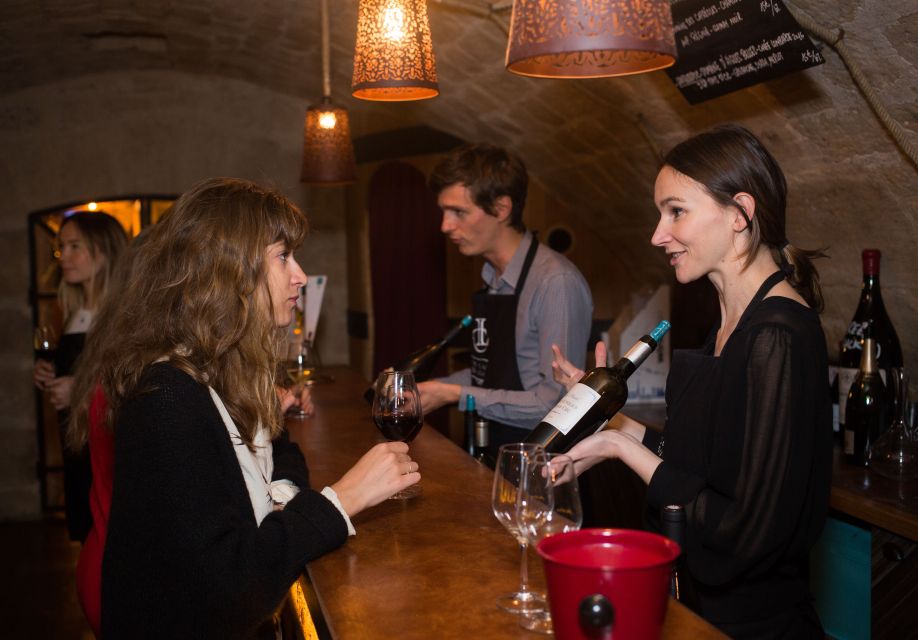
The first win here is the location. The tour takes place in the Caves du Louvre, in cellar spaces built in the 18th century and tied to royal use. Going underground changes the feel fast: the temperature, the stone, the dim scale. It’s a practical way to understand why wine storage mattered historically.
You’re not just staring at old rooms. The experience is built around movement through the cellar, with a guided audio track that matches where you are. That matters because wine is a process, not a single moment.
Also, this tour is listed as a morning tour. If you like the idea of starting the day with something grounded and structured, this schedule style usually helps—before Paris gets fully loud and crowded, you’re already in your wine-slow mode.
You can also read our reviews of more wine tours in Paris



Your smartphone audioguide in 8 languages
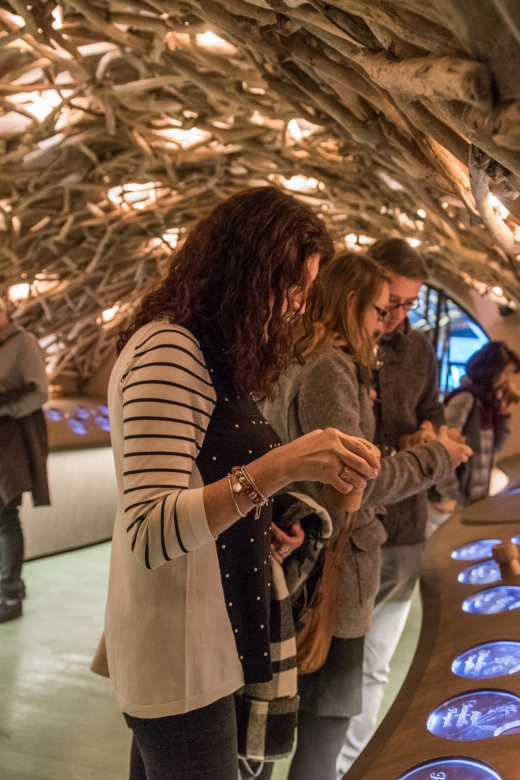
This is one of the cleanest parts of the experience. You’ll use an audio guide accessible via QR codes on your smartphone, and it supports 8 languages: French, English, Spanish, Italian, German, Japanese, Chinese, and Brazilian Portuguese.
Why I think this works: you control the pace. Instead of being locked into a group’s speaking speed, you can listen for a moment, pause, and move forward when you’re ready. With wine history and production steps, that flexibility makes a difference.
There’s also free Wi-Fi on premises, which helps if your phone needs to load the audio content. And since headphones are not included, plan to bring them so you’re not competing with the sounds of your own group.
If you hate fiddly tech while traveling, here’s the tip: charge your phone fully the night before, and keep your brightness low. You want your battery to last through both the walk and the tasting lead-in.
From grape to bottle: what the tour explains underground
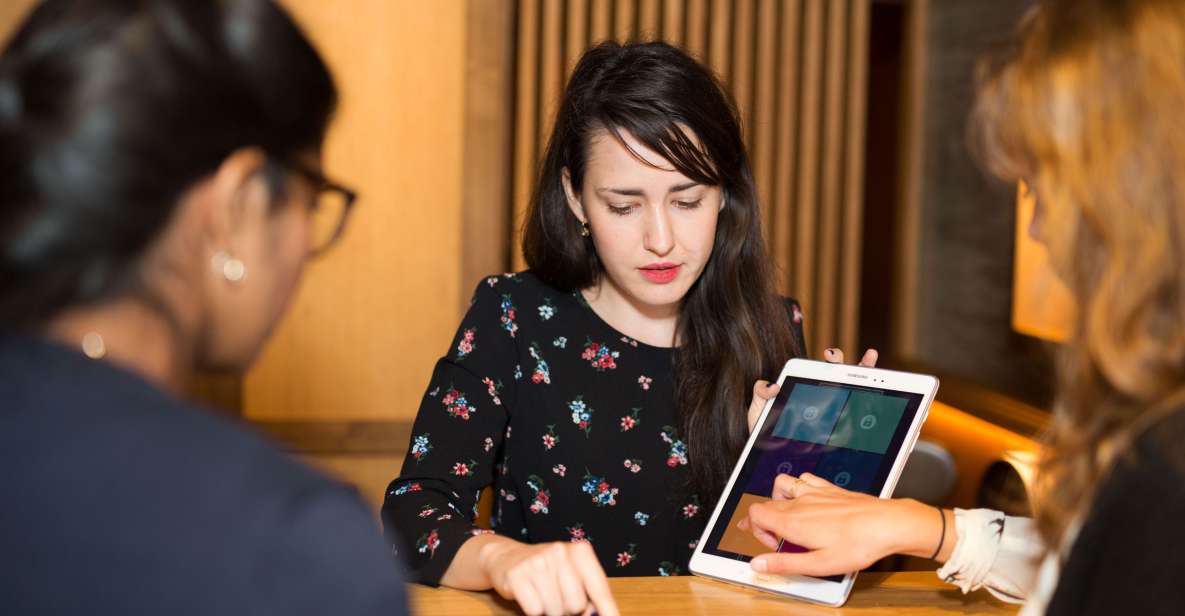
The core of the experience is the wine-making journey. As you move through the cellars, the audio guide explains the steps from the grape to the bottle. That structure is valuable because it gives your tasting context. Without it, wine can feel like a random set of tastes and labels. With it, you start noticing what those labels are trying to communicate.
Because the setting is historic, the production story doesn’t feel abstract. The cellar environment supports the theme: wine needs careful handling, stable conditions, and timing. Even if you already know the basics, you’ll likely pick up new connections between what you’re seeing and what happens to the wine.
You’ll also get fun facts through the audioguide format. The goal isn’t to turn you into a winemaker—it’s to help you understand why wine culture in France is so serious. And once you get that, the tasting part makes a lot more sense.
The “different senses rooms” format you can actually use
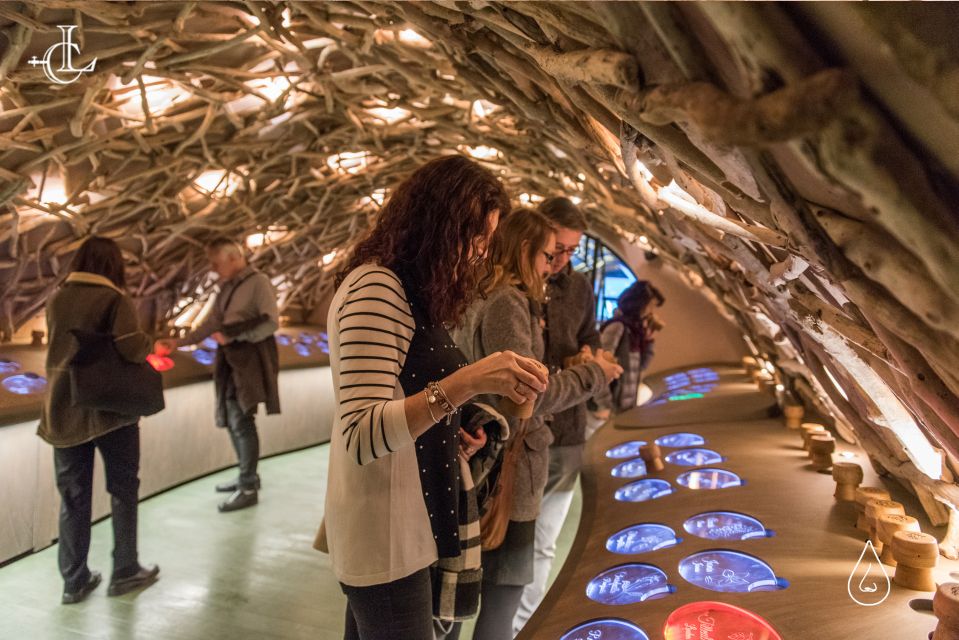
One of the most praised parts is how the tour teaches through your senses. The experience includes different rooms focused on that idea, so you’re not only listening. You’re paying attention in a more guided way—what you smell, what you notice visually, and how you connect it to the final product.
I like this approach because it turns wine into something you do, not something you only hear about. Wine is famously easy to overcomplicate when people talk in big generalities. A senses-driven setup pulls you back into the practical reality: you’re tasting with your own nose and palate, and the guide helps you interpret what you’re getting.
This format also makes the route feel less like a museum loop. You’re collecting impressions in sequence, and you can feel the transition from learning to tasting.
Tasting 3 wines with the sommelier
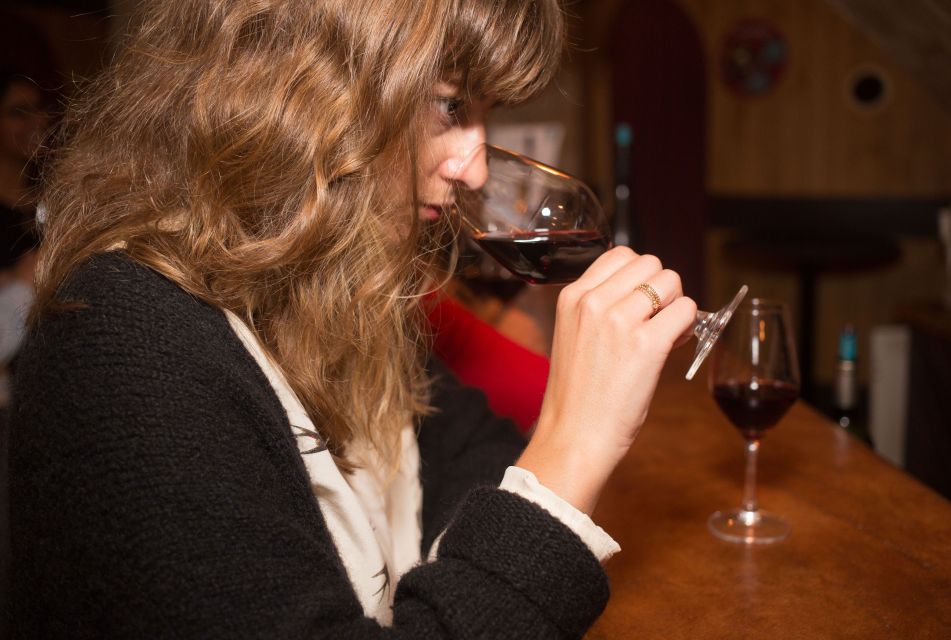
After the cellar tour, the experience shifts to the part most people come for: the tasting. You’ll have 3 glasses of wine, and it’s led with the sommelier of Les Caves du Louvre.
The value here is that you don’t taste in total isolation. A sommelier-led tasting tends to translate “what you’re drinking” into “what it means,” and that can quickly upgrade a casual sip into a memorable comparison. You’ll also likely be able to ask questions, even if you just use them to confirm what you’re noticing.
A quick practical note: you’re drinking three glasses, so pace yourself. Take a few moments between pours, and don’t rush to the next taste. If you’re driving later, plan ahead. And if you’re hoping to hop immediately to lunch afterward, keep in mind food is not included here.
If you’re upgrading, do it with the tasting in mind. I’d treat the upgrade as part of the same arc—learn what changes in the process, then compare how that shows up in the glass.




Premium upgrades and adding Champagne
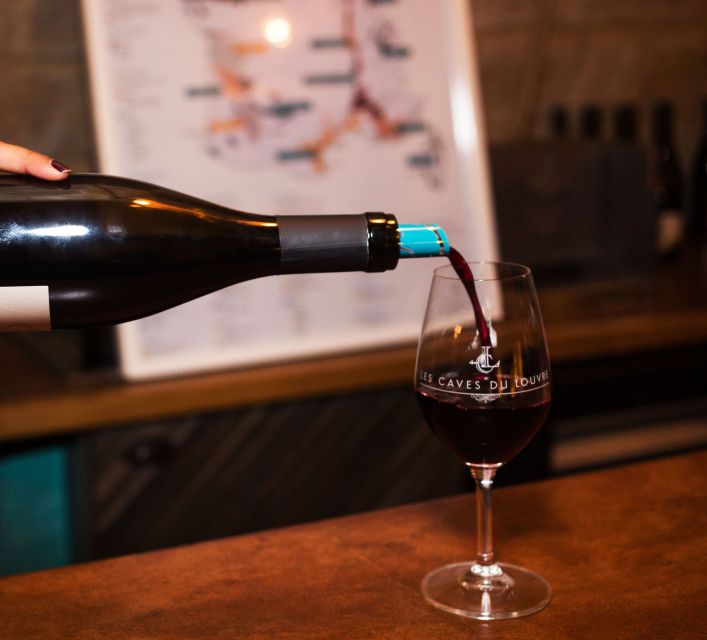
There’s an upgrade option if you want something beyond the classic selection. The experience notes you can upgrade to premium wines, and you can also add a glass of Champagne.
This is worth considering if you enjoy French wine enough that three glasses might feel like a warm-up. Premium pours can be a nice way to taste a higher tier without turning your day into an all-day winery circuit.
That said, it’s not required. If you’re new to wine tasting, the included trio is designed to get you started with enough variety to learn how tasting works. Save your upgrade decision for when you can feel what style you’re enjoying during the tasting portion itself.
Price and value: what you’re really paying for at $34
At $34 per person for a 1-day, morning-format experience, you’re buying three main things: access to the Caves du Louvre, a structured audio-guided education, and a guided tasting of 3 glasses.
Many wine experiences in Paris either focus on history only (lots of walking, little payoff) or focus on drinking only (lots of bottles, not much context). This one tries to do both in a single morning, which is where the value comes from.
Also, the multi-language audio guide is a cost-saver for non-French speakers. You’re not relying on a live translation system to get the full story. For many visitors, that alone makes the experience feel like more than just a ticket.
The one value trade-off is the lack of included food. Since food isn’t part of the package, you may spend a bit extra to eat before or after. For a fair comparison, think of this as a tasting-focused morning slot, not a full meal-and-wine day.
Practical tips for a smooth visit
This tour is simple, but small things can make it smoother.
- Bring headphones: they’re explicitly listed as not included, and you’ll need them for the QR audio route.
- Charge your smartphone: the QR-code audio system depends on your device.
- Use the on-site Wi-Fi: it’s available if you need it for access.
- Plan food separately: the tour doesn’t include food, so don’t assume you’ll be fed.
- Check available starting times: it’s valid for 1 day with different start options depending on availability.
If you’re tempted to travel super light, remember that headphones add zero charm but high comfort. And if you tend to multitask while walking, keep your phone handling minimal. Focus on the rooms, then press play when you’re ready.
Who this wine cellar tour suits best
This experience is a strong match if you want a structured start to your Paris wine day without overcommitting to a long excursion. The 18th-century setting feels special even if you’re not a full-time history nut, and the process-to-taste approach helps beginners.
It’s also a good fit for mixed-language groups. Since the audio guide supports multiple languages, you’re less dependent on one shared language for the full experience.
If you dislike tastings or don’t drink alcohol, you might feel it’s not worth the time, since the tasting is a core included part. And if you want a meal and a formal sit-down afterward, you’ll need to plan that on your own because food isn’t included.
Should you book this tour?
Book it if you like the idea of learning how wine is made while standing in a real cellar setting, then tasting the results with a sommelier. The big strengths are the Caves du Louvre location, the 8-language QR audio guide, and the included 3-glass tasting that turns theory into something you can actually taste.
Skip it or rethink your plan if you need food included, don’t want to bring headphones, or you’re looking for something longer and more in-depth than a one-day, morning-focused format.
If you’re planning just one wine experience in Paris and want it to feel both authentic and practical, this is a solid choice.