REVIEW · PARIS
Paris: French Wine and Cheese Guided Tasting
Book on GetYourGuide →Operated by L’Oeno’Vice · Bookable on GetYourGuide
Wine and cheese lessons in Paris stay fun. At L’OenoVice, Simon runs a 2-hour guided tasting that trains your eyes, nose, and palate, with perfume samples to make wine aromas easier to recognize.
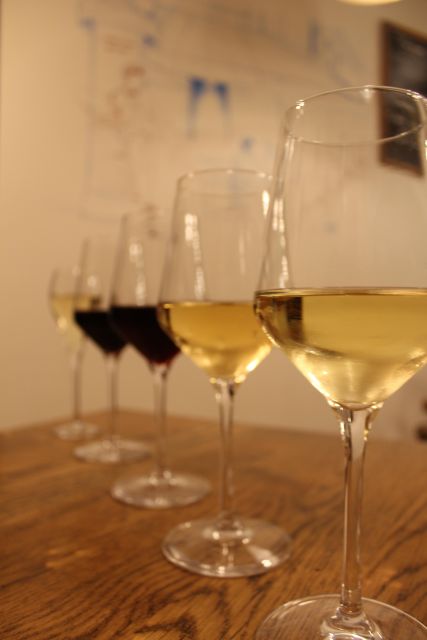
I love that you taste 2 whites, 2 reds, and a final Champagne glass, and each one comes with a different cheese. I also like that the whole class uses a simple rhythm—look, smell, then taste—so you’re not guessing what you’re supposed to notice.
One consideration: it’s a structured session with a clear stop time. If you’re hoping for an open-ended hang after the class, you may need to plan to stay on your own.
In This Review
- Quick highlights
- Meeting Simon at L’OenoVice: why this bar-style class works
- The tasting flow: 2 whites, 2 reds, then Champagne with cheese
- Look, smell, taste: the perfume sample trick that changes everything
- Cheese pairings that teach more than just rules
- French wine regions explained through climate and grapes
- Choosing wine in Paris after the tasting
- Price and value: what $70 gets you in real tasting time
- Who should book this Paris wine and cheese tasting (and who should skip)
- Should you book this Paris French Wine and Cheese Guided Tasting?
- FAQ
- How long is the Paris French wine and cheese guided tasting?
- What wines are included in the tasting?
- How many cheeses do you taste?
- Where do I meet for the tour?
- What group size is it?
- What languages are the guides?
- Is the tour wheelchair accessible?
- Who is it not suitable for?
Quick highlights
- Simon’s New Year spéciale adds extra Champagne and extra wine
- 2-hour small group (limited to 8) keeps the Q&A practical
- Look–smell–taste method turns wine tasting into a repeatable skill
- Perfume sample aroma tests help you name what’s in the glass
- 5 cheese pairings are matched to each wine step-by-step
- Pairing guidance for restaurants helps you choose your next bottle with confidence
Meeting Simon at L’OenoVice: why this bar-style class works

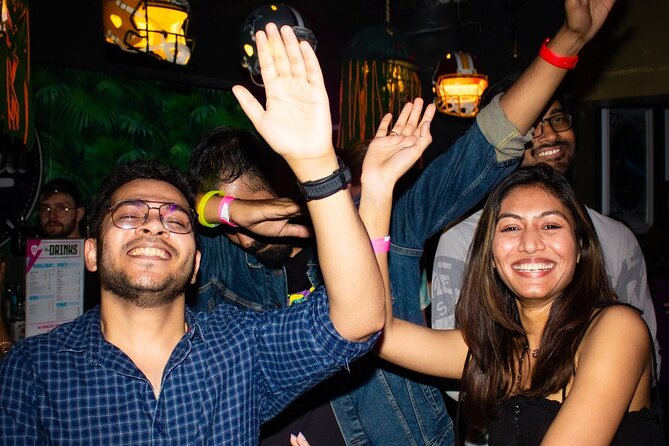
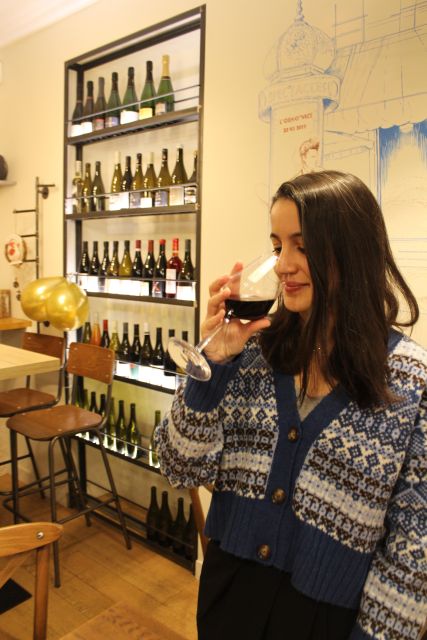
This tasting doesn’t feel like a stuffy lecture. You meet at L’OenoVice, a real wine bar setting, which matters because the focus stays on tasting and conversation, not slides and silence. With a small group (up to 8), Simon can adjust the pace when someone asks a question mid-glass.
What I like most is the tone. The session is relaxed, interactive, and a bit playful, including smell-spotting moments that make it okay to be a beginner. You don’t need to know wine terms to participate—you just follow the steps and pay attention.
Language is another practical point. The tour runs in English and French, which helps if your group includes different comfort levels. And since it’s wheelchair accessible, it’s set up for real movement around a bar space rather than awkward, single-file formats.
You can also read our reviews of more food & drink experiences in Paris

The tasting flow: 2 whites, 2 reds, then Champagne with cheese
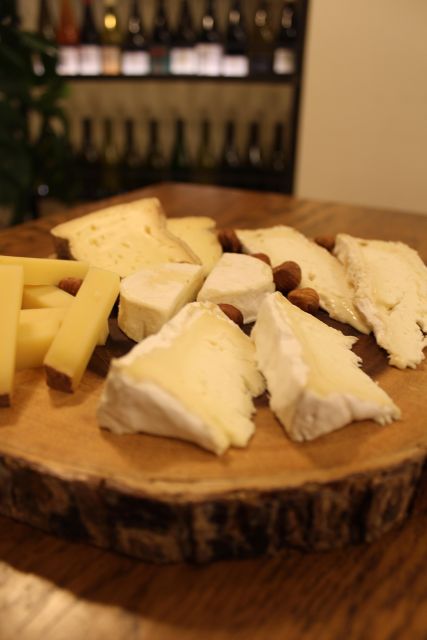
The tasting is built around a clear order, and that’s one reason it’s so effective. You start with an intro to how wine works—then you move straight into the tasting process.
Here’s what the glass-to-cheese rhythm looks like:
- You’ll sample 2 white wines
- then 2 red wines
- and finish with 1 glass of Champagne
With each wine, you also get a paired cheese. That pairing isn’t random. Simon explains what you should notice as the wine meets the cheese—how flavors can line up, or how they can clash in a useful way.
A couple of details make this feel like more than “samples for sale.” The session includes cheese tasting of 5 kinds, and you’re not rushed through them. You also get bread and water as part of the tasting setup (helpful for resetting your palate between pours).
Also note the tone of the experience on special occasions. The description includes a NEW YEAR SPÉCIAL option that means more Champagne and more wine. If your trip lines up with that window, it’s worth checking because it changes the tasting feel from solid to extra celebratory.
Look, smell, taste: the perfume sample trick that changes everything
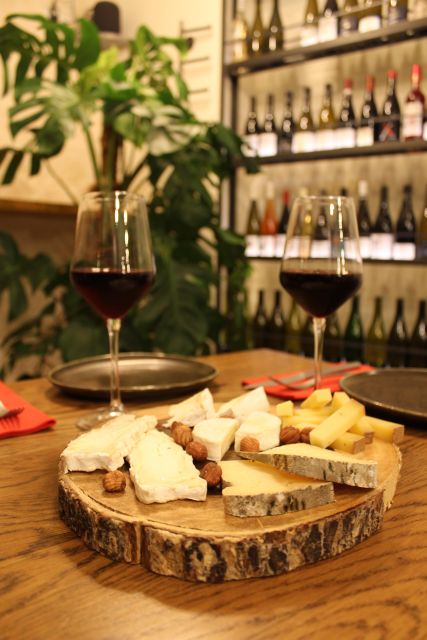
Wine tasting often fails in one way: people swallow too fast and then guess what they “should” be tasting. This class fixes that with a structured sensory ladder.
First you look at the wine—color and clarity. Then you smell it. Then you taste. That order sounds basic, but it matters because your brain is better at describing flavors once you’ve trained your attention.
The standout element is the perfume samples. For each wine, you compare the aroma you’re noticing to a specific perfume scent. It’s a clever shortcut. Instead of only saying things like fruity or floral, you start associating smells with specific notes you can recognize outside of wine.
You’ll also get guided prompts along the way. The experience includes moments that feel like aroma quizzes, which keeps the tasting active rather than passive. If you’ve ever thought wine tasting is just pretending, this part helps you prove to yourself that aromas are real signals—your nose just needs practice.
And the practical payoff is huge: once you can smell patterns, you can walk into a Paris wine bar later and make choices that fit what you actually enjoy.
Cheese pairings that teach more than just rules
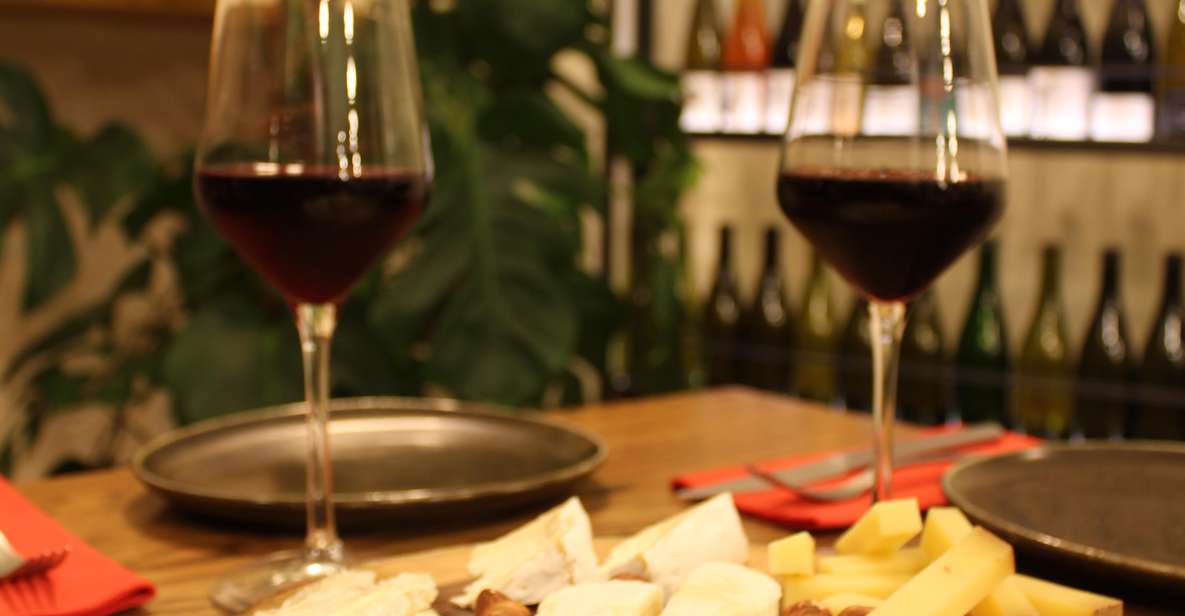
The cheese isn’t there as background. It’s the second half of the education.
You’ll try 5 kinds of cheese, and each wine is paired with a different one. Simon explains the logic behind the pairing as you go—so you don’t just learn which combination tastes good. You learn why the combination works.
Here’s the value for you: pairing wine with cheese is one of the fastest ways to understand balance. Cheese brings salt, fat, texture, and sometimes a strong aroma of its own. Wine brings acidity, sweetness (or the impression of it), tannins, and alcohol heat. When they match well, you taste a kind of “conversation” between them.
When they don’t match, that’s still useful. Bad pairings teach you what your palate prefers. And in a guided format, you don’t waste the moment guessing—Simon steers you toward the lesson.
I also like the pacing. Because the tasting is structured into separate wines and separate cheeses, your palate gets repeated chances to reset. That makes it easier to connect what you’re tasting to what you were told to notice five minutes earlier.
French wine regions explained through climate and grapes
Wine geography can sound complicated until someone connects the dots. This experience does that in plain language.
Simon covers how French wine is shaped by:
- wine regions
- climate
- grape type
- and the way location affects taste
The practical idea is simple: you’re not learning a trivia list. You’re learning a cause-and-effect map. If you know a region tends to be cooler or warmer, you can expect certain flavor patterns. If you understand what a grape tends to bring, you can predict how it might behave with food.
This also helps with ordering later. Instead of relying on labels and guesses, you’ll have a framework for what to ask a bartender or what to look for in a menu.
And since the experience is bilingual (English/French), the explanations can land clearly no matter your wine confidence level. The class is built for people who are starting from scratch as well as those who want better tools.
You can also read our reviews of more guided tours in Paris
Choosing wine in Paris after the tasting
The goal isn’t to make you recite grape names like a quiz show. It’s to help you order better wine without second-guessing yourself.
By the end, you should be able to:
- recognize aromas more confidently (thanks to the smell training)
- connect acidity, sweetness, and tannins to the way a wine tastes
- use pairing logic to pick cheeses and wines that make sense with a meal
That last part is where you win in day-to-day Paris life. You’ll likely eat in wine-friendly places—bistros, cafés, and small restaurants—and menus can be overwhelming. This tasting gives you a method, so you’re not stuck picking only based on price or label style.
You’ll also get tips aimed at how to enjoy wine properly. That sounds obvious, but small habits—how you smell before tasting, how you pace sips, when to cleanse your palate—can change the whole experience. After 2 hours of practice, your instincts improve fast.
If you buy wine or cheese to take home, it’s usually because the class made you more specific about what you like. One of the nice side effects is that you can turn your favorites into repeatable choices, even when you’re shopping in a grocery store later.
Price and value: what $70 gets you in real tasting time
At $70 per person for 2 hours, the value depends on what you want from the experience. If you want a casual sip, you might feel it’s pricey. If you want a guided tasting that teaches you how to taste and pair, it pencils out well.
Why it works:
- You get five wine pours total: 2 whites, 2 reds, and 1 Champagne
- You get five cheese tastings matched to those wines
- You get an active guide who explains how wine and food connect
- You get the sensory training (the perfume sample comparisons) that you can’t get from a generic bar sampler
Also, a small group matters here. When there are only up to 8 people, you don’t disappear into the background. Questions get answered in context, and the pacing doesn’t turn into a one-size-fits-all routine.
One more practical value point: the tasting can make restaurant wine buying faster. If you enjoy going out for dinner (and you will in Paris), learning what you like in one evening can save you from a few disappointing pours later.
Just be honest about alcohol. You will taste multiple wines and finish with Champagne. Plan for a calm evening afterward, especially if you’re scheduling a big walking plan right after.
Who should book this Paris wine and cheese tasting (and who should skip)
This is a strong pick if you:
- like cheese but want better wine pairing instincts
- are new to wine and want a simple step-by-step method
- want a small-group activity that feels social, not scripted
- enjoy hands-on learning (smell tests and pairing explanations)
It’s also a good fit for people who don’t love heavy wine talk. The session uses a practical approach. You’re guided to notice what’s in front of you, not forced into a wine vocabulary test.
Who should skip? The activity isn’t suitable for:
- children under 18
- pregnant women
If either applies, it’s better to look for a different Paris food experience that fits your needs.
Should you book this Paris French Wine and Cheese Guided Tasting?
I’d book it if you want a fun, structured way to learn wine tasting skills in a real Paris wine bar. The combination of cheese pairings, the look–smell–taste routine, and the perfume aroma comparisons is what makes this more useful than a standard drink-and-walk experience.
Book it especially if you plan to eat in restaurants soon after. You’ll leave with pairing logic you can use the same week, not months later.
Skip it if you hate alcohol or want a long, wandering hang at the bar. This is a scheduled 2-hour class with a clear arc, so it’s best for people who like a set plan and guided practice.
FAQ
How long is the Paris French wine and cheese guided tasting?
It lasts 2 hours.
What wines are included in the tasting?
You’ll taste 2 white wines, 2 red wines, and 1 glass of Champagne.
How many cheeses do you taste?
You’ll taste 5 kinds of cheese.
Where do I meet for the tour?
Meet at L’OenoVice.
What group size is it?
It’s a small group, limited to 8 participants.
What languages are the guides?
The live guide speaks English and French.
Is the tour wheelchair accessible?
Yes, it’s wheelchair accessible.
Who is it not suitable for?
It’s not suitable for pregnant women or children under 18.