REVIEW · PARIS
Paris: French Revolution Tour Relive the 14th July 1789
Book on GetYourGuide →Operated by ParisVu · Bookable on GetYourGuide
Bastille Day starts in ordinary streets. This ParisVu French Revolution tour relives 14 July 1789 by walking the neighborhoods where the uprising felt close, not textbook-far. The route focuses on places like Le Faubourg Saint Antoine and the approach to the Bastille, so the day’s turning points land in real street-level context.
Two things I really like: you get a live guide with serious storytelling chops (Robin’s name comes up again and again), and the format invites questions and back-and-forth, not passive listening. One possible drawback: the focus is on 1789 and the events around July 14, so if you’re hoping for later threads like the Reign of Terror or Napoleon, you may want an extra tour to continue the story.
In This Review
- Key Things You’ll Notice
- Why July 14, 1789 Feels Different When You Walk It
- Meeting Up: Where You Start and Where You End
- Group Size and Guide Format That Changes the Whole Vibe
- Price and Value: What $37 Buys You in Real Terms
- Stop-by-Stop: From Faubourg Saint Antoine Toward the Bastille
- Le Faubourg Saint Antoine: The Setting for Tension
- La Folie Titon: Getting a Little Sideways
- Le passage de Lhomme: When Paris Turns Into a Secret Shortcut
- A Pause for a Viewpoint: Reset Your Bearings
- Ending at La place de la Bastille: Where the Story Lands
- Robin’s Storytelling: Why It Stays Memorable
- What the Tour Emphasizes, and What It Doesn’t
- Who This Walking Tour Best Fits
- Should You Book ParisVu’s 14 July 1789 Tour?
- FAQ
- How long is the Paris French Revolution tour?
- What does the tour cost?
- Where do I meet the guide?
- Where does the tour start?
- Where is the tour route finished?
- How big are the groups?
- What languages are available?
- Are there any additional fees?
- Can I cancel and get a full refund?
Key Things You’ll Notice
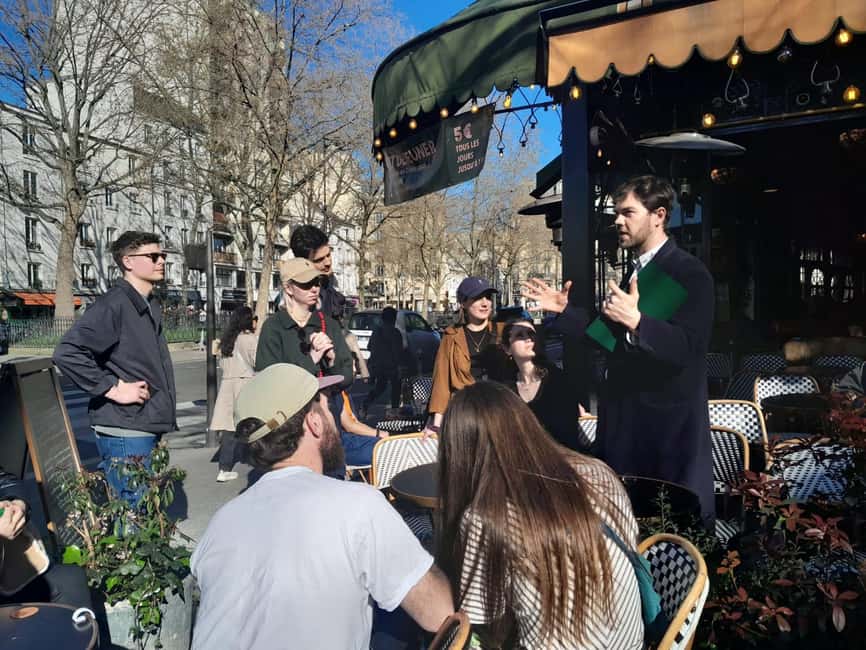
- Small group size that keeps the conversation going, not just a lecture
- Neighborhood focus on the areas tied to the revolt, not only the monument shots
- Story pauses at specific sites like Le passage de Lhomme and La place de la Bastille
- Robin’s teaching style that ties social conditions to what you’re seeing on the street
- Short photo breaks with a viewpoint stop to reset your bearings
Why July 14, 1789 Feels Different When You Walk It
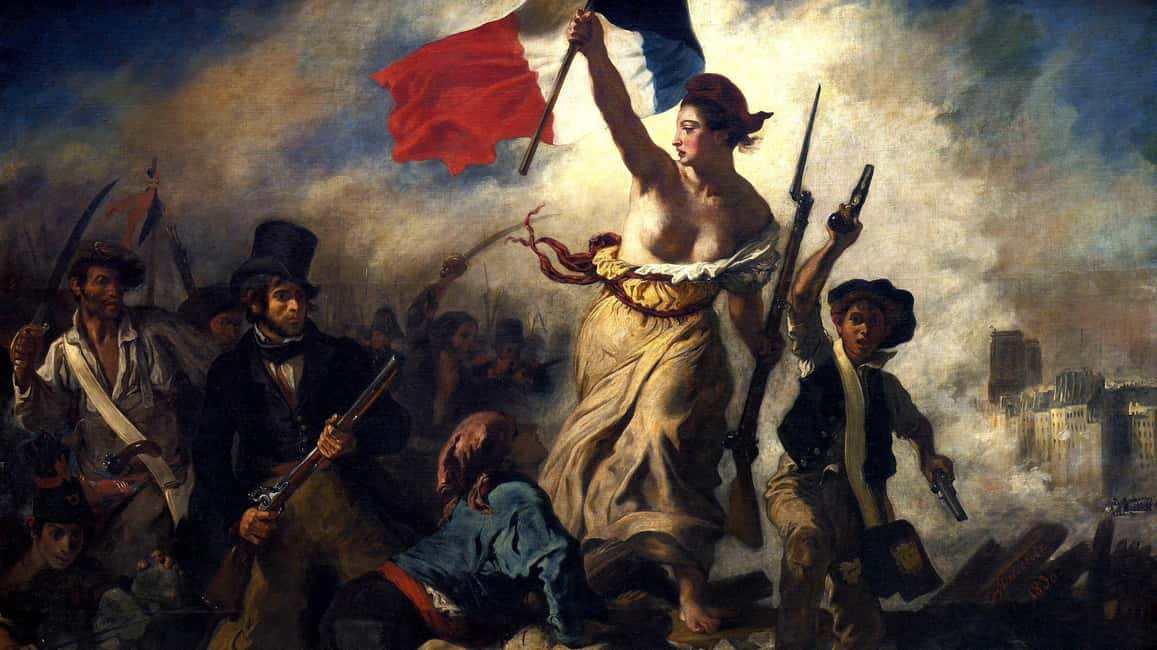
The French Revolution can sound like a chain of dates. On this tour, it starts to feel like people making hard choices in crowded streets. You’re not just looking at the aftermath. You’re tracing how pressure built, how anger found a focus, and how the day itself became a turning point for Paris.
I like that the tour’s energy matches the moment it describes: quick scenes, clear explanations, and small details that make the past feel readable. If you’ve ever visited the Bastille area but felt you were looking at a stage set, this is the opposite of that.
And since the experience is timed to about 90 minutes, you’re not stuck for half a day trying to force history into your schedule. It’s the kind of length where you can still enjoy the rest of your Paris day afterward.
You can also read our reviews of more tours and experiences in Paris.



Meeting Up: Where You Start and Where You End
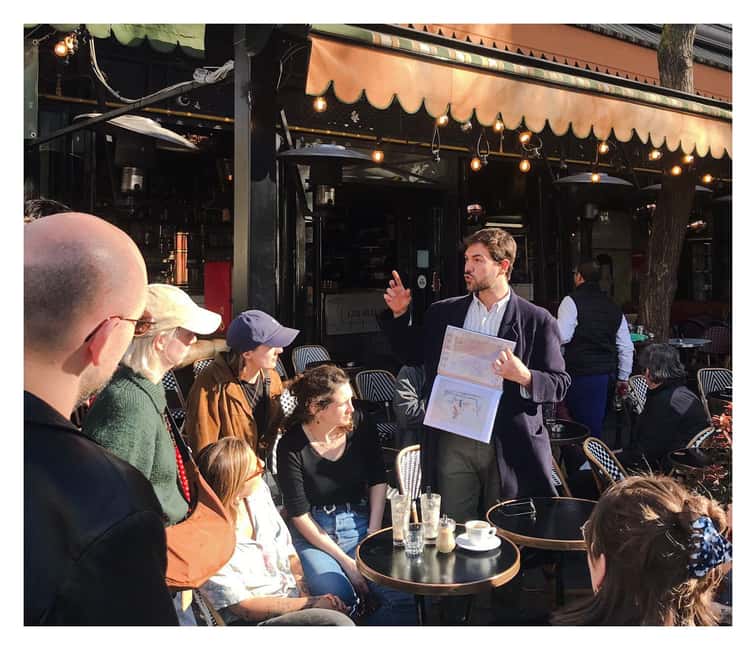
The walk starts at 1 Pl. du Dr Antoine Béclère. For an easier first step, the meeting point is listed as between Café les Blouses Blanches and Mon Café, which is a helpful detail when you’re navigating real streets instead of guessing from a map pin.
You finish at 28 Pl. de la Bastille, so you end right at the place most people associate with Bastille Day. That means you can either continue your independent exploring right away, or use the location as a clear bookend for your itinerary.
Group Size and Guide Format That Changes the Whole Vibe
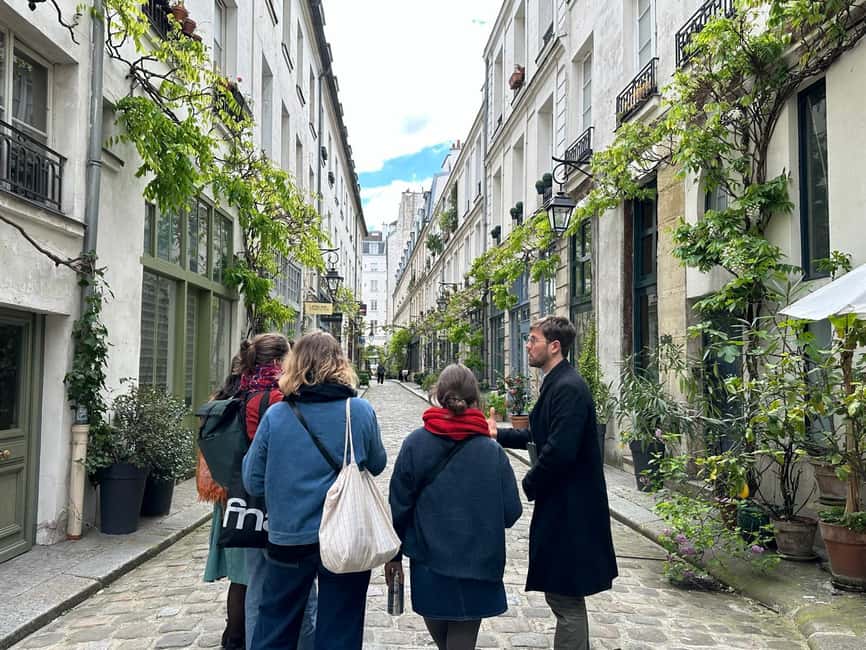
This is built for a small group experience. The tour details list a maximum of 12–15 participants, and they also note up to 10 in some information. Either way, the key point stays the same: you won’t be swallowed by a big crowd.
That matters because the guide style is described as interactive and dialogue-friendly. In the feedback, people highlight that Robin invites engagement and answers questions. One of the most practical benefits of that is context. You can ask what something means right then, while you’re standing near it.
It also means you get less “streaming narration” and more teach-me-what-I’m-seeing. That’s what makes a walking tour feel worth the time.
Price and Value: What $37 Buys You in Real Terms
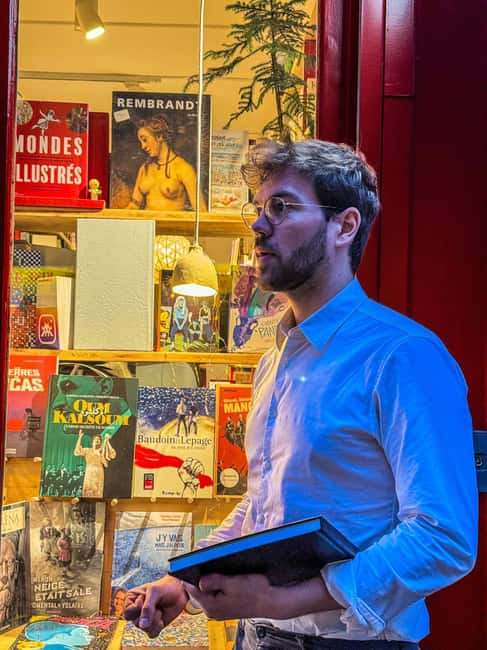
The price is $37 per person for about 90 minutes. On its face, that’s reasonable for Paris, but the better way to judge value is what you’re buying.
You’re buying three things that often cost more when done separately:
- A focused route that links Revolution events to the streets where they made sense
- A live guide available in English, French, and German
- A small-group format where questions are possible, not just allowed
Add those together and the math starts to work. If you tried to recreate this yourself with only a generic guidebook, you’d likely spend time researching and still miss the “why here” details that Robin is repeatedly praised for.
Stop-by-Stop: From Faubourg Saint Antoine Toward the Bastille
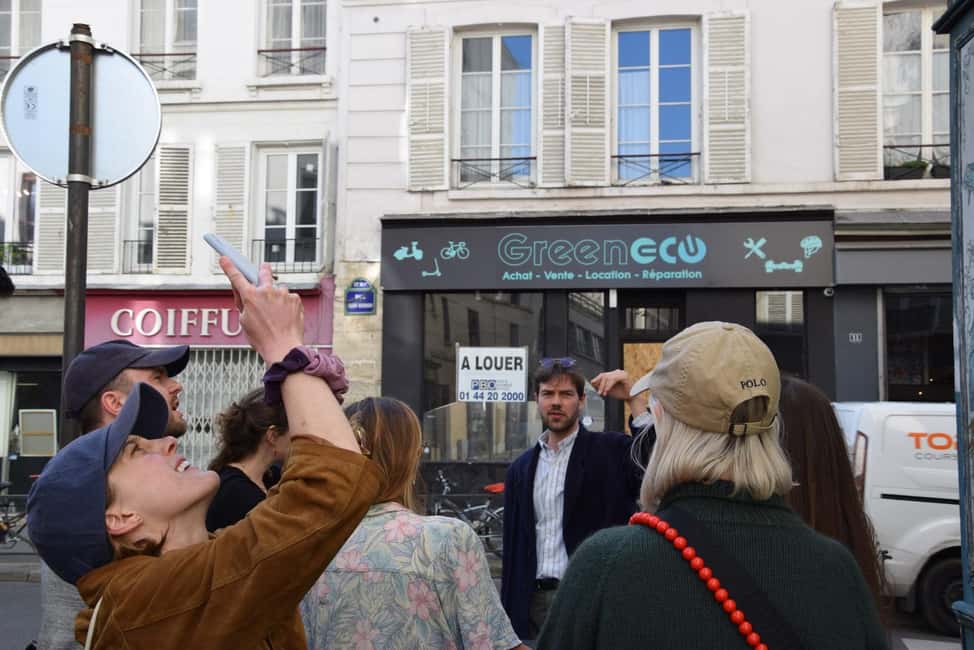
The tour’s backbone is a neighborhood approach. Instead of treating the Revolution like a single famous building, you move through the city as if it’s a social machine: where people lived, worked, and gathered mattered.




Le Faubourg Saint Antoine: The Setting for Tension
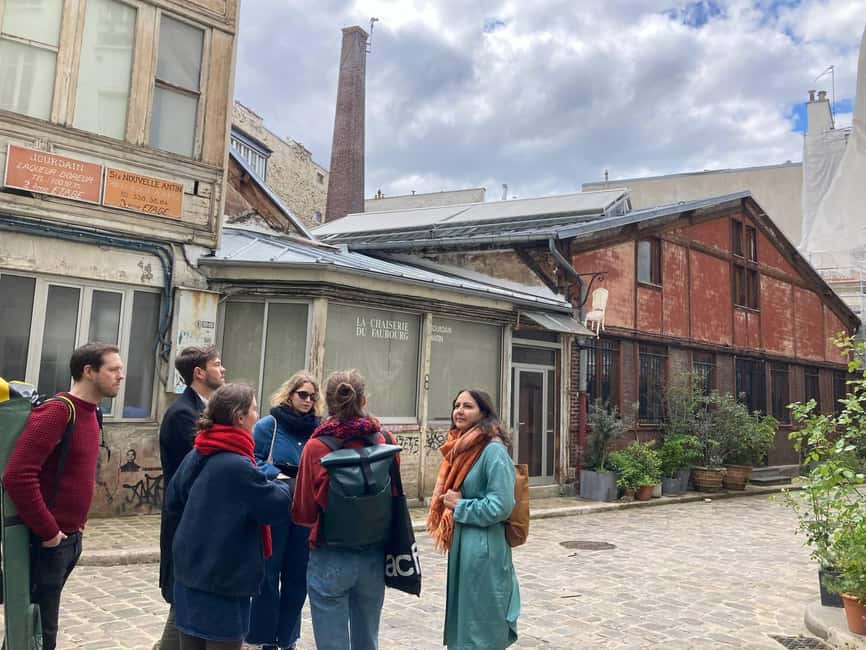
You’ll spend time around Le Faubourg Saint Antoine, a place that matters because it represents ordinary Paris life at a moment of extraordinary strain. This is where the tour earns its relevance for first-timers and history buffs alike.
I like how this approach reframes what you think you know. The storming of a fortress is dramatic, sure. But the buildup often makes the larger story easier to understand: who had the most to lose, who felt unheard, and why action didn’t come out of nowhere.
La Folie Titon: Getting a Little Sideways
The tour also includes La Folie Titon. This is the kind of stop that helps you see Paris as more than a list of grand sights. A place like this works well on a Revolution-themed walk because it nudges you away from the obvious lines and into the texture of the neighborhood.
Practically, stops like this also break up the walking monotony. You’re not just trudging from one monument to the next. Each pause adds a new angle on how the city functioned.
Le passage de Lhomme: When Paris Turns Into a Secret Shortcut
One of the named highlights is Le passage de Lhomme. Passing through a spot like this is useful for the tour’s storytelling goal. Narrow, quieter connections in cities often shape what people can do—where they go fast, where they meet, and where they don’t get noticed as easily.
You’ll get the kind of explanation that makes the architecture matter. In the feedback, people talk about how Robin points out small details that hint at what happened in the 18th century. Whether you’re a history person or not, that habit changes how you look at streets.
A Pause for a Viewpoint: Reset Your Bearings
The itinerary includes a viewpoint photo stop. This isn’t a random break. It gives your brain room to organize what you’ve learned and what you’ve walked through.
If you’ve ever taken a walking tour and later thought, I got lots of facts but I don’t remember the geography, this kind of pause helps. It also gives you an easy moment to take in the “shape” of the area before you finish at Bastille.
Ending at La place de la Bastille: Where the Story Lands
You finish at La place de la Bastille (28 Pl. de la Bastille). Ending here is smart because it ties the route together. Even if you came in with only a general idea of what July 14 meant, you leave with a clearer sense of why this place became a symbol.
This end point also lets you extend the day easily. The area is convenient for continuing on foot, grabbing a snack, or pairing the visit with other nearby sights.
Robin’s Storytelling: Why It Stays Memorable
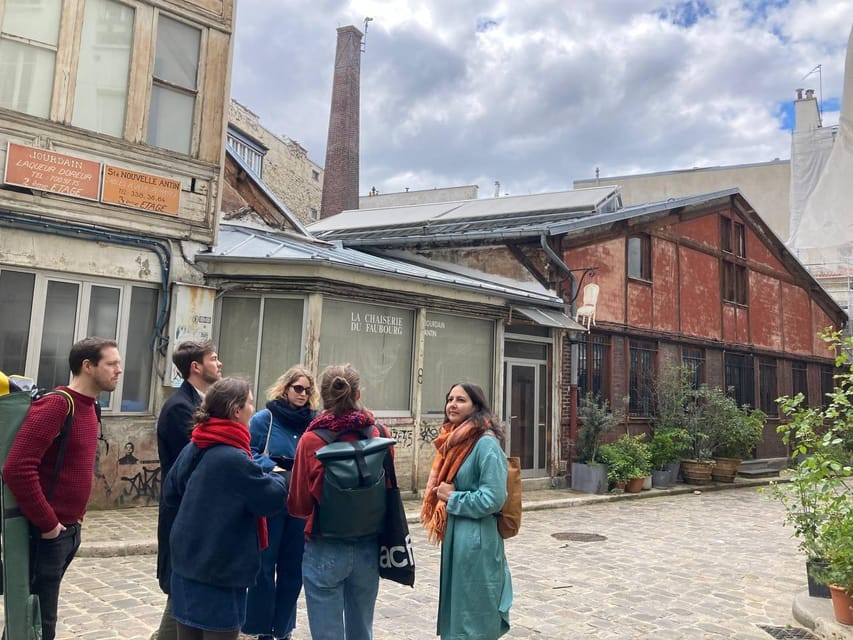
The biggest repeated theme in the feedback is Robin’s style. People describe him as fun, engaging, and unusually good at making history understandable. They also mention his ability to connect the social conditions of the time to what you see in Paris today.
One of my favorite practical lessons from those comments is the “street level” focus. Robin seems to explain how the everyday world of workers and neighborhoods fed into larger events. That’s why the tour can help even if you’re not a hardcore Revolution nerd.
Also, people highlight that Robin answers questions and uses visuals such as pictures. That’s not just entertaining. It helps you build a mental picture of what the area looked like when the events unfolded.
What the Tour Emphasizes, and What It Doesn’t
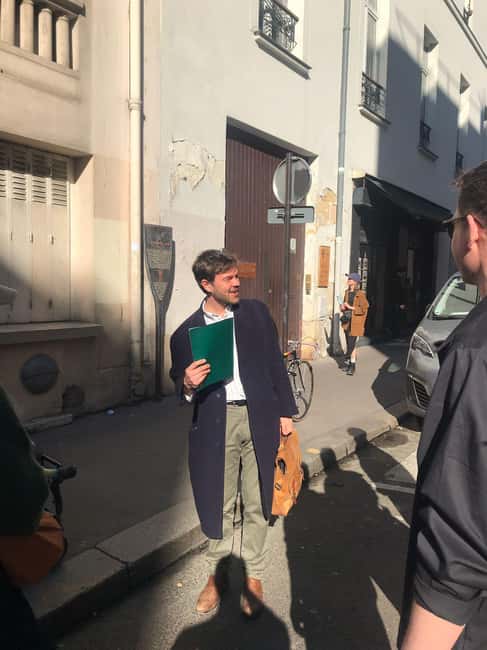
This walk is centered on the events around 14 July 1789 and the rise of new political realities that come after. The named stops and the route design keep the story anchored to that timeframe.
A consideration for your planning: one feedback point notes that the tour mainly runs up to 1789. If your goal is a full Revolution-to-Napoleon sweep, this may feel like the beginning rather than the whole course. In that case, I’d pair it with another walk that covers what follows after July 14.
Who This Walking Tour Best Fits
This is a strong fit if:
- You want history you can actually picture on the streets of Paris
- You like small-group interaction and real Q&A
- You want the Revolution explained through neighborhoods, not just battle dates
It can also work if you’re visiting Paris for the first time and you don’t want to spend your day hopping between far-flung museums. The 90-minute format gives you a concentrated dose without taking over your schedule.
If you’re the type who thinks, I’ll read about history later, you might still like this. The walking route gives you a reason to pay attention now.
Should You Book ParisVu’s 14 July 1789 Tour?
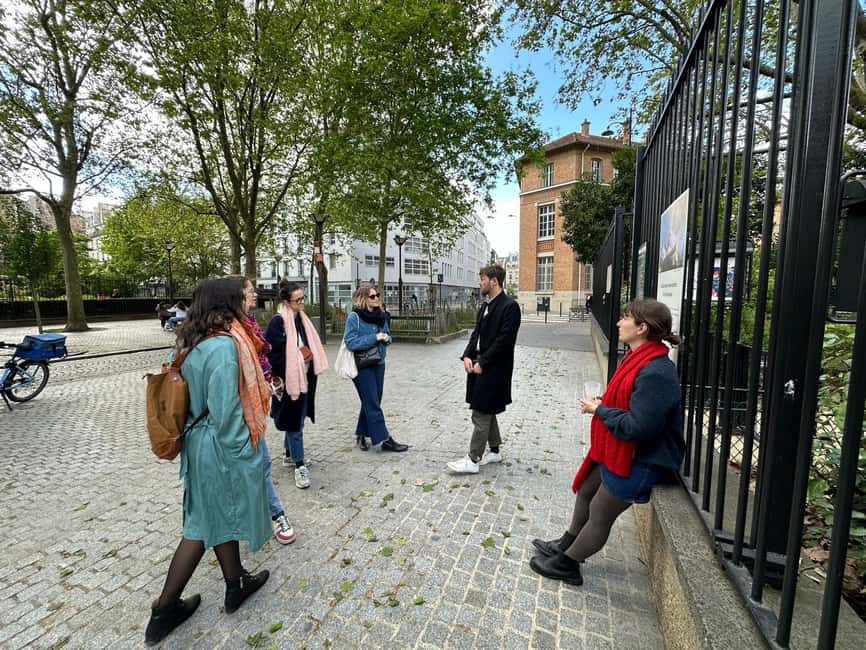
If your ideal Paris day includes a focused walking experience with a real guide, I think this is an easy yes. The combination of a small group, a clear thematic route to Faubourg Saint Antoine and the Bastille, and the repeated praise for Robin’s storytelling makes it a solid use of your time.
Book it especially if you’re the kind of person who wants the “why” behind famous events. You’ll likely leave with a better sense of how July 14 wasn’t just fireworks, but a culmination of pressure that showed up in places you can still find today.
If you want the Revolution’s story to keep going well past 1789 in one sitting, you may prefer a longer multi-part plan. But as a starting point that connects the day to the streets, this tour earns its place.
FAQ
How long is the Paris French Revolution tour?
It lasts about 90 minutes.
What does the tour cost?
The price listed is $37 per person.
Where do I meet the guide?
The meeting point is between Café les Blouses Blanches and Mon Café.
Where does the tour start?
It starts at 1 Pl. du Dr Antoine Béclère.
Where is the tour route finished?
It finishes at 28 Pl. de la Bastille.
How big are the groups?
Groups are capped at a maximum of 12–15 people, and some tour details state a maximum of 10 participants.
What languages are available?
The live tour guide is available in English, French, and German.
Are there any additional fees?
No additional fees are listed.
Can I cancel and get a full refund?
Yes. Free cancellation is available up to 24 hours in advance for a full refund.