REVIEW · PARIS
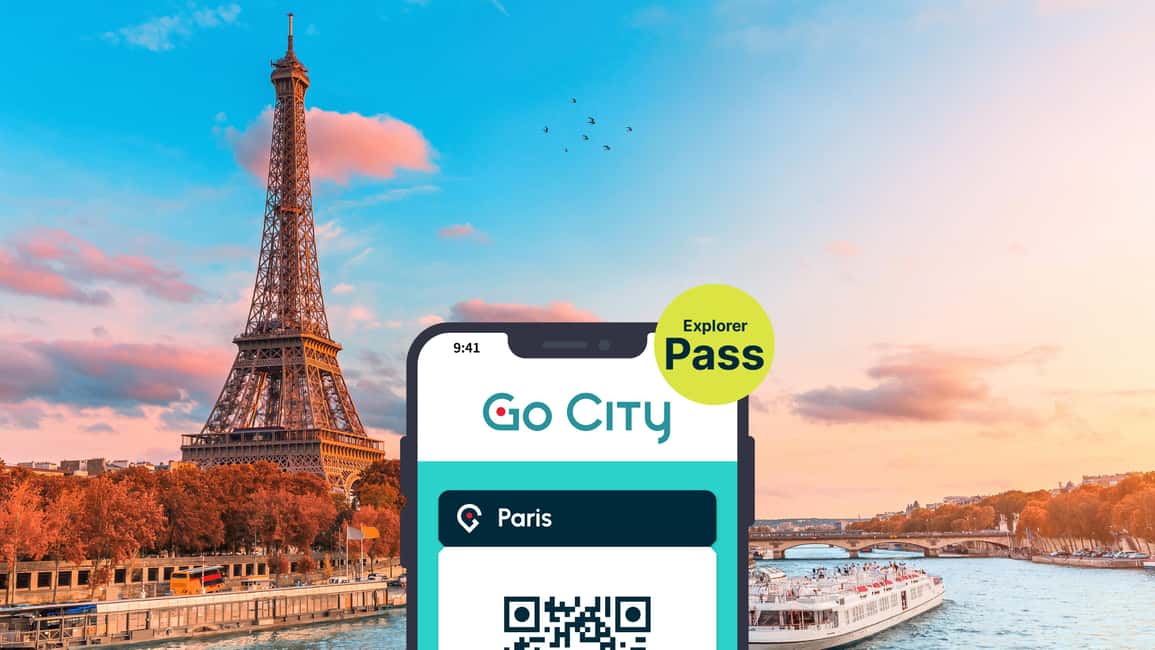
Paris: Explorer Pass with 3, 4, 5, 6, or 7 Attractions
Book on GetYourGuide →Operated by Go City - EMEA · Bookable on GetYourGuide
One pass, and your Paris day runs smoother. The Paris Explorer Pass (powered by Go City) stacks 3–7 top attractions into one digital ticket, so you can focus on sights instead of ticket math. I especially like the big hitters in the lineup: the Eiffel Tower guided climb and a Seine River cruise. The main catch is that the most popular timed options can need reservations early, and if availability doesn’t match your dates, you’ll feel the squeeze.
What makes this pass interesting is the flexibility baked into the plan. You pick how many attractions you want (3 up to 7), then you sync everything in the Go City app and follow the scan-in process at each venue. My only caution: you must start using the pass to activate it, and every included attraction is typically one-time—so you’ll want a smart first pick.
This is one of those Paris deals that can feel either like genius or like a headache, depending on how you plan. At around $93 per person with stated savings versus buying separate tickets, it’s best when you’re booking multiple paid attractions you already want.
In This Review
- Quick hits before you go
- Price and value: when a $93 pass actually pays off
- The Go City workflow: scan, sync, and plan without the stress tax
- A practical sample day: Eiffel Tower to the Louvre by way of the Seine
- Eiffel Tower guided climb: worth it when you plan the timing
- Seine River cruise: the easiest Paris flex you can buy
- Montmartre meal and walking options: where you slow down on purpose
- Hop-on hop-off bus: how to cover big sights without running yourself ragged
- Notre Dame, the crypt, and the difference between a bus stop and an entry ticket
- Louvre with two modes: guided then self-paced
- Other attractions you can swap in: pick your Paris flavor
- What to watch for: availability, timing, and support hiccups
- Who this pass fits (and who should think twice)
- Should you book the Paris Explorer Pass?
- FAQ
- How many attractions can I choose with the Paris Explorer Pass?
- How long is the pass valid?
- When does the pass activate?
- How do I use the pass at each attraction?
- Do I need reservations?
- What’s required for entry?
- Can I cancel for a refund?
- Are wheelchairs allowed?
- How do I sync the pass to my phone?
- Where can I check the latest attraction details?
Quick hits before you go
- Digital scan-in, no paper scramble at the ticket office or gate
- Go City app planning helps you reserve the popular stuff and stay current
- Big-name highlights included like Eiffel Tower, Seine cruise, Montmartre dining, Louvre
- Hop-on hop-off bus pairing makes it easier to stitch together viewpoints
- One-time attraction rule means your first choices matter
- Not wheelchair-friendly (non-folding and electric wheelchairs are not allowed)
Price and value: when a $93 pass actually pays off

On paper, paying one price for 3 to 7 attractions sounds great. The real question is whether your “must-dos” line up with the pass lineup—and whether you would have bought those tickets anyway.
This Explorer Pass is pitched as saving up to 50% compared with buying tickets separately. That savings claim is believable when your picks include high-demand items like the Eiffel Tower and a Seine cruise, plus at least one major museum visit (like the Louvre) or a guided tour. If you’re only using it for small, low-cost attractions, the deal won’t feel as strong.
A good way to judge value for you: list your top 3–4 paid attractions first, then see if they’re on the pass. If yes, the pass usually turns from “maybe” into “why wouldn’t I?”
You can also read our reviews of more tours and experiences in Paris.



The Go City workflow: scan, sync, and plan without the stress tax

This pass is designed around the Go City app. After checkout, you’ll receive two confirmation emails—so wait for the second one with the subject line Go City via GetYourGuide. Then follow the instructions to sync your pass with the app. You can also save it to your phone/tablet or print a copy.
Once it’s synced, the “meeting point” is simple: go straight to the attraction or tour, then show your pass so staff can scan it at the ticket office or gate. That’s a relief in Paris, where “follow the crowd to the right door” can get old fast.
Two timing rules matter a lot:
- Your pass is valid for 1 year from purchase, but it only becomes active when you use your first attraction.
- After activation, you have 30 days to visit the remaining number of attractions you bought.
In plain terms: don’t let your first scan happen on a random day unless you’re ready to commit to your next weeks.
A practical sample day: Eiffel Tower to the Louvre by way of the Seine

Here’s how the sample flow feels when you string stops together efficiently—using timed entry first, then moving to easier add-ons.
You start with an Eiffel Tower guided climb that runs about 3 hours. After that, you take a short walk toward the river area, then you switch from land views to water views with a Seine cruise (about 1 hour). Next comes time on foot for lunch, then a hop-on hop-off bus block to cover major sights with fewer logistics headaches.
The loop continues with hop-off stops around Montmartre, Arc de Triomphe, and Notre Dame (each stop in the sample is roughly 45 minutes). Then you close with the Louvre: a guided portion (about 1.5 hours) plus self-guided time (about 3 hours).
The big win here is sequencing: you place the most time-sensitive item early (Eiffel Tower), then you build the rest around your pace with the bus and your own museum rhythm.
Eiffel Tower guided climb: worth it when you plan the timing

The pass includes the Eiffel Tower 2nd Floor guided climb (the attraction lineup lists 2nd floor specifically). Expect it to take a chunk of your day—about 3 hours in the sample schedule—so don’t stack it with another “must be exact” activity right after.
Why I like starting here: the Eiffel Tower is one of those “everyone shows up at the same time” places. Putting it early helps you avoid the worst crush and keeps the rest of your day moving.
How to make it smoother:
- Pick your date/time carefully in the Go City app, especially if reservations are required.
- Keep your phone charged. You’re expected to have a charged smartphone for access.
Possible drawback: if you don’t lock in your preferred time and the slot you want isn’t available, you can lose momentum. This is where the pass can feel less convenient—so treat that first Eiffel Tower decision as your anchor.
Seine River cruise: the easiest Paris flex you can buy

The pass lists Bateaux Parisiens – Seine River Cruise, and it also includes options like an aperitif cruise with champagne on the Seine (depending on which attraction you select). In the sample, the cruise is about 1 hour.
This is one of the smartest “value hours” in Paris. Even when you’re tired, a river cruise gives you wide views with almost no effort. It also pairs naturally after the Eiffel Tower, since you can shift from tower views to bridges and riverbanks.
A practical tip: plan your cruise time like you would plan a photo shoot. Daylight gives crisp landmark visibility; later hours can feel more romantic and softer on crowds. You can’t control weather, but you can control your clock.





Montmartre meal and walking options: where you slow down on purpose

Montmartre in this pass isn’t just “see the view.” The lineup includes lunch or dinner in Montmartre, plus Montmartre & Sacre Coeur walking tour and even add-ons like Petit Train de Montmartre.
If you choose the meal option, you’re turning the area into more than sightseeing. You’re building in a real break—food, time to wander, and a chance to enjoy the neighborhood’s energy on your terms.
What you’ll want to watch: Montmartre has stairs, hills, and tight lanes. The pass notes it’s not suitable for wheelchair users, and electric/non-folding wheelchairs aren’t allowed, so movement comfort matters.
Hop-on hop-off bus: how to cover big sights without running yourself ragged

The pass includes a 1-day Big Bus Paris Hop-On Hop-Off Tour. In the sample itinerary, you use the bus for about 3 hours total, with hop-off time at specific stops.
Key stops shown in the sample:
- Montmartre hop-on stop (about 45 minutes)
- Arc de Triomphe hop-on stop (about 45 minutes)
- Notre Dame hop-on stop (about 45 minutes)
This kind of bus loop is useful when you want landmark photos and short walks, but you don’t want to build a whole day of point-to-point transit. You’re not locked into one route—your “time on the ground” is what you control.
Practical drawback to consider: hop-on hop-off works best when you’re comfortable with the idea that the bus is your plan B. If you prefer quiet, deep-dive museum time all day, the bus can feel like “transport between photos.” Use it where it saves you effort, then switch to walking when you want connection.
Notre Dame, the crypt, and the difference between a bus stop and an entry ticket

The pass lineup includes Notre Dame & Archaeological Crypt Experience. In the sample itinerary, there’s also a bus stop labeled Notre Dame.
Those are not the same experience. A bus stop gives you a chance to see the area and decide what you want next. An actual crypt experience is an entry ticket style visit, which usually means you’re stepping into a timed or structured experience.
If you’re the type who likes “see it from outside” plus “also get inside when it’s worth it,” this pass gives you both angles. If you’re short on time, prioritize the entry experience rather than relying on a bus stop alone.
Louvre with two modes: guided then self-paced

The pass includes both:
- Louvre guided tour (about 1.5 hours in the sample)
- Louvre self-guided tour (about 3 hours in the sample)
I like this setup because it respects two different ways of enjoying the Louvre. The guided segment can help you decide what to prioritize. Then the self-guided time lets you slow down, linger, and chase the artworks that pull you in once you’re oriented.
How to use the self-guided portion well:
- Don’t try to see everything. Pick a few galleries or a few artists.
- Use your guided time to learn how the museum is laid out, so you’re not wandering blindly later.
This is where the one-time attraction rule matters again. If you book the guided time and then decide you want to revisit a specific wing, you can’t count on another included round. So be selective.
Other attractions you can swap in: pick your Paris flavor
The pass lineup is broad, which is good news if your tastes are specific. Here are some of the options that fit different trip styles, all included as selectable attractions:
- French Wine Tasting at Les Caves du Louvre: great if you want a structured food-and-drink moment without building a separate reservation.
- Grevin Paris – Wax Museum: lighter, fun indoor stop when you need a break from walking.
- Fragonard Perfume mini workshop: interactive and practical if you like hands-on experiences.
- The Gourmet Chocolate Museum Choco-Story: a good rainy-day choice.
- Paradox Museum Paris: hands-on and photo-friendly, especially if you’re traveling with someone who enjoys playful exhibits.
- Hidden Paris: Cocktail or Cognac in a Secret Bar: a night option when you want something different from another standard tour.
- Petit Train de Montmartre: a mobility-friendly way to see more area even if you don’t want to walk every hill.
Also included, depending on what’s available during your dates:
- Parc Asterix
- Louis Vuitton VIP Entry Tickets + Foundation History Walk
- Per-Paris-themed museums and walking tours like Hidden Paris options
One more point: attractions and tours can change, and the Go City app has the most up-to-date line-up, opening times, and access instructions. Always check your app right before you go.
What to watch for: availability, timing, and support hiccups
Here’s the honest part of using any attraction pass in Paris: the pass is only as flexible as the availability for your dates. The pass notes that the most popular activities require reservations, so if you show up late in your planning, you may find your preferred time slots gone.
There’s also a practical “first-day” risk. Since the pass activates only after your first attraction visit, don’t accidentally activate it on a day when you don’t have a solid plan for the next few weeks. Your 30-day window is generous, but you still need momentum.
Finally, if something goes sideways—missing instructions, confusion about access, or an attraction not showing up the way you expected—support quality can vary. I’d treat this like a belt-and-suspenders trip: keep screenshots in your phone, and keep your synced pass visible. If you’re prepared, you lose less time to chaos.
Who this pass fits (and who should think twice)
This is a strong match if you:
- Want Eiffel Tower + Seine cruise + Louvre without playing ticket roulette
- Like planning with an app but still want flexibility across multiple days
- Are comfortable making a few reservation decisions early
It’s less ideal if you:
- Hate timed planning and want everything to be spontaneous
- Plan to revisit the same attractions multiple times (the pass is one-time per attraction)
- Need wheelchair access (the pass says it’s not suitable, and certain wheelchair types are not allowed)
If you’re traveling with kids, the mix of museum and interactive options (wax, chocolate, paradox-type exhibits) can help you avoid “one long adult tour day.” If you’re traveling solo, the app-based planning can keep you from wasting hours deciding.
Should you book the Paris Explorer Pass?
If your wishlist includes at least two big, paid attractions—especially the Eiffel Tower and a Seine cruise—this pass can be a smart shortcut. The value improves when you use the app to lock in the most in-demand reservations early and build the rest around your pace.
I’d book it when you’re the type who wants one plan, not ten separate ticket hunts. I’d skip it when your dates are flexible and your top picks are likely to sell out, unless you’re willing to adjust your order of attractions quickly in the app.
Bottom line: the pass is best when you treat it like a planning tool, not a magic card.
FAQ
How many attractions can I choose with the Paris Explorer Pass?
You can purchase a pass for 3, 4, 5, 6, or 7 attractions.
How long is the pass valid?
Your pass is valid for 30 days after you activate it by using it at your first attraction.
When does the pass activate?
The pass becomes activated with your first attraction visit.
How do I use the pass at each attraction?
Go straight to the attraction or tour and show your pass so it can be scanned at the ticket office or gate.
Do I need reservations?
Some of the most popular activities require reservations, and it’s smart to reserve well in advance.
What’s required for entry?
You should bring a charged smartphone.
Can I cancel for a refund?
Yes. There is free cancellation up to 24 hours in advance for a full refund.
Are wheelchairs allowed?
The pass is not suitable for wheelchair users. Non-folding wheelchairs and electric wheelchairs are not allowed.
How do I sync the pass to my phone?
After checkout, wait for the second confirmation email with the subject line Go City via GetYourGuide, then follow the instructions to sync your pass with the Go City app.
Where can I check the latest attraction details?
Use the Go City app, since it has the most up-to-date line-up, opening times, and access instructions.