REVIEW · PARIS
Paris: Eiffel Tower&Seine River Electric Bike Tour 3 hours
Book on GetYourGuide →Operated by Zip Tours · Bookable on GetYourGuide
One ride and Paris starts making sense. This 3-hour electric bike tour strings together the biggest sights along the Seine with stops for photos, history, and brainy little riddles. You start near Trocadéro Square, get an Eiffel Tower photo right away, then glide through central Paris on an easy, low-stress route.
Two things I really like: the small group size (max 10), and the way the live guide keeps the ride moving with stories that connect landmarks instead of treating them like separate postcards. One thing to keep in mind is the pace: with a long list of stops, you’ll be cycling and stopping a lot, so it may feel fast if you prefer slow sightseeing.
In This Review
- Key highlights worth showing up for
- Why an Eiffel Tower-to-Seine e-bike tour works so well
- Meeting near Trocadéro: the Eiffel Tower photo sets the tone
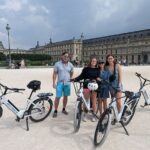
- Electric bikes, helmets, and a small group that actually feels manageable
- The 3-hour route: 22 stops along the center of Paris
- Eiffel Tower to Invalides: launching from the Seine corridor
- Museums and grand boulevards: Musée d’Orsay and the big façades
- The medieval core: Sainte-Chapelle and Notre-Dame area
- City Hall and ancient towers: Hotel de Ville and Tour Saint-Jacques
- The left-bank vibe: Saint Germain L’auxerois to the Louvre
- Champs-Élysées to the Arc de Triomphe area: the classic finish
- What the stop density means for you
- Riddles and guide stories: the secret ingredient that makes the route stick
- Pacing, traffic, and photo expectations (so you’re not surprised)
- Price and value: why $46 can feel like a smart first-day move
- Who should book this Eiffel Tower and Seine e-bike tour
- Should you book? A practical decision guide
- FAQ
- What is the meeting point for the tour?
- How long is the Eiffel Tower and Seine electric bike tour?
- Is the tour on an electric bike?
- What’s included in the price?
- What is not included?
- How big is the group?
- What should I bring?
Key highlights worth showing up for

- Eiffel Tower photo at the start with your guide and the best backdrop options
- Seine River riding with architecture views you can actually enjoy, not just crane your neck at
- A live guide sharing Paris stories in English or French, plus photo tips
- Riddle challenges that turn famous landmarks into a mini history game
- Max group size of 10, with rides described as smooth and easy thanks to e-bikes
Why an Eiffel Tower-to-Seine e-bike tour works so well

Paris by foot is great, but it can also be tiring and slow when you’re trying to cover the classics in a single day. This tour is built for momentum: you start at the Eiffel Tower area, then you follow the Seine River corridor and keep rolling from one landmark cluster to the next. The result is a route that gives you both orientation and memorable scenes.
The electric bike matters more than you might think. It’s what makes a central-Paris itinerary realistic in 3 hours without you needing to “power through.” Based on rider feedback, the bikes feel light and the assist takes the edge off—so you can focus on sights, not stamina.
The other thing that makes it feel special is the “active learning” style. Instead of only listening, you also solve riddles as you pass landmarks—so you’re paying attention at the exact moment your eyes are on the details.
You can also read our reviews of more cycling tours in Paris

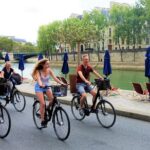
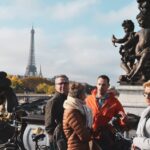
Meeting near Trocadéro: the Eiffel Tower photo sets the tone

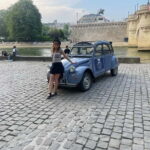
Your tour meeting point is near Trocadéro Square, at a location identified as Habillé en Blanc with the ZIP TOURS logo. Even before you mount your bike, you get an immediate payoff: you take a photo with the Eiffel Tower in the background.
That first moment is more than a photo op. It helps you “place” the rest of the route in your head. After you’ve got the Eiffel in view, everything you see next starts to feel connected—especially as you ride along the Seine and hit major bridges and museums.
Practical tip: bring your camera ready, and don’t be shy about asking your guide about angles. In feedback from riders, guides (often including Anastasiia) are proactive about pointing out good positions for photos and making sure you don’t waste time figuring it out on the spot.
Electric bikes, helmets, and a small group that actually feels manageable

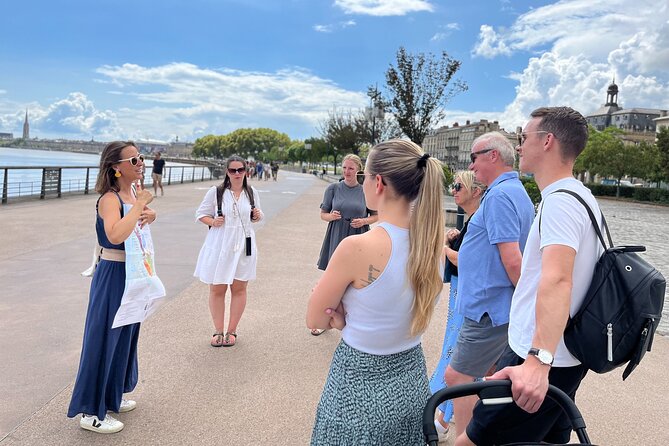
The tour runs with a maximum group size of 10, which is a big deal in a city where big groups can slow down constantly. With a smaller group, your guide can keep track of everyone, regroup efficiently at stops, and give clearer instructions about what’s coming next.
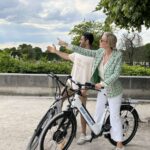
Riders have also described the bikes as comfortable and easy to use. The big theme: you don’t need serious fitness. You still pedal, but the electric assist reduces the strain and helps keep the ride from turning into a chore.
A couple of reality checks to keep you prepared:
- Paris cycling can include moments where traffic feels intense, even if local drivers are used to bikes and tourists.
- There can be some “busy energy” around stops. This is normal in popular areas, but it’s worth expecting if you’re sensitive to crowds.
One extra comfort note from rider comments: some guides provide helmets and a water bottle, so it’s smart to arrive ready but also expect they’ll help you stay comfortable once you’re rolling.
The 3-hour route: 22 stops along the center of Paris
This is a stop-rich tour, and it’s designed so you see iconic landmarks without losing time to long transit. You’ll cycle through the city with the guide, stop frequently for photos, and get history stories tied to what you’re seeing. The full stop list is stated as 22 different places, including the landmarks below.
Eiffel Tower to Invalides: launching from the Seine corridor
You begin with the Eiffel Tower photo, then head into the first stretch of the ride where the Seine starts to define the whole loop. One of the early highlights is Alexandre Bridge—a classic viewpoint that gives you strong city-and-river framing for photos.
From there, you’ll reach Les Invalides, a landmark area that’s often associated with major French history. Even if you’re not planning a full museum visit on this day, the guide’s stories help you “read” the site as more than just a building.
A few more Paris tours and experiences worth a look

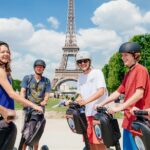
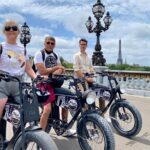

Museums and grand boulevards: Musée d’Orsay and the big façades
Next up is Musée Orsay, followed by Grand Palais and Petit Palais. This portion of the tour is great if you like architecture and want to understand why Paris feels so dramatic in person. You get quick, curated exposure to museum exteriors and historic design details.
Then you continue to Pont Neuf, the oldest bridge in the area you’ll likely recognize, and into the Île de la Cité zone. It’s a strong transition: from wide, elegant river views to more tightly packed historic streets and buildings.
The medieval core: Sainte-Chapelle and Notre-Dame area
A standout stop is Sainte Chapelle, a place that tends to stop people in their tracks when they first see it. Even from the outside, the setting feels like a time machine. Your guide also connects the site to Paris’s deeper layers of history through stories and riddles.
You’ll also come near Notre Dame and the city center around it. This is one of those zones where photos are easy to take, but it’s the guide’s timing and explanations that turn it into something more useful than just a quick snapshot.
City Hall and ancient towers: Hotel de Ville and Tour Saint-Jacques
As you continue, you’ll stop at Hotel de Ville, then pass toward Tower Saint Jacques. This segment works well for travelers who want more than the “famousest famous” landmark. The stories help you see how the city’s identity is spread across civic buildings, towers, and everyday streets.
The left-bank vibe: Saint Germain L’auxerois to the Louvre
Next comes Saint Germain L’auxerois, followed by Louvre. You’ll be moving fast enough to stay energized, but your stops give you enough time to notice the scale and placement of these famous landmarks.
After the Louvre, you continue to the Arch of Caroussel and then into Palais Royal. This is where you start to notice how Paris changes tone: from grand monumental pieces to refined, garden-linked spaces. Then you’ll see the Garden of Tuileries, a stretch that’s excellent for a breather moment if you want one within the ride.
Champs-Élysées to the Arc de Triomphe area: the classic finish
As the route heads toward the skyline view zones, you’ll pass through Concorde, then into Champs Elysées. Even if you’ve seen these streets in photos before, seeing them as part of a ride along the river-to-center axis helps the geography click.
Finally, you reach Arc of Etoile (the Arc de Triomphe area). It’s a fitting end because it feels like the “big statement” after all the earlier history stops. You get the sense of Paris as both old and ambitious.
What the stop density means for you
Because you have so many stops inside 3 hours, you won’t have time for long museum entry lines. That’s not a drawback if your goal is orientation, highlights, and a head start on planning your later days.
It can feel fast if your travel style is slow and linger-heavy. If that’s you, try to pair this tour with at least one later return visit to a place you care about most.
Riddles and guide stories: the secret ingredient that makes the route stick

This tour isn’t just sightseeing; it’s a guided history game. You’ll hear stories about Paris and its inhabitants, and you’ll solve riddles as you cycle through different eras—present day drifting into older layers of the city.
That format does two useful things:
- It gives you a reason to pay attention when you stop, even if you’ve already seen a landmark in photos online.
- It helps you remember what you saw because you attach it to a clue, a fact, or a twist the guide shares.
Rider feedback highlights guides like Anastasiia as especially strong: fun, full of facts, and willing to answer questions. One review also described the guide as choosing good photo spots and helping riders feel confident, which matters if you’re not sure what to expect from Paris traffic.
Pacing, traffic, and photo expectations (so you’re not surprised)
Most people choose an e-bike tour to feel relaxed. The “effortless” part is real thanks to electric assist, but you should still expect some movement through busy areas. There can be nervous moments for first-time cyclists in cities, though the ride is described as smooth overall, especially with bike lanes and driver behavior that tends to accommodate tourists on bikes.
Stop times matter too. This tour is built around frequent breaks for photos and explanations. If you hate rushing from one spot to the next, you might feel like the tour moves quickly. One rider even suggested the cycling speed could feel a bit brisk for the group size.
My advice: treat the ride like a guided highlights reel, not a slow walk. Plan your day after this for a calmer exploration—pick one or two landmarks you want to return to and take your time.
Price and value: why $46 can feel like a smart first-day move
At $46 per person for a 3-hour small-group experience, the value depends on what you compare it to.
You’re paying for:
- the electric bike rental
- a live guide in English or French
- photo opportunities tied to the route
- a route that strings together major landmarks efficiently
If you planned to do this same set of sights on your own, you’d spend real time figuring out where to go, where to pause, and how to piece the geography together. The guide work is the shortcut: you’re getting a curated “map in motion.”
This is also a good day-1 activity. You get oriented quickly—then the rest of your trip can become a choose-your-own-adventure rather than a desperate sprint to hit everything.
Who should book this Eiffel Tower and Seine e-bike tour
I think this tour fits best if you:
- are in Paris for a short time and want major sights covered in one guided loop
- want an easier way to move than walking city distances all day
- like history when it’s explained in story form and reinforced with riddles
- want help with photo timing and positioning
It may not fit as well if you:
- hate cycling or feel very uncomfortable around city traffic
- prefer long stops and museum-style pacing
- want food included (it isn’t—bring your appetite for later)
One key constraint: it’s not suitable for children under 15.
Should you book? A practical decision guide
If you’re asking whether this is worth your time, here’s the quick way I’d decide: book it if you want a confident first look at central Paris with electric-bike ease and a guide who connects the dots from Eiffel Tower to the Arc de Triomphe area.
I’d also say book it if you like learning by doing—riddles and story stops make it harder to “tune out” than a typical walking tour. Just go in knowing it’s a highlight route with many stops in a short window.
Skip it only if you want slow, lingering sightseeing or you know you won’t enjoy cycling in a city setting, even with e-bike assist.
FAQ
What is the meeting point for the tour?
The tour starts near Trocadéro Square, at Habillé en Blanc with the ZIP TOURS logo.
How long is the Eiffel Tower and Seine electric bike tour?
The experience runs for 3 hours.
Is the tour on an electric bike?
Yes. Electric bike rental is included, and the ride is done on an electric bike.
What’s included in the price?
Included are the electric bike rental, a live tour guide, and photo opportunities.
What is not included?
Hotel pickup and drop-off, plus food and drinks, are not included.
How big is the group?
The group is small, limited to a maximum of 10 participants.
What should I bring?
Bring comfortable shoes, a camera, and water.