REVIEW · PARIS
Paris Create your Own Perfume Workshop with a Perfumer
Book on Viator →Operated by ABC DU PARFUM · Bookable on Viator
Perfume class in Paris is real art. This workshop lets you play chemist, then wear your results. With a small group (max 8) and a hands-on perfumer-led process, you’ll learn how fragrance is built, not just mixed.
What I like most is the guided creativity—you’re not left alone with a dropper. You’ll work with note families (top, heart, bottom) and concepts like tenacity, using methods attributed to Marina Jung. You’ll also leave with something tangible: you make three perfumes, then take one home in a 50-ml bottle.
One thing to consider: the experience is only about 1 hour 30 minutes, so you’ll want to show up with a clear idea of the vibe you want (fresh, floral, woody, etc.). If you freeze, the time can feel tight.
In This Review
- Key highlights you’ll actually care about
- Where the workshop starts: L’ABC du Parfum, off the main drag
- The perfumer’s method: note families, tenacity, and why it matters
- Your mixing bench: choosing from around 50 compositions
- Making sense of your three creations (and picking your favorite)
- Eiffel Tower included: a quick Paris beat, not just perfume
- What’s included, what’s not, and what that means for your day
- Price and value: is $118.56 worth it?
- Who this workshop fits best
- Practical tips so you leave happier with your bottle
- Should you book the Paris Create Your Own Perfume Workshop?
Key highlights you’ll actually care about

- Make three perfumes yourself from a menu of scent compositions (about 50 to choose from)
- Learn the logic of fragrance using note families and top/heart/bottom structure
- Small-group attention in a class that caps at eight people
- Take home a 50-ml bottle of the one scent you select
- Keep the formula for reordering, if you save what you created
- English instruction with an experienced teacher
Where the workshop starts: L’ABC du Parfum, off the main drag
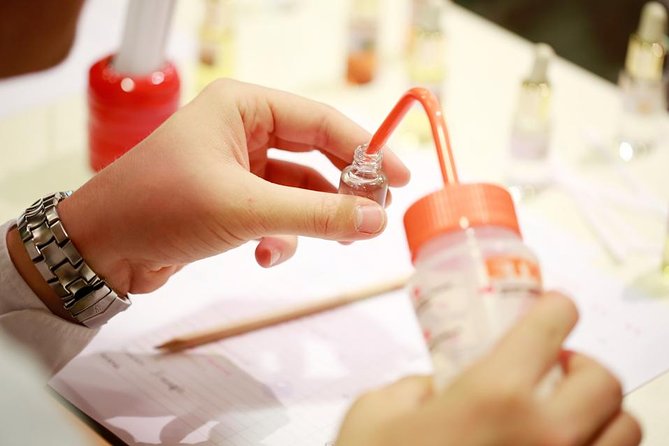
Your experience begins at 7 Rue Vineuse (75116 Paris), right in a quieter corner of the city. That matters. Paris can be chaotic. This setup feels more like a studio than a theme-park activity.
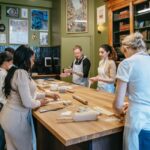
Stop 1 is at L’ABC du Parfum, where the workshop is run. Expect a focused space set up for smelling and mixing. Instead of doing a lecture, you’ll be working with materials and guided choices as you go. The goal is simple: help you make a perfume that smells like you, not like a class demo.
Also, you’re not far from public transport. So even if you’re bouncing around Paris that day, you can get there without turning it into a whole logistics project. You’ll just use your mobile ticket and show up.
A few more Paris tours and experiences worth a look

The perfumer’s method: note families, tenacity, and why it matters
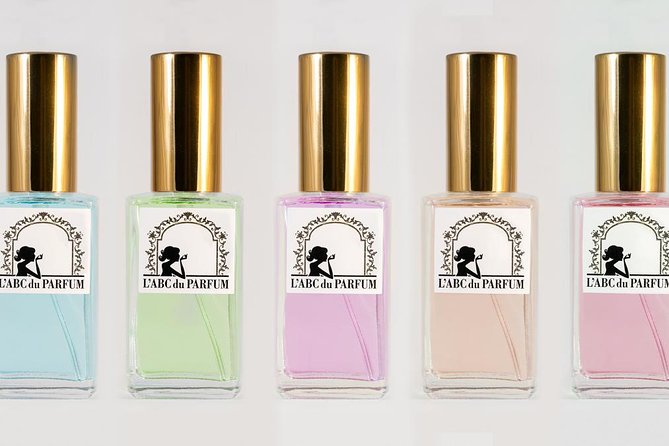
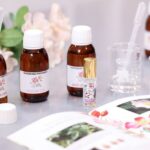
The teaching style is built around how fragrance actually behaves. You’ll talk through terms like family of note and family of perfumes, then apply them while you blend. That’s the difference between tasting something and learning to reproduce it.
You’ll also learn about tenacity—how long different parts of a fragrance tend to last. This is where top, heart, and bottom notes come in. In plain language: the first impression fades, the middle character shows up, and the base note lingers.
This is useful because most people have only smelled perfumes in a store. In a store, you smell marketing. In this class, you build structure. You start thinking like a perfumer: What lifts the scent? What defines the mood? What anchors it?
You’ll get questions from the perfumer to steer your next choices. That part feels personal. Instead of generic advice, you’re nudged toward combinations that match what you say you like (and what you don’t).
Your mixing bench: choosing from around 50 compositions
After the teaching piece, you move into creation mode. There are around 50 different compositions you can play with, which keeps the experience from feeling repetitive. It also means you’re more likely to find something you genuinely like instead of settling.
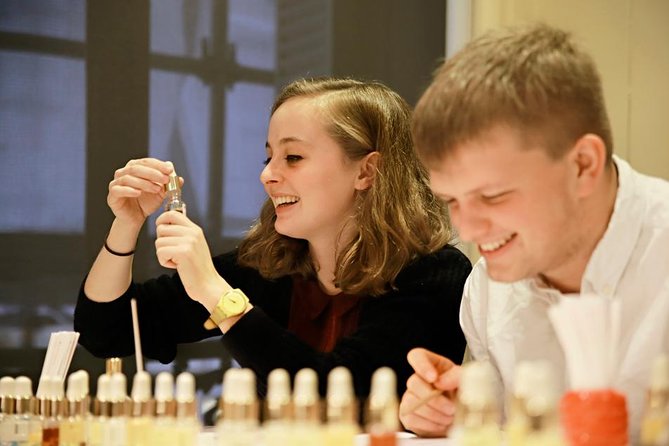
You’ll create three perfumes. Depending on your choices and timing, you may blend and refine as you go, with assistance when you want it. The class size helps here. When the group is small, the teacher can slow down with you instead of rushing everyone through.
One smart way to get better results: pick a target vibe early. For example, decide whether you’re chasing something crisp (more top-note feel), romantic (more heart-note feel), or grounded and lasting (more base-note feel). Then let the blending menu support that direction.
And yes—your nose is the boss. The workshop is built around smelling and comparing while you work. You’ll get a fast education in how tiny changes can shift the entire impression.
Making sense of your three creations (and picking your favorite)
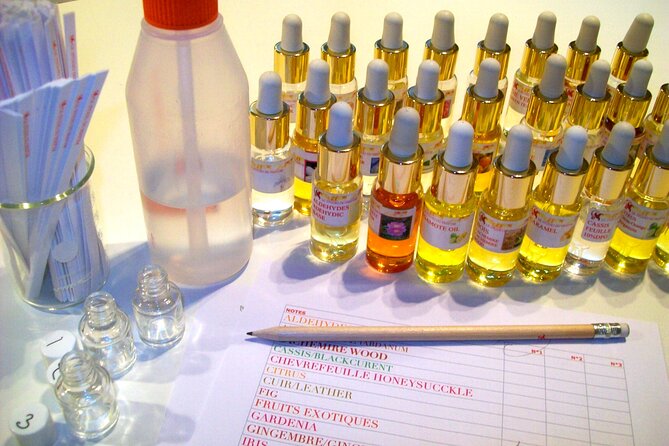
The workshop doesn’t end at mixing. You’ll take the perfumes you make and decide which one you want to take home. You’ll choose one personally designed scent, then transfer it into a 50-ml bottle with packaging.
That choice is the fun part, because by then you’ve got your own internal ranking system. You know which one feels the most like you. You know which one makes sense for day-to-day wear. And you know which one smells great but might be too intense for everyday.
Also, you’ll be given a book. You can treat it as a scent journal. If you want to rebuild something later, it’s a way to remember what you did and why.
Finally, there’s a practical detail worth calling out: there’s the possibility to reorder your scent if you keep the formula. That’s huge if you end up loving what you made but don’t want to redo the whole process from scratch next year.
Eiffel Tower included: a quick Paris beat, not just perfume
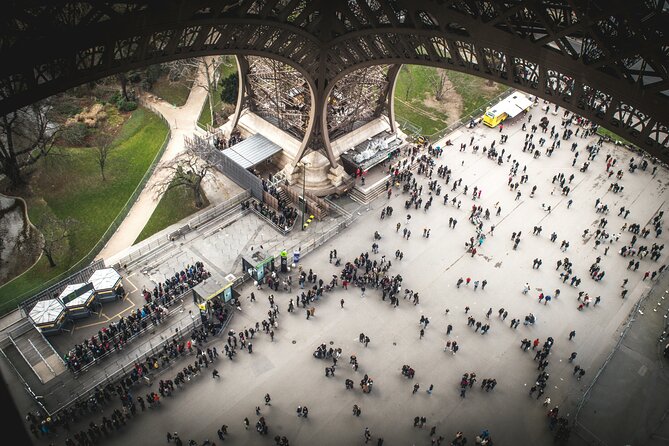
Stop 2 is the Eiffel Tower. The class is perfume-focused, so don’t expect a long official sightseeing program. But having this stop included means you’re still getting the classic Paris visual in the same day.
This is a nice balance. You get an activity that feels personal and creative, then you get a recognizable landmark to wrap it up. It’s also handy for photos and for getting your bearings if you’re new to the city.
If you’re the type who likes to structure your days, treat this stop like your reward break: you’ll have worked with scents for a while, so a quick change of scenery helps your brain reset.





What’s included, what’s not, and what that means for your day
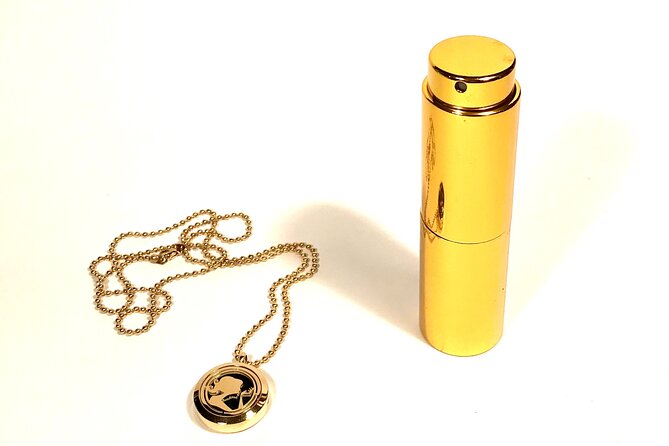
Here’s the clear breakdown of value and convenience.
Included
- All needed raw materials
- The 50-ml bottle and its packaging
- An experienced teacher
Not included
- Food and drinks
So plan your day like a workshop. Eat before you go, or plan a nearby meal after. Because there’s no food included, you don’t want to arrive hungry and distracted. Your nose needs a calm start.
Also, you’ll want to budget time to enjoy the whole process. The duration is about 1 hour 30 minutes. That’s long enough to learn, mix, refine, and leave with a bottle—but not long enough to wander off mid-activity.
Price and value: is $118.56 worth it?
At $118.56 per person, this isn’t a cheap knock-off class. But for Paris, it can feel reasonable because you’re paying for three things at once: instruction, materials, and a real take-home bottle.
The workshop includes all raw materials and a 50-ml bottle. That’s not a tiny souvenir spritz. You’ll actually be able to wear your scent at home. And because the group is small (up to eight), you’re also paying for the quality of personal guidance—especially when you’re creating something from scratch.
You’re also not just “learning about perfume.” You’re making perfumes based on note structure and scent behavior. That’s the value jump. If you’re the type who likes sensory activities and wants a result you can use, the price starts to make more sense.
If you’re only curious and don’t care about owning the final bottle, you might hesitate. But if you like fragrances, this is one of the few experiences where the outcome is truly yours.
Who this workshop fits best
This works best if you want something more personal than a standard museum visit. It also works well for groups, because the class format supports conversation and comparison—especially when you’re deciding what you like.
You’ll likely enjoy it whether you’re:
- a fragrance fan who wants the science behind the smell
- someone looking for a hands-on Paris activity
- a parent or teen pair who want to do something creative together
The class is offered in English, and the activity states most travelers can participate. So it’s a good option when you want a non-physically-challenging experience that still feels special.
Practical tips so you leave happier with your bottle
A few small moves make a big difference in a perfume class like this.
- Think of 2–3 words for the mood you want (for example: clean, floral, warm, smoky, fresh).
- When you smell options, don’t just react. Compare top vs heart vs base feel.
- If you like something, note what about it you liked (sharpness, sweetness, woodiness, etc.). It helps during the next blend.
- After class, keep track of the formula if you want the option to reorder later.
- Since there’s no food included, eat beforehand so you’re not racing hunger while you’re trying to smell subtle notes.
One last tip: give yourself permission to experiment. Some blends only become clear after a couple tries. The class is built for that.
Should you book the Paris Create Your Own Perfume Workshop?
If you want a Paris experience that’s creative, hands-on, and genuinely keeps something with you, I think this is a strong booking. You get a structured lesson on how perfume is built, then you create three scents and take home a 50-ml bottle. That’s the kind of souvenir that actually gets used.
Book it if:
- you like fragrance and want to understand it, not just sample it
- you enjoy guided creative work in a small setting
- you want a memorable gift or parent-child activity
Skip it if:
- you only want sightseeing and would rather spend your time on major monuments
- you’re not interested in keeping the formula or learning how notes work
- you need a long food-and-drink included day plan
For most people who enjoy smelling, mixing, and wearing their own story, this workshop hits a great sweet spot of value, instruction, and take-home payoff.