REVIEW · PARIS
Paris: Cheese and Wine Class in a 17th Century Cellar
Book on GetYourGuide →Operated by Living Cheese Museum · Bookable on GetYourGuide
Cheese in a cellar beats a casual tasting every time.
This 90-minute Paris workshop takes you inside a 17th-century setting to understand how French cheese is made and why the aging process matters, not just how it tastes. I especially love the small-group feel, where the host can answer questions without the class turning into a lecture line.
My other big favorite is the bite-by-bite pacing: you taste 7 cheeses and pair them with 3 wines, alternating flavors so you can actually notice what changes when you switch from fromage to wine. One heads-up: it’s not suitable for lactose intolerance, and the minimum drinking age is 18, so plan accordingly if you’re not drinking.
In This Review
- Key things to know before you go
- A 17th-century cheese cellar gives the lesson real weight
- Your 90 minutes: what happens from arrival to last sip
- 1) Check in at the cheese museum
- 2) Learn traditional production and why maturing matters
- 3) The tasting: 7 cheeses across regions, textures, and milks
- 4) Pairing: 3 French wines served bite-for-bite
- 5) Bread to round it out
- 6) Back out into Paris
- How pairing becomes real when you taste in sequence
- The cheese variety is the point: 7 kinds, not just the safe favorites
- Wine with rules: age 18+ and why that affects the vibe
- The hosts make the class feel personal
- Price and value: what $82 buys you in real terms
- Who this class is perfect for (and who should skip)
- Quick practical tips so you enjoy it more
- Should you book this Paris cheese and wine class?
- FAQ
- Where is the meeting point for the class?
- How long is the cheese and wine class?
- What is included in the experience?
- Do you include pickup and drop-off?
- What language is the instructor?
- Is there an age requirement for drinking wine?
- Is this class suitable for lactose intolerance?
- Are pets allowed?
Key things to know before you go
- 17th-century cellar setting at Musée Vivant du Fromage, so the tasting feels grounded in place
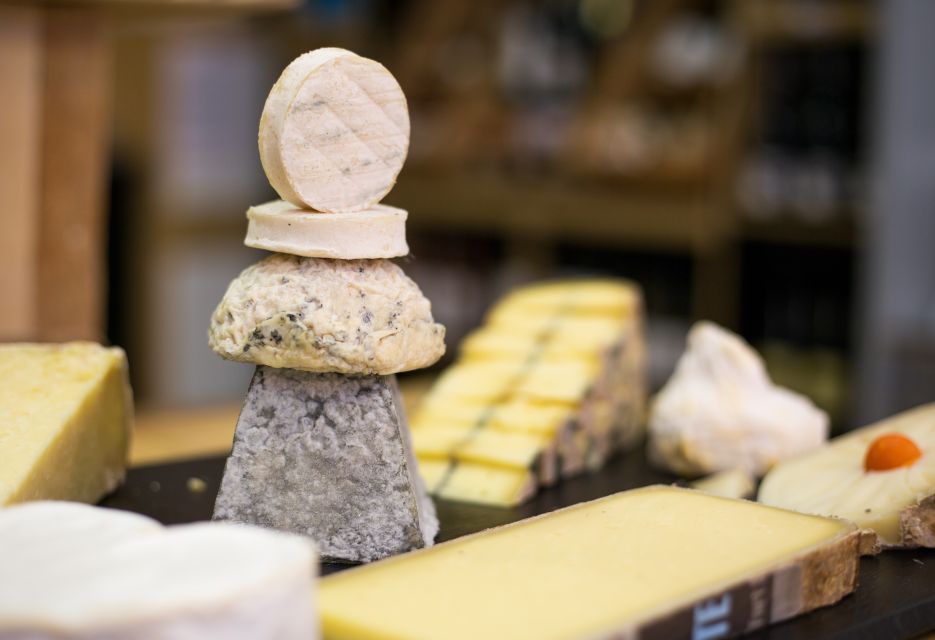
- 7 cheese tastings + 3 wine tastings, paired intentionally and served in an order meant to teach
- Expert cheese guide in English, plus time for questions
- Small-group experience (some sessions are as small as six; others around a dozen)
- Bread is included, so you can reset your palate between bites
A 17th-century cheese cellar gives the lesson real weight
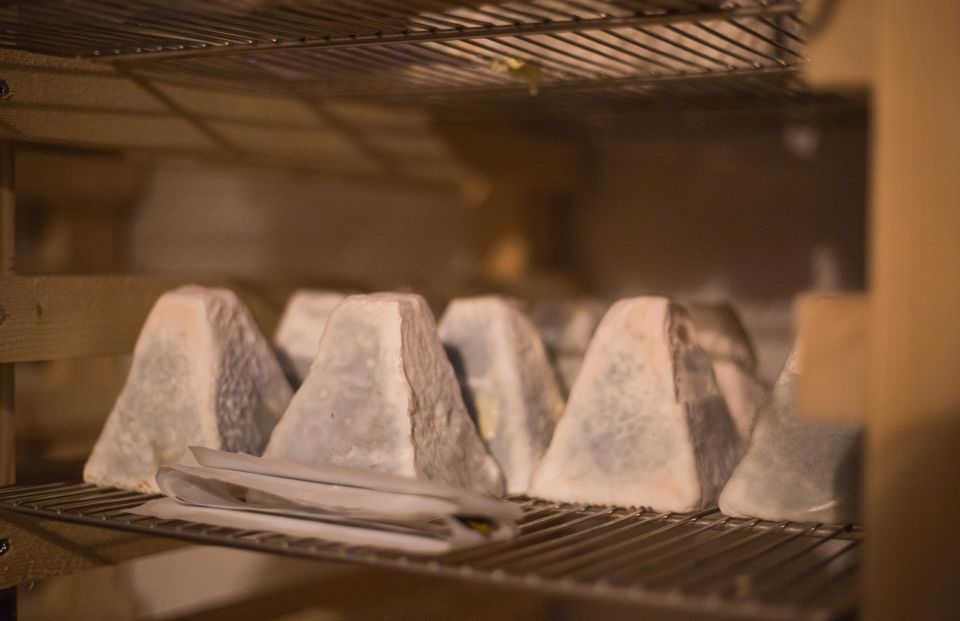
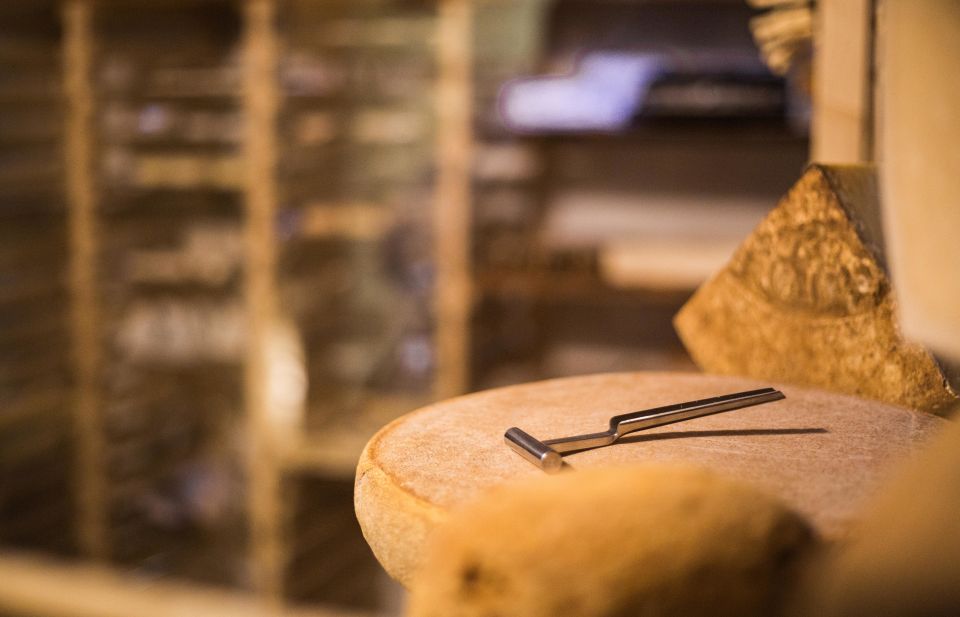
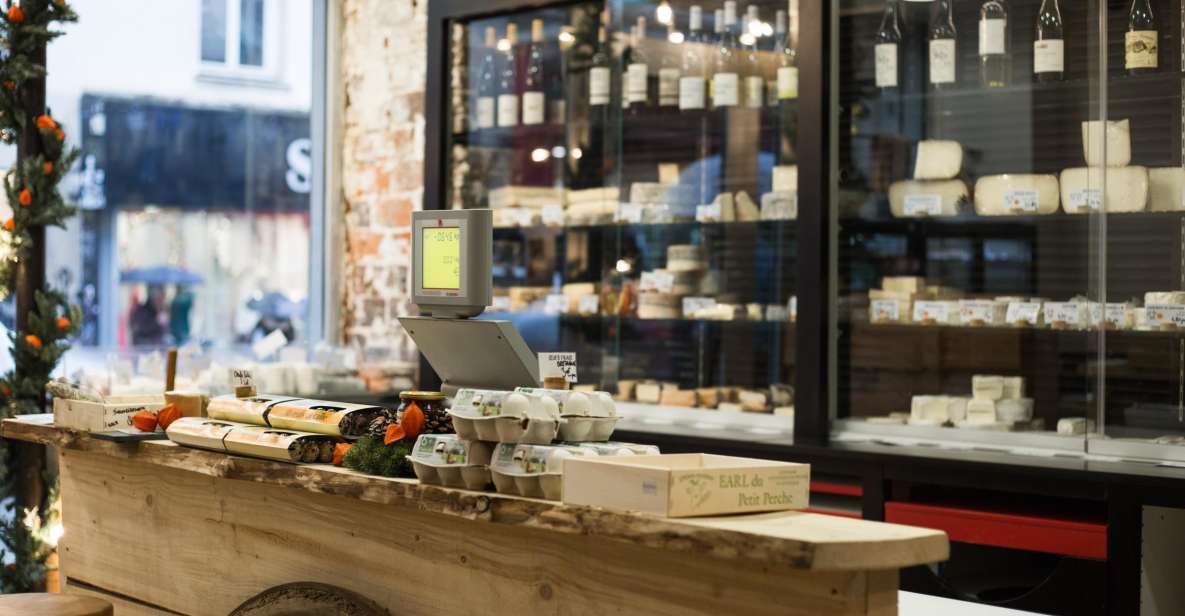
Paris has no shortage of food experiences, but this one has that rare ingredient: context. You’re not just tasting cheese in a bright retail space. You’re learning in a cellar environment tied to how cheese actually lives and matures.
The meeting point is the Musée Vivant du Fromage at 39 rue Saint Louis en l’île, 75004 Paris, which matters because you start in the right mood. From there, you go into the cellar and the story clicks. Cheese isn’t a product on a shelf. It’s a process—milk to curd, then aging, then flavor development. Seeing the cellar and “the supply” there makes that sound less theoretical and more obvious.
You can also read our reviews of more wine tours in Paris


Your 90 minutes: what happens from arrival to last sip
This class is built to move at a friendly pace, with clear stops so you never feel rushed—or stuck waiting for the group.
1) Check in at the cheese museum
You start at the cheese museum, where you meet the professional cheese and wine guide. The instruction is in English, and the vibe is welcoming. If you like to ask why something tastes the way it does, you’ll get that chance.
2) Learn traditional production and why maturing matters
Next comes the core teaching moment. You’ll hear about traditional cheese production from an expert cheesemaker, with emphasis on the importance of maturing. This is where the experience becomes more than eating: you start connecting flavors to time, texture, and how cheese develops as it ages.
One detail I really value here is that the cellar setting reinforces the lesson. When you can look around and see aging conditions, the idea of “why it tastes different today than it will next month” becomes easier to understand.
3) The tasting: 7 cheeses across regions, textures, and milks
Then the tasting begins. You sample seven different cheeses, and the selection covers variety—different regions, types, texture, and milk. That range is key. If you only ever try one style of cheese, you miss how different the world gets once you change milk source and aging style.
And yes, the tasting order is set up for learning. It’s not random. You’re guided to notice differences instead of just guessing which one is best.
A few more Paris tours and experiences worth a look

4) Pairing: 3 French wines served bite-for-bite
As you taste, you alternate fromage with sips of French wine. The goal is complementary flavors—so the wine supports the cheese (or cleans your palate) instead of competing.
This is the part I’d recommend even for wine drinkers who think they already know pairing rules. Here, the class gives you an actual tasting experience to calibrate your own taste buds.
5) Bread to round it out
Fresh baguettes are included. They’re not just filler. Use them when the flavors start to stack up—especially if you’re trying to compare textures like creamy versus firmer styles.
6) Back out into Paris
After about 1.5 hours, you step back into the streets of Paris with a better sense of what you just ate and why it worked. It’s a nice contrast to the usual “one more museum, one more church” rhythm.
How pairing becomes real when you taste in sequence
I like pairing classes that don’t pretend there’s one magic match. This one uses a simple approach: alternate bites of cheese with wine so you can experience cause and effect.
When you switch from cheese to wine, focus on a few things that help you learn quickly:
- Smell first, then taste. Cheese aromas can carry a lot of the story.
- Texture changes matter as much as flavor. Creamy, firm, and harder cheeses often behave differently with wine.
- Notice how the wine either softens or sharpens what you taste in the cheese.
- Pay attention to the finish. Some pairings make the aftertaste cleaner; others make it longer and more intense.
The guide nudges you toward this kind of tasting, and hosts are clearly good at explaining the reasoning behind what you’re eating. One reviewer noted how a host spent time with the group on each cheese and its pairing, and that’s the difference between a quick pour-and-go and a real lesson.
The cheese variety is the point: 7 kinds, not just the safe favorites
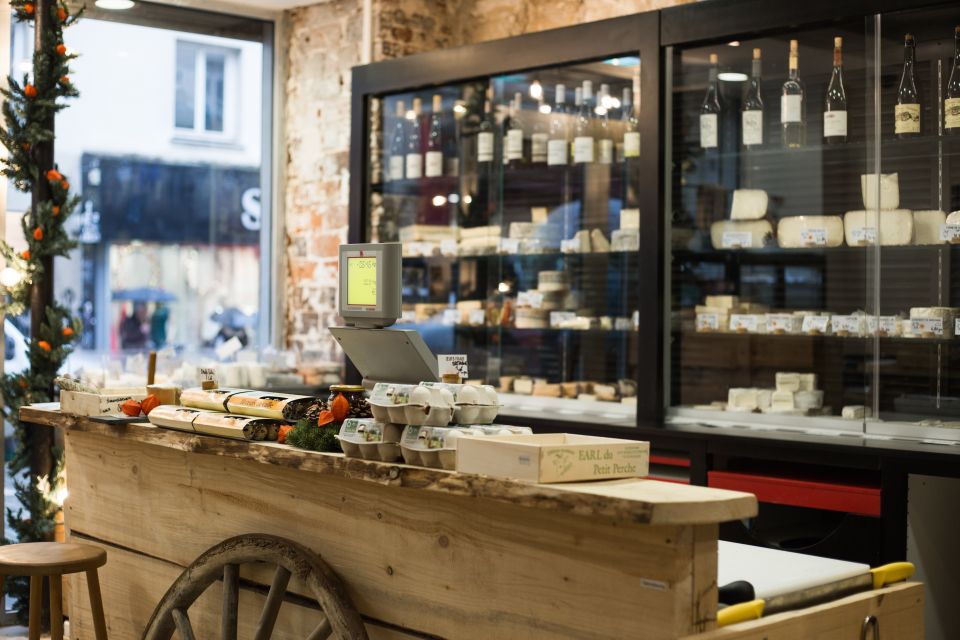
A lot of tastings offer a “greatest hits” menu. This class is more educational because it pushes variety: seven cheeses from multiple regions, plus different types, textures, and milk.
That variety is what helps you find a new favorite. Several people shared that they discovered a cheese they genuinely loved and would seek out again. For you, that means the class doesn’t just entertain—it can change what you order at a cheese shop later.
Also, the selection size is just right for learning. You don’t get overloaded. You get enough range to compare, without leaving you numb from too many bites.
Wine with rules: age 18+ and why that affects the vibe
The tasting includes 3 wines, and the minimum drinking age is 18. This matters for two reasons.
First, it shapes the group energy. If you’re traveling with teens, they can still enjoy the cheese learning part, but the wine element won’t work for them. Second, if you don’t plan to drink alcohol, you’ll want to think about how you’ll participate. The class is structured around the pairing sequence, so your experience may feel different if you skip wine.
The hosts make the class feel personal
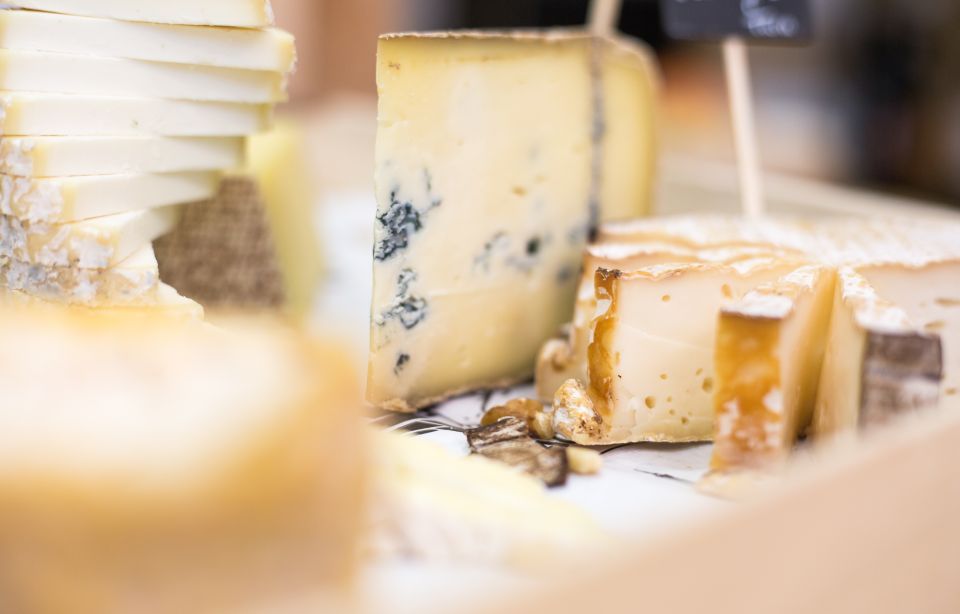
One reason this workshop earns strong scores is the hosting. Names that show up in past sessions include Gala, Pierre, Agathe, Guillaume, and Marie—and the common thread is a host who explains clearly and keeps the mood relaxed.
You’ll also feel that the guide is not just reading notes. People called out how hosts answer questions, add humor, and spend time with the group. One session described a setting that felt like a “cheese grotto,” which tells you the atmosphere is part of the magic.
And because the groups are small—sometimes around six, sometimes around twelve—you’re less likely to feel anonymous. You can actually ask a question and get a real answer.
Price and value: what $82 buys you in real terms
$82 per person for 90 minutes, with 7 cheeses, 3 wines, bread, and an English guide. On paper, that can sound like “too much for cheese.” In practice, it’s buying more than snacks.
Here’s where the value comes from:
- You’re paying for guided tasting, not just product access.
- The guide handles the pacing and pairing logic, which saves you time and guesswork.
- You get enough variety to make comparisons, which is what turns tasting into learning.
- You’re tasting in a 17th-century cellar, not a generic room.
You also might have a chance to buy wine at the end with a discount. One reviewer mentioned 10% off when purchasing wine afterward. That’s not guaranteed in all cases, but it’s a nice bonus if it’s offered on your date.
The only “cost” you should factor in is personal fit. If you can’t do lactose, skip this. And if you can’t drink, the pairing format will affect your participation.
Who this class is perfect for (and who should skip)
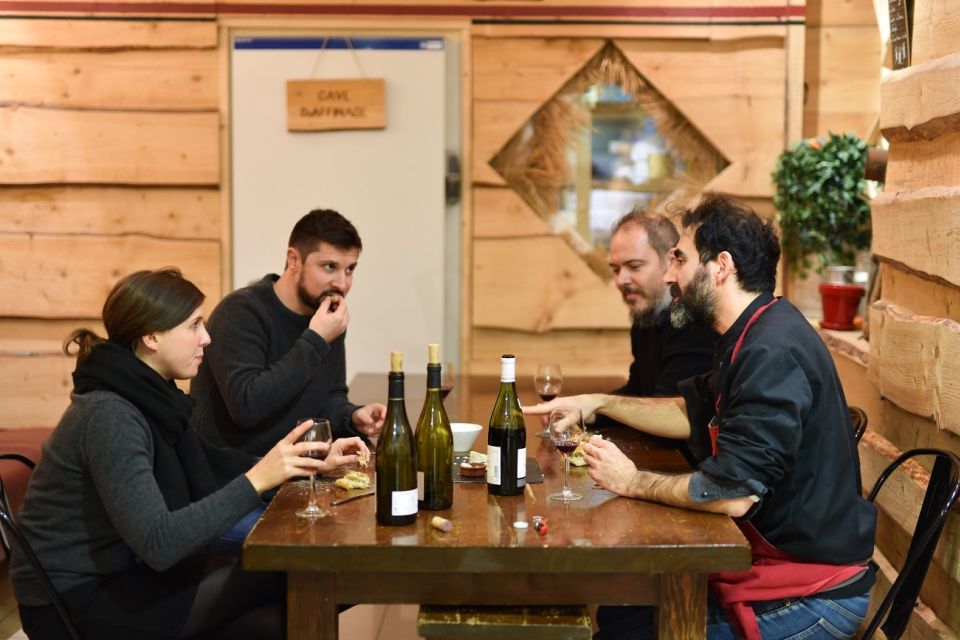
This workshop is a strong match if you want:
- A break from standard sightseeing
- A structured way to learn about French cheese and wine
- A small-group setting in real production surroundings
- English instruction with time for questions
It’s not a great match if:
- You have lactose intolerance (this is explicitly not suitable)
- You need wine without any alcohol requirement (the minimum drinking age is 18)
Also, pets aren’t allowed, so plan for that if you’re traveling with an animal.
Quick practical tips so you enjoy it more
- Go in hungry enough to enjoy cheese, but not so stuffed that everything tastes the same. (Bread is included, and you’ll have multiple tastings.)
- Take notes in your phone on your favorite cheese and pairing. Later, that helps when you shop.
- If wine isn’t your main focus, treat the class as a cheese education session first—the wine pairing is part of the format, but the cheese lesson is the backbone.
Should you book this Paris cheese and wine class?
I’d book it if you want a smart, fun food experience with real teaching in a memorable setting. The cellar location, the structured 7-cheese and 3-wine tastings, and the way the guides keep things interactive (with hosts like Gala, Pierre, Agathe, Guillaume, and Marie showing up in past sessions) make it feel worth the time—and the money.
Skip it if you’re lactose intolerant, or if the wine-based pairing won’t work for you due to the 18+ requirement. If that’s not your situation, this is an excellent way to end a Paris day with your senses sharper than when you arrived.
FAQ
Where is the meeting point for the class?
You meet at Musée Vivant du Fromage, 39 rue Saint Louis en l’île, 75004 Paris.
How long is the cheese and wine class?
The class lasts 90 minutes.
What is included in the experience?
You get a professional cheese and wine guide, tastings of 7 cheeses and 3 wines, and bread.
Do you include pickup and drop-off?
No. Pick-up and drop-off are not included.
What language is the instructor?
The instructor teaches in English.
Is there an age requirement for drinking wine?
Yes. The minimum drinking age is 18 years old.
Is this class suitable for lactose intolerance?
No. It is not suitable for people with lactose intolerance.
Are pets allowed?
No. Pets are not allowed.