REVIEW · ROUEN
Official English 2hrs Guided Tour of the Must-Sees of Rouen
Book on GetYourGuide →Operated by ROUEN TOURISME · Bookable on GetYourGuide
Rouen hits fast. In just 2 hours, you get a guided walk through the city’s big landmarks and the stories that made them matter, including Notre-Dame Cathedral and the Joan of Arc sites. I love the tight route that still feels like a proper introduction to Rouen, and I also like that it’s an official tour run by the Rouen Tourist Office with a certified guide. One thing to consider: English delivery can vary, and if you struggle with accents or low volume, plan to concentrate from the start.
You’ll meet at the Tourist Office area, then move through a classic Rouen sequence: cathedral, medieval streets, and the places tied to the old market square story. The tour is built for short attention spans and first-timers, but it’s also designed for comfort, with small-group pacing and a couple of natural pauses to reset.
In This Review
- Key highlights at a glance
- Getting Started at Rouen Tourist Office and Esplanade Marcel Duchamp
- Museum of Fine Arts, Rouen: Art Stop That Explains the City
- Place du Vieux-Marché: The Square That Stays in Your Head
- Catholic Church of St Joan of Arc: When the Story Gets a Building
- Palais de Justice: Civic Power and the Weight of Institutions
- Rue du Gros Horloge: The Great Clock Street and Medieval Charm
- Notre-Dame Cathedral, Rouen: The World’s Tallest Past and the Present Impact
- How the Tour Actually Feels: Pacing, Group Size, and English Clarity
- Timing the 2 Hours: What You Gain (and What You Don’t)
- Price and Value: What $53 Buys You in Rouen
- Who This Tour Is For (and Who Might Want a Different Plan)
- Should You Book This Rouen Must-Sees Tour?
- FAQ
- How long is the English guided tour?
- Where does the tour start?
- What sights are included?
- What is included in the price?
- Is the tour wheelchair accessible?
- Is the tour offered in English?
Key highlights at a glance
- Official Tourist Office guided tour with a certified National Guide Card
- Notre-Dame Cathedral as your anchor stop, with context beyond the postcard
- Place du Vieux-Marché and the Joan of Arc story in the right setting
- Rue du Gros Horloge for medieval atmosphere and the iconic Great Clock
- A route that links art, law, religion, and daily life in one visit
Getting Started at Rouen Tourist Office and Esplanade Marcel Duchamp

This is the kind of tour that works best when you show up ready to walk. You’ll meet the guide at the Tourist Office area, and the tour begins from there near Esplanade Marcel Duchamp. You don’t need a plan in your head; the guide does the threading.
I like meeting points like this because you avoid guesswork. Once you’re with the group, the city organizes itself: you start seeing how the cathedral zone, the medieval streets, and the civic buildings connect. It also helps if you’re coming off trains or buses and just want someone to take the lead.
One practical note: wear comfortable shoes. The itinerary is tight, and you’ll be on your feet for a good chunk of the 2 hours, even if there are a few brief pauses built into the route.
You can also read our reviews of more guided tours in Rouen
Museum of Fine Arts, Rouen: Art Stop That Explains the City

The first major stop is the Museum of Fine Arts, Rouen. Even if you don’t go deep inside, the setting matters. This museum stop is useful because it gives you a lens: Rouen wasn’t only a religious stage or a political backdrop. It also produced, collected, and framed culture over time.
What I like about including a fine arts museum on a “must-sees” walking tour is that it nudges you to look at Rouen as more than architecture. A good guide will help you connect what you see outside with how people historically viewed art, identity, and status.
Potential drawback: if you’re hoping for a long museum visit, this isn’t that. You’re there as part of a guided sequence, so it’s more about context than a full gallery session.
Place du Vieux-Marché: The Square That Stays in Your Head

Then you hit place du Vieux-Marché, the heart of a lot of Rouen’s public story. This is one of those places where the stones feel like they remember things. The guide’s job here is crucial: without the narrative, it can look like another historic square. With it, the square turns into a timeline.
This stop is tied to Joan of Arc, including the fact that her execution took place in the city. The tour also brings in a striking anecdote about how the place connected to her death was later repurposed as a restroom. Whether you find that detail shocking or darkly funny, it gives you a real sense of how locations can shift roles while staying fixed in the urban map.
If you like history with specific locations (not just dates floating in space), you’ll appreciate this stop. It’s the “story anchor” that makes the rest of the walk feel intentional.
Catholic Church of St Joan of Arc: When the Story Gets a Building

From the square, the tour moves to the Catholic Church of St Joan of Arc. This is where the Joan of Arc narrative gains physical form. Instead of hearing about the story as abstract history, you’re standing in a religious site tied to that memory.
This stop is valuable because it helps you understand why Rouen became a place people return to. Architecture and faith weren’t separate here. They were how communities remembered, argued, and marked identity.
One consideration: if you’re not particularly interested in churches, you might still find value here because the guide ties the site back to the same central story you saw at the square. The church works as a continuation, not a detour.
Palais de Justice: Civic Power and the Weight of Institutions

Next up is the Palais de Justice. It’s easy to walk past a big legal building and just register it as impressive. On this tour, that’s not the whole point. Your guide uses it to show how Rouen’s institutions shaped daily life, power, and public order.
This stop is a reminder that history isn’t only about kings, saints, or battles. It’s also about who had authority in courtrooms, how cities enforced rules, and how law became part of the city’s skyline.
Practical downside: if the group is moving quickly, details can feel like they come in fast bursts. Still, this is exactly why you should bring a notebook mindset: you’ll likely want to jot a couple names or dates to look up later.
Rue du Gros Horloge: The Great Clock Street and Medieval Charm

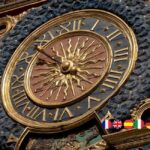
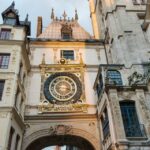
If you like streets that make you slow down, you’ll enjoy Rue du Gros Horloge. The walk here is centered on the 14th-century Great Clock, a visual landmark you can’t ignore. It’s the kind of stop where photos make sense, but the story makes it better.
The guide’s commentary matters because the clock isn’t just a decoration. It reflects how time was organized in medieval life, and it’s tied to the rhythm of commerce and public activity. The street setting also gives you a taste of how Rouen’s medieval character lives in everyday space, not only behind ropes.
One small consideration: the route is designed to keep momentum, so you won’t have unlimited lingering time at every photo angle. If you’re the type who likes to take 20 minutes on each façade, you might feel a bit rushed. The upside is that you’ll also have the energy to explore more after the tour.
Notre-Dame Cathedral, Rouen: The World’s Tallest Past and the Present Impact

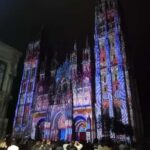
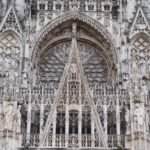
Finally, you reach Notre-Dame Cathedral, Rouen, and it’s the kind of stop that resets your expectations. This cathedral carries a story people remember because it’s unusual: it once held the title of the world’s tallest building. Hearing that fact is interesting, but what matters is what your eyes do next—tracing the scale, the details, and the sheer presence.
This stop works well on a short tour because it sets a high emotional level for the whole experience. After the cathedral, everything else feels like supporting evidence: the clock, the squares, the church, the civic buildings. Rouen’s identity clicks into place as one system.
One thing to plan for: cathedral interiors can be cooler and sometimes busier than expected. You’ll likely spend enough time to appreciate it with the guide’s explanation, but not so long that you feel trapped.
How the Tour Actually Feels: Pacing, Group Size, and English Clarity
This is billed as an English tour with small groups to prioritize quality time and space. I like that format for a city like Rouen, where you’re constantly looking up and negotiating narrow corners. Small groups also make it more likely the guide can pace with you rather than drag everyone forward.
Now, the honest part: English clarity can be a wildcard. The guide on your date might speak softly or have a heavy accent. Some guides have been described as low talkers, and others as having French-accented English that took concentration to follow. The good news is that even when comprehension is a bit harder, the content has still been described as detailed, with exact dates and strong historical context.
So here’s my practical advice: arrive mentally ready to focus. If you know you struggle with accented English, consider going with the expectation that you’ll catch most of it, but you may need a second listen when the guide hits key names or dates.
Also, don’t be surprised if the tour ends without a long goodbye. A fast exit at the end was noted, but it doesn’t usually affect the experience itself—it just means you should be ready to ask your last questions during the final stretch if you want to.
Timing the 2 Hours: What You Gain (and What You Don’t)

A 2-hour guided “must-sees” tour is a smart first visit, but you should treat it like orientation. You’re learning the map and the story logic of Rouen, not trying to master every monument.
You gain:
- A route that connects major themes: religion, civic life, public memory, and medieval timekeeping
- Enough background to make self-guided exploring after the tour much easier
- Guided storytelling that turns a list of landmarks into a coherent narrative
You don’t gain:
- Extended time inside museums or in-depth time in each building
- Slow, linger-and-stare pacing for every photo spot
If you want deep museum time or long cathedral downtime, plan to return after. This tour is best as your first or second Rouen pass, not your only one.
Price and Value: What $53 Buys You in Rouen
At $53 per person for a 2-hour official guided experience, the value is mostly in the guide and the efficiency. You’re not just buying access to sights—you’re buying someone to stitch them together with context and dates you might not get on your own.
Here’s how I’d judge whether it’s worth it for you:
- If you want a structured introduction to Rouen, this is a fair deal. The official nature, certified guide credentials, and tight route make it easier to get the most from limited time.
- If you already know Rouen well and prefer slow independent wandering, you may not need a guided format. For experienced travelers, the value drops because you’ll want your own pace.
The key point: in a short stay, a guided route like this often saves you time, not just money. You spend less energy figuring out what to see in what order, and more energy actually enjoying the city.
Who This Tour Is For (and Who Might Want a Different Plan)
This tour is a great fit if:
- You want a first look at Rouen with clear historical storytelling
- You care about Joan of Arc locations and how they connect across the city
- You like architecture but also want it explained
- You prefer small-group walking over big, noisy crowds
It may be less ideal if:
- You rely on detailed English delivery and know accents usually frustrate you
- You prefer long indoor time or slower museum browsing
- You want maximum free time at each stop rather than a structured route
If you’re unsure, pick the “first-timer” mindset. This is built to give you bearings fast, then let you take over.
Should You Book This Rouen Must-Sees Tour?
I’d book it if your goal is to understand Rouen quickly and confidently. The official guide, the targeted lineup of major landmarks (Notre-Dame, Joan of Arc sites, Gros Horloge, and key civic buildings), and the small-group approach make it a solid use of limited time.
Before you click confirm, decide how you handle guided English with accents. If you’ve struggled with heavy accent English in the past, go in with awareness so it doesn’t sour your day. And if you’re someone who needs lots of quiet time alone, plan to follow the tour with extra self-guided wandering on your own.
If you want, tell me your travel dates and your hotel area in Rouen. I can suggest the best add-on stops after the tour so your 2 hours turn into a full Rouen day.
FAQ
How long is the English guided tour?
The tour lasts 2 hours.
Where does the tour start?
The tour starts at Esplanade Marcel Duchamp. The guide meets you in front of the Tourist Office.
What sights are included?
It includes a guided visit at the Museum of Fine Arts, Rouen; Place du Vieux-Marché; the Catholic Church of St Joan of Arc; Palais de Justice; Rue du Gros Horloge; and Notre-Dame Cathedral, Rouen. It finishes at Place du Vieux Marché.
What is included in the price?
The price includes an official tour guide with a certified National Guide Card.
Is the tour wheelchair accessible?
Yes, the tour is wheelchair accessible.
Is the tour offered in English?
Yes, the live guided tour is in English.