REVIEW · PARIS
Montmartre Sacré Coeur and Moulin Rouge best shops and cafés
Book on Viator →Operated by Visit Paris · Bookable on Viator
Montmartre is more than Sacré-Cœur and a quick photo at the Moulin Rouge. This 90-minute walk connects the famous sights with small shops, old cafés, artists’ studios, and local food stops, giving you a better sense of how the neighborhood works beyond its postcard views.
I like the route for two clear reasons: it packs a lot into a short time, and guide Jeanette brings an upbeat, personal touch to the stories. I also like the useful food and shopping advice, especially if you want to return later for a bakery stop or a proper meal.
The trade-off is the pace. Montmartre is hilly, and 90 minutes leaves little time to linger, shop, or enter attractions. You should also expect a walk rather than a seated tour, with a moderate fitness level needed.
In This Review
- Key points
- From Moulin Rouge to the streets of Montmartre
- The Wall of I Love You in 250 languages
- Le Moulin de la Galette and Montmartre’s painters
- A working vineyard and the best bakery clues
- The Pink House and a Picasso connection
- Place du Tertre and today’s working artists
- Sacré-Cœur and the Paris view
- What the 90-minute timing means
- Group size, walking effort, and meeting details
- How the guiding style shapes the experience
- Who should book this Montmartre walk?
- Should you book it?
- FAQ
- How long does the Montmartre tour last?
- What language is the tour offered in?
- Where does the tour start?
- Where does the tour finish?
- Is admission included?
- How far in advance can I cancel for a full refund?
Key points
- Moulin Rouge begins the story: Hear about Paris cabaret history and pause for photos outside the famous venue.
- 250 languages at the Wall of I Love You: Search for your own language at this unusual Montmartre artwork.
- Artists and windmills meet: Learn about Picasso, Renoir, and Van Gogh near Le Moulin de la Galette.
- Food advice is part of the tour: Jeanette points out bakeries, cafés, French dishes, and pastries worth trying.
- The final reward is Sacré-Cœur: Finish at the basilica with views across Paris and an explanation of its exterior details.
- A small-group format: The tour allows up to 25 people and is offered in English with a mobile ticket.
From Moulin Rouge to the streets of Montmartre
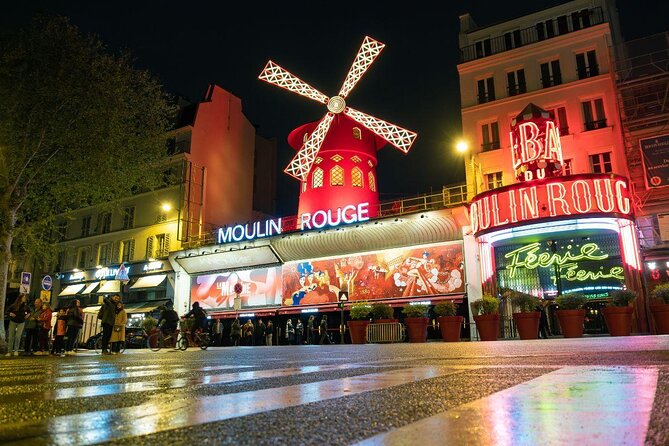
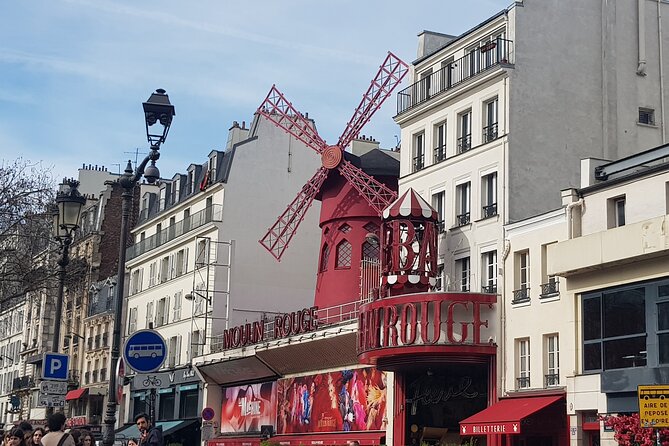
The meeting point is 82 Boulevard de Clichy, close to the Moulin Rouge. That makes the opening easy to recognize, though Boulevard de Clichy is busy and urban compared with the quieter lanes higher on the hill.
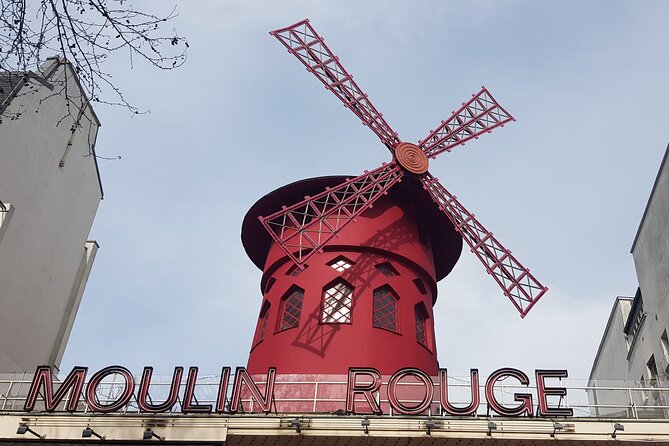
You begin with the story of the Moulin Rouge and time for photographs. The tour does not include a cabaret show, so think of this as an outside introduction to one of Paris’s best-known entertainment venues. It is a useful starting point because Montmartre’s past is tied closely to nightlife, artists, performers, and the bohemian image that still draws people uphill today.
Jeanette is the named guide associated with this experience. Her style comes through as energetic, friendly, and full of stories about Paris and the neighborhood. That matters here. Montmartre can look like a chain of pretty streets, but a good guide helps connect the buildings, artists, cafés, and landmarks into a single story.
You can also read our reviews of more shopping tours in Paris



The Wall of I Love You in 250 languages
One of the first clear stops is the Wall of I Love You, a public artwork covered with the phrase in 250 languages. You get about 10 minutes here, and admission is included.
This is a simple stop, but it works well early in the walk. You can look for your own language, take photos, and see how a familiar phrase changes across scripts and alphabets. It also gives the tour a lighter moment before the route turns toward Montmartre’s artistic past.
Do not expect a major museum visit or a long guided explanation here. The value is in the quick visual pause and the chance to see a well-known corner of the neighborhood without spending time figuring out where it is yourself.
Le Moulin de la Galette and Montmartre’s painters
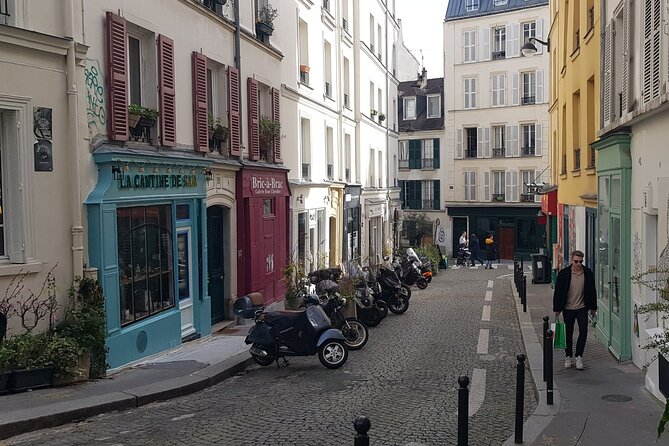
On the way to Le Moulin de la Galette, the route passes French designer and vintage shops. This is one of the more useful parts of the walk if you want to shop in Montmartre but do not know where to begin.
The emphasis is on addresses and local flavor rather than a dedicated shopping session. You will not have time to browse every store during a 90-minute tour, but you can note places that suit your style and return later. That is a practical benefit of walking with a guide who knows the neighborhood well.
At the old windmill, Jeanette explains Montmartre’s past and the painters who lived or worked nearby, including Picasso, Renoir, and Van Gogh. Le Moulin de la Galette is a reminder that this hill was once associated with windmills and village life, not only souvenir shops and sightseeing crowds.
The artists’ connection gives the neighborhood more depth. You begin to see why Montmartre attracted painters and why its cafés, studios, squares, and narrow streets became part of Paris’s cultural identity. The tour does not promise entry into artists’ homes or museums, so the experience here is mainly visual and interpretive.
A working vineyard and the best bakery clues
The walk continues to Montmartre’s last active vineyard, which still produces red and rosé wine. That small detail helps explain why the area feels different from central Paris. Montmartre has a village past, and the vineyard is a surviving piece of it.
You will see the vineyard rather than take part in a wine tasting. That distinction is important if you are booking this mainly for food and drink. Still, it is an unusual sight in Paris and a good stop for understanding the hill’s older character.
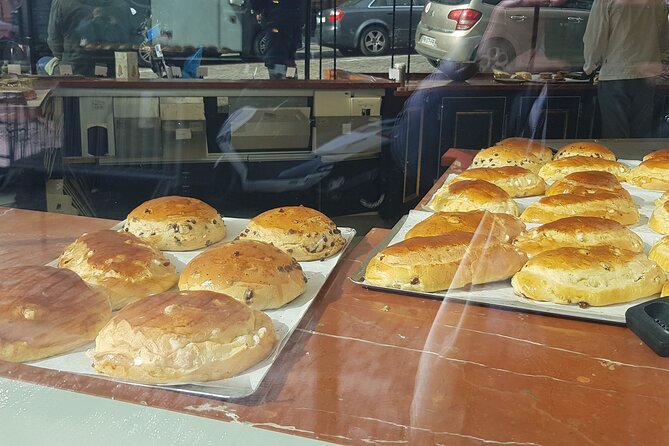
Along the way, Jeanette points out bakeries and cafés. This is where the tour becomes useful for the rest of your stay. Instead of simply checking off a famous street, you can collect ideas for breakfast, coffee, pastries, or a later meal.
The information is especially helpful because food advice can be hard to judge from a quick look at a menu. The tour promises guidance on French gastronomy, including dishes and pastries worth trying. You will still need to choose and pay for your own food separately, but the suggestions can help you make a better choice than stopping at the first place with a good view.
The Pink House and a Picasso connection
The famous Pink House is another memorable photo stop. It is linked with Pablo Picasso as a favorite restaurant, giving the building a place in the artistic story of Montmartre.
The tour uses the stop to discuss what to eat during your stay. Jeanette can point you toward a dish or pastry to try and share addresses for French food. That combination of sightseeing and practical advice is one of the strongest features of the experience.
The Pink House itself is not presented as a private visit or included meal. You should treat it as an exterior landmark and a food-focused recommendation stop. If you want to eat there or at another café, plan separate time after the walk.
This is also a good place to remember that Montmartre rewards a slower second visit. On the tour, you may only pause briefly. Later, you can return to the cafés or shops that caught your attention without trying to fit a full meal into the group’s schedule.





Place du Tertre and today’s working artists
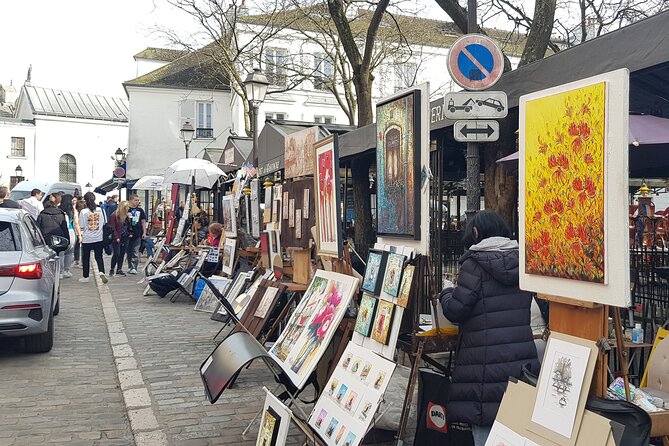
Place du Tertre brings you into one of Montmartre’s most recognizable public squares. Artists display their paintings here, continuing the neighborhood’s association with art in a modern form.
The tour includes a visit to Kiki, one of the painters, along with a look at the iconic cafés around the square. This gives you more than a quick pass through the plaza. You get a chance to see how artists still present their work in the same general quarter that became famous for painters.
The square can be crowded and commercial in feel, so expectations matter. It is not a quiet studio district, and the artists’ presence is part of an active tourist area. Even so, the stop helps connect the old stories of Picasso, Renoir, and Van Gogh with the people making and showing art in Montmartre today.
If you are interested in buying a painting, the tour may help you understand where the artists work, but the available information does not promise shopping time or assistance with purchases. Keep your wallet and schedule flexible.
Sacré-Cœur and the Paris view
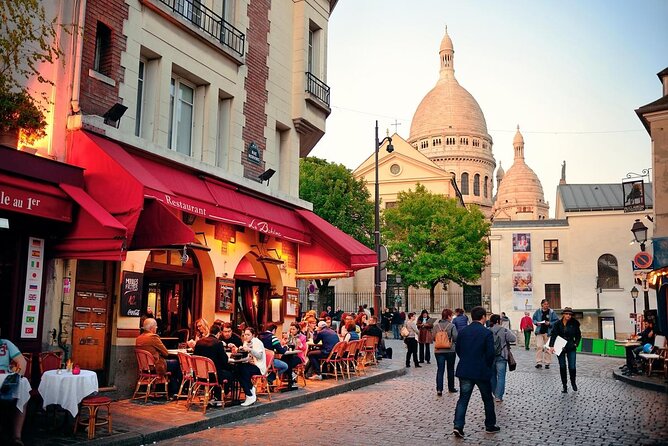
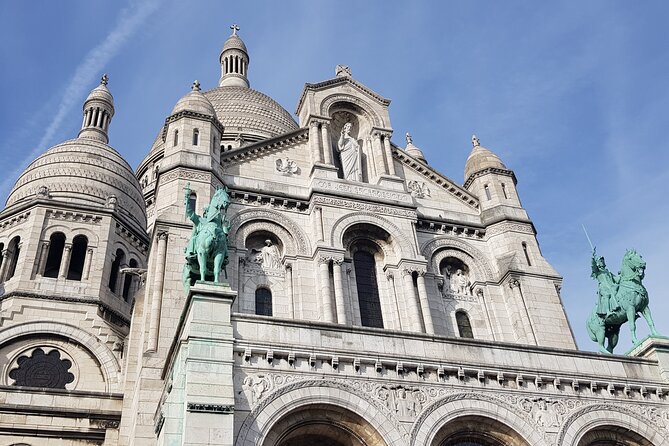
The final stop is the Basilica of the Sacred Heart of Paris, usually called Sacré-Cœur. The address is 35 Rue du Chevalier de la Barre, and the walk ends there rather than returning to the Moulin Rouge.
The basilica sits at the top of the hill, so finishing here makes sense. You get the reward of a broad view over Paris after walking uphill through the neighborhood. The tour includes about 10 minutes at the basilica, with no admission charge for the stop.
Jeanette explains the architecture, gargoyles, and sculptures on the outside. This is an exterior-focused visit, not a guaranteed interior tour. If you want to go inside or spend longer at the viewpoint, leave extra time after the scheduled walk.
The view is one of the main reasons to end here. You can look back over the route and understand Montmartre’s position above the city. Bring comfortable shoes, since the hill and uneven streets are part of the experience rather than a minor detail.
What the 90-minute timing means
At $29.79 per person, this is priced as a short guided orientation rather than a full-day excursion. I think the value is good if you want a human introduction to Montmartre, especially on a first Paris visit or early in your stay.
You are paying for a compact route, an English-speaking guide, neighborhood stories, photo stops, and practical suggestions for food and shopping. You are not paying for a meal, cabaret admission, wine tasting, museum entry, or a long visit inside Sacré-Cœur.
The 90-minute length is both an advantage and a limit. It works well when you have a packed Paris schedule and want to get your bearings quickly. It also leaves you free to continue exploring at the basilica or return to a café afterward.
The route includes many stops, so some visits will be brief. If your ideal Montmartre day involves sitting for an hour in a café, browsing vintage clothing, or studying paintings in detail, use this tour as an introduction and then stay in the area on your own.
Group size, walking effort, and meeting details
The group can include up to 25 people. That is not a private walk, and the size may affect how easily you can hear or ask questions, especially near busy streets and popular squares. The supplied experience information also records a private tour as a possible format in at least one booking, but you should confirm the exact arrangement when booking if a private experience matters to you.
You need a moderate level of physical fitness. The route climbs Montmartre’s hill and includes walking between several stops. Comfortable shoes are more important here than stylish footwear, even in Paris.
The tour is offered in English and uses a mobile ticket. Confirmation comes when you book. Service animals are allowed, and the meeting point is near public transportation.
The walk ends at Sacré-Cœur, not back at the starting point. That is convenient if you plan to continue sightseeing on the hill, but less convenient if you need to return to Boulevard de Clichy immediately. Plan your next movement from the basilica rather than assuming you will finish where you began.
How the guiding style shapes the experience
The strongest praise attached to Jeanette centers on her energy, warmth, and command of Paris history. One account describes her as the perfect guide, while another gives the tour a full recommendation and points to the unexpected pleasure of learning Montmartre’s past.
That praise fits the structure of the walk. The route asks a guide to switch between cabaret, public art, painters, shopping, food, vineyards, and church architecture. A flat list of facts would make those stops feel disconnected. Jeanette’s personal way of linking them is likely to be the main reason the walk works.
You should book this for conversation and context, not for a silent audio-guide experience. The guide adds value by helping you decide what deserves a return visit and by explaining details you might otherwise pass without noticing.
The experience also suits people who enjoy practical tips. The food and shopping advice is not an extra decoration. It gives you a plan for what to do after the tour, from finding a bakery to choosing a French pastry or checking out a designer and vintage shop.
Who should book this Montmartre walk?
I would recommend it to first-time Paris visitors who want to understand Montmartre before exploring it alone. It is also a good fit if you have only a short window and want Moulin Rouge, the Wall of I Love You, Le Moulin de la Galette, the vineyard, Place du Tertre, and Sacré-Cœur in one route.
Food-focused visitors will appreciate the bakery, café, dish, and pastry suggestions. Art lovers will get useful context about Picasso, Renoir, Van Gogh, and the artists working around Place du Tertre today.
You may want something else if you need a private, slow-paced experience or an extended visit inside the basilica. The walk does not include a Moulin Rouge show, a meal, wine tasting, or guaranteed indoor access at Sacré-Cœur.
Free cancellation is available if you cancel at least 24 hours before the start time. Changes made inside that period are not accepted, and the experience requires a minimum number of participants. If the provider cancels for that reason, you are offered another date or experience, or a full refund.
Should you book it?
Book this tour if you want a lively introduction to Montmartre with useful local tips, not just a march between famous buildings. The $29.79 price is fair for a 90-minute English walk that combines landmarks, art, food, shops, and a final Paris view.
I would pair it with free time afterward. Use the guided route to learn the neighborhood, then return to the Pink House, Place du Tertre, a recommended bakery, or the basilica at your own speed. That combination gives you both the context of a guide and the freedom Montmartre deserves.
FAQ
How long does the Montmartre tour last?
The experience lasts approximately 1 hour and 30 minutes.
What language is the tour offered in?
The tour is offered in English.
Where does the tour start?
It starts at 82 Boulevard de Clichy, 75018 Paris, France.
Where does the tour finish?
The walk ends at the Basilica of the Sacred Heart of Paris, at 35 Rue du Chevalier de la Barre, 75018 Paris, France.
Is admission included?
The Wall of I Love You stop includes admission. The Sacré-Cœur stop has no admission charge. The experience does not state that Moulin Rouge admission, meals, wine tasting, or other attraction tickets are included.
How far in advance can I cancel for a full refund?
You can cancel at least 24 hours before the experience start time for a full refund. Cancellations made less than 24 hours in advance are not refunded.