REVIEW · PARIS
Montmartre: Private Treasure Hunt for Families and Kids
Book on GetYourGuide →Operated by MEET THE LOCALS FOR FAMILIES · Bookable on GetYourGuide
Montmartre can be a hard Paris neighborhood to tackle with children. The steep hill, crowds, and long stretches of art history may test young attention spans. This private treasure hunt changes the pace: kids follow riddles and games while you take in far-reaching Paris views from the hilltop esplanade.
I like the cable-car ride because it saves energy at the start, and I like the activity booklets because each child has something to do between stops. The guide also brings Montmartre’s artists and old village life down to a child-friendly level.
The main drawback is the price: $577 for up to four people is a serious spend for two hours, especially if your group is small. The experience makes the most sense for a family that values a private guide and needs a carefully planned activity.
In This Review
- Key points to know before booking
- Why a Montmartre treasure hunt works for families
- Meeting outside Anvers and heading uphill
- The hilltop view gives the tour an early reward
- Artists become clues instead of a lecture
- Windmills, vineyards, and cabarets add local character
- The public gardens bring the hunt to a playful close
- What the two-hour length means
- Is $577 good value for four people?
- The guide can make or break the experience
- Who should book this Montmartre activity?
- Practical details before you reserve
- Should you book the Montmartre treasure hunt?
- FAQ
- Where does the Montmartre treasure hunt meet?
- How long does the activity last?
- Is the experience private?
- What language is the tour conducted in?
- Are children given anything during the activity?
- Does the tour include a cable-car ride?
- What is the cancellation policy?
Key points to know before booking
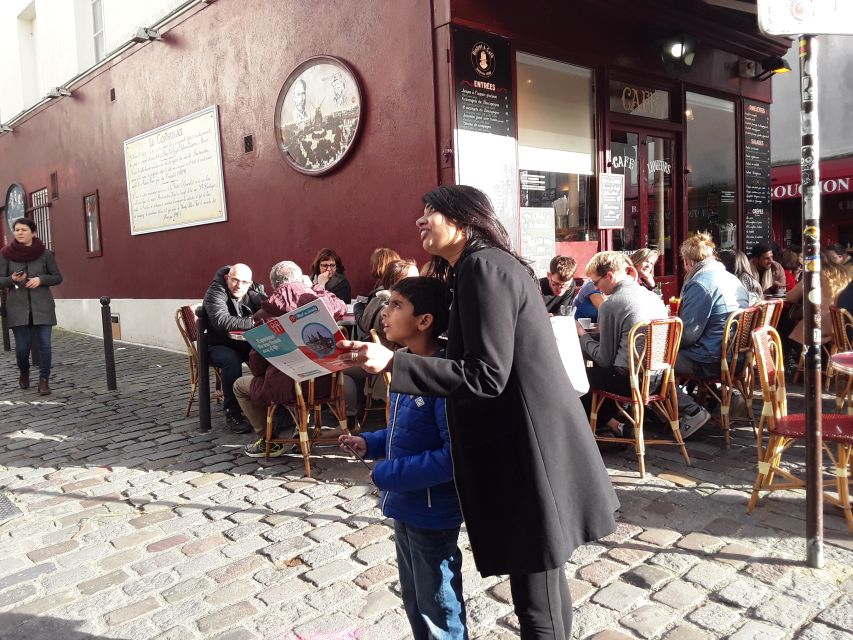
- A private family format: Your group has its own English-speaking guide rather than joining a larger public walk.
- A cable-car start: Meet outside Anvers metro station, then ride up toward the hilltop viewpoint.
- Riddles about famous artists: Children learn about Dali, Picasso, and the creative life of Montmartre through games.
- More than paintings: The route includes stories about windmills, vineyards, cabarets, gardens, and local characters.
- A reward at the finish: Each child receives a gift after solving the final challenges.
- A two-hour commitment: The short format fits well into a family day in Paris, but the route is active and hill-based.
Why a Montmartre treasure hunt works for families
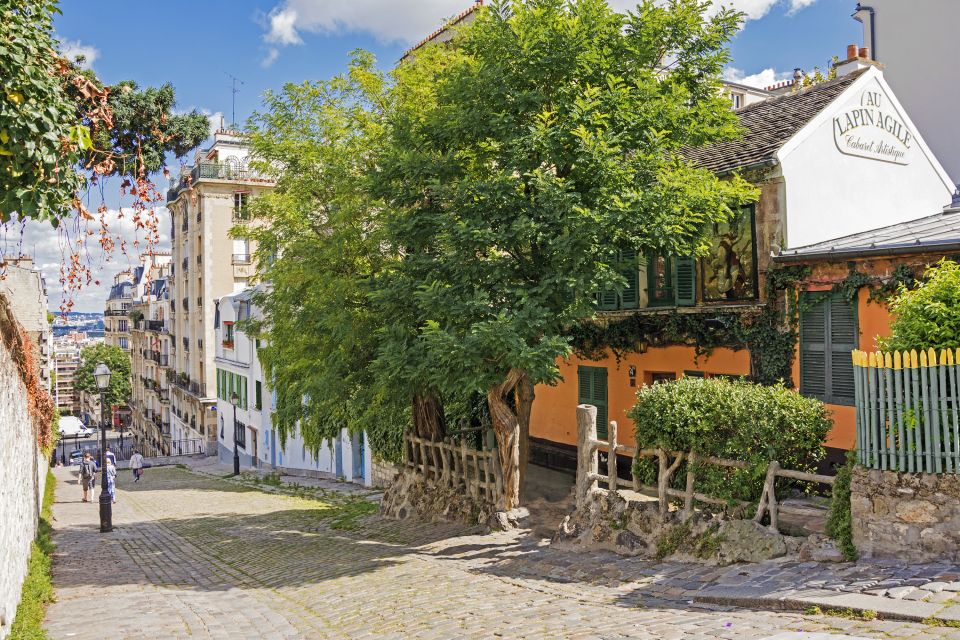
Montmartre has plenty to offer adults, but its pleasures are not always easy to explain to a six-year-old. The neighborhood is known for artists, old cabarets, vineyards, windmills, and views across Paris. For a child, that can sound like a string of facts.
A treasure hunt gives those facts a job. Instead of simply listening to a guide describe artists, your children answer questions, solve riddles, and take part in small games. You still hear the stories, but the children have a reason to pay attention.
I especially like the private format. A guide can keep the pace suited to your family, spend more time on a question if your children are curious, or move on when attention starts to fade. The activity is designed for children, but adults are not left with an empty walk. You get a guided introduction to one of Paris’s most unusual districts.
The setting helps. Montmartre feels different from the grand boulevards and formal monuments elsewhere in Paris. The village-like atmosphere, steep streets, artists’ stories, and views give the tour a clear sense of place. You are not just completing a worksheet in a museum. You are using the neighborhood itself as the game board.
You can also read our reviews of more private tours in Paris


Meeting outside Anvers and heading uphill
The meeting point is by the news stand outside Anvers metro station. That detail matters because Anvers is a busy area, and a clear landmark makes the first meeting easier. Look for the guide near the news stand rather than waiting somewhere inside the station.
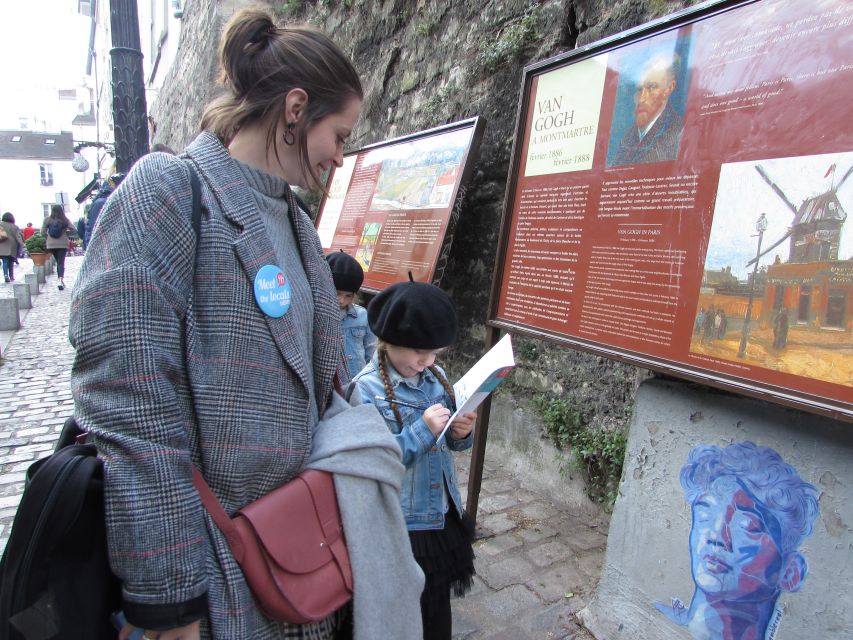
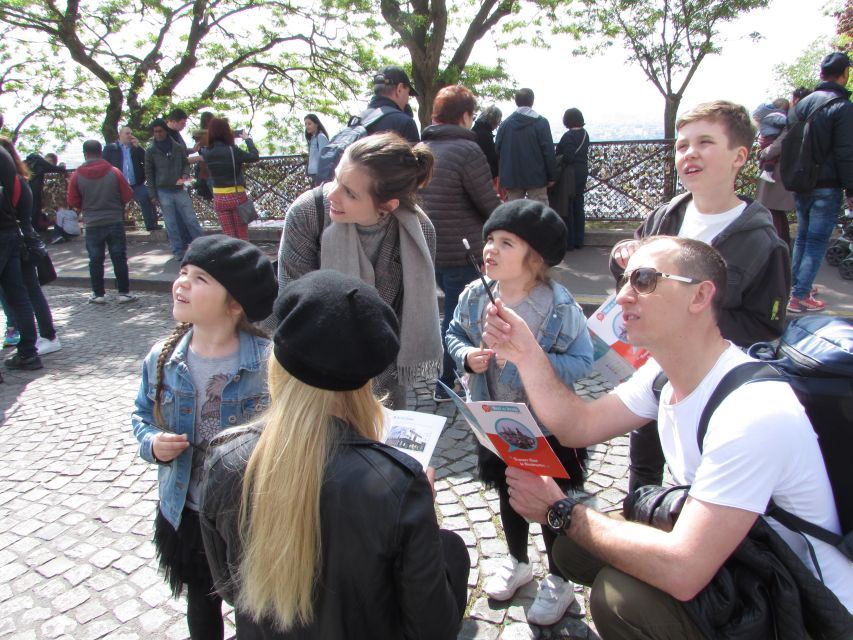
The guide supplies an activity booklet for each child. That is a useful touch for families with more than one child, since each child has a personal set of questions and riddles. It also gives your children something to hold and follow from the beginning.
From Anvers, the group heads toward the top of the hill by cable-car. This is one of the practical strengths of the experience. Montmartre is famous for its slopes, and starting with the uphill ride avoids using your children’s energy before the hunt really begins.
The cable-car is also more than simple transport. It creates a clear opening to the tour. You begin by moving above the streets, then reach the esplanade for one of the best viewpoints in Paris. That early payoff can help children understand why they have come to Montmartre.
The information provided does not give a fixed departure time, so you need to check availability for the date you want. The tour lasts two hours, which is long enough for a proper neighborhood visit but short enough to fit around another Paris plan.
The hilltop view gives the tour an early reward
At the top, the esplanade offers a broad view across Paris. This is the sort of stop that works for the whole family: adults get a strong sense of the city, while children get a clear visual reward after the ride uphill.
Your guide can use the view as a way to set the scene for Montmartre. The district sits apart from the usual Paris experience, and the height helps explain why the neighborhood has long felt like its own village above the city.
Do not expect a quiet, private viewpoint. Montmartre is one of Paris’s most popular areas, and the viewpoint is part of a well-known sightseeing zone. The private guide does not remove the public setting. What it does is give your family a planned activity and a person to keep the visit moving.
The view is also weather-dependent. On a clear day, it should be a major highlight. On a gray day, the cultural part of the tour becomes more important, since the experience is not built around the view alone.
Artists become clues instead of a lecture

The treasure hunt uses Montmartre’s artists as its main story. Children learn about famous painters such as Salvador Dali and Pablo Picasso through questions and games about their lives and work.
That approach suits the neighborhood. A standard art talk can lose younger children quickly, especially when the group is standing on a street rather than inside a museum. A riddle gives them a small problem to solve, and the answer opens the door to another piece of the story.
You should expect the guide to connect artists with the area rather than provide a full art-history course. Two hours is not enough for an exhaustive account of every painter who passed through Montmartre. The value is in giving children an approachable first look at the creative figures linked to the district.
I would also treat the activity booklet as a prompt, not a school assignment. The best use of it is to keep children looking, listening, and talking. Parents can join in too. If your family enjoys puzzles, the booklet may become the center of the walk. If your children dislike written activities, the guide’s games and spoken stories will matter more.
One of the strongest features is the balance between art and place. Your children are not only hearing about Dali and Picasso in isolation. They are learning that Montmartre attracted artists and developed a particular creative identity. That makes the stories easier to remember.
Windmills, vineyards, and cabarets add local character
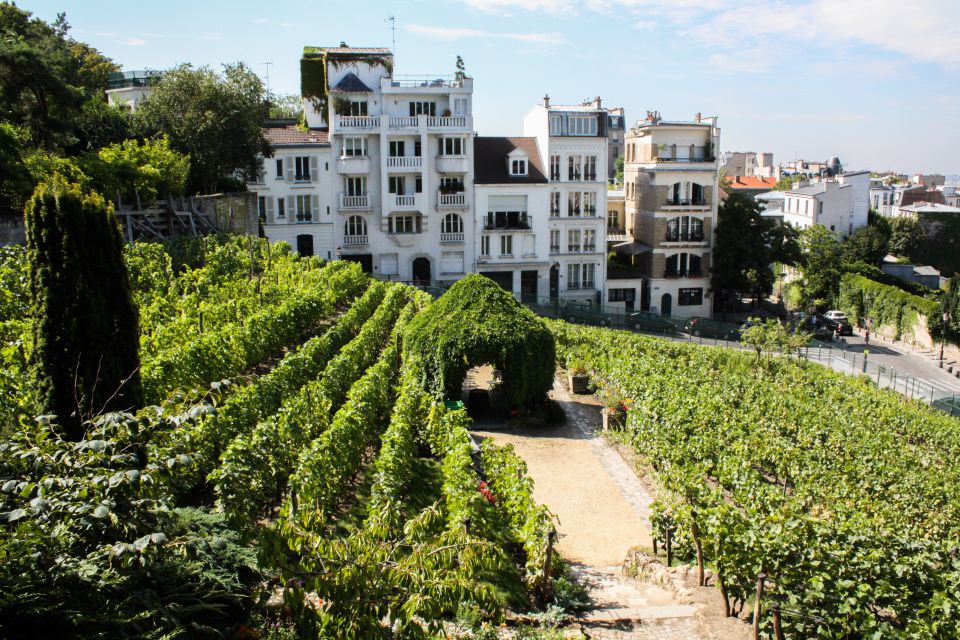
The tour also covers Montmartre’s windmills, vineyards, and cabarets. These subjects make the neighborhood feel less like a list of famous names and more like a lived-in place with surprising layers.
Windmills are an especially good theme for children because they are easy to picture. Vineyards offer another surprise: Paris is usually imagined as a city of stone streets and monuments, yet Montmartre has a connection to growing grapes. Cabarets introduce the district’s entertainment culture, though the guide presents these subjects within a family-friendly format.
The exact amount of time spent at each feature is not specified. That is worth keeping in mind if you have one particular site in mind. This is a guided story walk, not a promise of extended visits to every attraction in the neighborhood.
The guide’s job is to turn these details into challenges and conversation. Children may be asked to recall a fact, solve a clue, or take part in a playful task. Adults get the broader context, while children get a reason to notice the surroundings.
This variety also helps the two-hour format. If your child is less interested in painting, a story about a windmill or cabaret may bring them back into the activity. The tour has several themes to work with, rather than relying on art alone.






The public gardens bring the hunt to a playful close
Near the end, the group makes its way to public gardens. This gives the experience a change of pace after the hilltop views and street-based storytelling.
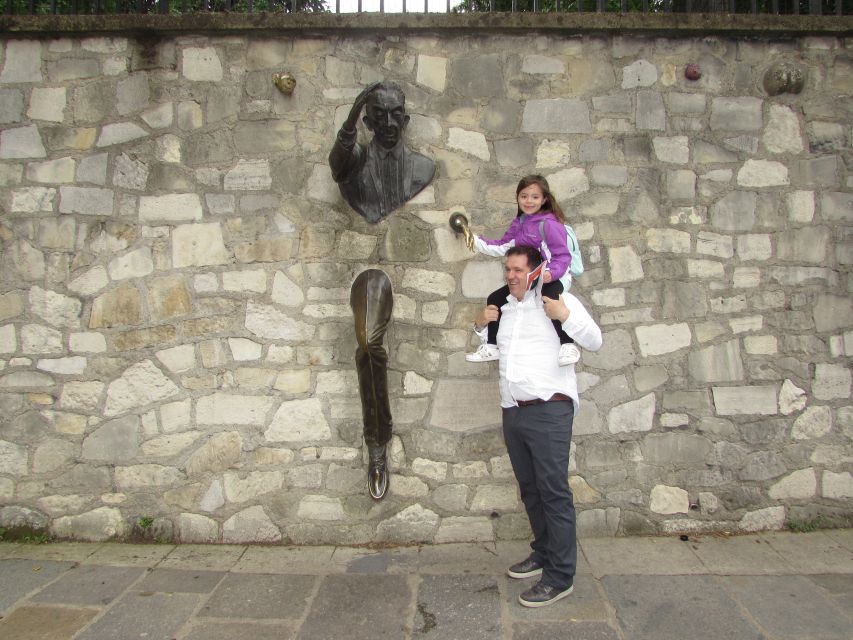
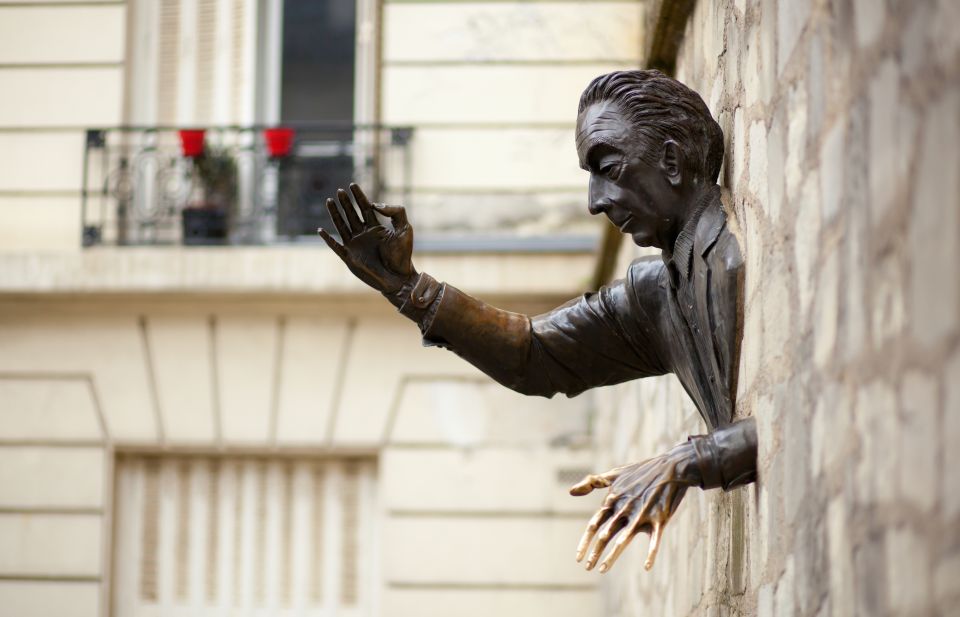
The final activities are deliberately playful. Children solve more riddles, shake hands with a former local resident, cure another person’s headache, and receive a lesson in French Romance. These descriptions suggest a mix of imaginative play, local storytelling, and simple interaction rather than a formal history stop.
That kind of ending matters. A treasure hunt needs a finish that feels different from the middle. Moving into a garden and completing a series of odd, memorable tasks gives children a clear sense that they have reached the final stage.
Some of the wording is theatrical, so you should expect playful interpretation rather than literal medical or historical instruction. The point is participation. Parents who prefer a quiet sightseeing walk may find the activities a little unusual, but families looking for something their children can act out will likely appreciate the change.
Each child receives a gift as a reward. The gift is not the main reason to book, but it gives the hunt a satisfying conclusion and recognizes each child’s effort. It also helps the activity feel like a complete experience rather than a walk that simply ends when the guide checks the time.
What the two-hour length means
Two hours is a sensible length for a family-focused visit to Montmartre. It gives you time for the cable-car ride, the viewpoint, the artist stories, the neighborhood themes, and the garden challenges without taking up half a day.
The short duration also limits the amount of material the guide can cover. You will get selected stories and clues, not a full tour of every street or every artist connected with Montmartre. If you want a long historical walk, this will feel brief.
On the other hand, a shorter tour can protect family energy. Montmartre’s slopes can be tiring, and children may be ready for a change after two hours of concentrated activity. You can use the rest of the day for lunch, another attraction, or a slower walk through the area.
The route is active. Even with the cable-car helping with the ascent, you should expect walking through a hilly district. The activity description does not give a detailed accessibility plan, so families with specific mobility needs should confirm the route before booking.
Is $577 good value for four people?
The price is $577 per group of up to four people. With four participants, that works out to about $144 per person. With only two people, the cost rises to about $288 per person, so the size of your group has a major effect on value.
The fee includes a private kid-friendly guide, an activity booklet for each child, and a gift for each child. The private format is the main reason to consider the price. You are paying for a family-focused pace and a guide whose attention is reserved for your group.
I would consider it better value for four people than for two. A family of four can spread the group price across more participants, and the children receive individual materials and rewards. For a small family or a child who already enjoys independent sightseeing, the cost may be harder to justify.
The tour also saves you from planning a child-friendly Montmartre route on your own. You do not need to invent questions about artists or work out how to combine the viewpoint, neighborhood stories, and gardens. That convenience has real value during a short Paris stay.
Still, this is not a budget activity. You can visit Montmartre without a private hunt, and the public streets and views do not require a ticket of this size. Book it because you want the guided family structure, not because it is the cheapest way to see the district.
The guide can make or break the experience
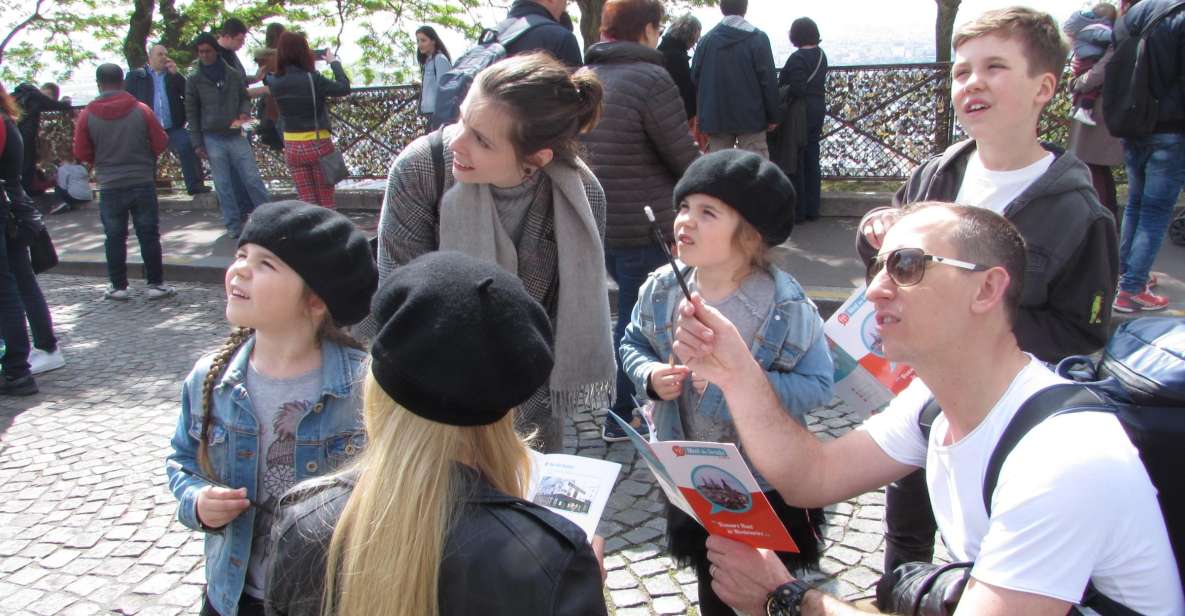
The tour is offered in English with a live guide. A good guide is important here because the activity depends on tone, timing, and interaction as much as on information.
Natalie received especially strong praise for working with children while also providing useful information. That combination is exactly what this experience needs. The guide must keep the games moving without turning the walk into a classroom, and must explain Montmartre clearly without talking over the children.
Only a small number of ratings are available, so I would not treat the score as a complete measure of consistency. The written feedback is positive, including a five-star rating that calls the experience fabulous, but the overall displayed rating is 3.7 from three reviews. That is a reason to keep expectations sensible and recognize that guide style can vary.
The private setup gives you a chance to speak up. Tell the guide if your children need more movement, more explanation, or a quicker pace. The supplied information does not promise a particular guide on every date, so Natalie’s name should not be treated as a guarantee unless the provider confirms it.
Who should book this Montmartre activity?
I would recommend it most strongly to families with children who enjoy riddles, role-play, and short challenges. It is also a good fit if you want to see Montmartre but worry that a conventional walking tour will lose your children’s attention.
The experience suits a family that wants:
- A private guide rather than a larger group
- A short, planned introduction to Montmartre
- Stories about artists presented through games
- A hilltop view without walking all the way uphill
- A reward and a clear finish for the children
I would think twice if your children dislike puzzles or if your family prefers to wander without a schedule. I would also compare the cost carefully if your group has fewer than four people.
The activity is conducted in English, so it fits families who want the guide’s stories and instructions in that language. The guide’s role is central, and children need to be able to follow the questions and riddles to get the full benefit.
Practical details before you reserve
The meeting point is by the news stand outside Anvers metro station. The tour is private, lasts two hours, and has an English-speaking guide.
You can cancel up to 24 hours in advance for a full refund. You can also reserve now and pay later, which may help if your Paris schedule is still changing.
Starting times depend on availability, so check the date and time before committing. Since the route includes a cable-car ride and walking through Montmartre, leave enough room around the tour rather than scheduling another fixed activity immediately afterward.
The group limit is four people. If your family is larger, the supplied information does not explain how extra participants are handled, so confirm that before booking.
Should you book the Montmartre treasure hunt?
Book it if you want Montmartre to work for your children, not just for the adults. The cable-car ride, hilltop view, artist riddles, odd local stories, garden games, and final gifts give the neighborhood a clear family shape.
I would choose it for a family of four with children who like puzzles and active sightseeing. I would skip it for a couple, a very small group, or anyone seeking the lowest-cost way to see the hill.
The price is high, but the private guide and child-focused structure are the product. If that structure will keep your family engaged, it can be a smart use of two hours in Paris. If your children are content to look at views and wander, save the money and explore Montmartre on your own.
FAQ
Where does the Montmartre treasure hunt meet?
Meet your guide by the news stand outside Anvers metro station.
How long does the activity last?
The treasure hunt lasts two hours.
Is the experience private?
Yes. It is offered as a private group activity.
What language is the tour conducted in?
The live tour guide speaks English, and English is the listed tour language.
Are children given anything during the activity?
Each child receives an activity booklet with questions and riddles. Each child also receives a gift as a reward at the end.
Does the tour include a cable-car ride?
Yes. The activity includes taking a cable-car to the top of the hill and the viewpoint on the esplanade.
What is the cancellation policy?
You can cancel up to 24 hours in advance for a full refund.