REVIEW · LIBOURNE
Libourne : visite et dégustation de vin au cœur de Libourne
Book on GetYourGuide →Operated by CHATEAU CRUZEAU - GFA VIGNOBLES LUQUOT · Bookable on GetYourGuide
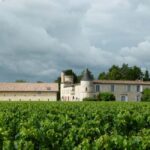
A short visit, big wine know-how. This family-run stop in Libourne mixes hands-on storytelling with a calm, green setting near the city, on the route toward Saint-Émilion’s UNESCO area. I especially like the way the guide connects what happens in the vineyard to what ends up in your glass, and the tasting is built to make red-wine structure click fast.
Two wines, clearly explained. You’ll taste Château Cruzeau and Château Fleur de Jaugue, with practical guidance through the stages of a red tasting, so you’re not stuck guessing. The main drawback to consider: it’s intentionally compact and classroom-light, so if you’re hunting for a long, deep cellar walkthrough, you may want a longer format elsewhere.
In This Review
- Key highlights I’d bookmark
- Meeting in Libourne: start point at 152 Av. de l’Épinette
- A family estate near Libourne and Saint-Émilion
- From vines to glass: what you’ll actually see and learn
- The two tastings that anchor the tour: Château Cruzeau and Château Fleur de Jaugue
- The red wine tasting lesson: how to taste with confidence
- Small-group format: why max 10 changes the experience
- Price and value: $11 for two wines, guidance, and real access
- Practical details that affect your day
- Who should book this Libourne wine visit
- Should you book? My straight take
- FAQ
- How long is the wine visit and tasting?
- How much does it cost?
- Are children welcome, and do they pay?
- Is the group large?
- Which wines are tasted?
- What languages is the tour offered in?
- Is wheelchair access available?
- Are dogs allowed?
- Where do I meet the guide?
Key highlights I’d bookmark

- Small group (max 10) means more questions and quicker answers
- Winegrowers’ family-led visit gives you the real behind-the-scenes version
- Two estate wines tasted: Château Cruzeau and Château Fleur de Jaugue
- Red tasting taught step-by-step, helpful even if you’re new
- Close to Libourne center, easy to plug into a day without major logistics
Meeting in Libourne: start point at 152 Av. de l’Épinette

This experience starts at 152 Av. de l’Épinette, in Libourne. It’s a straightforward set-up: you show up at the entrance area (the sign says devant l’accueil), meet your small group, and you’re guided right into the estate story.
Why I like this kind of start: it keeps the day from feeling like a scavenger hunt. Libourne is a smart base if you’re also planning Saint-Émilion, and this location makes it easy to fit a wine hour into a wider itinerary without burning half the day on travel.
You can also read our reviews of more tours and experiences in Libourne.

A family estate near Libourne and Saint-Émilion

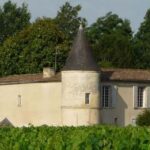
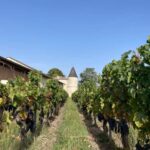
You’re not in a flashy, museum-style winery. This is a family property with visits done by the winegrower’s family, set in a green, close-to-town area. That matters because the tone stays personal: you’re hearing what the family actually does, not a scripted sales speech.
The estate sits near Libourne city center and along the road toward Saint-Émilion, a UNESCO World Heritage site. Translation for your planning: if you’re doing Saint-Émilion later, this helps you warm up your wine brain first. You’ll have context before you walk into the bigger-hype part of the region.
One more nice detail: the visit is designed for a wide range of guests. The flow works for neophytes and experts, and it’s also positioned for families and children. If you’re traveling with mixed tastes in your group, this is the kind of tour that reduces friction.
From vines to glass: what you’ll actually see and learn

The visit part moves through the story of winemaking with a clear arc: from the vines to the glass. You’ll get explanations that connect vineyard choices to the finished wine, not just a list of facts.
Here’s what the format does well for you:
- You get the basics without being talked down.
- You get enough detail to make experienced wine lovers feel included.
- You can ask questions as you go, which is the fastest way to clear up confusion.
One clue that the tour pays attention to craft is the emphasis on the stages involved in making red wine—especially the part where you learn that good wine is more than grapes. Reviews tied to this experience highlight the complexity of vine culture and the élevage du vin (aging/elevage). Even if you don’t know what those terms mean, the guide frames them in plain language as part of the bigger process.
Practical note: the experience is about 2 hours total, so you’re getting a focused run, not a multi-hour production seminar.
The two tastings that anchor the tour: Château Cruzeau and Château Fleur de Jaugue

You’ll taste two wines from the property: Château Cruzeau and Château Fleur de Jaugue. This is a smart choice for a short tour. Two bottles (handled well) usually teach more than four or five samples where you can’t tell what changed.
The tasting is also designed for beginners while still giving structure for people who already know their way around a glass. You’ll hear explanations on the stages of a red wine tasting, which typically means the guide doesn’t just hand you wine and hope you can read it.
What you’ll pick up quickly:
- How to approach the wine in steps instead of guessing.
- What to pay attention to when you look, smell, and taste.
- How to describe what you’re experiencing without needing a fancy vocabulary.
And yes, you’ll likely leave with the same urge many people have after a good explanation: you’ll want to take a bottle home and see if you can match the taste to what you learned.
The red wine tasting lesson: how to taste with confidence
This is where the experience earns its high marks. The guide’s goal is to teach you how to taste a red wine in a way that’s repeatable.
Here’s what that usually looks like in practice, based on what this tour emphasizes:
- You get a simple method to follow so you don’t feel lost.
- You learn what the guide is looking for and how those cues connect to wine structure.
- You get enough explanation that your tasting becomes clearer after the tour, not just during it.
I like that this method is offered to both first-timers and people who already drink red wine regularly. You can go in with no plan and still follow along, then go deeper if you’re the type who likes to compare aromas and textures.
Also, this is not positioned as a performance. It stays friendly and exchange-based. You can ask questions, and you’re not forced into silence while the guide lectures.
Small-group format: why max 10 changes the experience
This is a small group tour limited to 10 participants. That size is the difference between a tasting that feels like a conveyor belt and one that feels like a conversation.
In a group this small, you get:
- more time for personal questions
- a better chance to hear the tasting guidance clearly
- a more relaxed pace (which helps families and kids, too)
If you’re the kind of traveler who learns faster by interacting, this format is a big plus.
And because the visit is guided live (French and English), you can switch your questions or follow the explanation without worrying that you’re missing something. The guide can keep the pace steady for mixed-language groups.
Price and value: $11 for two wines, guidance, and real access

At $11 per person for a 2-hour visit that includes the tour and tastings, the value is strong. You’re paying for three things that usually cost extra when you book separately:
1) guided access to the estate,
2) explanations as you walk,
3) tasting of two estate wines with structured instruction.
Is it a luxury, long-stay experience? No. But it’s also not pretending to be. For a short time commitment, it gives you a clear foundation in how red wine is made and how to taste it more intelligently.
If you compare what you’d spend on a tastings-only stop without the educational walk, this feels like the more complete deal.
Practical details that affect your day

A few practical points help you plan smoothly:
- Duration: about 2 hours
- Languages: French and English
- Dogs: accepted
- Children: free
- Wheelchair accessible
Those last two matter more than they sound. A free children’s option can save a lot of budget for families, and wheelchair accessibility makes the experience more usable for mixed mobility needs.
One more tip: wear comfortable shoes. Even when the pace is easy, you’re walking around a working property and you’ll want to stay steady.
Who should book this Libourne wine visit
I think this tour fits best if you:
- want a friendly introduction to red wine tasting
- like family-run estates over big-brand productions
- enjoy asking questions and getting direct answers
- want a short activity close to Libourne center
- are traveling with kids or with a group that includes different levels of wine interest
It might be less ideal if you:
- want a very long cellar-focused program
- expect a heavy technical deep-dive with long educational lectures
- are looking for a large variety tasting lineup (this is two wines, done well)
Should you book? My straight take
If your goal is to leave with both a better understanding of red wine and two estate bottles to remember the experience, book it. The small group size, family-led approach, and step-by-step tasting make it a strong value at $11.
If you’re in the mood for wine theater and high-gloss production, you may find the vibe too grounded. But if you want practical, approachable wine learning in the Libourne area, this is exactly the kind of tour that makes the region click.
FAQ
How long is the wine visit and tasting?
The experience lasts about 2 hours.
How much does it cost?
It’s $11 per person.
Are children welcome, and do they pay?
Yes. Children are free.
Is the group large?
No. It’s a small group with a limit of 10 participants.
Which wines are tasted?
You’ll taste two wines from the estate: Château Cruzeau and Château Fleur de Jaugue.
What languages is the tour offered in?
The guide offers the tour in French and English.
Is wheelchair access available?
Yes, the experience is wheelchair accessible.
Are dogs allowed?
Yes, dogs are accepted.
Where do I meet the guide?
Meet at 152 Av. de l’Épinette, at the area in front of the accueil (the reception area).