REVIEW · LIBOURNE
Libourne: Winery Tour with Wine and Chocolate Tasting
Book on GetYourGuide →Operated by CHATEAU CRUZEAU - GFA VIGNOBLES LUQUOT · Bookable on GetYourGuide
Wine and chocolate. In 75 minutes. At Château Cruzeau, a Luquot family vineyard on the Saint-Emilion Grand Cru–Pomerol border, this guided visit pairs a walk through the vines with cellar time, then ends with 3 estate wines plus 3 dark chocolates. The whole format is short, focused, and very hands-on, which is exactly what makes it a fun break from big, bus-heavy sightseeing days.
What I really like is how the guide keeps it practical and personal, using English or French support and often drawing on the host’s own wine-making perspective (including guides like Jessica or Madame). One possible drawback: it’s only 75 minutes and there are no meals included, so plan this as a tasting stop, not your full food plan for the day.
In This Review
- Key things to know before you go
- First stop at Accueil: a tight 75-minute plan that doesn’t drag
- Château Cruzeau and the Luquot family vines on the Saint-Emilion–Pomerol border
- Soil life and farming practices you can picture in the vineyard
- Inside the vat room and barrel cellar: where the wine gets its structure
- The tasting finale: 3 estate wines plus 3 dark chocolates (and why pairing matters)
- Price and value: $21 for guidance, cellars, and 6 tasting items
- Getting there and timing tips (including a Bordeaux train trick)
- Who this is best for (and who might want a different tour)
- Should you book Château Cruzeau’s wine and chocolate tour?
- FAQ
- How long is the Château Cruzeau wine and chocolate tasting tour?
- What’s included in the price?
- Where do I meet the tour guide?
- What languages are the guides available in?
- Do I need to bring anything?
- Can I cancel or pay later?
Key things to know before you go
- Family-run Château Cruzeau (5 generations): the Luquot approach to wine comes through in a very human way.
- Vineyard-guided tour: you talk farming while you’re standing in the vineyard, not staring at posters.
- Soil life and agricultural choices: expect explanations of how ground and farming affect the character of the wines.
- Vat room + barrel cellar access: you see the winemaking steps where the wine changes.
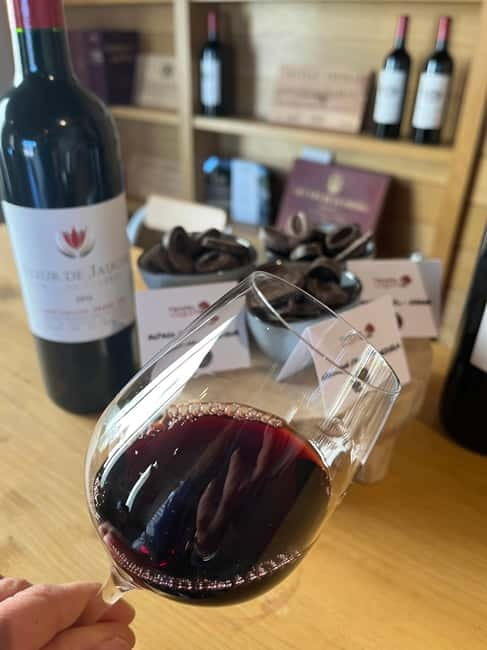
- 3 wines matched with 3 dark chocolates: the pairing is the finale, and it’s designed to be fun.
- English or French live guide: you can switch depending on comfort, and the tone stays friendly.
First stop at Accueil: a tight 75-minute plan that doesn’t drag
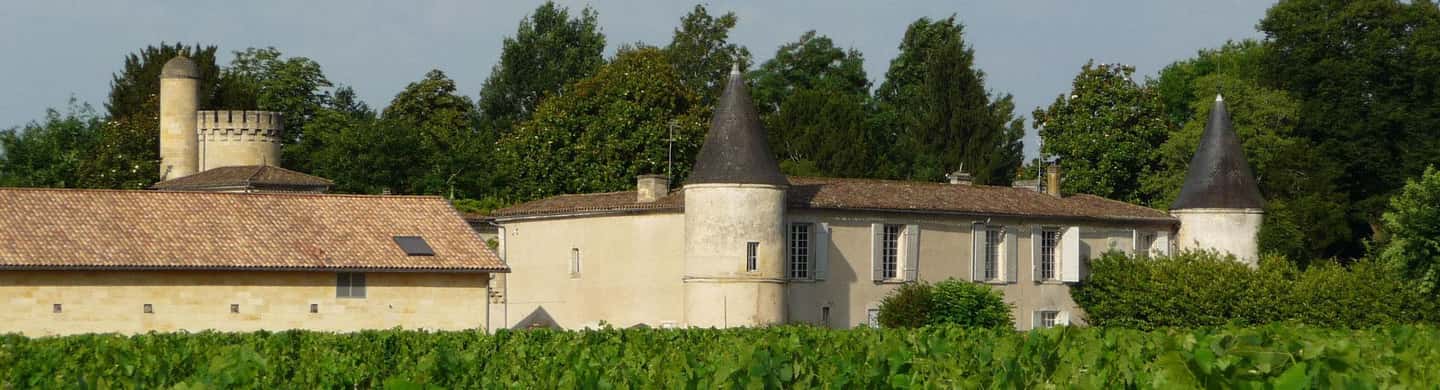
The experience is built around a simple rhythm: meet, walk, tour working parts of the estate, then taste. You’ll start at Accueil (152 Av. de l’Épinette) and the whole thing runs about 75 minutes, so it fits neatly into a day in Libourne without turning into a half-day project.
Because it’s short, you get less time for wandering and more time for the good parts: the vineyard setting, the cellar rooms, and the tasting. This also means the guide has to be efficient, and that’s where the hosting really matters. In the best moments, it feels like you’re learning how to notice flavors and textures rather than just collecting facts.
Practical note: bring a camera if you want vineyard photos. And since meals aren’t included, treat the tasting as the highlight, then eat before or after.
You can also read our reviews of more tours and experiences in Libourne.

Château Cruzeau and the Luquot family vines on the Saint-Emilion–Pomerol border
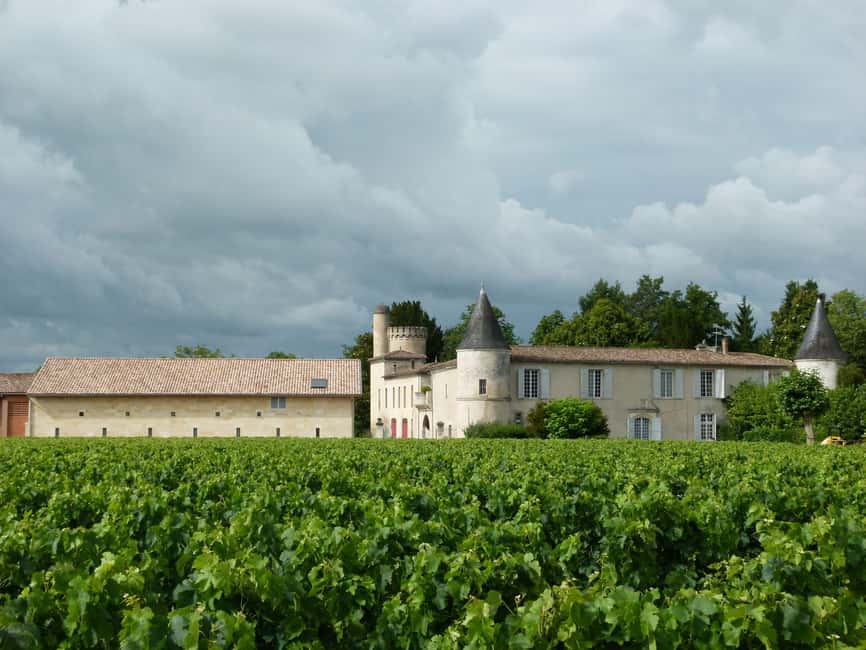
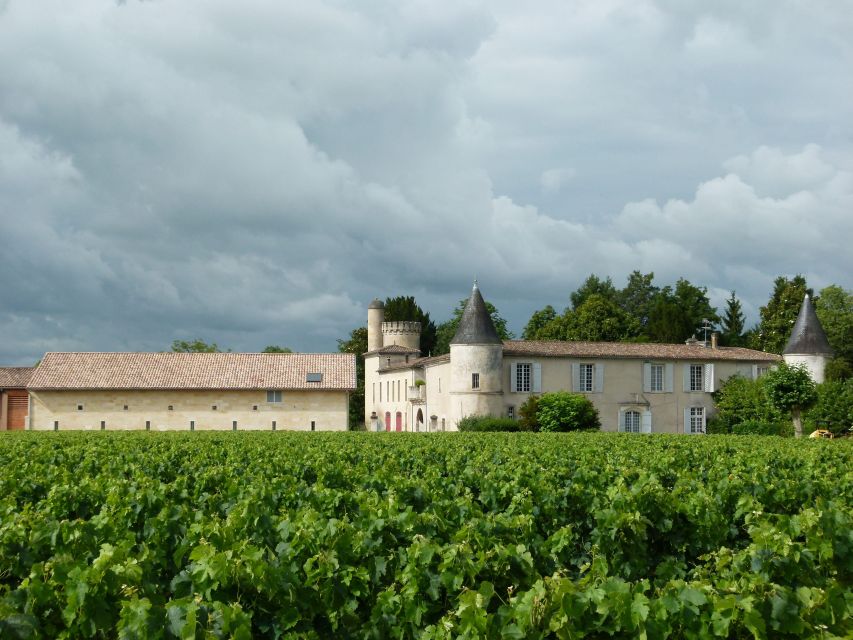
Château Cruzeau is a 12-hectare family property run by the Luquot family for five generations. That scale is part of the charm. You’re not dealing with a giant factory feel. The estate’s size makes the tour feel more like a conversation with people who actually farm the place.
The vineyard sits in Saint-Emilion Grand Cru territory, on the border of Saint-Emilion and Pomerol. That location is useful context because it helps you understand why the wines can have an interesting mix of styles people associate with both areas. Even if you’re not a deep wine nerd, the guide’s explanations help you connect the geography to what ends up in the glass.
What you’ll notice during the tour is that the talk isn’t only about tradition. It’s about what’s happening now—how the vines are handled, how grapes are supported, and how that work shapes the final product. That’s also why family-run matters here: you get explanations with a personal tone, not just a scripted history lesson.
Soil life and farming practices you can picture in the vineyard
One of the strongest parts of this tour is the way it handles the biggest question in wine: why does this taste the way it does? The guide talks about agricultural practices right in the vineyard, and specifically about soil life and why it matters for developing the estate’s character.
You’ll hear how the ground affects vines and how farming choices influence the end result. This isn’t theory for theory’s sake. When you’re standing among the vines, you can connect the talk to something physical: the living soil, the planted rows, and the estate’s overall approach to growing grapes.
The estate also promotes environmentally friendly practices, so if you care about farming methods, this is a chance to learn what that looks like on the ground. Even if you don’t know the vocabulary, you’ll still come away with clearer ideas about what the vineyard team is trying to achieve.
Inside the vat room and barrel cellar: where the wine gets its structure
After the vineyard part, you move to the working side of winemaking: the vat room and barrel cellar. These are the spaces where the wine’s path becomes real. If you’ve ever wondered what people mean when they say different barrels or cellar decisions can change a wine, this is the moment you’ll see the system in action.
The guided tour walks you through the process steps that happen after the grapes become juice. In the vat room, you’ll get a sense of how fermentation and early transformations are managed. Then, in the barrel cellar, the focus shifts to how aging shapes flavor and texture.
This section is valuable because it bridges the gap between the vineyard (where everything starts) and the tasting (where you experience it). You don’t just taste blindly—you taste with a mental map.
Also, the guides do a good job answering questions. One of the most repeated compliments is how warm and engaged the hosting feels, with people asking follow-ups and getting straight answers instead of a rushed finish.
The tasting finale: 3 estate wines plus 3 dark chocolates (and why pairing matters)
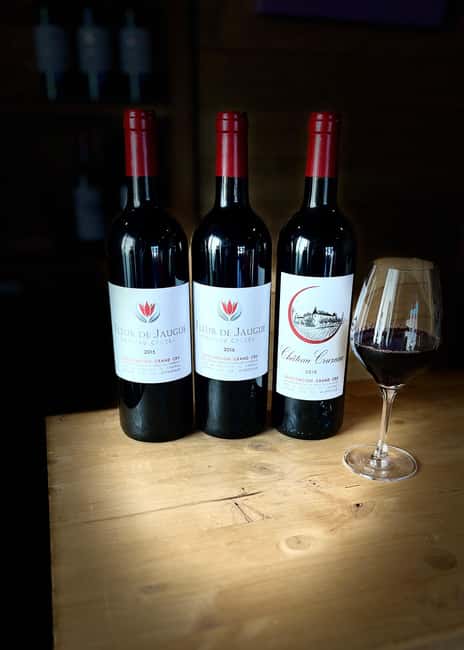
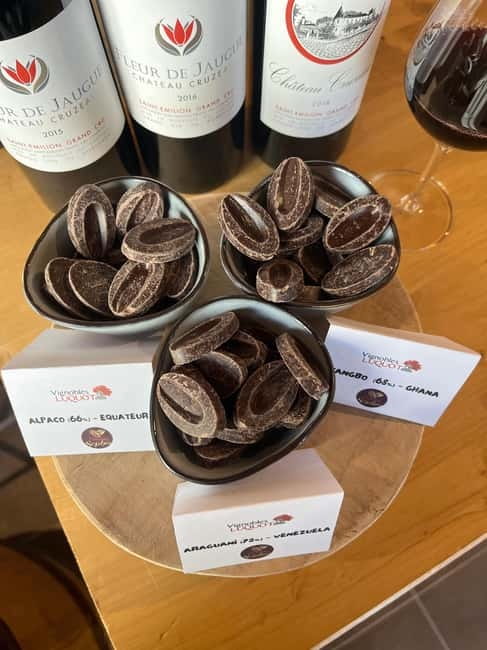
Then comes the part most people book for: the tasting session. You’ll sample 3 wines from the property, and the tasting ends with 3 dark chocolates from the local chocolate factory Les Chocolats de Sophie.
The pairing isn’t random. The idea is to help you notice how flavors interact—how bitterness, cocoa depth, and sweetness can change the way a wine feels on your palate. Dark chocolate is a classic match for wine tasting because it can highlight fruit and soften sharp edges in certain styles.
One recent tasting note that stuck with me: at least one pairing included dark chocolates from South America, and the pairing still landed well with the wines. The point for you is that the tasting is designed to be a guided experience, not a free-for-all.
You’ll likely be coached through what to pay attention to. In particular, the guide demonstrates differences between the wines so you can taste with intention. That makes the experience feel more rewarding, especially if you usually drink wine without really knowing what you’re noticing.
If you’re a non-wine drinker, this is still a smart choice. Chocolate helps many people engage immediately, and then the wine becomes more approachable once you have a flavor reference point.
Price and value: $21 for guidance, cellars, and 6 tasting items
At $21 per person for a 75-minute guided visit, you’re paying for more than a “look at the vines” photo stop. You get:
- vineyard tour with explanations,
- a visit to both the vat room and barrel cellar,
- tasting of 3 wines, and
- tasting of 3 dark chocolates.
Meals are not included, and transportation isn’t included either—so your overall day cost depends on how you get there and what you eat afterward. But as far as the tasting value goes, you’re getting multiple guided samples plus access to working rooms on a relatively tight time budget.
This is the kind of price that makes sense for a first or second wine experience in Bordeaux area, not only for seasoned tasters. If you want a long, full-day wine education program, you might choose something bigger. If you want a high-value intro with a fun payoff, this one fits.
Getting there and timing tips (including a Bordeaux train trick)
Tours run all year round by appointment, which is convenient if you’re planning around availability instead of strict seasonal schedules. The language options are English and French, and the guides can work with your comfort level—some hosts have been flexible about switching languages so you don’t miss details.
If you’re arriving from Bordeaux by train, here’s a real-world tip from someone who figured it out the hard way: after you step off the train, don’t trust Google Maps for the last stretch. Look for a free bus (number 4) that gets you close to the chateau and winery. It’s the kind of small correction that can save time and frustration.
Finally, this is a camera-friendly setting. If you like vineyard photos, bring a charged phone or a small camera, because the tour route places you outdoors as part of the learning.
Who this is best for (and who might want a different tour)
This tour works especially well for:
- people who want a guided wine introduction without a full-day commitment,
- anyone who enjoys chocolate pairings,
- visitors who like authentic, family-run wineries rather than mega-factories,
- groups that include someone who’s not a heavy wine drinker (chocolate helps).
It also tends to feel personal. In at least one booking, the tour became just for two people, and that kind of smaller-group attention can make the Q&A better.
You might consider another option if you’re expecting a long, deep technical class lasting several hours, or if you want food included as part of the ticket. This experience is purposely timed, so it gives you a concentrated tasting and cellar access, not a full meal itinerary.
Should you book Château Cruzeau’s wine and chocolate tour?
Yes—if you want a short, friendly, value-forward tasting that mixes real cellar access with a chocolate finale. The most consistently praised parts are the personal hosting (including guides like Jessica and Madame), the clear explanations of how wine is made, and the way the wine-and-dark-chocolate pairing turns tasting into something memorable.
If your schedule is tight in Libourne, this is a smart pick. If your goal is a casual but meaningful taste of the Saint-Emilion–Pomerol border, it also hits the mark. Just remember it’s 75 minutes and no meals are included, so plan your day with a proper lunch or dinner around it.
FAQ
How long is the Château Cruzeau wine and chocolate tasting tour?
The tour lasts 75 minutes.
What’s included in the price?
You’ll get a guided vineyard tour, a visit to the vat room and barrel cellar, a wine tasting of 3 wines, and a pairing tasting with 3 dark chocolates from Les Chocolats de Sophie.
Where do I meet the tour guide?
The meeting point is Accueil, at 152 Av. de l’Épinette.
What languages are the guides available in?
The live tour guide is available in English and French.
Do I need to bring anything?
You should bring a camera if you want photos.
Can I cancel or pay later?
The activity offers free cancellation up to 24 hours in advance for a full refund, and you can reserve now and pay later.