REVIEW · AVIGNON
In Depth Chateauneuf du Pape
Book on Viator →Operated by Escape in Provence · Bookable on Viator
Châteauneuf-du-Pape turns wine tasting into real learning. This small-group tour (Escape in Provence) gives you the Rhône valley picture first, then zooms into Châteauneuf-du-Pape with tastings included. You even get the kind of clear, human explanation that makes the rules and traditions feel usable, not stuffy.
I love that the day is built around understanding, not just sampling. You’ll hear the viticulture and winemaking logic behind what you’re tasting, plus the history that helps you make sense of why this area matters. I also love the focus on family-owned wineries and small productions, where the wines often show more personality than the big-brand versions.
The one snag to consider is the meeting point. Parking Baron Le Roy is listed as the start, but the directions can be hard to spot, so plan to arrive early and don’t wait until the last minute.
In This Review
- Key highlights you will actually feel
- A small-group Châteauneuf-du-Pape lesson that fits into one day
- Start with the Rhône valley map, then zoom into Châteauneuf-du-Pape
- Winery visits in family hands: why that style often hits harder
- Learn the winemaking and viticulture behind what you taste
- Tasting different styles of Châteauneuf-du-Pape (and how to notice them)
- Pricing: what $222.28 includes, and when it feels like a smart deal
- Lunch strategy: keep it easy so the afternoon tasting still feels fun
- Timing and pacing for a 6-hour day without rushing
- Finding Parking Baron Le Roy: the start point you should double-check
- Who this tour is best for
- Should you book In Depth Châteauneuf du Pape?
- FAQ
- How much does the Châteauneuf-du-Pape tour cost?
- How long is the experience?
- Is lunch included?
- What is included with the price?
- Where do I meet, and where does the tour end?
- What language is the tour offered in?
- How many travelers are in the group?
- Can I get a refund if the weather is bad or I cancel?
Key highlights you will actually feel
- Small group size (max 4 travelers) means fewer people, more questions, more attention
- Rhône valley to Châteauneuf-du-Pape progression helps you understand what you taste
- Family-owned winery visits with tastings included keeps the day personal and hands-on
- Multiple Châteauneuf-du-Pape styles show how different choices change the final wine
- English tour format with a presentation adjusted to your level
A small-group Châteauneuf-du-Pape lesson that fits into one day

This is a one-day experience in Avignon’s wine country area, based in Châteauneuf-du-Pape, and it runs about 6 hours. The price is $222.28 per person, and the value comes from what is covered: all visits and tastings, plus alcoholic beverages. Lunch is on you (more on that later).
What you are really paying for is time plus access. When your group is capped at 4 travelers, the guide can slow down, answer questions, and explain the why behind the wine choices. If you have ever tasted a glass and thought, Wait, why does this taste like this, you will appreciate the extra context.
The tone is also a good fit if you are not trying to study wine like a full-time job. The day is described as adapted to your level and needs, so you should feel comfortable whether you are a beginner or already know the basics.
You can also read our reviews of more tours and experiences in Avignon.
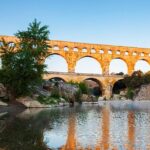
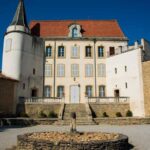
Start with the Rhône valley map, then zoom into Châteauneuf-du-Pape
A big part of the magic here is the order of operations. You start with an in-depth presentation of Rhône valley appellations, then you narrow your focus to the most famous target: Châteauneuf-du-Pape.
This matters because Rhône wine can feel confusing when you only look at labels. Different appellations sit in different places, follow different rules, and often emphasize different styles. Getting that broad map first means that later, when you taste in Châteauneuf-du-Pape, you can tell what is specific to the area rather than just what is in your glass.
Expect the guide to connect the dots between geography, the winemaking decisions, and what ends up in the bottle. Even if you just came for the tastings, this kind of setup helps your brain store the experience in a way that lasts longer than a buzz and a memory.
Winery visits in family hands: why that style often hits harder

The day includes visits and tastings in family-owned wineries in the Châteauneuf-du-Pape area. This is one of those travel details that sounds like marketing until you feel the difference.
Family-run wineries often mean the people explaining the wine are closer to the actual vines and processes. So instead of a scripted sales pitch, you’re more likely to hear practical, experience-based answers. You get to ask questions about what is happening in the vineyard, what changes from vintage to vintage, and how the winery approaches its own house style.
And because the tour focuses on small productions as well as the different expressions of Châteauneuf-du-Pape, you are not limited to one flavor lane. You should taste a range that shows how the same appellation can still produce wines with different personalities.
Learn the winemaking and viticulture behind what you taste
One of the tour’s best promises is that you’ll learn what makes Châteauneuf-du-Pape world renowned, not just that it is famous.
During the day, plan on a guided explanation of:
- winemaking choices
- viticulture (how the grapes are grown)
- and the regional history that shaped the traditions
This kind of instruction is useful because it turns tasting from passive to active. You stop thinking, I like it or I don’t, and you start thinking, What did they do here that created that structure, that aroma, that balance?
Also, because tastings are built into the schedule, you can connect explanation to glass immediately. That keeps the day from feeling like a classroom lecture. You learn, then taste, then learn again.
Tasting different styles of Châteauneuf-du-Pape (and how to notice them)
Châteauneuf-du-Pape can be surprisingly flexible. Part of the tour’s purpose is to show the different styles the appellation can produce, not just one “signature” type.
As you taste, pay attention to how the wines express:
- structure and weight (how it sits on your palate)
- fruit character and ripeness
- freshness versus warmth in the finish
- and how the wine reads as it opens up
If you are new to wine, you do not need to get fancy. A simple approach works: pick one wine you liked most, and try to describe why in plain words. Then listen to the guide’s explanation and see if your description matches what the wine is telling you.
If you already know a bit, you can use the tastings to confirm what you think you know about Rhône winemaking patterns—then refine it with what you learn about this specific appellation and its practices.
Pricing: what $222.28 includes, and when it feels like a smart deal
Here is how I’d think about the cost. At $222.28 per person, this is not a cheap add-on. But the pricing includes all visits and tastings, plus alcoholic beverages. That means you are not trying to do a self-guided day where you pay separately for each stop and each tasting.
Lunch is not included, and the suggestion is to eat at a castle with a view, with a menu around €28 to €35 per person. So if you want to follow that plan, budget accordingly.
For me, this becomes a good value when you:
- want guided explanation with your tastings
- prefer smaller groups over big bus tours
- like the idea of visiting family wineries instead of just driving past them
- plan to drink more than one wine anyway
If you are the type who just wants one glass and a photo, a full guided tasting route may not be worth it. But if you want to leave with real understanding and a few favorites you can name, this kind of day tends to pay off.
Lunch strategy: keep it easy so the afternoon tasting still feels fun
Lunch is not included, but you’re encouraged to choose something in the €28 to €35 range, ideally at a castle with views. I like this idea for one reason: it keeps your energy steady.
When your day includes multiple tastings, your pacing matters. Eat something that won’t leave you exhausted or heavy. Also, if you are drinking wine, give yourself a little breathing room between sips and the next course of the day.
If you do not want a castle lunch, you can still make the same strategy work: pick a place close to your route, order something you can actually enjoy after wine, and keep it simple.
Timing and pacing for a 6-hour day without rushing
This tour runs about 6 hours, so it’s long enough to learn and taste, but not so long that you feel stuck in transit all day. Still, with wine experiences, you want to treat the schedule like an actual itinerary.
What helps:
- Take notes on what you like and what you do not. Even a few words will make your memories click later.
- Pace water alongside tastings if you want the explanations to land.
- Ask questions early. With a group size capped at 4, you can usually get answers without waiting.
One more practical point: the tour requires good weather. If weather turns, you may be offered a different date or a full refund, so plan with a bit of flexibility.
Finding Parking Baron Le Roy: the start point you should double-check
The tour begins at Parking Baron Le Roy, 3 Av. Baron le Roy, 84230 Châteauneuf-du-Pape, France, and ends back at the same meeting point. That is great for logistics—no endless wandering to “somewhere else.”
Just don’t treat the meeting spot like a sure thing. The start location can be tricky to spot, so arrive early and use your phone map to confirm you’re at the right parking area.
If you are traveling by public transportation, this area is described as near public transportation, which can make the day easier. Still, for wine tours, I recommend planning for a calm start rather than a last-minute scramble.
Who this tour is best for
This experience is a strong match if:
- you want guided education along with tastings
- you like small-group attention and a more conversational pace
- you are curious about how Rhône valley and Châteauneuf-du-Pape connect
- you want to sample small productions and see different styles
It is also a good fit if you enjoy learning from a guide who can explain history, geography, and process in a way that makes sense while you taste.
It may be less ideal if you hate structured explanations and prefer pure self-guided wandering. You’ll still taste, but the day’s heart is learning.
Should you book In Depth Châteauneuf du Pape?
If you want a wine day that turns into understanding—where each tasting links to viticulture, winemaking, and regional context—then yes, I think it’s worth booking. The big reasons are the small group size, the included visits and tastings, and the emphasis on tasting different styles of Châteauneuf-du-Pape rather than one predictable pour.
I’d only hesitate if you’re extremely sensitive to schedule stress or if you rely on super clear directions to meet guides. If you can arrive early and confirm the meeting spot, you’ll set yourself up for a smooth, satisfying day.
FAQ
How much does the Châteauneuf-du-Pape tour cost?
It costs $222.28 per person.
How long is the experience?
The duration is about 1 day 6 hours.
Is lunch included?
No. Lunch is not included, and a lunch at a castle with a stunning view is suggested, with a menu between €28 to €35 per person.
What is included with the price?
All visits and tastings are included, along with alcoholic beverages.
Where do I meet, and where does the tour end?
The meeting point is Parking Baron Le Roy, 3 Av. Baron le Roy, 84230 Châteauneuf-du-Pape, France. The tour ends back at the same meeting point.
What language is the tour offered in?
The tour is offered in English.
How many travelers are in the group?
The tour has a maximum of 4 travelers.
Can I get a refund if the weather is bad or I cancel?
You can cancel for a full refund up to 24 hours before the experience’s start time. The experience also requires good weather; if it is canceled due to poor weather, you’ll be offered a different date or a full refund.