REVIEW · PARIS
Île de la Cité: A Private Tour of Paris’ Most Famous Monuments
Book on GetYourGuide →Operated by Mintotout · Bookable on GetYourGuide
Paris history comes into sharp focus on Île de la Cité, the island where Notre-Dame, Sainte-Chapelle, and the Conciergerie sit close together. I like the compact route: in two hours, you move from medieval church to royal chapel, former prison, famous bridge, Louvre, and Tuileries Gardens without wasting time on transport.
I also like the private or small-group format, plus the chance to adjust the pace and ask questions. Guide René earned praise for being friendly and attentive, but you should allow extra time to find your guide in the crowd outside Notre-Dame. Entrance fees are not included, and the mixed booking record means I would confirm the meeting details before setting off.
In This Review
- Key points at a glance
- Why Île de la Cité makes a smart two-hour tour
- Starting outside Notre-Dame
- Notre-Dame Cathedral and the heart of Paris
- Sainte-Chapelle and its famous glass
- The Conciergerie, from palace to prison
- Pont Neuf and the Seine views
- The Louvre photo stop and Tuileries finish
- What the private format adds
- The two-hour limit and walking pace
- Language, booking, and service concerns
- Who should book this Île de la Cité walk
- Should you book it?
- FAQ
- Where does the tour start?
- Where does the tour finish?
- How long does the tour last?
- Which languages are available?
- Are monument entrance fees included?
- Is the tour wheelchair accessible?
Key points at a glance
- Notre-Dame meeting point: Find your guide in front of the cathedral, a difficult spot in a large crowd.
- Three major historic sites: The route links Notre-Dame, Sainte-Chapelle, and the Conciergerie in one short walk.
- Private attention: The tour can be private or small group, with a route that adapts to your interests and pace.
- Admissions cost extra: Monument entrance fees are not included in the $106 price.
- Bridge and river views: Pont Neuf is part of the route, while Pont des Arts is mentioned among the possible iconic bridge views.
- A useful final stretch: The walk ends at the Tuileries Gardens after a Louvre photo stop.
Why Île de la Cité makes a smart two-hour tour
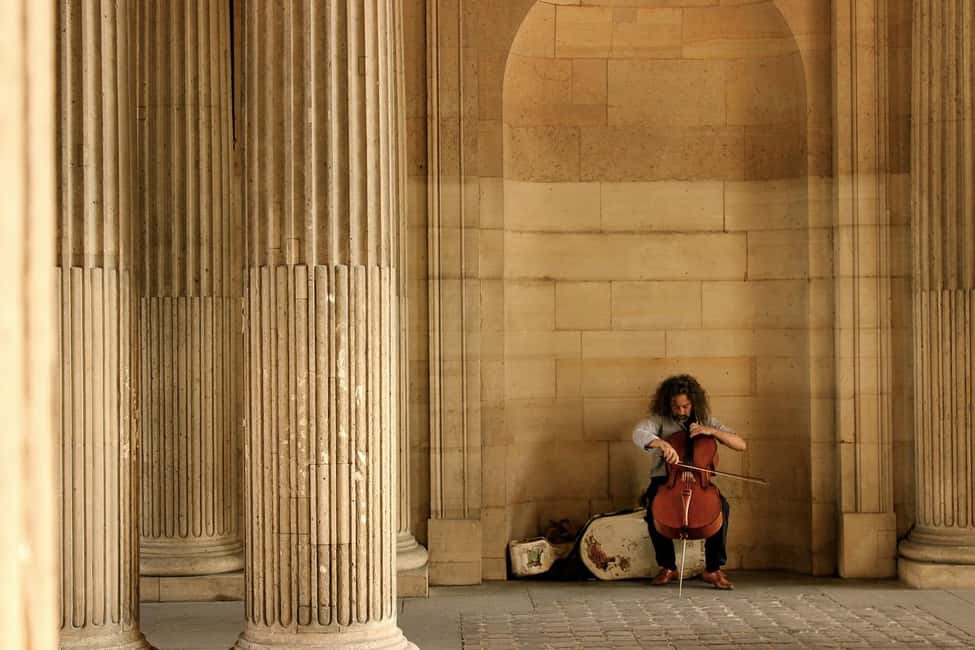
Île de la Cité is one of the best places in Paris for a short, focused walking tour. The island is small, yet its monuments cover several chapters of French history: medieval worship, royal ceremony, law, imprisonment, revolution, and modern Paris.
That concentration gives this outing a clear advantage over a broad city walk. You are not spending half the time crossing town. Instead, the guide can explain how the buildings relate to one another, then lead you across the Seine toward the Louvre and the Tuileries.
The $106 price per person needs careful thought. For a private tour, it may make sense if you value personal attention, flexible timing, and the ability to ask plenty of questions. For a small group, the value depends more heavily on the group size and on how much time the guide spends inside the monuments.
Remember that admission fees are separate. If you plan to enter Notre-Dame, Sainte-Chapelle, or the Conciergerie, add those costs to your budget. The stated route also includes a photo stop at the Louvre rather than a museum visit, so this is not a Louvre ticket or gallery tour.
You can also read our reviews of more private tours in Paris


Starting outside Notre-Dame
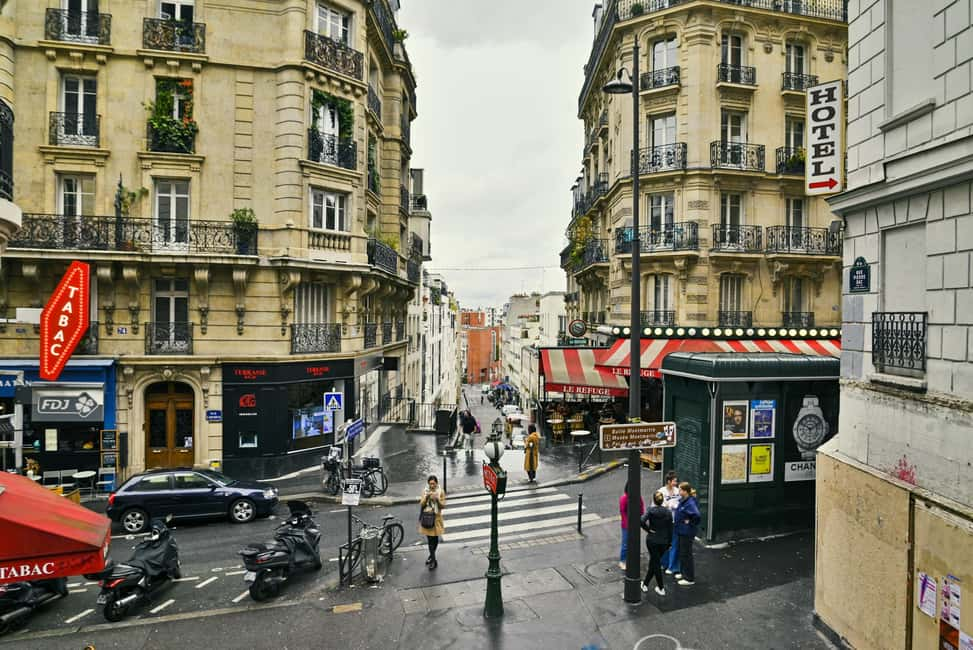
The meeting point is in front of Notre-Dame. That sounds simple, but the cathedral attracts a large crowd, and finding one particular person there can take effort.
One booking ended with the guest unable to locate the guide, despite several calls and a later suggestion to use another meeting point. This is the most serious practical concern attached to the tour. I would arrive early, keep the guide’s contact number ready, and ask for a precise landmark or sign before the day begins.
The tour is offered in English, French, or Spanish. The guide is meant to provide a personal introduction to the island rather than a recorded commentary, so the first few minutes matter. Once you meet, confirm the planned stops and ask which monuments you will enter, since entrance fees are not part of the price.
Notre-Dame Cathedral and the heart of Paris
Notre-Dame is the natural first stop and the strongest visual opening. The cathedral gives the guide a chance to explain both its architecture and its place in Paris life.
The route lists a guided visit to Notre-Dame, but the supplied details do not spell out the exact entry arrangement. Ask about this at the start. The experience may focus partly on the exterior and surroundings, especially if admission or access conditions affect the visit.
Even from outside, the cathedral provides plenty to discuss: its Gothic form, its position beside the Seine, and its role as the central landmark of the island. A private guide can point out details you might otherwise pass without noticing and can answer questions at your level.
I would not book this tour solely for a guaranteed long interior visit unless that has been confirmed in writing. The itinerary gives Notre-Dame top billing, but the tour is better understood as a guided walk among several monuments rather than a single-site cathedral tour.
Sainte-Chapelle and its famous glass
Sainte-Chapelle is the visual high point of the island. Its Gothic stained-glass windows are the main reason to enter, and the narrow, jewel-like upper chapel is very different from the broad scale of Notre-Dame.
Here, the guide can help you read the windows instead of simply admiring their color. The chapel was built for the French royal court, and its decoration carries religious and political messages. The details are easier to appreciate when someone explains what you are looking at.
The itinerary lists Sainte-Chapelle as a guided photo stop. That wording matters. It does not promise that admission is included, and the general conditions clearly say monument entrance fees must be paid by participants. If Sainte-Chapelle is your priority, ask whether the guide will accompany you inside or explain the building from outside.
This is also a good example of why the flexible format helps. You can tell the guide that you would rather spend more time on the chapel than hurry through every bridge and viewpoint. The advertised itinerary can adapt to your preferences and pace within the two-hour window.
The Conciergerie, from palace to prison
The Conciergerie adds a darker note to the walk. It was connected to the former Palais de Justice and later became known as a prison, particularly during the French Revolution.
The building helps you see how Paris changed from a medieval royal center into a place of courts, detention, and political upheaval. Its heavy medieval spaces make a sharp contrast with Sainte-Chapelle’s glowing glass.
The itinerary calls for a guided visit, but admission is not included. You should ask whether the tour price covers only the guide’s time and exterior explanation, or whether your chosen booking includes time inside after you purchase your own ticket.
For many people, the Conciergerie is more meaningful with context. A guide can connect the building to the legal and royal institutions that once occupied this part of the island. Without that explanation, it can feel like another old structure on a busy sightseeing route.






Pont Neuf and the Seine views
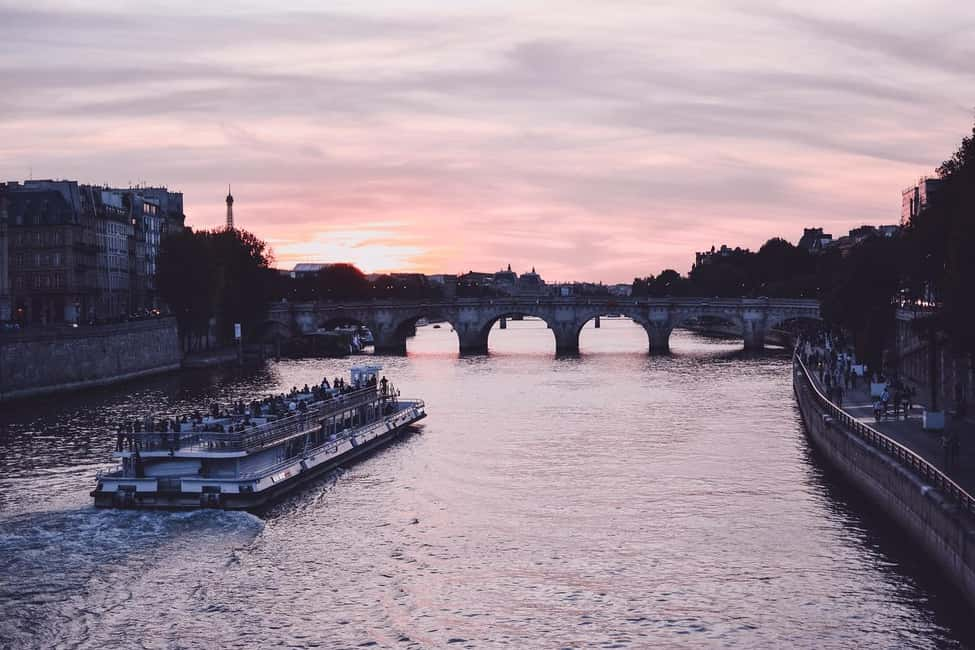
Despite its name, Pont Neuf is Paris’s oldest surviving bridge. It links the island to both riverbanks and offers an easy change of pace after the indoor monuments.
The bridge stop is guided, so expect a discussion of the crossing, the river, and the city views rather than a long formal visit. This is where a private guide can tailor the walk to your interests. You may want architectural details, a quick photo pause, or a wider explanation of how Paris grew around the Seine.
The tour information also highlights the Pont des Arts. However, the detailed sequence specifically names Pont Neuf, not Pont des Arts. If seeing the Pont des Arts matters to you, ask whether it can be added without cutting a major stop. The customizable route is useful, but two hours is still a firm limit.
You should also keep your expectations realistic. This is a walking tour, not a river cruise or a bridge-by-bridge survey of Paris. The bridge section is valuable because it connects the island to the larger city and gives you a few open views after the dense monument stops.
The Louvre photo stop and Tuileries finish
The route continues toward the Louvre for a guided photo stop, then finishes in the Jardin des Tuileries. This ending gives the walk a satisfying westward direction.
You will not be touring the Louvre galleries on this experience. The stop is designed for exterior views, orientation, and photographs. That makes sense within a two-hour tour, since even a quick museum visit would take the focus away from Île de la Cité.
The Tuileries Gardens provide a calmer finish than the island meeting point. The guide can leave you with a sense of how the monuments fit into Paris’s central axis, from the Seine and Louvre toward the gardens and the western part of the city.
Because the tour ends there, think about what you want to do next. The finish is convenient if you plan to continue toward the Louvre area, shop, or visit another central sight. It is less convenient if you need to return to Notre-Dame, since transport after the tour is not included.
What the private format adds
The biggest benefit is not simply having a guide. It is having someone who can adjust the walk to your questions, energy, and priorities.
The included features promise lesser-known corners and local stories, along with a customizable route. That can turn a standard monument checklist into a more personal introduction to the island. You can ask for more architecture, more political history, more religious art, or more practical orientation for the rest of your Paris stay.
The experience may be private or small group, so check the exact arrangement when booking. A private party is likely to get the clearest benefit from flexible pacing. In a small group, you still receive a more interactive format than a large public tour, but the guide must balance different interests.
Guide René received especially warm feedback for his kindness, good humor, and willingness to answer questions. That is exactly the quality you want here. Île de la Cité is full of visible details, but the best moments often come from stopping to ask why a building matters or how one site connects to the next.
The two-hour limit and walking pace
Two hours is enough for an overview, not a complete study of every monument. You will cover several important sites, but you should expect short stops and a steady pace.
The route is compact, yet monument access can change the timing. If you enter Notre-Dame, Sainte-Chapelle, or the Conciergerie, queues and security could reduce time for other stops. Since the fees and exact entry arrangements are separate, settle those details before the tour begins.
The walk is wheelchair accessible according to the activity details. Still, ask the provider how the planned monument entries and any route changes will work for your specific needs. The general accessibility statement is useful, but it does not explain every surface, entrance, or interior route.
Flexible start and end times are available within the agreed period. That is helpful if you are fitting the walk between a meal, train arrival, or another Paris booking. Do not treat flexibility as unlimited, however. The tour remains a two-hour experience.
Language, booking, and service concerns
You can request English, French, or Spanish. Some content may be presented in its original language, which could matter if you want every explanation fully translated.
The cancellation policy allows a full refund when you cancel at least 24 hours ahead. You can also reserve and pay later, which keeps your schedule open while you decide.
The service record is mixed. One guest enjoyed a pleasant two-hour walk and found René warm and responsive. Another was unable to enter the monuments. A separate booking involved a missed meeting and repeated attempts to reach the provider.
That does not prove every departure will have a problem, but it does affect how I would book. Confirm the exact meeting point, the guide’s name, the phone contact, and which admissions are planned. Save the confirmation offline, and arrive early at Notre-Dame. A little preparation is worthwhile when the starting point is crowded.
Who should book this Île de la Cité walk
I would recommend it most strongly to someone visiting Paris for the first time who wants a quick, human introduction to the city’s central monuments.
It also suits you if:
- You prefer a private or small-group walk to a large organized group.
- You want explanations in English, French, or Spanish.
- You value questions and flexible pacing.
- You want to connect several major sights in one route.
- You are happy to pay monument fees separately.
- You want to finish near the Louvre and Tuileries rather than return to the starting point.
I would choose another option if your main goal is a long interior visit to Notre-Dame, Sainte-Chapelle, or the Conciergerie. This tour can include guided visits, but the stated price does not cover admission, and the two-hour schedule leaves little room for lengthy time inside each site.
Should you book it?
Book this tour if you want a compact, personal walk through the center of Paris and you are willing to confirm the details before arrival. The combination of Notre-Dame, Sainte-Chapelle, the Conciergerie, Pont Neuf, the Louvre exterior, and the Tuileries makes good use of two hours.
At $106 per person, the value is strongest for a private booking with a guide who adapts the route and answers questions, as René did for one successful group. It is weaker if you expect admission to be included or want a full tour of the Louvre.
My practical verdict: book for the guide-led overview, not as a guaranteed monument-entry package. Confirm the meeting point and admissions in advance, then let the guide shape the walk around the sights you care about most.
FAQ
Where does the tour start?
The tour starts in front of Notre-Dame Cathedral on Île de la Cité.
Where does the tour finish?
The tour finishes at the Jardin des Tuileries, after a photo stop at the Louvre Museum.
How long does the tour last?
The tour lasts two hours.
Which languages are available?
The live guide service is available in English, French, and Spanish. Some content may be presented in its original language.
Are monument entrance fees included?
No. Entrance fees for specific monuments are not included and must be paid by participants.
Is the tour wheelchair accessible?
The activity is listed as wheelchair accessible. The tour can also be arranged as a private or small-group experience with a flexible route and pace.