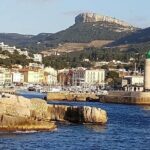
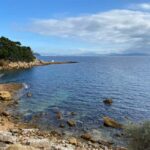
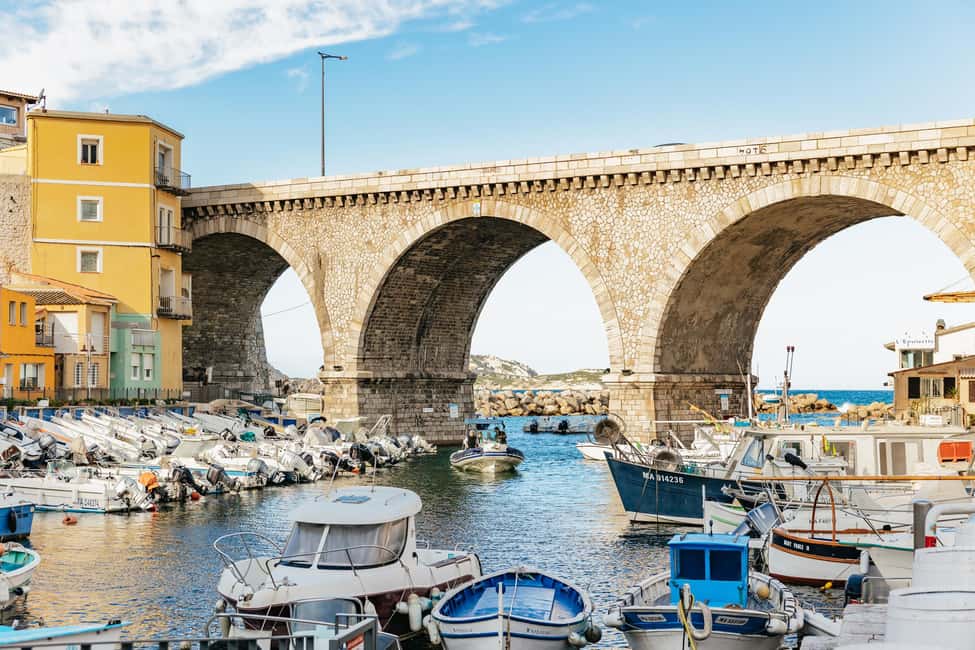
Marseille gets better when you leave the main road. On this small-group walk south of France, I loved the side-road routes from Vallon des Auffes toward Prophet’s Beach and the way Jean-Marc connects street corners to the city’s rebellious past; the catch is you’ll climb lots of steps, so bring comfy soles.
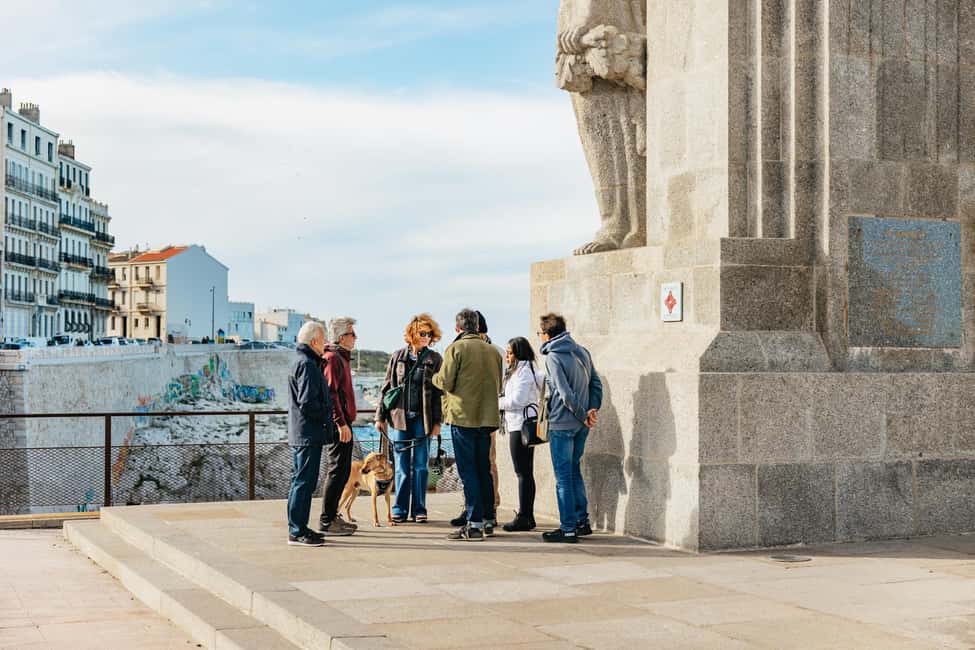
You meet at the war memorial in front of 169 Cor Président John Fitzgerald Kennedy, then you head along the coast and through residential streets, with scenic breaks along the way. It runs about 3 hours, the guide speaks English and French, and the group is kept tight (limited to 6), so it’s easy to ask questions and actually talk to your guide instead of shouting over a crowd.
In This Review
- Key highlights worth planning for
- Why this walk works: quieter Marseille plus real local context
- Meeting at the war memorial on Corniche Kennedy (and how not to miss it)
- From Vallon des Auffes toward Prophet’s Beach: the coast route that feels local
- Anse de Malmousque: sea views first, so the walk feels like a reward
- Parc Valmer: a calm reset before the streets get steeper
- Roucas-Blanc and the neighborhood streets of Bompard and Vauban
- The stair reality (and how to handle it)
- Marseille’s rebellious side: what you learn while you walk
- Drop-off near Prophet’s Beach: finish with a sea moment
- What to bring so 3 hours feels fun, not exhausting
- Price and value: is $47 worth it?
- Who should book this Marseille walk (and who should skip it)
- FAQ
- How long is the guided walk?
- Where do I meet the guide?
- What’s included in the price?
- Is food and drinks included?
- How big is the group?
- What languages are available?
- Is it suitable for kids or limited mobility?
- Should you book this Marseille neighborhood walk?
Key highlights worth planning for
- Coastal viewpoints without the big-tour scramble: you start near the water and keep getting sea views along the way
- Side streets in Bompard, Vauban, and Roucas-Blanc: real neighborhood streets, not a curated photo set
- The “Marseille isn’t one thing” lesson: history and sociology explained through what you see walking
- Stairs, hills, and payoff scenery: old stairways with skyline and Basilica Notre-Dame in the distance
- A guide with local connections: Jean-Marc has built relationships locally, which helps the stories feel personal
Why this walk works: quieter Marseille plus real local context
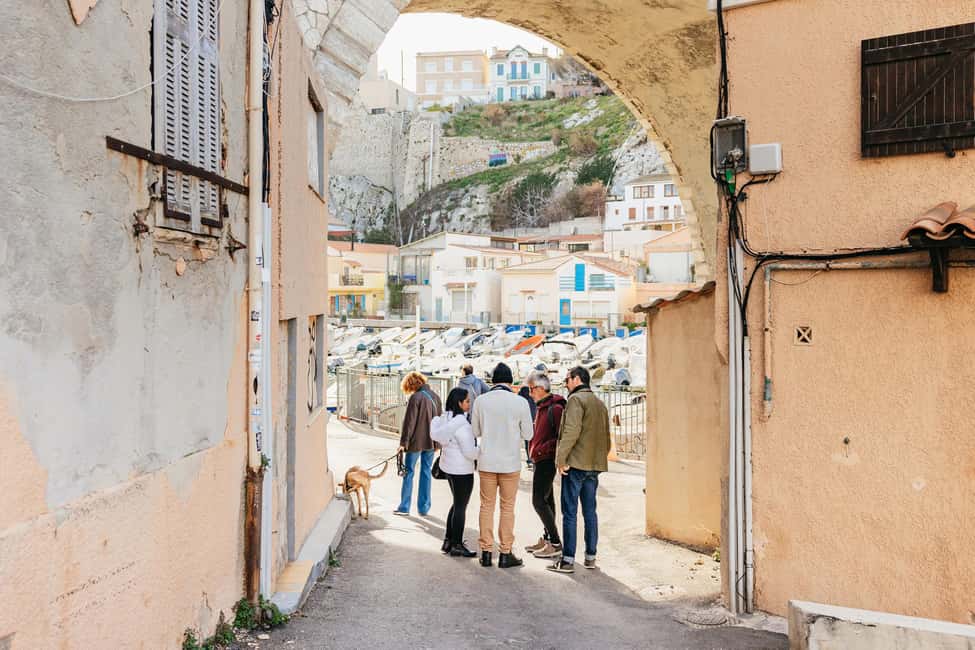
Marseille can feel like it has a thousand faces—port city and punk city, seaside and hilly city, old neighborhoods and constant change. This walk is built to help you understand that mix without treating the city like a museum. You’re moving through residential areas and tucked-away coastal spots, then tying those places to the city’s attitude: stubborn, proud, and always slightly at odds with authority.
What I like most is that the route isn’t just about views (though you get plenty). The guide connects the physical streets you’re walking—where people live, how neighborhoods sit on hills, and how the coast shapes daily life—to the bigger story of Marseille. You end up leaving with a better sense of how the city functions, not only how it looks.
One heads-up: because this is an outdoors walking experience through hilly districts, you do need to be ready for uneven terrain and stair climbs. If you’re looking for a flat, stroller-friendly stroll, this isn’t that.
You can also read our reviews of more walking tours in Marseille



Meeting at the war memorial on Corniche Kennedy (and how not to miss it)

The tour starts at a clear landmark: the war memorial in front of 169 Corniche Kennedy. If you’re using public transit, the nearest bus stop is Vallon des Auffes (bus 83), which makes it simple to line up your arrival.
The best practical move is to arrive a few minutes early and get your water bottle ready right away. This kind of route builds its best moments on time—when you’re starting by the coast, the lighting and views can change quickly. Also, you’ll likely do several uphill sections early, so having your shoes sorted before you begin saves energy.
The guide keeps the group small (up to 6), which means you’re not going to be dragged along. You can usually stop, look, and ask without feeling like you’re holding up a tour bus of people.
From Vallon des Auffes toward Prophet’s Beach: the coast route that feels local
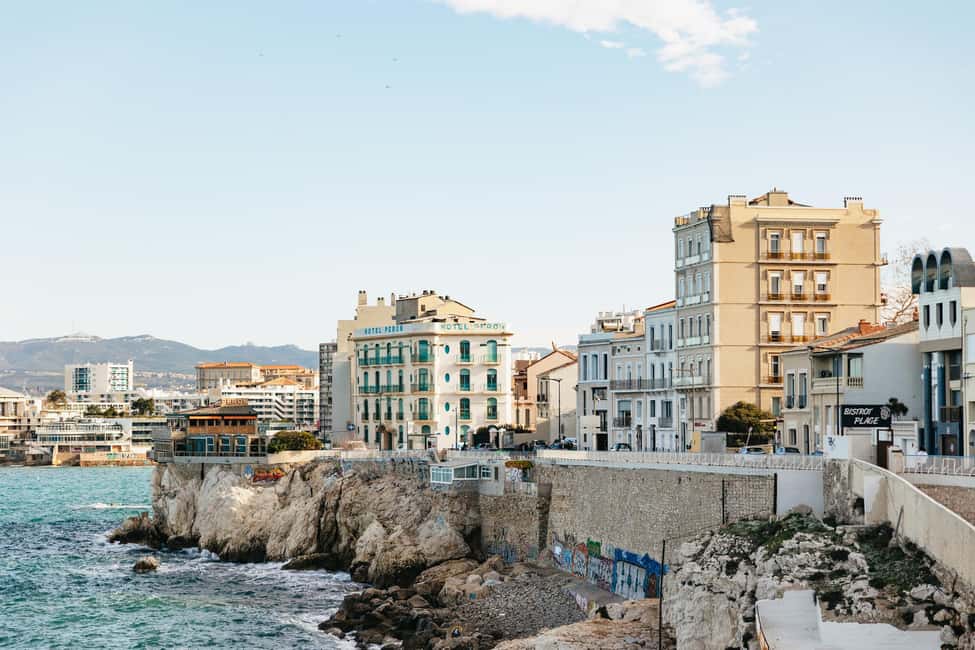
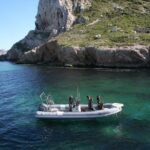
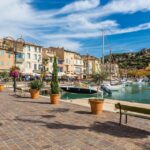
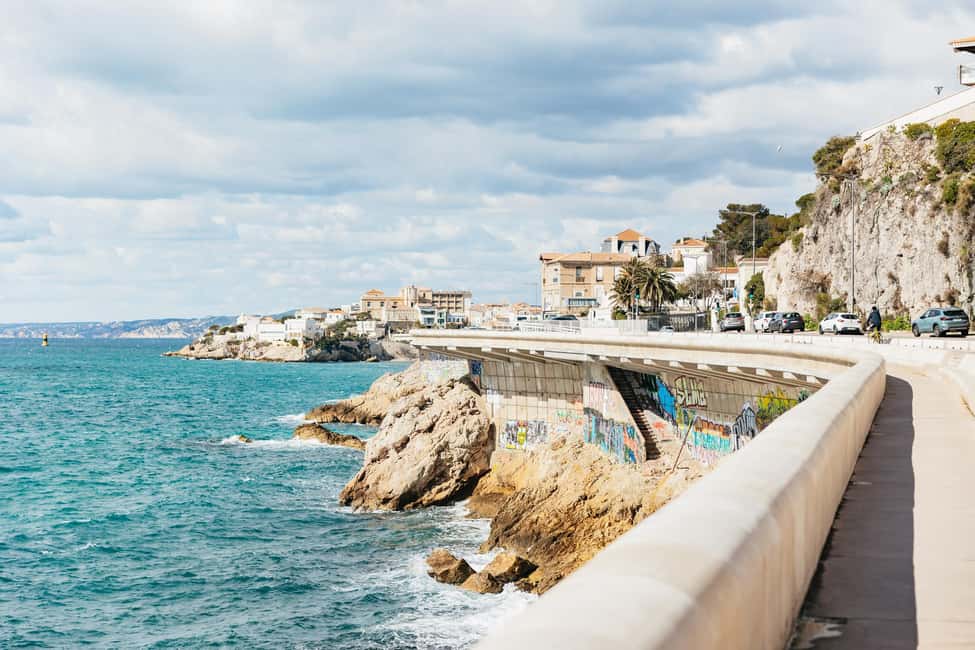
The walking flow begins along the shoreline area near Vallon des Auffes, then works along quiet side roads toward Prophet’s Beach. That matters because it avoids the “everybody funnels into the same corridor” feeling. You’re still in Marseille, but you’re seeing the version of Marseille that locals experience on foot.
Along the way, you get a mix of:
- photo stops when the coastline opens up
- side-road segments that let you notice how neighborhoods sit above the water
- stretches that feel calmer because you’re not constantly passing major tourist bottlenecks
You’ll also have time to soak in the city’s layered look—coast first, then the hillside neighborhoods rising behind it. That contrast is one of Marseille’s defining traits, and it’s a lot easier to “get” when you feel it with your legs than when you only see it from a viewpoint.
Anse de Malmousque: sea views first, so the walk feels like a reward
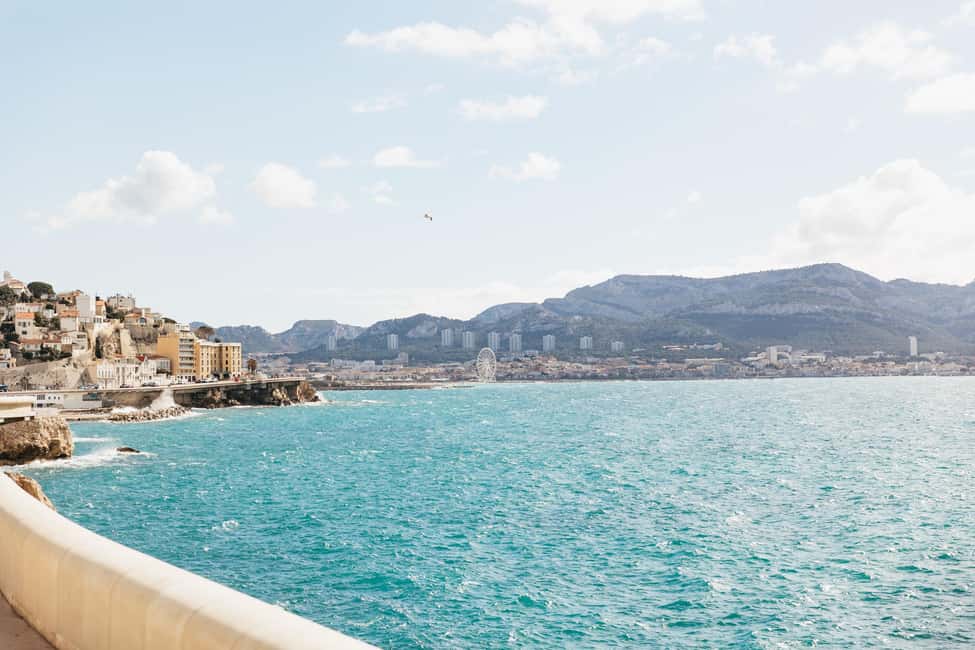
One of the early highlights is Anse de Malmousque, where you’ll stop for views and guidance. This is the kind of spot where your eyes start mapping the city: you notice the coastline curves, the hilly rise, and how certain neighborhoods hug the water while others climb inland.
What’s useful here for you as a traveler is that it sets context. After this, when you start moving into quieter residential streets, the geography makes more sense. You’ll understand why certain streets feel tucked, why views pop in and out, and how the coast shapes everyday life.
Parc Valmer: a calm reset before the streets get steeper
The route includes Parc Valmer for a shorter break (about 30 minutes). This stop is practical, not just scenic. Hills and stairs add up over a few hours, and a pause in a calmer green-ish setting gives your body a chance to reset.
It’s also one of the moments where your brain catches up. When you’ve been watching the sea and rooftops, you come into the park and can reflect on what you just learned: how Marseille’s neighborhoods differ by slope, access, and relationship to the harbor and coast.
If you tend to get cold in the shade or warm up fast in sun, this break helps you manage it. Bring your water and use the pause intentionally—small sips, a quick hat adjustment, and you’ll feel better when you start climbing again.
You can also read our reviews of more guided tours in Marseille


Roucas-Blanc and the neighborhood streets of Bompard and Vauban
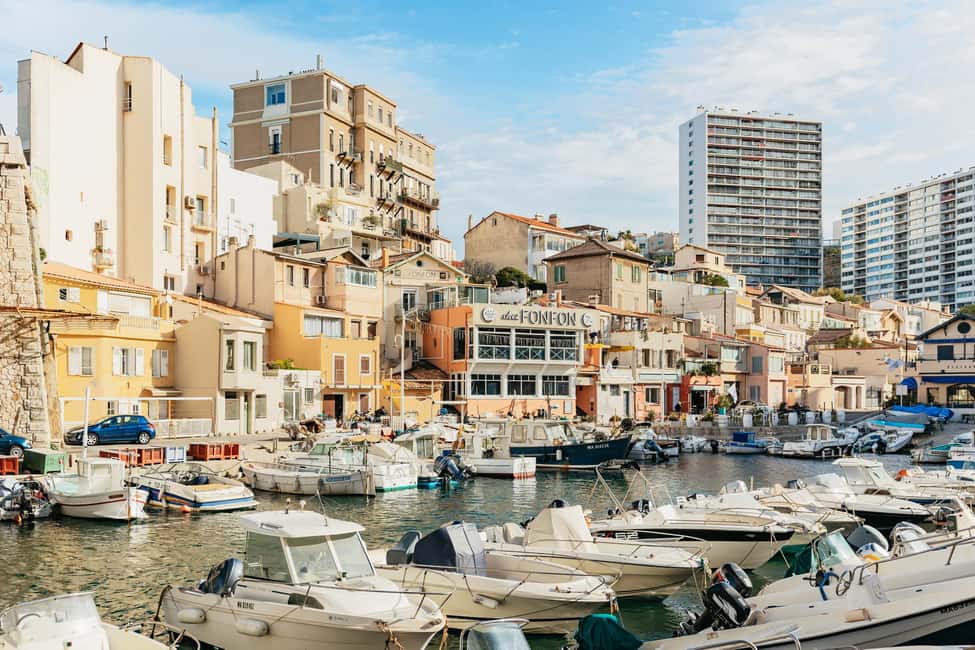
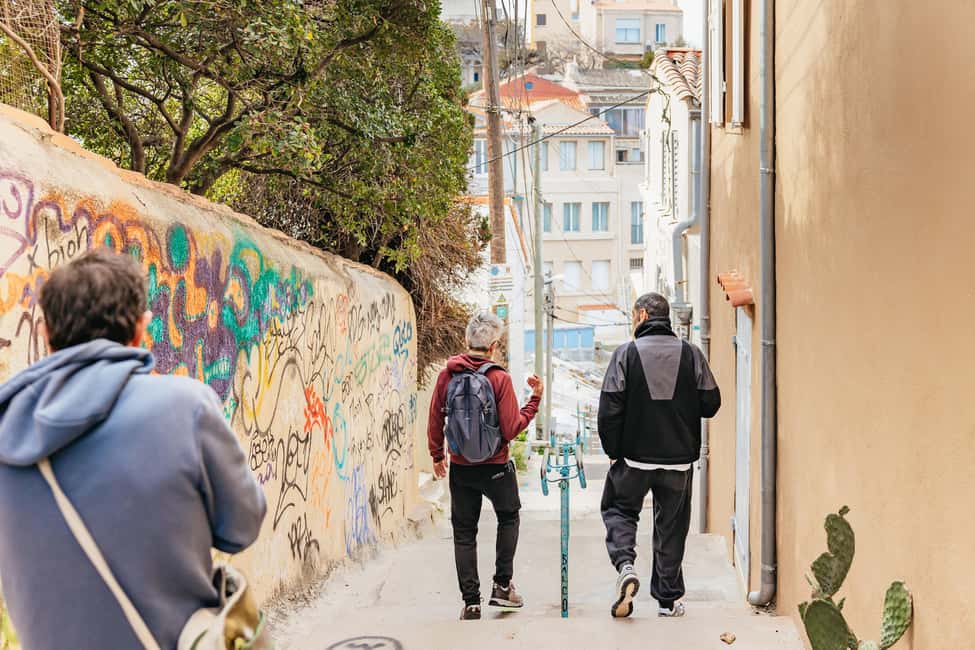
This is where the tour earns its title. You move through lesser-visited, more residential districts like Roucas-Blanc, plus streets associated with Bompard and Vauban. These areas give you the “lived-in” feeling that you miss when you only roam the obvious center.
As you walk, look out for details that the guide points to:
- cabanons and small structures tied to the coast and everyday routines
- older country houses and gardens tucked behind walls or along slopes
- discreet alleys and residential streets where you can see how people actually move through the city
This part of the route also gives you those “wait, I didn’t know this was here” moments—but in a grounded way. The point isn’t to chase one famous view. It’s to learn how Marseille’s character works across neighborhoods, even when tourists don’t.
The stair reality (and how to handle it)
Expect old stairways and multiple uphill segments. One review called out that you should be prepared to climb lots of steps, and that matches the nature of this coastal-hill route. If you’re comfortable walking hills but hate feeling out of breath, pace yourself on the first climb and don’t force a sprint.
A simple strategy: slow down slightly in the first few steep stair sections. Then you’ll have the legs for the later stretches where you get bigger scenery rewards.
Marseille’s rebellious side: what you learn while you walk
Marseille has a reputation that isn’t always explained well. Here, the guide connects what you see to how the city developed—its constantly shifting identity and its habit of pushing back, socially and historically.
You’ll hear about:
- the city’s distinctive character and why it’s often described as rebellious
- how different facades of Marseille can exist side by side (port life, residential life, and hillside life)
- the history and sociology of the neighborhoods you’re passing
For me, the best part of this kind of walking tour is that the stories aren’t floating. When a guide points out a street pattern, a location on the slope, or a coastal feature, it becomes easier to remember. You’re not memorizing dates; you’re connecting meaning to places.
If you’re the type of traveler who likes to understand the “why” behind the scenes, this tour fits. It’s not just sightseeing with a running commentary. It’s a way to learn Marseille’s attitude by walking its real routes.
Drop-off near Prophet’s Beach: finish with a sea moment
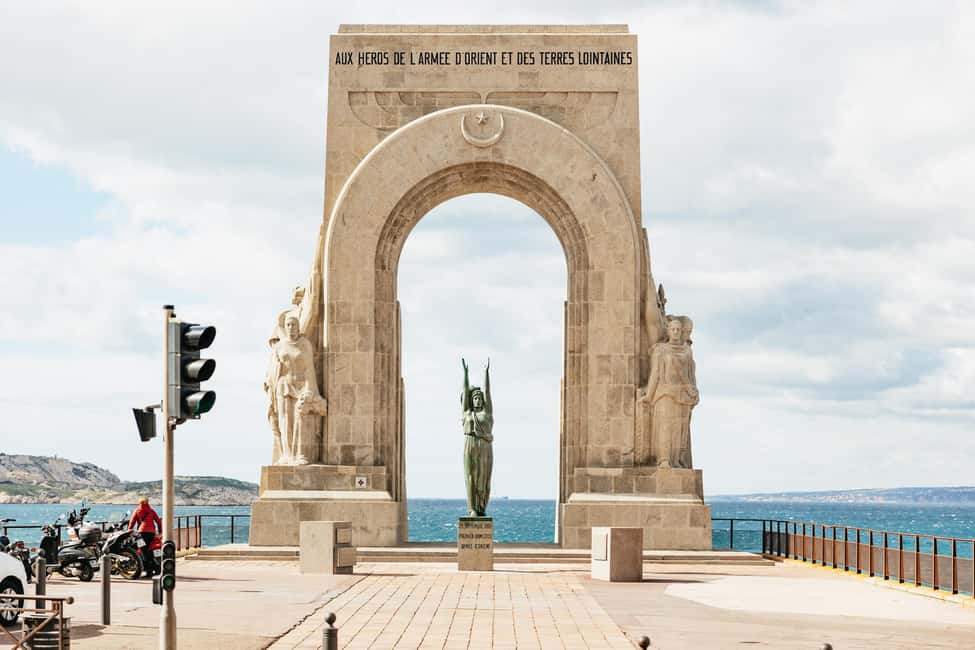
At the end, you’re dropped off around Prophet’s Beach, near 321 Cor Président John Fitzgerald Kennedy. This makes the tour feel satisfying because your last stretch is still connected to the coast. You can cool down, take photos, and decide what you want to do next—beach time, a snack, or an easy follow-on walk.
Also, because the walk includes coastal coves and seaside viewpoints, I strongly suggest you bring swimwear even if you’re not sure you’ll swim. Sometimes you just want to rinse off the salt air after a few hours outside.
What to bring so 3 hours feels fun, not exhausting
This walk is only 3 hours, but it covers enough ground and elevation that you’ll want to come prepared. The essentials are straightforward:
- comfortable shoes (not just “walking sandals that look cute”)
- water
- sun hat
- comfortable outdoor clothing
- outdoor layers if the coast wind picks up
If you’re sensitive to sun, pack an extra layer for shade breaks. If you tend to run warm, wear breathable clothes and plan to drink steadily rather than chug at the end.
And remember the big physical factor: it’s not suitable for everyone. The tour isn’t recommended for people with heart problems, for children under 10, or for those over 220 lbs (100 kg). If your fitness is low, it’s worth skipping this and choosing a flatter option. The scenery reward is real, but it demands a decent baseline.
Price and value: is $47 worth it?
At $47 per person for a 3-hour guided walk with a small group (up to 6), the value comes from two things: time and access. You’re paying for a guide who can translate the city’s geography and attitude into something you can actually understand while you’re walking—not after you’ve left.
It’s also a good price point for what you get visually. You’re moving through several distinct zones: coast viewpoints, a park break, then hillside neighborhood streets with gardens and old houses. That variety is hard to recreate on your own without a plan.
Food isn’t included, so you’ll need to budget for a drink or a snack on your own. Still, the guide can help point you toward locally relevant ideas after the walk, which helps you keep spending sensible.
One more practical value boost: the experience is offered in English and French, and it runs as a live guide, not audio-only. If you enjoy asking questions, a small group makes that part feel worth every step.
Who should book this Marseille walk (and who should skip it)
Book it if you:
- want Marseille beyond the main tourist lanes
- enjoy walking as a way to learn, not just a way to move
- like neighborhood-scale stories—residential streets, coast coves, local perspective
- are comfortable with hills and stair climbs
- want views that come from moving through the city, not standing in one place
Skip it if you:
- need a mostly flat route
- have limitations with heart conditions or low fitness
- are traveling with young kids (not suitable under 10)
If it’s one of your first days in Marseille, this is a smart choice because it helps you build a mental map fast. You’ll get your bearings in a way that makes later independent exploring easier.
FAQ
How long is the guided walk?
It lasts about 3 hours.
Where do I meet the guide?
Meet at the war memorial in front of 169 Corniche Kennedy. The nearest bus stop is Vallon des Auffes (bus 83).
What’s included in the price?
The tour includes a guide and the walking tour.
Is food and drinks included?
No. Food and drinks are not included.
How big is the group?
The group is limited to 6 participants.
What languages are available?
The live guide speaks English and French.
Is it suitable for kids or limited mobility?
It’s not suitable for children under 10, people with heart problems, people over 220 lbs (100 kg), or people with low level of fitness.
Should you book this Marseille neighborhood walk?
I’d book it if you want a Marseille experience that feels like you’re being shown a working city, not just collecting highlights. The mix of coastal scenery, quiet side roads, and hillside neighborhoods like Roucas-Blanc (with streets connected to Bompard and Vauban) is exactly the kind of route that changes how you see the city. Just be honest with yourself about the stairs and hills—bring good shoes, pace your effort, and you’ll likely find the value hits fast.